🐔 Rhode Island Red – Hardy and Excellent Egg-Laying Chicken Breed
🌟 Introduction
The Rhode Island Red is a popular and hardy chicken breed prized for its excellent egg production and friendly temperament. Originally bred in the United States, this breed is perfect for backyard flocks and small farms. While many chicken keepers also appreciate the calm nature of the Plymouth Rock chicken for similar reasons, the Rhode Island Red stands out for its exceptional resilience and consistent laying ability.
📜 History and Origin
Rhode Island Reds were first developed in the late 1800s in Rhode Island and Massachusetts. They were bred by crossing local birds with Malay and other breeds to create a tough, dual-purpose chicken suited for both eggs and meat. Their development paralleled that of other classic American breeds like the Wyandotte chicken, which also emerged during the same era of poultry breeding innovation.
🧬 Physical Appearance
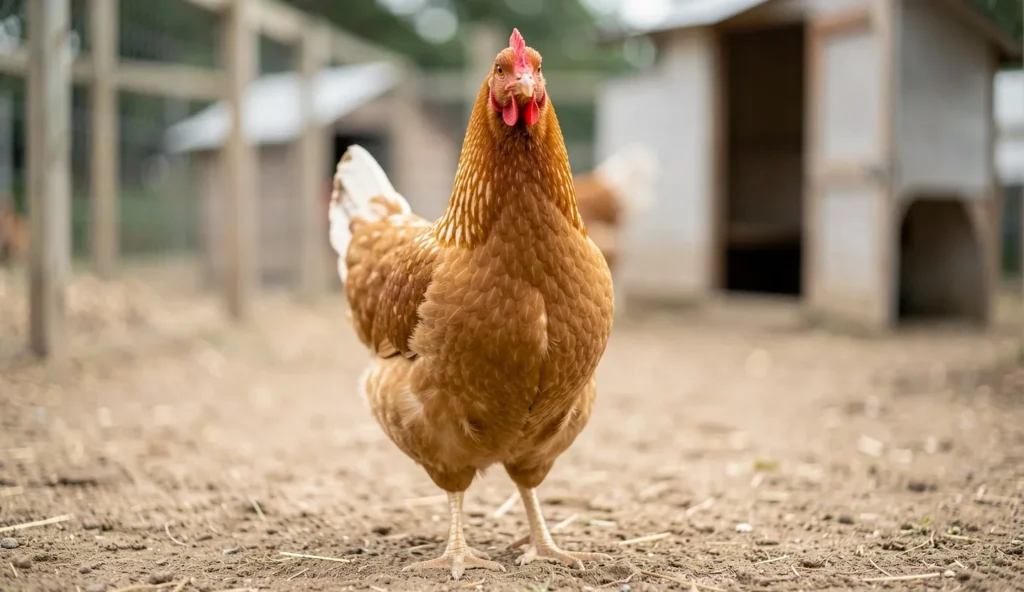
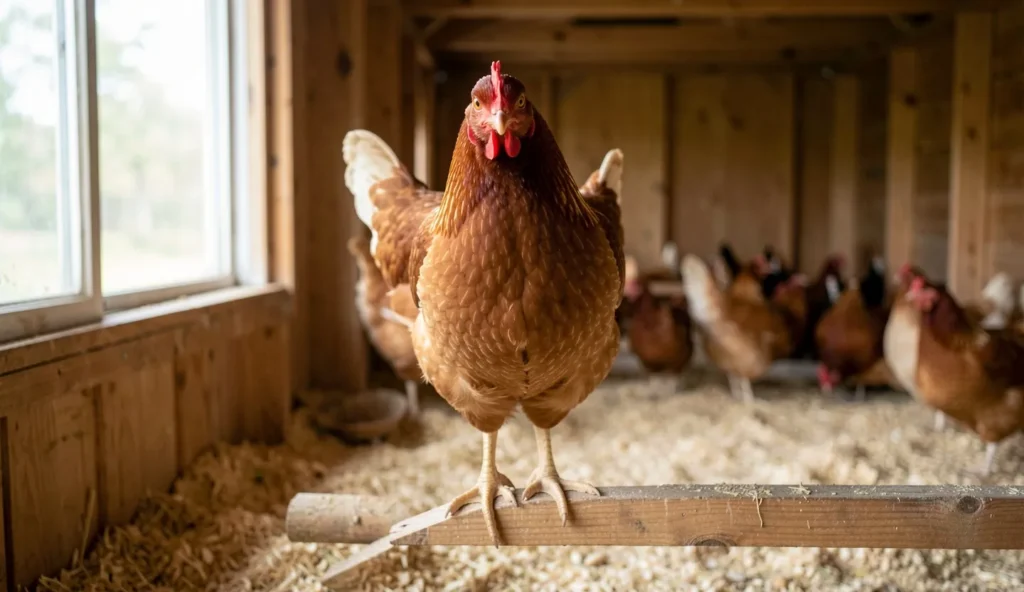
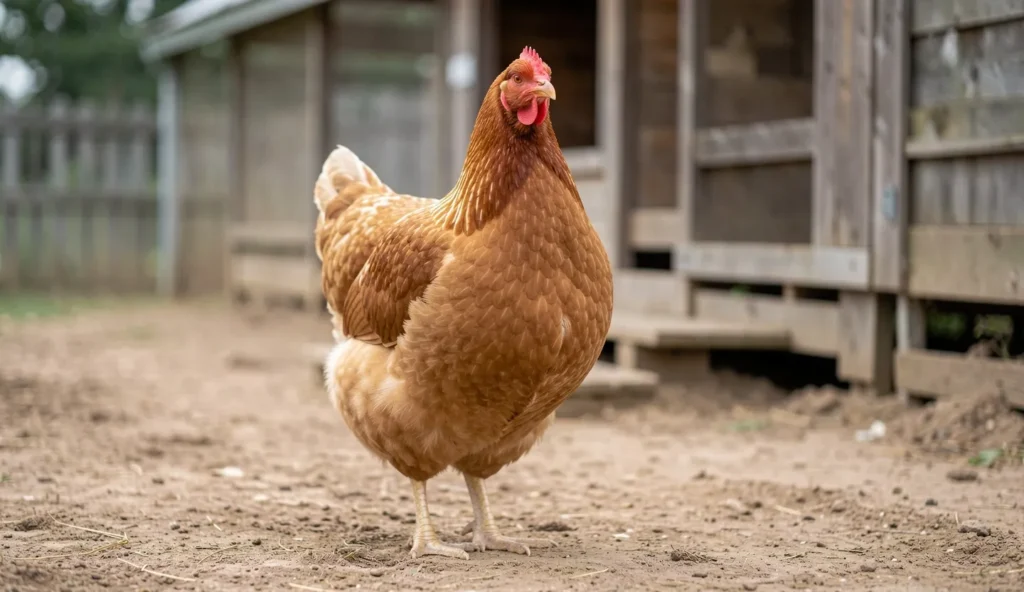
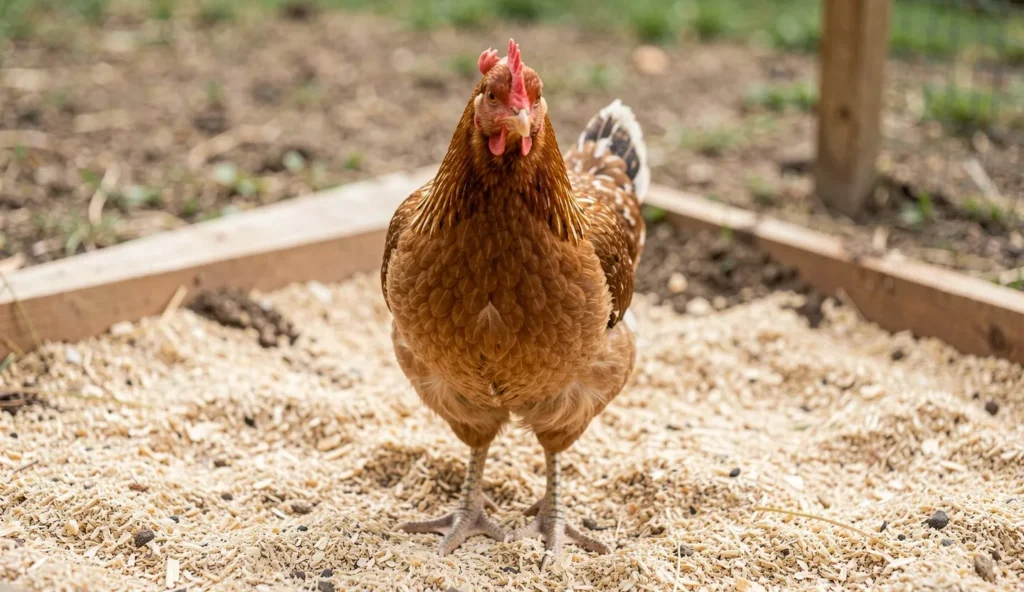
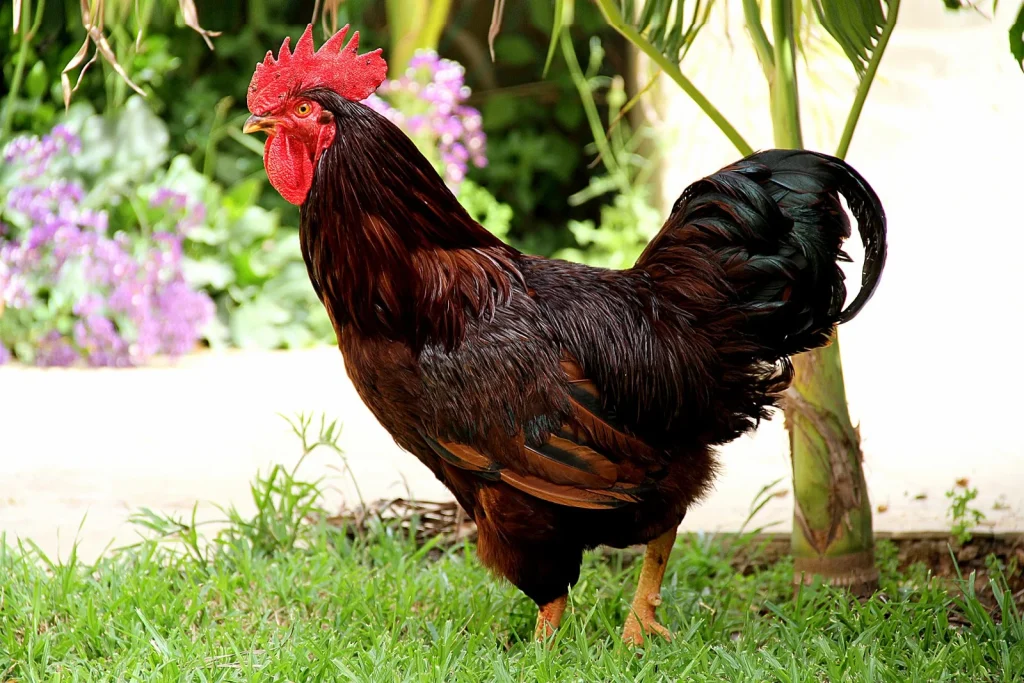
Rhode Island Reds have beautiful, deep red to rust-colored feathers. They are medium to large-sized birds with a sturdy build and bright red combs and wattles.
🥚 Egg-Laying Ability
This breed is famous for laying large brown eggs. Rhode Island Reds can produce around 250 to 300 eggs per year, making them one of the top choices for egg-laying chickens. For keepers seeking even higher annual output, the Leghorn chicken is another excellent option known for prolific white egg production.
🧠 Temperament and Behavior
Rhode Island Reds are generally calm, friendly, and easy to handle. They adapt well to different climates and environments, making them ideal for beginners and experienced chicken keepers alike. Their temperament is similar to that of the Australorp chicken, another breed celebrated for its docile nature and strong egg-laying record.
🍽️ Nutrition and Care
These chickens thrive on a balanced diet of grains, protein, and greens. Access to clean water and a safe coop is essential for their health and productivity. Providing a layer feed with 16-18% protein supports their high egg output, and offering oyster shell as a calcium supplement helps maintain strong eggshells.
🛁 Grooming and Maintenance
Rhode Island Reds are low-maintenance. Regular coop cleaning, fresh bedding, and occasional health checks keep them healthy and happy. Inspecting for external parasites like mites or lice during monthly checks is a good practice, especially in warmer months.
🌿 Ideal Environment
Rhode Island Reds do well in free-range systems but can also adapt to confined spaces if given enough room to roam and forage. A minimum of 4 square feet per bird inside the coop and 10 square feet per bird in the run is recommended for optimal comfort.
🌟 Fun Facts About Rhode Island Reds
- They are the state bird of Rhode Island.
- Known for their hardiness in cold weather.
- Often used in commercial egg production worldwide.
- They have a calm but curious nature.
❓ Frequently Asked Questions
Q1: How many eggs does a Rhode Island Red lay per year?
A: Typically, 250 to 300 large brown eggs annually.
Q2: Are Rhode Island Reds good for beginners?
A: Yes, they are friendly and easy to care for.
Q3: Can Rhode Island Reds handle cold weather?
A: Absolutely. They are very hardy in cold climates.
Q4: What do Rhode Island Reds eat?
A: A balanced diet of grains, protein, and fresh greens.
Q5: Are Rhode Island Reds noisy?
A: No, they are generally quiet and calm.
✅ Conclusion
The Rhode Island Red is an excellent choice for anyone looking for a hardy, productive, and friendly chicken breed. Perfect for eggs, they adapt well to various environments, making them a backyard favorite worldwide. Whether you are just starting your flock or adding to an existing one, this breed delivers consistent performance and a pleasant personality that keeps chicken keeping rewarding.