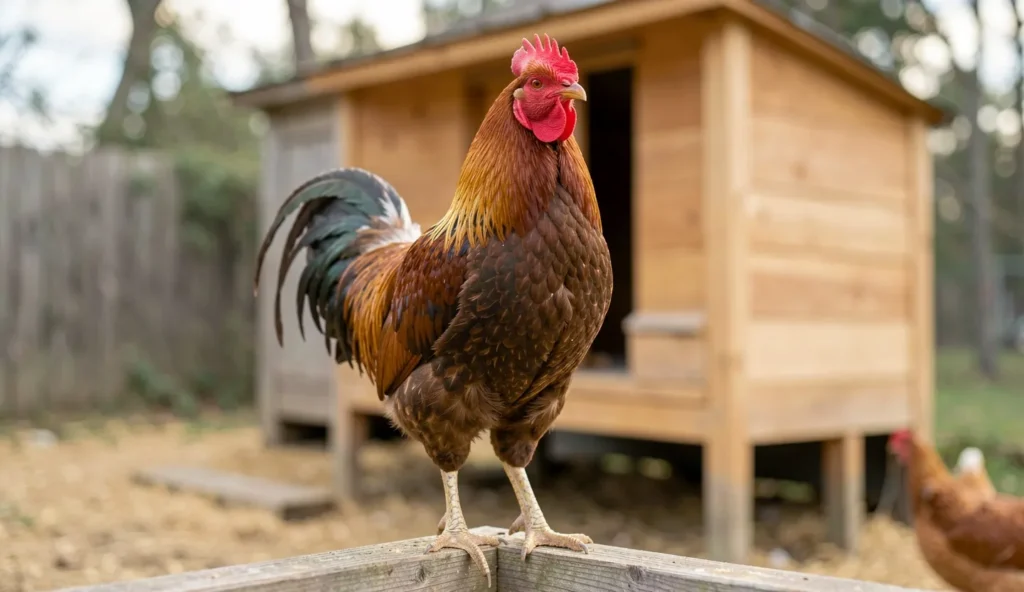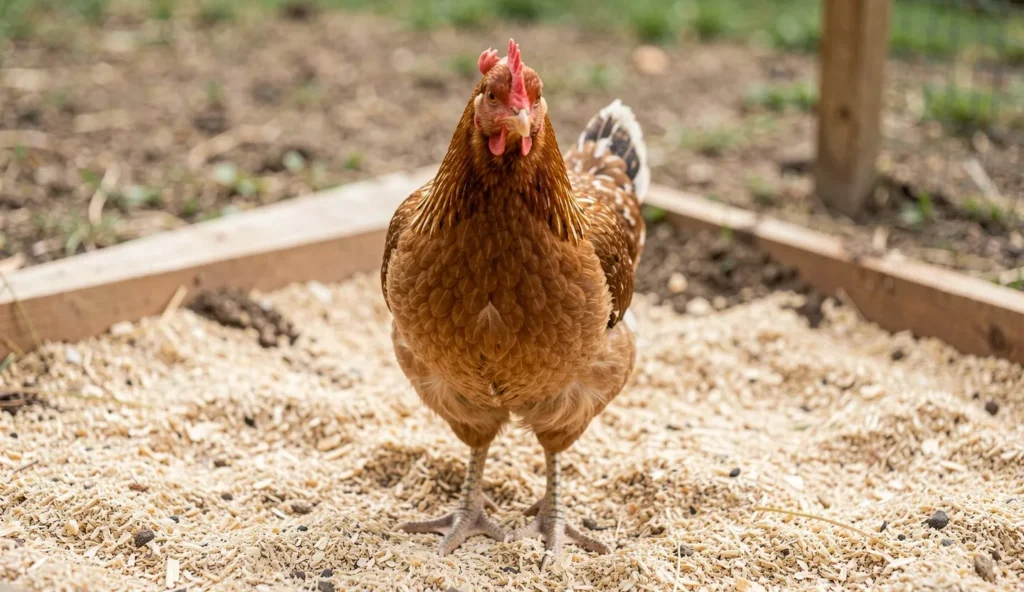
What Is a Booted Bantam Chicken
The Booted Bantam chicken is a miniature bantam bird known for feathered lower legs, often called boots. These birds usually fit bantam standards for size and proportions, making them suitable for small backyards and collectors.
Most people choose the breed type for appearance and manageable flock scale. Then the focus shifts to practical Booted Bantam care, since feather legs change day to day maintenance needs.
True Bantam Size And Why It Matters
Booted bantam chickens stay within bantam size expectations, so body build remains compact and upright. This matters because bantams need appropriate space for roosting, movement, and safe access to the run.
Smaller size also affects housing planning. Perches, coop doors, and litter depth should match a light body and short legs.
What Feather Legs And Boots Mean
Feather legs describe feathering around the shanks and foot area, creating a boot like look. While this trait adds beauty, it also changes how bedding moisture behaves on the bird.
Feathering can trap moisture and small debris. For that reason, feather legs care focuses on dryness, cleanliness, and preventing matting.
How They Are Used In Small Flocks
In small flocks, booted bantams often serve as companion birds with limited space footprints. Many owners also keep them for egg production at bantam scale, even when appearance drives the selection.
Compatibility depends on flock dynamics and available room. A calm group reduces stress, which helps feather legs stay cleaner and healthier.
Appearance And Feather Leg Traits To Know
A correct visual check starts with stance, feather leg coverage, and overall balance. The Booted Bantam chicken should look like a true bantam, not a larger bird with only small body weight.
Next, collectors typically evaluate feather density and leg structure during routine observation. Those checks become part of consistent Booted Bantam care long before show day.
Body Shape And Common Color Patterns
Bantam proportions keep the bird compact, with an upright silhouette. Color patterns can vary across registered varieties, so two booted bantams can look very different on the surface.
Even so, the core shape should remain bantam sized and balanced. Feather legs also appear as a selection point, because dense coverage should support the intended look.
Feather Leg Coverage And What Good Looks Like
Booting refers to feathering on the lower legs and near the foot area. Good coverage typically looks even and continuous rather than patchy.
Avoid birds with severely ragged, broken, or excessively clumped feathers. When feathers clump repeatedly, owners often see more trapped debris and more grooming time.
How To Tell Booted Bantams Apart From Barbu d Uccle
Many buyers compare booted bantam vs Barbu d’Uccle because both breeds often show facial feathering traits in photos. The key difference is that Barbu d’Uccle has a beard, while booted bantams lack a beard.
Barbu d’Uccle may also show heavier facial feathering overall, which changes the head profile. Because feather legs can overlap visually from a distance, check the face carefully rather than assuming based on leg feathering alone.
Assessing Legs Feet And Stand Balance
During selection, check that the bird stands and steps normally. Observe how feathers sit around the toes and whether the bird can place the foot without snagging.
Clean feet reduce stuck litter and wet bedding issues. When foot surfaces stay dirty or the bird hesitates to step, feather leg maintenance will likely require more effort.
Temperament And Personality In Small Flocks
Booted bantams often remain active and alert, especially in familiar routines. Still, temperament varies by line, handling experience, and how new birds join the group.
Consistent handling supports calmer behavior. Then daily checks for the legs and feet become easier, which supports long term Booted Bantam care.
Typical Behavior Levels
Many booted bantams show steady activity and respond to feed and routine movement. They can become calm when owners use gentle handling and predictable schedules.
Some birds become more skittish after stress, such as wet weather or flock changes. That stress often makes feather leg mess worse when birds run through damp areas.
Social Needs And Flock Compatibility
Bantams usually do best with consistent flock members and calm introductions. When new birds enter, slow mixing reduces conflict and limits frantic chasing.
Bullying risk increases when space feels tight. If bullying happens, injured feet and trapped debris around feather legs become more likely.
Handling And Calmness Basics
Handling works best when support stays under the body and legs remain stable. Avoid pulling on leg feathers when picking up birds, since that can harm delicate feather structure.
Daily checks should be quiet and brief. When handling remains gentle, birds stay calmer and less likely to flap into bedding or perches.
Booted Bantam Housing Essentials For Feather Legs
Housing needs drive success for a Booted Bantam chicken because feather legs contact surfaces often. The priority stays moisture control, since wet bedding quickly turns into clumps and matting.
Good layout reduces grooming time and helps owners spot issues early. With the right choices, feather legs can remain tidy even in small runs.
Coop Floor And Bedding Choices
Use dry bedding to reduce wet feather leg problems. Spot clean daily and refresh bedding often, since moisture builds faster around foot feathers.
Avoid bedding that sticks heavily to feathered feet. When bedding adheres, owners often see more trapped debris and a higher irritation risk.
Perches That Work For Bantams
Provide lower perches for easier roosting. Bantams may jump, but short legs and feather legs benefit from perches that reduce risky falls.
Use perch surfaces that do not snag feathering. Stable footing also matters, since slips can cause toe injuries and debris buildup.
Run Setup And Mud Prevention
Offer drainage where feather legs contact ground surfaces. Use a dry area with loose, clean footing so feathers avoid constant wet contact.
Remove wet clumps quickly to prevent matting. If mud stays persistent, grooming and feather leg cleaning increase and feather quality often declines.
Water And Feeder Placement
Place waterers so splashing stays limited and bedding remains drier. Keep feeders stable to reduce litter in the feed area.
Check areas around the water source frequently. Most feather leg mess starts near the water line, so targeted adjustments prevent a slow buildup.
For broader flock planning, owners who also keep ducks may find value in comparing coop hygiene needs with guidance like Pekin Duck (American Pekin) housing and water placement concepts. Similar moisture management goals apply across small backyard species.
Booted Bantam Diet And Feeding Plan
Feeding a Booted Bantam chicken centers on balanced nutrition at a bantam scale. A complete feed formulated for bantams helps support both daily health and feather development.
Then adjust amounts by age, season, and body condition. That approach reduces nutritional gaps that can show up as poor feather quality.
Core Diet For Health And Feather Quality
Use a quality complete feed formulated for bantams. Balanced protein supports growth and supports normal feather development over time.
Provide fresh, clean water at all times. When water quality drops, feather leg areas can become dirtier due to increased preening and more contact with damp ground.
Treats And Safe Foraging Additions
Treats should stay as small portions of the daily diet. High sugar or high fat items can affect weight and increase health problems in small birds.
Choose treats that encourage natural scratching. Light foraging items also reduce boredom, which can lower stress related pecking.
Egg Laying And Seasonal Changes
Layer feed supports egg production after maturity. When seasons change, ration changes should happen gradually to prevent digestive upset.
Monitor body condition and adjust feed amounts based on activity level and weather. If winter temperatures drop, consistent nutrition helps maintain stable body weight.
Owners comparing egg output across backyard birds may also review general production expectations in resources like Leghorn chicken profiles. That helps set realistic expectations for bantam scale egg production without overfeeding.
Handling Training And Daily Care Routines
Daily routine protects feather legs more than occasional deep cleaning. A Booted Bantam chicken can look fine one day and develop matting the next if moisture sits in the wrong place.
With consistent checks, owners can prevent small issues from turning into skin irritation or mobility concerns. Over time, calm habits also improve flock safety during routine tasks.
Daily Health Checks For Feather Legs
Check for wet bedding stuck in feathered feet during routine visits. Look for redness, swelling, or limping, since feather legs can hide mild inflammation.
Inspect toes for debris and trapped litter. If the bird avoids stepping on one foot, check that foot first before continuing normal movement.
- Remove visible wet clumps before they dry into mats
- Check skin under feathers for irritation or odor
- Watch how the bird places weight during standing
Grooming Steps For Feather Leg Maintenance
Brush feather legs gently to remove loose dirt. Keep feathers dry after rain or wet bedding exposure because dampness fuels clumping.
Trim only when needed and avoid overcutting. In many cases, careful brushing and improved bedding prevent the need for heavy trimming.
Owners seeking practical grooming mindset can also compare bird maintenance approaches across species. For example, flock keepers managing waterfowl may review Khaki Campbell notes for daily water area checks that reduce dampness and mess.
Training For Coop Access And Safety
Training works best with consistent routines around feeding times. Encourage quiet movement into the coop at dusk rather than forcing quick entry.
Use calm handling to reduce fear and wing flapping. Flapping can scatter bedding, and that movement increases the chance of feathers trapping litter in leg areas.
Common Health Issues And Prevention For Booted Bantams
Booted bantams face health risks that connect directly to feather leg moisture exposure. A Booted Bantam chicken does not need more medicine than other birds, but it needs more preventive observation.
Owners benefit from watching for early signs. Then quick action reduces irritation, infection risk, and long term mobility problems.
Moisture Related Problems In Feathered Legs
Wet feather legs can increase the risk of irritation. Debris buildup can also lead to sores or infections when feathers trap moisture against the skin.
Dryness, cleaning, and proper bedding reduce risk. When wet exposure happens, owners should address it quickly rather than waiting for the next scheduled cleaning.
Parasites And External Monitoring
Regular checks help catch mites and other external issues. Monitor under wings and around the vent area during routine leg inspections.
Isolate and treat affected birds promptly if signs appear. Early intervention reduces stress and helps feather legs recover in clean conditions.
Foot Toe And Mobility Concerns
Watch for lameness, scaly feet, or toe injuries. Feather legs can hide mild inflammation, so normal standing behavior becomes an important clue.
Vet care matters if walking changes appear. When a bird favors one foot, inspection should include both toe structure and feather coverage patterns.
Disease Prevention Basics For Small Flocks
Keep the coop clean and avoid overcrowding. Overcrowding increases wet bedding exposure and also increases conflict that leads to injuries.
Quarantine new birds before mixing with the flock. A simple health record helps track symptoms so owners can act quickly when issues appear.
When planning multi species backyards, some owners compare bird biosecurity practices with resources like Call Duck care concepts. Waterfowl routines also stress sanitation and separation during introductions.
Is a Booted Bantam Chicken Right for You
A Booted Bantam chicken suits owners who can provide extra cleanliness and consistent daily observation. Feather legs create a visible feature, but they also require more moisture control than many standard bantams.
Space, climate, and time influence how well booted bantams fit a home flock. When planning matches those realities, feather legs can stay healthy and attractive.
Best Fit For Bantam Collectors
Booted bantams work well for collectors who enjoy appearance focused traits and line selection. Feather leg maintenance rewards daily routines and careful observation.
Breeding interest can also benefit from recordkeeping and selection standards. When selection includes leg quality, caretakers can maintain consistent traits over generations.
Best Fit For Small Flock Owners
These birds fit small yards with good drainage and consistently dry bedding. Space allows safe perch placement and easier run access, which reduces stressful rushing.
Short daily checks support long term health. Those checks catch wet bedding and toe issues early, before they become serious problems.
Tradeoffs And Ongoing Care Demands
Feather legs require extra cleanliness and monitoring. Wet weather can also increase grooming needs and reduce time birds spend on dry surfaces.
Bird introductions may require extra attention if the flock becomes tense. When stress rises, birds track debris around the coop, which then affects feather legs quickly.
Final Note On Raising Feather Legged Bantams
Raising a Booted Bantam chicken stays rewarding when moisture control and daily checks remain consistent. With the right bedding, perches, and observation habits, feather legs can thrive in a small flock setting.
Frequently Asked Questions
Do Booted Bantam Chickens Need Special Bedding For Feather Legs?
Use dry, clean bedding and remove wet spots daily.
What Is The Difference Between Booted Bantam Vs Barbu d Uccle?
Barbu d’Uccle has a beard, while booted bantams lack a beard.
Are Feather Legs Harder To Keep Clean Than Regular Chicken Legs?
Feathers trap moisture and debris, so more frequent checks are needed.
Are Booted Bantam Chickens Considered True Bantams?
They are a miniature bantam type with standard bantam sized proportions.
How Often Should Feather Legs Be Groomed?
Brush and inspect regularly, especially after rain or wet bedding exposure.
Do Booted Bantams Need Lower Perches?
Lower perches help bantams roost safely and reduce jumping stress.