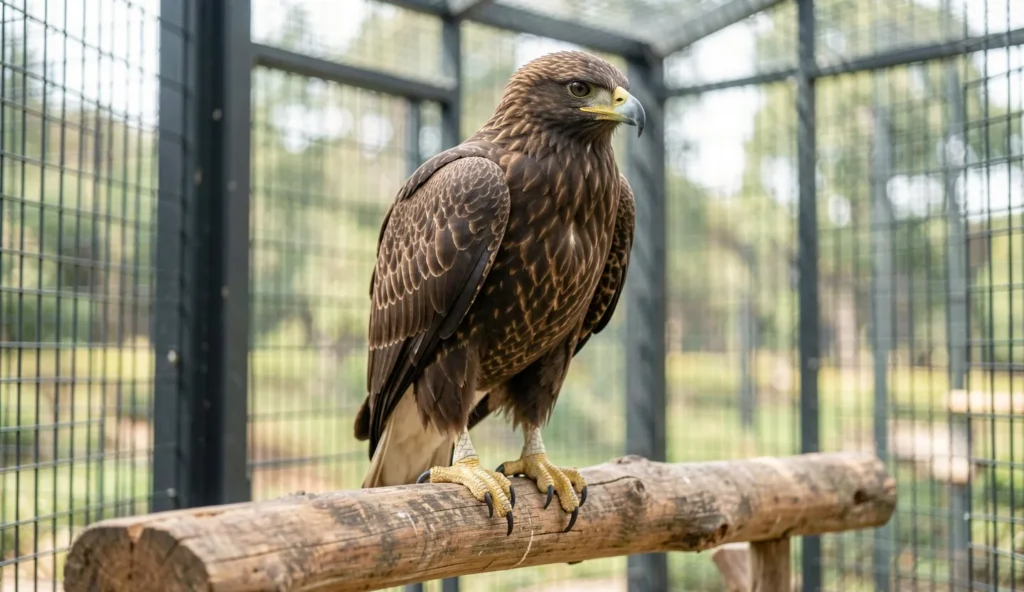
What Is a Booted Eagle
The Booted Eagle species is a small eagle found in parts of Europe and nearby regions, known for a compact build and strong hunting ability. This eagle stands out because its leg feathers form a “boot” look that makes it easier to recognize from a distance. For novice bird of prey keepers, the Booted Eagle species often feels more manageable than larger eagles when housing and handling rules are followed.
Bird of prey care still requires planning, permits, and specialist knowledge. Even when an eagle is smaller, the welfare needs remain high, and safe routines matter for both the bird and the keeper. To understand how size compares across raptors, checking other eagle species guides can help set expectations, such as reading about the Bald Eagle before choosing a first raptor.
Where Booted Eagles Live in Europe and Beyond
Booted Eagles live across parts of Europe, with populations concentrated in suitable woodland and open habitat edges. The species typically prefers areas that offer both hunting cover and clear lines for scanning. In many regions, seasonal movement can happen based on prey availability and weather patterns.
Habitats often include open woodland, scrub, and landscapes where small birds and mammals are easier to spot from perches. This matters for captivity planning because it guides what kind of enrichment supports natural scanning behavior. When comparisons help, some keepers also review how other European raptors select habitat, such as the White-tailed Eagle, to understand how different species use the environment.
How Size Changes Daily Keeper Routines
The Booted Eagle species has a smaller, tighter body shape compared with large eagles, and that affects how handling and daily routines feel. Wing span may still be substantial, but the overall scale tends to make perching, transport, and enclosure work easier than for heavier giants. Daily cleaning, feeding preparation, and glove work become more predictable when the bird’s size stays within a manageable range.
Even with smaller proportions, the bird remains a powerful raptor with strong talons. Proper raptor housing design, safe entry routes, and careful movement still reduce risk. A “small eagle pet” should never be treated like a lightweight bird, because strength and balance create the real safety picture.
Typical Daily Activity and Hunting Style
Booted Eagles typically spend time perched and scanning, then switch into short hunting bursts when prey looks available. The usual pattern includes watching from a stable perch, changing angle, and then diving or dropping to capture. This behavior helps explain why enrichment and training should focus on consistent stationing and calm observation.
In captivity, keepers often see alert behavior when the bird hears sounds or notices movement, followed by settling into rest periods. When bird of prey care supports normal scanning, the bird shows fewer stress spikes caused by boredom. Enclosure planning should therefore include stable perches placed for safe viewing rather than random placements that force constant repositioning.
Appearance and Size Features to Recognize
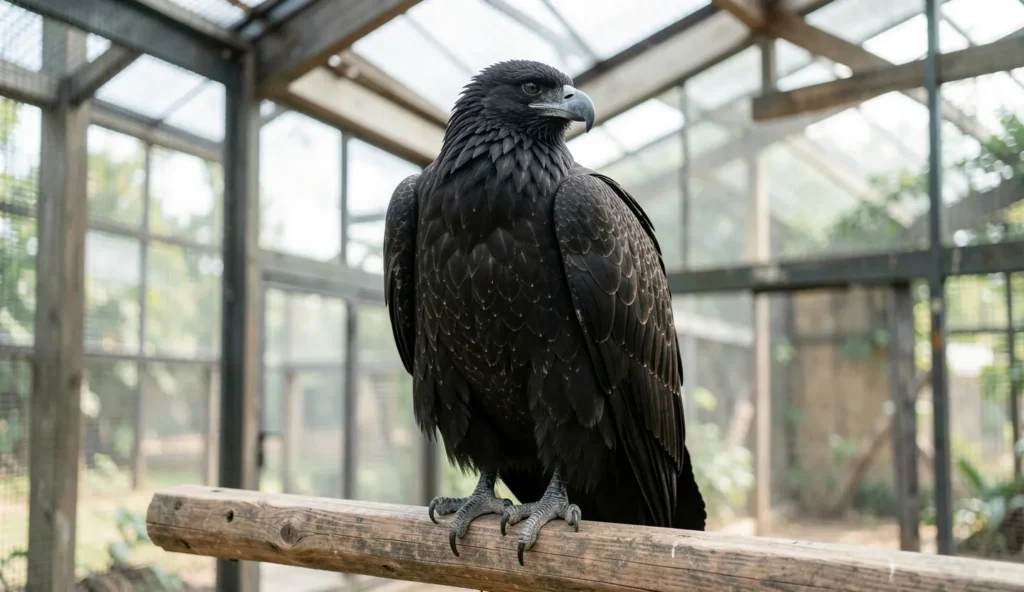
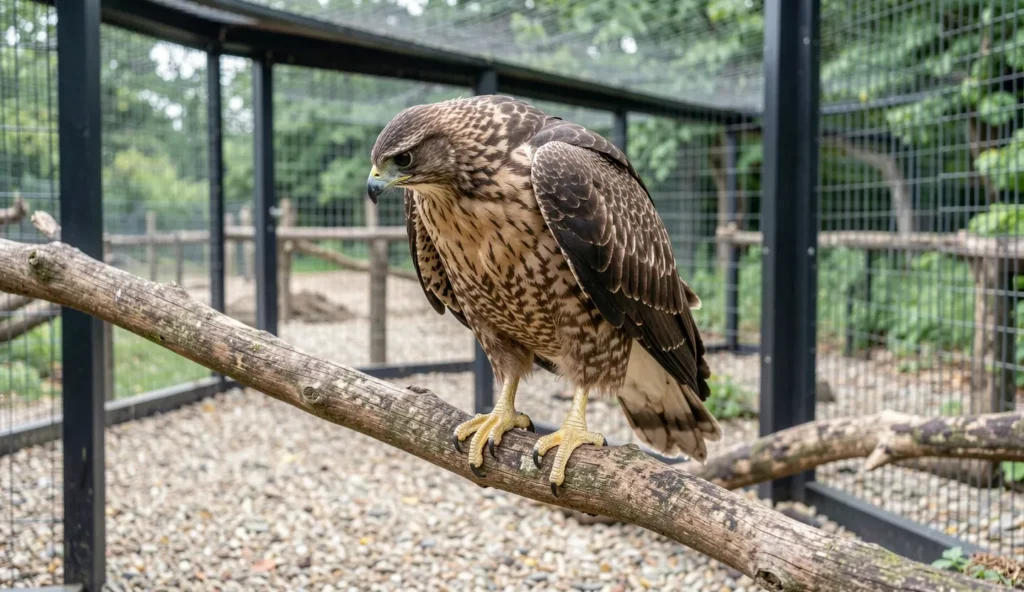
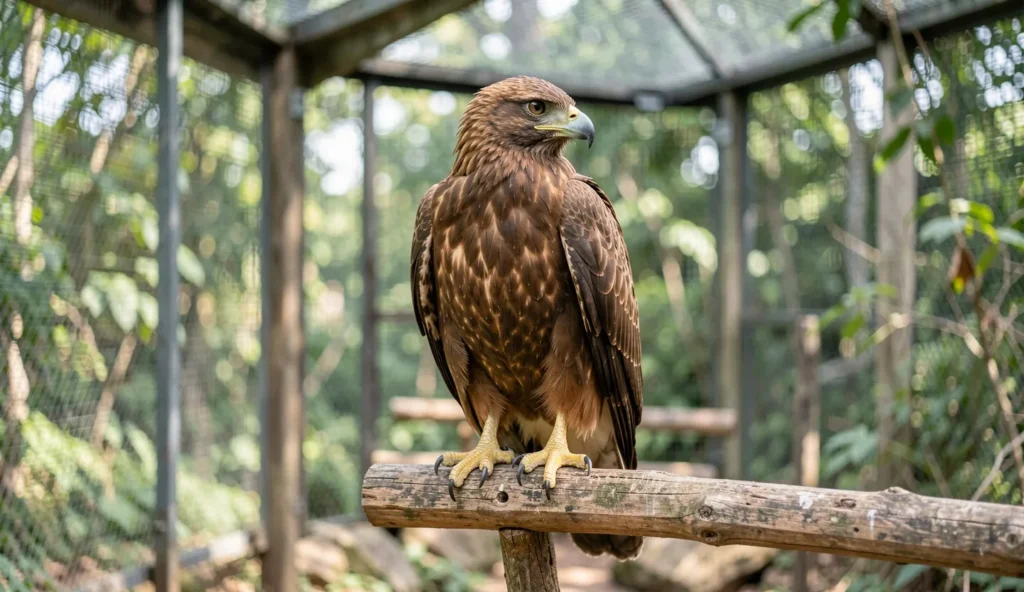
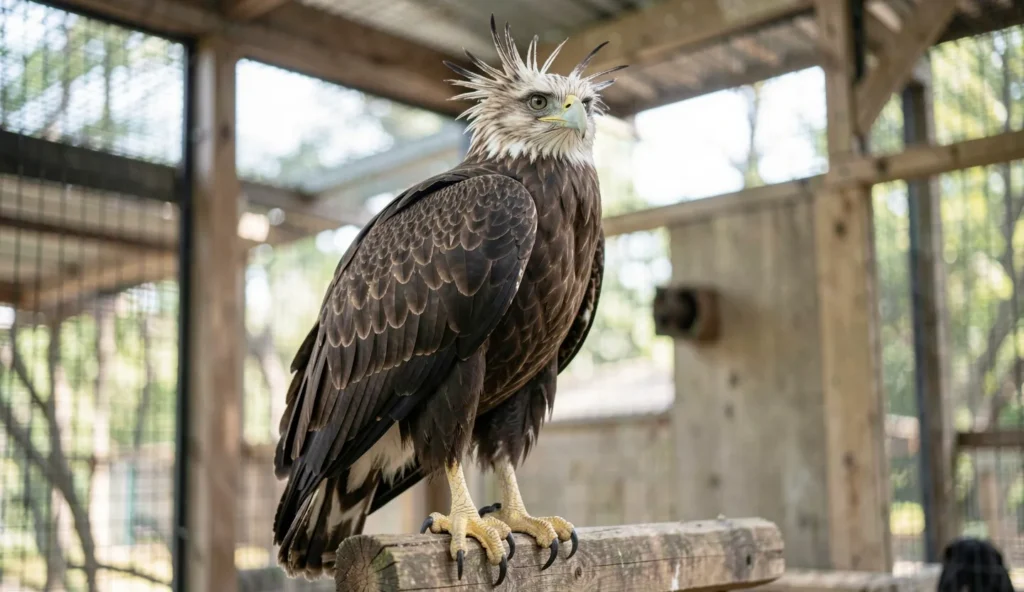
Recognizing the Booted Eagle species comes down to body shape, leg feathering, and the overall posture used at rest. These cues help verify identification and also guide keeper setup choices like perch spacing and safe foot contact. For booted eagle care, accurate visual checks support early health detection because body condition often changes how the bird holds itself.
Size also matters for enclosure planning, since perching height and training zones must match the bird’s wings and stance. If the bird cannot move naturally without awkward steps, pressure points and discomfort can develop. Reading credible guides on raptor-feathered traits also supports better expectations when comparing size to other raptors like the Eurasian Eagle-Owl.
Key Physical Traits of the Booted Eagle
The Booted Eagle species typically shows a compact silhouette with wings held in a controlled, slightly angled stance. Leg feathering creates the distinctive boot appearance, which becomes more obvious when the legs are visible during rest. Broad color patterns can vary, but the overall look usually stays consistent across individuals within a region.
Keepers should focus on practical traits rather than trying to memorize every shade. The goal is to recognize normal feather layout and typical posture, then notice changes quickly. When the boot feathers look unusually dirty, matted, or overly fluffed, it often reflects hygiene, moisture, or stress.
What Eye Beak and Talon Features Indicate
Eye clarity helps reflect overall welfare because clear alert eyes often correlate with normal activity and appetite. Swelling, cloudiness, or frequent squinting can point to problems that need prompt veterinary input. In eagle species Europe, many raptor keepers use quick daily visual checks to catch issues before they worsen.
Beak and cere appearance can also provide cues about general health, since abnormal color or damage may come from diet imbalance or minor injuries. Talon condition matters for welfare because poor foot contact can start pressure problems, and hygiene issues can increase irritation. During booted eagle care, talon checks should include looking for chips, overgrowth, or rough areas that suggest the bird cannot wear them evenly.
How Size Affects Perching and Enclosure Planning
The Booted Eagle species needs perches that match wings and stance, so the bird can balance without overreaching. Perch height should allow safe step-down movement rather than forced jumps that risk slips. Spacing matters too, because crowded perch lines increase collision risk during quick turns.
Enclosure planning should also prevent wing strikes by giving clear movement space around the bird’s primary rest perch and feeding area. Foot health depends on stable grip surfaces, and uneven or slick textures can cause discomfort. Safe movement design reduces the chance of panic flapping, especially during keeper entry or routine cleaning.
Temperament and Behavior Around People
Temperament varies by individual, but the Booted Eagle species generally shows strong responsiveness to sound, movement, and routine changes. When bird of prey care supports predictable handling windows, the bird can often learn calmer stationing behaviors. Novice bird of prey keepers should treat temperament as something to manage with structure, not something to “wait out.”
Smaller eagles may feel easier to manage, yet behavior can still become risky if handling starts too aggressively. Stress control should remain the priority, because fear can lead to sudden movement. If another raptor species is being compared for beginner difficulty, it can help to look at how different temperament shows up in raptor profiles such as the Golden Eagle.
Typical Temperament of a Booted Eagle Species
Booted Eagles usually stay alert and may scan frequently, especially during feeding time or when new sounds appear. Some individuals show confidence and approach training spaces readily, while others remain cautious until trust builds. Because temperament can shift with age, handling experience, and enclosure routine, consistency matters for both outcomes and safety.
Confidence or caution should be read through posture and eye focus rather than through “behavior on command.” If the bird holds position calmly and watches without escalating, handling sessions generally stay safer. However, sudden freezing followed by explosive movement can indicate that stress is building internally.
Signs of Stress During Handling
Stress signals can include raised body posture, repeated vocalizations, tight wing positioning, and fast head darts during restraint. As stress increases, the bird may shift from defensive stillness into sudden lunges or wing flaps. Each escalation step raises risk for the bird’s welfare and the keeper’s safety.
For booted eagle care, the keeper priority should be stopping early when stress signs appear. Restarting after calming measures or expert guidance can prevent the bird from linking handling with fear. Proper restraining should never be improvised by a beginner because technique directly affects outcomes.
Behavior You Should Encourage in Captivity
Captive behavior should include stable perching, relaxed resting intervals, and calm stationing during routine tasks. Training should encourage the bird to hold a position long enough for safe checks like eye viewing and feather assessment. Encouraging normal alert scanning also matters, because a fully subdued bird may still show chronic stress.
Stationing works best with short sessions that end positively while the bird still stays comfortable. When training time stays brief, the bird often returns to rest sooner. This structure supports bird of prey care goals by reducing repetitive fear responses while keeping skills consistent.
Housing Essentials for a Small Eagle Pet
Housing requirements strongly influence how well the Booted Eagle species adapts, especially for novice bird of prey keepers. Secure raptor housing must prevent escapes, protect feet and wings, and support daily welfare routines. Because this eagle is one of the smaller options, careful design can make care more manageable without cutting corners.
Basic enclosure mistakes often involve unsafe corners, poor perch surfaces, or inadequate space for controlled movement. Each issue can contribute to collisions, foot strain, or ongoing stress. For keepers setting up multiple raptors, it can also help to review how enclosure security works across species such as the Martial Eagle, since the same safety logic applies with different scale.
Indoor Versus Outdoor Setup Basics
Indoor setups often use a mews or secure room with controlled access, while outdoor setups use aviaries with weather protection. Both can work, but safety depends on secure containment and strong netting or barrier design. Wind, rain, and temperature swings can also affect breathing comfort and stress levels.
Outdoor enclosures require robust escape prevention because a raptor can move quickly when startled. Weather limits should also guide when outdoor time is allowed. When a bird feels trapped by sudden weather, escalation follows, and handlers must adjust routines to protect welfare.
Best Enclosure Size and Layout Considerations
Enclosure size should allow wing stretching and controlled movement between key zones. Beginners should plan for a space where the bird can step, turn, and reposition without hitting walls or fixtures. Safe corners and hazard removal reduce collision chances during quick changes in alertness.
A practical layout includes a primary perch zone, a feeding area, and a resting area with easy cleaning access. If the feeding area shares the same corner as the main perch, waste build-up can increase moisture and foot irritation. Clear separation supports cleaner leg feather conditions and reduces slippery surfaces.
Perches Substrate and Foot Health
Perches must support natural grip and reduce pressure points on the feet. Different perch diameters help distribute pressure, but they should still provide stable contact without wobbling. Uneven or damp surfaces increase the risk of irritation in boot feathers and the lower leg area.
Substrate choice should help cleaning by controlling moisture and debris. A simple routine helps maintain dry areas around perches, especially under leg feathering. Regular cleaning reduces ammonia build-up and lowers risk for respiratory and skin issues.
Lighting Temperature and Ventilation Needs
Lighting should support a predictable day and night rhythm and maintain natural-looking behavior cycles. Natural light is often beneficial, and artificial lighting can supplement it when needed. A consistent schedule supports stable stationing and reduces sleep disruption.
Temperature needs depend on local conditions, but the enclosure should stay within safe raptor comfort ranges to avoid stress and breathing strain. Ventilation also matters because stale air can worsen respiratory comfort. Humidity control supports feather cleanliness, especially since booted leg feathers can hold moisture when hygiene is poor.
Enrichment That Supports Natural Behavior
Enrichment should focus on perching variety, routine changes, and short opportunities for supervised flight-like movement if permitted. Rotating objects and viewing positions prevents constant boredom, which can otherwise lead to repetitive stress behaviors. For many keepers, enrichment also means keeping the bird’s environment mentally active without unpredictable handling.
If flight time is part of the setup, it should be supervised and planned for safe landing and safe entry. Sudden chaos during enrichment can cause panic flapping and increase collision risk. When enrichment supports scanning and safe rest, booted eagle care becomes more stable across weeks and months.
Diet and Feeding for Booted Eagle Care
Diet forms the foundation of booted eagle care, and it directly affects body condition, feather quality, and health stability. For the Booted Eagle species, feeding typically uses whole prey or prey-based meal options designed for raptor nutrition. A “small eagle pet” still needs strict food safety because raptor feeding can quickly worsen when portions or storage practices fail.
Beginners should plan meals carefully and track body condition rather than guessing. Weight checks and quick observations of droppings provide better guidance than routine assumptions. If prey selection questions arise, reviewing raptor feeding basics alongside other large and small birds of prey can help, including sources that compare prey types like those used in eagles such as the Wedge-tailed Eagle.
What Booted Eagles Eat in Captivity
In captivity, feeder animal categories often include appropriately sized mammals and birds, chosen to match the bird’s age and strength. Whole prey feeding supports natural nutrition by including muscle, bones, and organ content. Some keepers use meat-only options, but they require careful supplementation planning to reduce nutrition gaps.
Prey size should match the eagle’s ability to tear and swallow safely. If prey is too large, risk increases for choking, regurgitation, and stress. If prey is too small, nutrition may remain incomplete and body condition can drop.
Feeding Schedule and Portion Planning
Consistent timing supports routine learning and helps keep feeding safer during daily husbandry. Portions should match the bird’s current body condition and activity level, then be adjusted gradually. Weight checks help prevent underfeeding or overfeeding when appetite fluctuates.
Feeding schedule changes should be made with careful observation rather than sudden shifts. If the bird eats less than usual, the cause could involve stress, health issues, or prey preference. Tracking feeding outcomes supports better portion decisions for raptor feeding over time.
How to Prepare Prey Safely
Safe thawing and storage practices matter for preventing spoilage and bacterial contamination. Prey should be handled with clean surfaces, stored at appropriate temperatures, and thawed in a controlled way. Avoid using prey that smells off or looks spoiled, because digestive upset can follow quickly.
During preparation and cleanup, contamination prevention should stay strict. Tools used for prey should not mix with tools used for cleaning perches and water bowls. This reduces cross-contamination and helps keep foot hygiene stable around booted leg feathers.
Water Supplements and Feeding Safety
Fresh water should be available daily, and water containers should be cleaned to prevent residue and microbial growth. Supplements or vitamins should only be directed by a veterinarian familiar with raptors. A balanced prey diet often forms the baseline nutrition, so additions should not guess.
Feeding safety includes keeping feeding areas clean and ensuring prey does not sit and warm for too long. Hygiene routines also support normal droppings and reduce odor that can affect air quality. When raptor housing includes easy-to-clean zones, keeping water and feeding safe becomes more consistent.
What to Monitor After Meals
After meals, normal behavior includes settling back to perching or resting, followed by typical scanning. Droppings should be observed for consistency, volume, and color patterns that match expected normal ranges. If droppings become repeatedly watery or unusual, feeding or health issues may be involved.
Vomiting, repeated regurgitation, or strong lethargy after feeding should trigger a welfare check. Those signs can indicate prey size problems, digestive upset, or emerging illness. Early recognition supports quicker intervention and can reduce long recovery periods.
Handling Tempering and Training Basics
Handling, tempering, and training should focus on safety and welfare first, especially for the Booted Eagle species. Beginners should expect that safe handling requires training, correct equipment, and consistent routines. This approach supports bird of prey care goals by reducing stress during daily husbandry tasks.
Because eagles have powerful talons, improper technique can cause injury even during routine actions like moving the bird for cleaning. Training also influences how the bird behaves during routine checks, so time invested early often prevents problems later. A similar beginner planning mindset can be applied when reviewing other raptors such as the African Fish Eagle, where keeper safety depends heavily on calm procedures.
Safe Handling Principles for Novice Keepers
Safe handling often includes glove use and the right equipment when required by local rules and facility standards. Distance matters, because sudden approaches can trigger defensive movement. Calm entry and predictable routines reduce the chance of panic flapping.
Restraining techniques must be learned from experienced staff or trained professionals. Improvised restraining can create fear, bruising, or improper wing or leg positioning. For a smaller eagle species, the temptation to “manage without training” can still create serious risk.
Taming and Comfort Building Without Forcing
Comfort building should rely on short sessions that reward stable posture and low stress behavior. Sessions work best when the bird can see the keeper approach without surprise movements. If fear signs appear, the session should end early so the bird can reset.
Forcing contact or pushing training beyond the bird’s comfort can raise stress and increase handling risk. Over time, a calmer bird usually allows more reliable health checks. That stability improves booted eagle care outcomes because daily welfare tasks can happen without escalation.
Positive Reinforcement Training Targets
Positive reinforcement targets often include stationing on a perch or training area with consistent cues. Another target is safe recall in controlled settings designed for predictable outcomes. Training should stay short and end while the bird remains responsive and calm.
Reward choices typically align with raptor feeding plans and should not upset nutrition balance. If training increases meal size unintentionally, body condition can drift. Keeping training time brief helps protect both diet goals and stress levels.
Mews Routines That Reduce Risk
Reliable routines reduce risk during daily cleaning, entry, and moving tasks. Predictable feeding schedules and quiet handling windows help the bird expect what comes next. When random noise or sudden activity occurs, alert behavior often rises fast.
Mews routines should include safe entry steps, stable perching access, and planned cleanup timing to avoid rushed handling. If the bird reacts strongly to routine changes, adjustments should be made gradually. This structure supports welfare and makes bird of prey care more realistic for novice keepers.
Common Health Issues and When to Seek Help
Health monitoring is part of daily booted eagle care, and it should start with simple, repeatable checks. Novice keepers can often spot early changes by observing posture, breathing, appetite, and feather condition. When problems are detected early, raptor health outcomes usually improve because treatment begins sooner.
Many health issues in captive raptors relate to housing hygiene, perch comfort, diet balance, or stress patterns. It helps to document observations so a veterinarian can connect symptoms to routines. For perspective on how raptor health checks differ by species, some keepers compare notes across birds like the Crowned Eagle, but the core observation method remains similar.
Routine Health Checks You Can Do Daily
Daily checks should include posture, breathing rate, and overall alertness. Observing feathers and skin around the legs helps identify irritation early, especially where boot feathers trap moisture. Appetite and droppings should also be checked because they provide clear signals about digestive comfort.
Quick visual assessment supports early detection, and it should never be replaced by an exam when symptoms persist. If the bird looks dull, refuses normal perching, or shows visible discomfort, professional guidance should be sought. Regular tracking helps show whether changes are short-term or trending.
Common Problems in Captive Raptors
Respiratory issues can appear when ventilation is poor, humidity stays high, or dust levels rise. Digestive upset may follow if prey is too large, thawing practices are unsafe, or meal timing becomes inconsistent. Foot and talon problems can also develop from poor perch surfaces and dirty substrates.
Because eagles rely on balanced stance, minor foot discomfort can quickly affect daily behavior. Keepers should connect behavior changes to habitat and feeding changes. When multiple routines shift at once, the cause can be harder to identify.
Eye Beak and Feather Condition Indicators
Dull eyes, repeated squinting, or visible swelling can indicate discomfort that needs quick assessment. Feather roughness and clumping may reflect stress, diet imbalance, or skin irritation. If leg feathers look wet or matted for extended periods, foot hygiene and enclosure moisture may require adjustment.
Feather changes rarely happen randomly, so changes should be tracked relative to recent husbandry changes. If a new cleaning product was introduced, moisture increased, or feeding changed, those events can connect to feather condition. Early action protects the bird from progressing welfare problems.
Preventative Care and Veterinary Planning
Using a raptor-experienced avian veterinarian helps because standard bird medicine plans do not always fit raptors. Planning fecal checks and scheduled health reviews based on local best practice supports early detection. Quarantine procedures for new birds should be followed when applicable to reduce disease spread.
Preventative care should include records of feeding type, prey size, and body condition trends. When symptoms appear, the veterinarian can more quickly narrow possible causes. A planned approach also reduces panic when a small change first appears.
Is a Booted Eagle Right for You
Choosing the Booted Eagle species depends on safety planning, daily commitment, and access to proper bird of prey care support. This eagle’s smaller size can make housing and routines easier for beginners, but the responsibilities remain serious. A “small eagle pet” should still be treated as a long-term raptor with strong instincts and physical capability.
Before deciding, it helps to confirm legal requirements and facility requirements in the local area. Even when the bird is considered easier to manage due to size, handling and enclosure safety must still follow strict standards. Beginner planning also improves outcomes because the first months often shape long-term behavior.
Practical Requirements for First-Time Keepers
First-time keepers should commit to daily feeding, cleaning, and health observation routines. Safe handling requires training access and correct equipment, not just enthusiasm. Veterinary support for raptor health also must be confirmed before bringing a bird into a home facility.
Time matters because meal preparation, storage, and cleanup require consistency. If the schedule constantly changes, both diet and stress patterns can shift. Predictability supports calmer training outcomes and steadier booted eagle care practices.
Safety Risks Beginners Should Understand
Even smaller eagles can injure keepers with talons and sudden flapping, especially during surprise events. Secure housing is non negotiable because escapes create immediate danger and legal consequences. Because eagles can startle quickly, escape prevention must cover every access point.
Risk management also includes training around entry procedures, moving the bird for cleaning, and avoiding rushed handling. A calm environment lowers the chance of rapid movements. When safety procedures are treated as routine, welfare improves for both sides.
Best Setup Choices That Make Care Easier
Care can become easier when perches are correctly sized, surfaces remain stable, and cleaning is scheduled consistently. Enrichment that supports calm behavior reduces the chance of repetitive stress. Feeding routines that match stable body condition tracking also make diet adjustments more accurate.
Practical setup choices also improve training outcomes because the bird learns a predictable environment. If routine tasks happen in the same order, the bird often stays calmer. That stability supports long-term booted eagle care and reduces the chance of welfare problems.
Final Note on Caring for the Booted Eagle Species
Stable routines, correct raptor housing, and daily health checks form the base for good welfare in the Booted Eagle species. With consistent planning, beginners can manage the smaller size while still respecting the bird’s full raptor needs.
Frequently Asked Questions
How Often Should a Booted Eagle Be Fed?
Feeding frequency depends on age and body condition, and it should stay consistent while portions adjust carefully.
What Type of Food Is Best for Booted Eagle Care?
Whole prey feeding is often preferred, and prey size should match the bird’s strength and safety needs.
How Big Should the Enclosure Be for a Small Eagle Pet?
The enclosure should allow safe wing stretching and movement while avoiding hazards that can cause collisions.
What Are Early Signs of Illness in Booted Eagle Care?
Early signs can include changes in appetite, breathing changes, and shifts in droppings, posture, or feather condition.
Can Beginners Handle a Booted Eagle Safely?
Beginners can handle safely only with proper training, correct equipment, and expert guidance for restraint and procedures.
Do Booted Eagles Need Supplements or Vitamins?
Supplements should be veterinarian directed, since a balanced prey diet usually provides the main nutrition foundation.