What Is a Barbu d’Anvers Bantam?
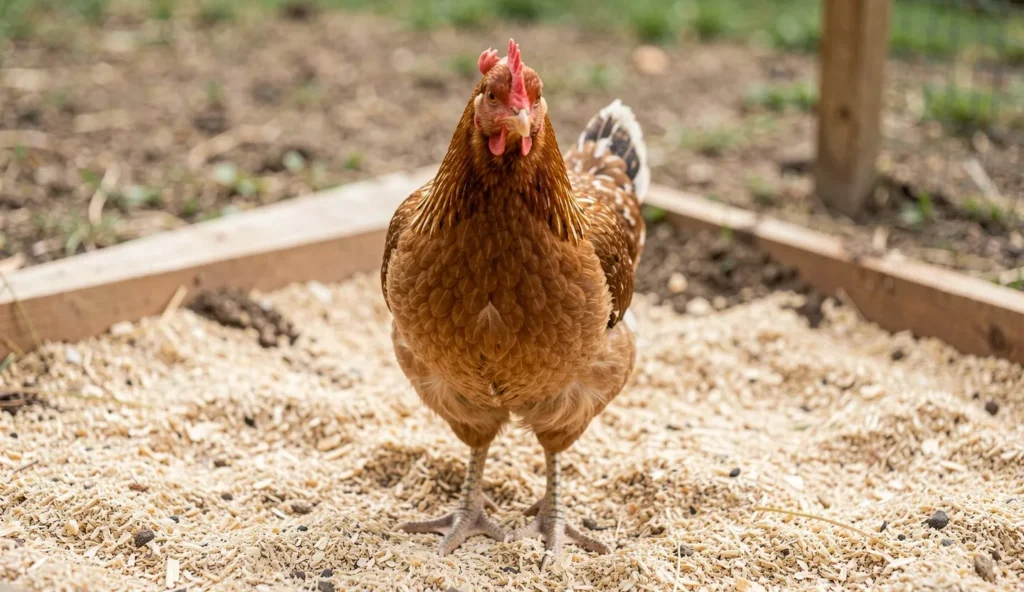
The Barbu d’Anvers bantam is a miniature Belgian bantam known for its compact size and friendly, approachable behavior. This ornamental chicken combines a refined look with daily practicality for small space chicken keepers. Many owners choose this breed because it stays small while still acting like an alert full sized chicken.
Barbu d’Anvers care often centers on keeping feathering clean and managing comfort in tight housing. That focus matters more because the bird’s facial feathering and bearded look can trap moisture if bedding stays damp. When conditions remain dry and calm, these birds usually handle routine handling well.
Origin and What Makes Them Belgian
Barbu d’Anvers originates from Belgium and was developed for ornamental value. This bird type belongs with true bantams, meaning it is bred to be small rather than shrunk from a larger chicken. As a result, Belgian bantams fit better in limited footprint coops and runs.
Unlike many miniature birds created for novelty, this breed selection emphasizes type and presentation. Show breeders often judge feather quality, body lines, and the correct bearded face look. For keepers, that same structure also affects how perches and feeders should be sized.
Why Bantam Size Helps Small Coops
Bantam size can reduce the space needed per bird, but it does not remove the need for secure housing. Even small birds require dry bedding, predictable airflow, and enough room to access water without crowding. Poor spacing can lead to stress, which then shows up as feather dullness.
Because birds stay compact, droppings management becomes more important than it might be for larger breeds. A well designed coop layout keeps bedding fresh and helps reduce ammonia buildup. That step supports respiratory health and overall coat condition.
What Friendly Personality Looks Like in Daily Care
Many keepers describe Barbu d’Anvers bantam behavior as calm and manageable during routine tasks. Regular gentle handling can strengthen trust and make health checks easier. Friendly interactions also help when integrating new birds into a flock.
Individual temperaments still vary, because genetics and early socialization matter. However, a stable setup with consistent feeding times usually reduces sudden stress reactions. When the daily routine stays predictable, these ornamental chickens often remain easier to work with.
Appearance and Physical Features
Barbu d’Anvers bantam appearance usually stands out because the bird looks neat, compact, and well presented. The body should appear refined rather than bulky, with an upright posture that shows good type. Correct facial feathering and bearded features also play a major role in how the breed reads at a glance.
For anyone judging suitability for shows, the goal stays consistent. Feathering must look clean and dense, and the body lines must remain balanced. Common issues often start with feather condition and end with overall body balance.
Key Body Shape and Size Traits
Barbu d’Anvers type should show a compact bantam form with an upright stance. The build should look tidy and proportional rather than heavy or stretched. If a bird looks out of balance, it often indicates poor feather cover, growth setbacks, or incorrect selection.
Because this is a true small chicken, the weight expectations stay lower than many standard breeds. That smaller size affects perch selection, feeder access, and the bird’s ability to reach higher roost areas. Equipment that fits a bantam reduces foot strain and supports stable movement.
Comb, Face, and Beard Characteristics
This breed includes a bearded look and distinctive facial feathering. The face and comb should sit neatly without appearing excessively ragged or uneven. When facial feathers remain properly groomed, the overall look improves quickly during show prep.
However, facial feathering can also increase maintenance needs. Moisture around the bearded area can lead to matting, which then affects how the bird appears in photos and in person. Dry bedding and gentle grooming keep that area clean.
Feathering and Common Colors
Feather texture and density affect both comfort and presentation. Dense feathering supports insulation, while clean feather surfaces reduce the chance of clumping. Color patterns can vary, but correct feather quality still remains the main judge factor.
Ornamental chickens are often kept for looks, so owners typically track feather condition over time. A bird may not change color fast, but feather quality responds to diet, cleanliness, and stress levels. That is why Barbu d’Anvers care blends show standards with daily hygiene.
Signs of Good Type Versus Common Issues
Good type usually looks like even feathering and tidy body lines. The bird should stand balanced with an overall refined silhouette. Birds that show poor feather condition, persistent feather damage, or weak balance often signal problems with breeding selection or living conditions.
For keepers, these signs also become early warning data. If feather quality declines after a change in coop moisture, it often means ventilation or bedding maintenance needs adjustment. That practical link makes observation part of both care and selection.
Temperament and Personality Around People and Other Birds
Temperament plays a major role for both small space chicken keepers and show breeders. A Barbu d’Anvers bantam often handles daily routines calmly, which supports safer handling, easier grooming, and less stress at feeding time. That steadiness also helps when birds need to be moved for shows or checks.
Friendly behavior still requires correct flock management. Even calm birds can get bullied by more assertive flockmates, and stress can show up as feather wear. Planning around compatibility helps reduce conflict.
Typical Behavior Patterns
Many owners describe Barbu d’Anvers bantam behavior as approachable and steady during handling. Routine tasks like checking feet, cleaning facial feathering, or changing bedding usually feel manageable. Over time, birds that experience gentle handling often become easier to manage.
Even so, individual personality matters. Some birds may start cautious, then relax after repeated calm interactions. That learning period typically shortens when the environment stays consistent.
How They Handle New Environments
Stress reduction usually comes from stable daily routines and a dependable setup. A stable coop layout, familiar feeding times, and predictable access to water can help birds settle. Gradual exposure also supports smoother transitions when birds move homes or join a new flock.
If sudden behavior changes appear, it often indicates temperature problems, damp bedding, or social stress. Quick adjustments to ventilation and bedding dryness can prevent those changes from lasting. Small problems can become bigger when birds sit in wet areas.
Compatibility With Flockmates
Small bantams can still face bullying from larger or more assertive birds. If a bird cannot access feeders or water without being pushed away, conflict may increase. Visual barriers and sufficient feeder space can reduce pressure during peak feeding moments.
When flock mixing happens, careful observation helps identify problems early. A bird that stays low, avoids movement, or hides more than usual may experience ongoing stress. Addressing coop dynamics early protects feather condition and overall health.
Handling Tips That Support Friendly Interactions
Gentle, consistent handling builds trust over time. Short sessions work well during routine health checks, especially for a bearded face that may need careful cleaning. Checking feet and feathering each session also catches early signs of injury.
Handling should remain calm, with stable support under the body. Avoid rough grabbing or rapid movements that can trigger panic. When handling stays predictable, Barbu d’Anvers usually returns to normal behavior quickly.
Housing Essentials for Belgian Bantams in Small Spaces
Housing requirements for Belgian bantams focus on cleanliness, ventilation, and predator security. Barbu d’Anvers bantam size helps in small footprints, yet small birds still need airflow to prevent moisture buildup. A dry coop supports feather condition and reduces respiratory risk.
Good housing also supports friendly personality. Birds that feel safe and comfortable usually settle faster, which makes grooming and show prep easier. That connection makes planning a core part of Barbu d’Anvers care.
Coop Size and Ventilation Basics
Small bantams still require ventilation to avoid ammonia and moisture buildup. If humidity stays high, bedding clumps and facial feathering can mat more quickly. Choose a coop design that allows airflow without creating direct drafts.
Droppings should not contaminate bedding repeatedly. A layout that keeps waste away from the sleeping area helps reduce odor and keeps surfaces drier. When bedding remains dry, feathering typically stays cleaner with less manual work.
Bedding, Nesting, and Perches
Use absorbent bedding and replace it on a regular schedule. Spot cleaning daily and deeper changes weekly can control odor and moisture. Because this breed includes facial feathering, keeping bedding dry near roost areas matters more than it does for smooth-faced birds.
Perches must fit bantam feet and body weight. Too high or too wide can cause foot strain, while rough surfaces can irritate toes. Proper perch height also helps birds avoid awkward jumping that can damage feathering.
Run Security and Predator Protection
Secure fencing is essential because small birds remain easy targets. Barbu d’Anvers bantam bodies can be harmed quickly by predators, so gaps must be sealed and doors must latch correctly. Overhead protection also reduces the risk from aerial hunters.
Sealing coop gaps prevents entry from rodents and small animals. A predator proof setup protects calm behavior too, since unsafe birds spend more time hiding. When birds can move freely, feeder access improves and bullying risk drops.
Space Planning Checklist
A small space plan works best when it accounts for feeding flow and hiding options. Keep feeder and water locations where birds can reach them without crowding. Multiple hiding spots encourage calmer flock behavior and help birds regroup after brief conflicts.
Dust management also matters in compact setups. Use bedding that controls moisture, and avoid letting dust build near roost areas. If dust increases, feather quality can decline even with correct diet.
- Place multiple feeders to reduce competition
- Keep water in a dry, stable location
- Add hiding spots for calmer flock dynamics
- Use dry bedding to protect feathering
- Ensure secure overhead coverage in the run
For owners comparing housing choices across bird types, reviewing a coop setup for another small ornamental bird can help. For example, owners who also raise pigeons sometimes review how different breeds use space by reading about Danish Tumbler housing needs. That kind of cross comparison can sharpen ventilation and perching decisions for bantams.
Diet and Feeding for Healthy True Bantams
Diet supports both day to day health and show presentation for true bantams. Barbu d’Anvers bantam feeding should focus on complete nutrition, steady portions, and clean water. When nutrition stays stable, feathering often maintains a better texture and shine.
Feeding should also match life stage because pullets and cockerels grow at different rates. Sudden changes can upset digestion, which can then affect appetite. That is why routine matters as much as ingredient choice.
Best Staple Feed Options
Start with a complete chicken feed designed for the correct life stage. Many owners choose starter, grower, or layer feed based on age and production status. Complete feed reduces the need for supplements when birds stay indoors only part of the time.
Bantam friendly feeder access helps reduce waste. Use a feeder that allows small beaks and heads to reach easily. Less waste usually means fewer pests and cleaner coop conditions.
Treats and Foraging Supplements
Treats should stay a small portion of total daily intake. Safe greens and small insects support natural pecking without replacing balanced nutrition. When treats become the main food, protein, minerals, and energy balance can shift.
For ornamental chickens, foraging also affects feather health indirectly. Birds that search for safe treats may stay more active, which supports leg and body conditioning. However, foraging should never remove access to complete feed.
Fresh Water and Electrolyte Considerations
Clean water should stay available and refreshed daily. Water supports digestion and appetite, especially during warm weather. If water lines get dirty, birds may reduce intake and show reduced interest in food.
Electrolytes and additives should remain limited unless a veterinarian recommends them. Overuse can create unwanted changes in intake patterns. Stable hydration usually does more for health than frequent additive use.
Feeding Routine for Show Prep
Feeding for show prep aims to keep body weight consistent and feather condition stable. A steady diet reduces digestive stress, which often helps birds stay more comfortable before handling. Avoid sudden diet changes close to a show date.
Instead, maintain the baseline routine and adjust only when a clear reason exists. If weight must change, it should be managed slowly through portion control rather than recipe swaps. That approach protects both health and show readiness.
Some keepers expand their knowledge of feeding strategies by comparing other ornamental birds. If duck care overlaps with flock routines, reading about Call Duck feeding patterns can offer practical ideas for portioning and water cleanliness. Those concepts often translate well to bantam management even across species.
Grooming Care Tips for Feather Quality
Grooming supports Barbu d’Anvers bantam appearance by keeping bearded facial feathering clean and dry. Feather quality affects how the bird reads for show type, and it also impacts comfort during daily living. With compact birds, grooming often needs to be gentle and consistent.
Grooming should also protect friendly interactions. When handling becomes a routine, birds often relax instead of resisting. That calm behavior can reduce accidental feather breakage.
Regular Health Checks During Grooming
Regular checks help identify issues before they worsen. Inspect feet, legs, and toes for swelling or injury, especially after perch adjustments. Facial feathering should also be checked for matting around the beard area.
When grooming reveals early irritation, treatment can be targeted. Mites, small scabs, or dampness can be addressed quickly with correct steps. That early action supports both comfort and show readiness.
Bathing, Dust Control, and Cleanliness
Controlled dust bathing areas help support natural feather maintenance. Birds typically dust bathe when given a safe, dry space, and that behavior helps remove loose debris. Bedding moisture control matters because dampness can worsen clumping in bearded feathering.
If coop bedding stays wet, feather damage can follow. Keeping surfaces dry reduces cleaning workload and improves how the bird looks in photos. It also supports respiratory comfort by lowering ammonia buildup.
Feather Management for Ornamental Chickens
Feathering should stay clean and dry to support overall condition. Handle gently to avoid breaking delicate feathers around the face and beard. If a feather becomes dirty, careful cleaning often works better than heavy washing.
Ornamental chickens often show the effects of grooming quickly. When feather surfaces remain clean, the bird’s natural shape appears sharper. Consistent cleanliness also reduces itchiness that can lead to excessive preening.
Show Handling Practices That Reduce Stress
Before show day, plan calm, short handling sessions to build familiarity. Transport should use a secure, well ventilated carrier to reduce panic. Less stress usually means less feather damage from frantic movement.
During travel, quick access to water may matter depending on duration and weather. Birds also benefit from stable packing that prevents sliding inside the carrier. After arrival, a short quiet rest period often helps the bird regain normal behavior.
Grooming routines sometimes improve after owners compare how other poultry types handle feather care. For keepers who also raise rabbits, reviewing Netherland Dwarf Rabbit daily coat and cleanliness practices can reinforce ideas about gentle inspection. Even though the species differ, the core concept of routine checks carries across pets.
Common Health Issues and When to Get Help
Common health issues in ornamental chickens often start with environment and stress. For Barbu d’Anvers bantam care, the most preventable problems include parasites, moisture related respiratory concerns, and foot issues from improper perches. Early detection makes treatment easier and reduces downtime.
Daily monitoring supports quick responses. When appetite, posture, and droppings change, the cause can be investigated without delay. A small bird can worsen faster than expected when illness takes hold.
Parasites and External Pests
Check regularly for mites and lice, especially around feathered facial areas. Facial feathering can hide early signs, so close inspection matters during grooming. Treat promptly once symptoms appear, and follow dosage guidance carefully.
Preventive care also includes coop cleanliness. Regular bedding changes reduce parasite hiding spots and lower reinfestation risk. When birds live in dry conditions, parasites often spread less easily.
Respiratory and Moisture Related Problems
Poor ventilation and wet bedding increase respiratory risk. Moisture affects both air quality and feather condition, which can then lower overall resilience. A coop that stays dry supports calmer breathing and better day to day activity.
If breathing sounds change, contact a veterinarian promptly. Avoid waiting for symptoms to disappear on their own. Early help helps protect true bantams that may show fewer obvious signs until illness advances.
Foot, Leg, and Mobility Concerns
Bantams can develop foot issues if perches do not match their size or footing needs. Watch for limping, uneven footing, or reluctance to move. These signs can connect to perch height, surface texture, or bedding slickness.
Foot care begins with correct perch design and consistent bedding traction. If birds slip often, stress rises and injuries become more likely. A perch adjustment can help quickly, but persistent signs still need medical advice.
Signs of Illness to Monitor Daily
Daily monitoring should include appetite, posture, and droppings consistency. Look for reduced activity, ruffled feathers that last, or changes in normal drinking. If weakness appears, do not wait.
Seek veterinary help if weight loss occurs, breathing problems persist, or the bird seems unable to stand normally. Better results often follow prompt treatment. Stable routines also support recovery by reducing stress during care.
Some owners compare preventive care routines with other animals when building a health tracking habit. For example, reading about rabbit wellbeing in Flemish Giant Rabbit care can reinforce how daily observation supports early intervention. That same monitoring mindset helps poultry keepers catch issues earlier.
Breeding Basics for Barbu d’Anvers Bantams
Breeding Barbu d’Anvers bantams requires planning, careful pair selection, and consistent chick rearing. For show breeders, selection focuses on type, feather quality, and correct body lines. For keepers, breeding also aims for healthy, stable chicks that grow evenly.
Success often depends on tracking parents, managing incubation timelines, and keeping chicks safe from dampness. Because ornamental chickens rely on feather development, cleanliness becomes a key breeding tool.
Choosing Breeding Pairs for Show Type
Select birds with correct overall type and clean feather quality. Avoid pairing birds with major defects or persistent health issues. If the goal includes Belgian bantams show standards, feather density and even body lines matter greatly.
Pair selection should also consider temperament. Calm birds typically handle breeding routines with less stress, which can help maintain better feeding and care. Friendly personality often supports easier daily management for eggs and chicks.
Mating, Egg Collection, and Incubation Timing
Use a controlled pairing setup so parents and outcomes remain easy to track. That record keeping helps identify which pair produces the best type and feathering. Collect eggs frequently and keep them clean before storage or incubation.
Egg storage should protect eggs from temperature swings and excess moisture. When incubation starts, monitor humidity and turning routines based on the incubator manual. Consistency supports healthy development and predictable hatching outcomes.
Raising Chicks and Preventing Common Losses
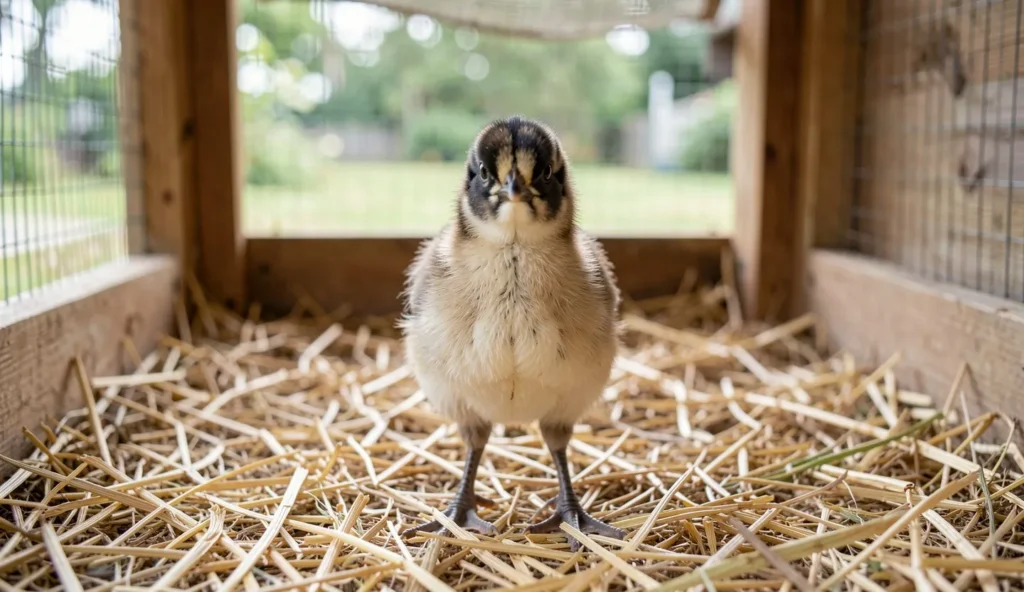
Raising chicks needs stable warmth, clean bedding, and safe chick feeders. Chicks should have easy access to water without getting soaked. During the first weeks, monitor drinking and growth closely.
Damp bedding increases health risks quickly in young birds. Keep the brooder dry and remove wet litter fast. That step supports respiratory comfort and helps chicks grow with consistent feather development.
Caring for Feather Development in Young Birds
Feather development responds to proper diet and cleanliness. Provide appropriate feed for chick and grower stages, and avoid feeding changes that can disrupt growth. Minimize stress and overcrowding since young birds can peck and injure each other.
Show breeders usually watch feathering progression closely and make notes on each bird’s development. Correct timing and clean conditions often lead to better feather quality at maturity. That link between early care and final type drives breeding decisions.
Breeders who keep more than one ornamental flock may also find value in comparing incubator routines across species. For example, duck keepers often plan hatch timing around weather by reading antigua duck management patterns. While species differ, incubator planning and environmental control share common principles.
Starter Checklist for New Owners and Show Breeders
A good Barbu d’Anvers bantam starter setup supports daily care consistency. The aim is simple: keep housing dry, feed complete nutrition, and maintain gentle handling habits. Once routines stay steady, birds typically show better feather condition and calmer behavior.
For show breeders, consistent care also creates clearer results from selection. When the environment stays reliable, differences in type become easier to see. That makes grooming, feeding, and health monitoring more meaningful.
Daily and Weekly Care Setup
Daily care should include water checks and quick bedding spot cleaning. Weekly tasks should include general health checks and parasite inspection. Consistent routine reduces sudden problems and keeps feathering in better condition.
- Check water daily for cleanliness
- Spot clean bedding to keep surfaces dry
- Inspect feet and toes weekly
- Check facial beard for matting
- Look for mites during grooming sessions
Housing and Equipment Checklist
Housing should include ventilation without strong drafts. Bedding must follow a dry plan, and perches must match bantam footing size. Predator security should include sealed gaps and overhead protection in the run.
- Ventilated coop with controlled airflow
- Dry bedding plan with regular changes
- Bantam sized perches with smooth footing
- Feeders positioned to prevent crowding
- Predator proof run with overhead cover
Feeding and Grooming Checklist
Feeding needs a complete diet for the correct life stage. Treats should remain small and safe, with greens and foraged items added carefully. Grooming routines should focus on cleanliness, gentle handling, and early health detection.
- Complete feed for correct life stage
- Limit treats to small daily portions
- Use safe greens and small insects
- Dust bathing area should stay dry
- Groom facial feathering carefully
New breeders sometimes benefit from comparing show and care preparation across other ornamental breeds. If other poultry species are part of a multi flock plan, reviewing Welsh Harlequin Duck care can help reinforce how cleanliness supports feather quality. Those general ideas often align with bantam grooming priorities.
A Practical Next Step for Keeping Them Healthy
A steady routine keeps Barbu d’Anvers bantam wellbeing predictable. Focus on daily observation, dry housing, correct feed by life stage, and calm handling. Early changes, especially in appetite or feather condition, should be addressed before they spread into larger health issues.
Frequently Asked Questions
How Big Do Barbu d’Anvers Bantams Get?
They stay small in the true bantam range, with hens and roosters reaching bantam sized body weight rather than mini standard chicken size.
Are Barbu d’Anvers Bantams Friendly With People?
They are often calm and approachable when handled gently and consistently during routine care.
What Is the Best Coop Setup for Barbu d’Anvers Care?
A dry, well ventilated coop with bantam sized perches, clean bedding, and strong predator protection supports healthy birds.
What Do True Bantams Like Belgian Bantams Eat Every Day?
They do best on complete feed by life stage with limited treats and clean fresh water available daily.
How Often Should Parasites Be Checked in Ornamental Chickens?
Parasites should be checked regularly during grooming and at least weekly, with prompt treatment when signs appear.
Are Barbu d’Anvers Bantams Good for Show Breeding?
They can be strong show breeders when pairs match correct type and feather quality with careful selection and steady, clean rearing.
Keep The Basics Consistent For Long Term Success
Reliable Barbu d’Anvers care depends on small details like dry bedding, correct perch sizing, and careful grooming. When those basics stay consistent, the miniature Belgian beauty typically thrives in both home flocks and show programs.