
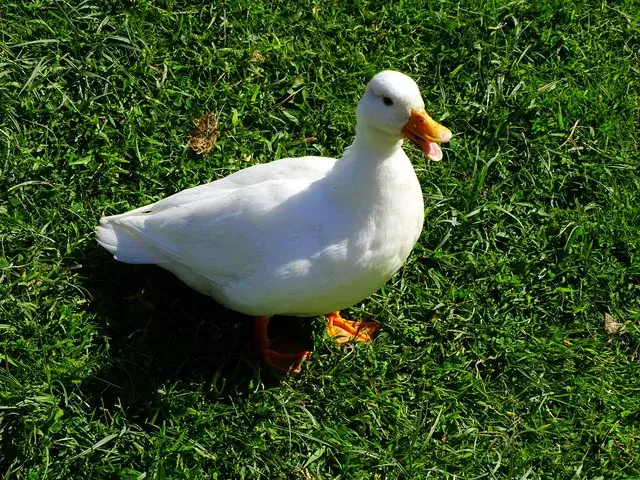
Call Duck – The Adorable, Chatty Star of Backyard Flocks
Introduction to the Call Duck
With a voice far bigger than its tiny body, the Call Duck is one of the most charismatic and visually striking miniature duck breeds you can add to a backyard flock. Originally bred as living decoys for hunters, these pint-sized ducks have transformed into beloved pets and show birds prized for their compact size, cheerful faces, and remarkable vocal abilities. Whether you are a first-time duck owner or an experienced poultry enthusiast, the Call Duck brings endless personality and charm to any setting.
Origin and History
The Call Duck may be tiny, but it has a fascinating history that dates back centuries. It is believed that this breed originated in the Netherlands and was used as a decoy duck to lure wild ducks into traps.
Highlights of their background:
- Originated in the Netherlands
- Originally used as decoy ducks by hunters
- Introduced to England in the 1800s and quickly gained popularity
- Became a favorite show breed due to their size and cuteness
Scientific Classification
- Scientific Name: Anas platyrhynchos domesticus
- Common Name: Call Duck
- Origin: Netherlands
- Primary Use: Ornamental, Pets, Shows
Appearance and Unique Traits
Call Ducks may be small, but they make a big impression with their compact, round bodies and cheerful faces.
Physical traits:
- Tiny size – one of the smallest domestic duck breeds
- Weight: 1.5 – 2.5 pounds (700–1100g)
- High-pitched, loud quack (especially females)
- Available in many colors: white, gray, black, silver, pastel, blue fawn, and more
- Bright eyes and a short, rounded bill
Egg Production
Although not known for high egg production, Call Ducks do lay a modest number of small, creamy-white eggs. For those seeking a more productive layer, consider a breed like the Khaki Campbell, which is renowned for its exceptional egg-laying abilities.
- 50–100 eggs per year
- Eggs are small but tasty
- Some hens are broody and will hatch their eggs
Personality and Behavior
Call Ducks are outgoing, playful, and full of energy. They love interacting with people and other animals, making them wonderful pets. However, their voice is what truly defines them!
- Friendly and curious
- Extremely vocal (especially females)
- Great with children and families
- Ideal for small yards but not recommended for noise-sensitive areas
Foraging and Free-Ranging
These ducks enjoy exploring and foraging, although their small size means they do not need as much space as larger breeds. Their upright foraging style is reminiscent of the Indian Runner Duck, another breed known for its active and efficient foraging habits.
- Will hunt bugs, slugs, and small weeds
- Supervised free-ranging is recommended to protect them from predators
- Stay close to home, rarely wander far
Housing and Care
Because of their size, Call Ducks need extra protection and care, especially from predators like cats, hawks, and raccoons.
- Secure, dry, and well-ventilated duck house
- Use dry bedding such as straw or pine shavings
- Predator-proof fencing with small mesh wire
- Access to a shallow kiddie pool or tub for bathing
Feeding Needs
Ducks need proper nutrition to support their tiny bodies and vibrant personalities.
- Starter crumble for ducklings, then switch to layer pellets
- Supplement with greens, peas, oats, and insects
- Ensure feed is unmedicated and fresh
- Always provide clean water with their meals
Breeding and Ducklings
Call Ducks are often bred for ornamental purposes or competitions. They also make great mothers.
- Very broody hens — known to sit and raise ducklings
- Incubation period: around 26–28 days
- Ducklings are miniature and extra cute
- Careful monitoring is needed during hatching due to the small size
Call Duck vs Other Ducks
| Feature | Call Duck | Pekin Duck | Cayuga Duck |
|---|---|---|---|
| Size | Very small | Large | Medium |
| Egg Production | Low | Moderate | Moderate |
| Voice | Very loud | Moderate | Quiet |
| Personality | Playful & Social | Calm & Friendly | Calm & Quiet |
| Use | Ornamental/Pet | Meat/Eggs | Eggs/Ornamental |
Fun Facts About Call Ducks
- Originally used by hunters to “call” wild ducks into traps
- Their quacks are often louder than full-size ducks
- Popular in poultry shows due to their attractive appearance
- Available in over 20 recognized colors and patterns
Pros and Cons of Raising Call Ducks
Pros:
- Incredibly cute and photogenic
- Great pets for children and small spaces
- Friendly, interactive, and fun to watch
- Come in a variety of colors and patterns
Cons:
- Loud quacking, especially from females
- Require extra protection from predators
- Egg production is lower than standard breeds
Who Should Raise Call Ducks?
Call Ducks are ideal for:
- Families looking for fun, small pets
- Urban dwellers with secure, quiet-friendly environments
- Poultry hobbyists who love shows and exhibitions
- Beginners who want easy, friendly ducks
Frequently Asked Questions
Q1: Are Call Ducks good for egg production?
A: Not really. They lay fewer eggs compared to larger breeds, but their eggs are delicious!
Q2: Can Call Ducks live indoors?
A: While they are small, they are still ducks and do best outdoors with access to water and dirt. However, some people raise them indoors short-term as pets.
Q3: Are Call Ducks noisy?
A: Yes! Especially females — they have high-pitched, loud quacks, so they are not ideal for noise-restricted areas.
Q4: How long do Call Ducks live?
A: With proper care, they can live 7 to 10 years or more.
Q5: Do they need a pond?
A: No pond required! A small tub or kiddie pool works perfectly.
Final Thoughts – The Tiny, Talkative Duck with a Big Personality
If you are searching for a duck breed that delivers fun, friendliness, and flair in a tiny package, the Call Duck checks every box. Whether you are building a backyard flock or participating in poultry shows, these little ducks will steal the spotlight — and your heart. For those interested in other visually striking breeds, the Magpie Duck offers a similarly stylish appearance with a productive egg-laying profile. And if you appreciate calm, quiet companionship, the Cayuga Duck is another excellent choice for a serene backyard flock.