
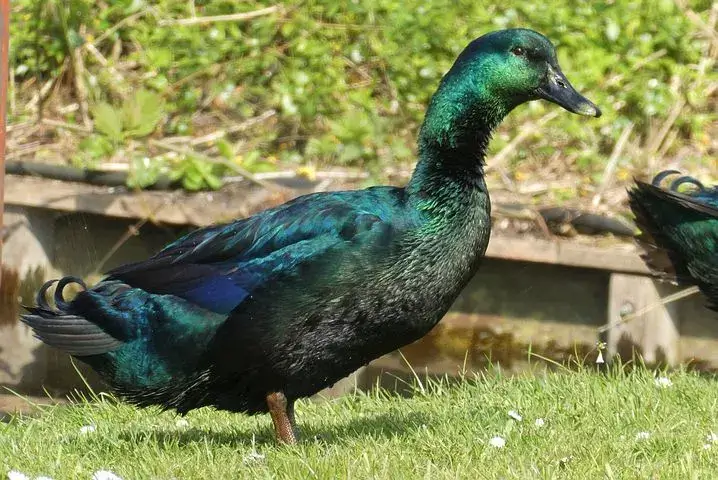
Cayuga Duck – The Beautiful Black Gem of Backyard Poultry
Introduction to the Cayuga Duck
If you are searching for a duck breed that combines stunning dark plumage with a calm, quiet temperament, the Cayuga Duck deserves a top spot on your list. With its glossy black feathers that shimmer with green in the sunlight, this breed is not just a beauty—it is also a quiet, hardy, and productive companion for homesteaders and backyard keepers alike. Unlike many other waterfowl, the Cayuga is known for its docile nature and excellent foraging skills, making it a practical choice for those raising ducks on pasture or in suburban settings.
Origin and Background
The Cayuga Duck has a rich American heritage. It originated in the 1800s in the Finger Lakes region of New York, specifically near Lake Cayuga. Its ancestry is believed to include wild black ducks, giving it both elegance and endurance. This breed was developed from long-standing local stock and quickly gained popularity for its unique color and reliable egg production.
Key historical highlights:
- Developed in the United States
- Named after Lake Cayuga in New York
- Recognized by the American Poultry Association in 1874
Scientific Classification
- Scientific Name: Anas platyrhynchos domesticus
- Common Name: Cayuga Duck
- Origin: United States (New York)
- Primary Use: Eggs, Meat, Ornamental
Appearance and Unique Features
What makes the Cayuga truly stand out is its mesmerizing black plumage with green iridescence. This dark feather color is rare among domestic ducks and gives the breed an almost regal appearance.
Features include:
- Jet-black feathers with emerald green sheen in sunlight
- Compact, medium-sized body
- Weight: 6–8 pounds
- Intelligent and alert expression
- Feather color may lighten to gray/white with age
Egg Laying Abilities
The Cayuga is a reliable layer, even if not as prolific as breeds like the Khaki Campbell or Welsh Harlequin duck. However, what it lacks in quantity it makes up for in novelty—the eggs are a striking dark color at the start of the laying season.
Egg production details:
- 100–150 eggs per year
- Eggs start black or dark gray early in the season
- Eggshells may fade to lighter gray, blue, or white as the season progresses
- Eggs are medium to large and rich in flavor
Temperament and Behavior
Cayugas are known for their calm, friendly nature. They are among the quietest duck breeds, which makes them ideal for urban and suburban settings where noise restrictions may apply.
- Quiet and peaceful — excellent for urban settings
- Tolerant of humans and other animals
- Not aggressive or skittish
- Great around children and beginners
They tend to stick close to home and rarely wander off, making them easier to manage than some more flighty breeds like the Indian Runner duck.
Foraging and Free-Ranging
These ducks are excellent foragers and adapt well to various environments. Their dark plumage provides natural camouflage, so keep an eye on them in tall grass or low-light conditions.
- Eat insects, slugs, and weeds
- Thrive on pasture or free-range land
- Enjoy access to water, but do not require a pond
- Naturally clean the garden and reduce pests
Housing Requirements
While low-maintenance, Cayugas still need basic duck accommodations. Because their dark feathers make them harder to spot at dusk, ensure their housing is well-lit and easy to access.
- Dry, secure duck house with good airflow
- Clean bedding like straw or wood shavings
- Predator-proof fencing for safety
- Access to a small pool or tub for bathing
Feeding and Nutrition
Cayugas require a balanced diet to maintain their health and productivity. A proper feeding routine supports both egg production and feather quality.
- Layer feed or duck pellets
- Supplement with leafy greens, grains, and fruits
- Free-ranging for natural protein from bugs
- Avoid feeding moldy, salty, or spoiled foods
Breeding and Ducklings
Cayugas are great for small-scale breeding. Their moderate broodiness makes them reliable mothers for those looking to expand their flock naturally.
- Some females go broody and make excellent mothers
- Ducklings hatch after about 28 days
- Ducklings are born with black down feathers
- They can be raised naturally or in incubators
Cayuga Duck Compared to Other Breeds
| Feature | Cayuga Duck | Pekin Duck | Khaki Campbell |
|---|---|---|---|
| Egg Production | 100–150/year | 150–200/year | 300+/year |
| Personality | Calm and quiet | Friendly and loud | Active and shy |
| Foraging Ability | Excellent | Moderate | Excellent |
| Color | Black with green | White | Brown |
| Broodiness | Moderate | Rare | Rare |
Fun Facts About Cayuga Ducks
- Named after the indigenous Cayuga people and Lake Cayuga
- Their feathers change color with age
- Their eggs can be pitch black at the start of the laying season
- One of the quietest duck breeds — ideal for cities
Pros and Cons of Raising Cayuga Ducks
Pros:
- Beautiful, unique feather color
- Quiet and easy to manage
- Hardy in cold climates
- Friendly and great with kids
- Excellent foragers and pest control
Cons:
- Egg production is lower than some other breeds
- Can be mistaken for wild ducks due to dark color
- Harder to spot at night or in tall grass
Ideal Owners for Cayuga Ducks
Cayuga ducks are perfect for:
- Urban dwellers wanting quiet, beautiful ducks
- Homesteaders seeking a heritage breed
- Poultry keepers who enjoy ornamental birds
- Families who want beginner-friendly ducks
Frequently Asked Questions
Q1: Can Cayuga ducks fly?
A: Not really. They are too heavy for sustained flight and usually stay close to home.
Q2: Are Cayuga ducks cold-hardy?
A: Yes! They thrive in colder climates and have thick feathers for insulation.
Q3: How quiet are they?
A: Very quiet! Cayugas are among the calmest and least vocal ducks, ideal for urban areas.
Q4: Do their eggs always stay black?
A: No. Eggs tend to start dark at the beginning of the season and gradually become lighter.
Q5: Can Cayugas live with chickens?
A: Yes, if introduced properly. Just ensure ducks have access to water and space to waddle freely. For another breed that coexists well with chickens, consider the Muscovy duck, which is also quiet and adaptable.
Final Thoughts – A Rare Beauty With Practical Charm
The Cayuga Duck offers the perfect mix of mystery, charm, and utility. With their dazzling plumage, easy-going nature, and reliable egg laying, these ducks are an excellent addition to any flock. Whether you are an experienced farmer or a backyard beginner, the Cayuga is sure to impress and inspire. For those interested in other visually striking breeds with unique patterns, the Magpie duck is another excellent option worth exploring.