
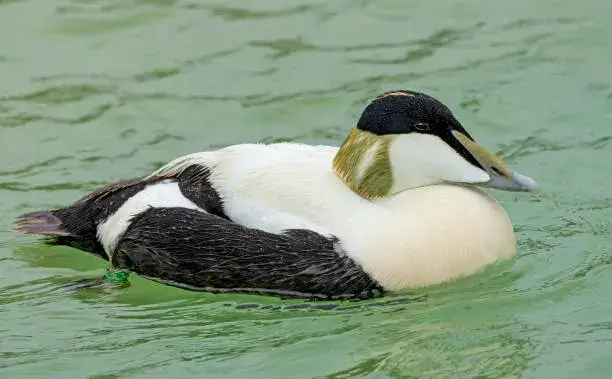
Magpie Duck – A Stylish and Productive Duck Breed for Every Flock
Introduction to the Magpie Duck
With its striking black-and-white plumage reminiscent of the bird it is named after, the Magpie Duck is one of the most visually distinctive and practical breeds for backyard flocks. Originating in the early 1900s, this breed was developed to combine elegant looks with dependable egg production, making it a favorite among homesteaders and poultry enthusiasts alike. Whether you are new to ducks or adding to an existing flock, the Magpie offers beauty, practicality, and a peaceful presence.
History and Background
The Magpie Duck originated in the early 1900s in Wales and England. Its creators, Oliver Drake and M.C. Gower-Williams, aimed to develop a productive duck that looked as elegant as it was useful.
- Origin: United Kingdom (1920s)
- Purpose: Primarily for egg production
- Name inspired by the bird magpie due to its black-and-white coloring
Today, the Magpie is recognized for its gentle nature, sharp looks, and strong productivity. It remains a relatively rare breed, making it a special addition for those who appreciate heritage poultry.
Scientific Classification
- Scientific Name: Anas platyrhynchos domesticus
- Common Name: Magpie Duck
- Breed Type: Light utility breed
- Primary Use: Eggs, ornamental
Appearance and Distinctive Features
The Magpie Duck’s appearance is as memorable as its name. It has a stylish pattern that resembles the black-and-white plumage of a magpie bird.
- Weight: 4.5–6 pounds (lightweight and manageable)
- Head and tail typically black, body mostly white
- Sleek build with upright posture
- Clean and tidy appearance with soft feather texture
Color variations may include blue and dun, though black and white is the most recognized. For another breed with unique dark coloring, consider the Cayuga Duck, which boasts iridescent black feathers.
Egg-Laying Abilities
One of the Magpie Duck’s biggest advantages is its dependable egg production.
- Lays around 220–290 eggs per year
- Egg color: Typically white or pale blue
- Steady layers even in less-than-ideal weather
Their eggs are ideal for both household use and small local markets. For comparison, the Welsh Harlequin Duck is another excellent layer with a similarly calm temperament.
Temperament and Behavior
Magpie Ducks are well-suited for flocks of all sizes and owners of all experience levels.
- Friendly, calm, and gentle
- Great for homes with children or educational settings
- Socialize with other ducks and even chickens
- Generally quiet, making them suburban-friendly
They are easy to bond with and enjoy exploring their surroundings. Their docile nature makes them one of the best calm duck breeds for beginners.
Foraging and Free-Ranging
Magpies thrive in free-range environments and love to forage for insects and greens.
- Help control garden pests naturally
- Reduce feed costs with natural foraging habits
- Tend to stay close to home and are easy to herd
With a secure yard or space to roam, they contribute positively to any backyard ecosystem.
Housing and Daily Care
Magpie Ducks are hardy and adapt well to various climates when provided with proper shelter.
- Dry, clean duck house with proper ventilation
- Soft bedding like straw or wood shavings
- Fresh water for drinking and cleaning (they love to dabble)
- Predator-proof fencing for safety, especially at night
They don’t require much to be happy — just consistency and a safe environment.
Feeding and Nutrition
Proper nutrition keeps Magpies healthy, active, and productive.
- Quality layer pellets or duck feed
- Fresh greens and vegetables as treats
- Occasional insects or mealworms for extra protein
- Ensure constant access to clean water
Avoid feeding moldy or processed food, and always provide grit if they are not free-ranging.
Breeding and Raising Ducklings
Magpie Ducks can be bred successfully by those interested in expanding their flock.
- Hens may go broody, but not as commonly
- Ducklings are strong and easy to raise
- Ideal for selective breeding programs due to their unique markings
They are a good choice for anyone looking to hatch ducklings naturally or via incubator.
Comparison with Similar Breeds
| Feature | Magpie Duck | Khaki Campbell | Indian Runner |
|---|---|---|---|
| Egg Production | 220–290/year | 250–300/year | 300–320/year |
| Temperament | Calm, friendly | Energetic | Shy, alert |
| Appearance | Black and white | Brown/tan | Tall, slim |
| Size | Light | Medium | Light |
| Foraging Skills | Excellent | Excellent | Good |
For another breed with exceptional foraging instincts, the Indian Runner Duck is known for its upright posture and active hunting of pests.
Pros and Considerations
Why Choose Magpie Ducks:
- Reliable egg layers
- Attractive and unique appearance
- Friendly and peaceful nature
- Great for small spaces and urban areas
Keep in Mind:
- Not as common as other breeds — may require special sourcing
- Color pattern may vary in ducklings if not selectively bred
Who Will Enjoy Raising Magpie Ducks?
This breed is a wonderful match for:
- Backyard poultry enthusiasts
- Families or educators looking for a docile breed
- Hobby breeders who enjoy distinct markings
- Anyone seeking a calm, low-maintenance duck
Frequently Asked Questions
Q1: Do Magpie Ducks fly?
A: Not really. They are considered flightless and are easy to contain with low fencing.
Q2: Are they good for beginners?
A: Yes! Their calm nature and low care requirements make them ideal for new keepers.
Q3: How long do Magpie Ducks live?
A: With proper care, they can live 8–10 years or more.
Q4: Can I keep Magpie Ducks with chickens?
A: Yes, they generally get along well, especially with enough space and separate water areas.
Q5: Are they noisy?
A: They are relatively quiet, especially compared to some other duck breeds — great for peaceful settings.
Final Thoughts – A Friendly Duck with Classic Charm
The Magpie Duck brings together beauty, productivity, and a calm demeanor, making it a fantastic choice for a wide range of duck lovers. Whether you are focused on fresh eggs, looking to enhance your flock’s appearance, or simply want a gentle companion in the garden, this breed delivers with elegance and ease. For those interested in other dual-purpose breeds, the Silver Appleyard Duck offers a similar combination of hardiness and visual appeal.