Bengal Tiger – The Majestic Icon of the Wild
Introduction to the Bengal Tiger
The Bengal Tiger is one of the most iconic and powerful big cats on Earth, commanding respect as the national animal of India and a keystone species across the Indian subcontinent. Native to India, Bangladesh, Nepal, Bhutan, and Myanmar, this stunning predator is known for its strength, beauty, and significant role in maintaining the balance of ecosystems. As a subspecies of the Panthera tigris, the Bengal Tiger is a symbol of courage, wildlife conservation, and natural heritage.
Loved by wildlife enthusiasts and respected across cultures, the Bengal Tiger continues to captivate the imagination of people around the world. While it shares the tiger family with other remarkable subspecies like the Siberian tiger and the Sumatran tiger, the Bengal tiger holds a unique place in both ecology and culture.
Scientific Classification
- Scientific Name: Panthera tigris tigris
- Common Name: Bengal Tiger
- Family: Felidae
- Conservation Status: Endangered (IUCN Red List)
- Native Range: India, Bangladesh, Nepal, Bhutan, and Myanmar
Appearance and Physical Features
The Bengal Tiger is admired for its regal appearance and striking features:
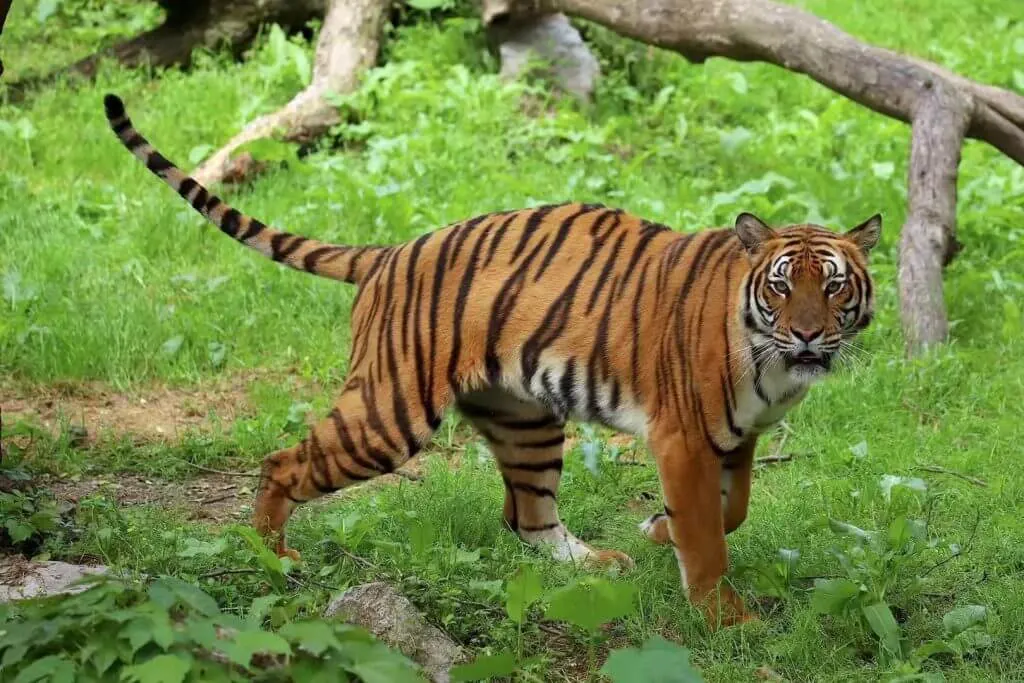
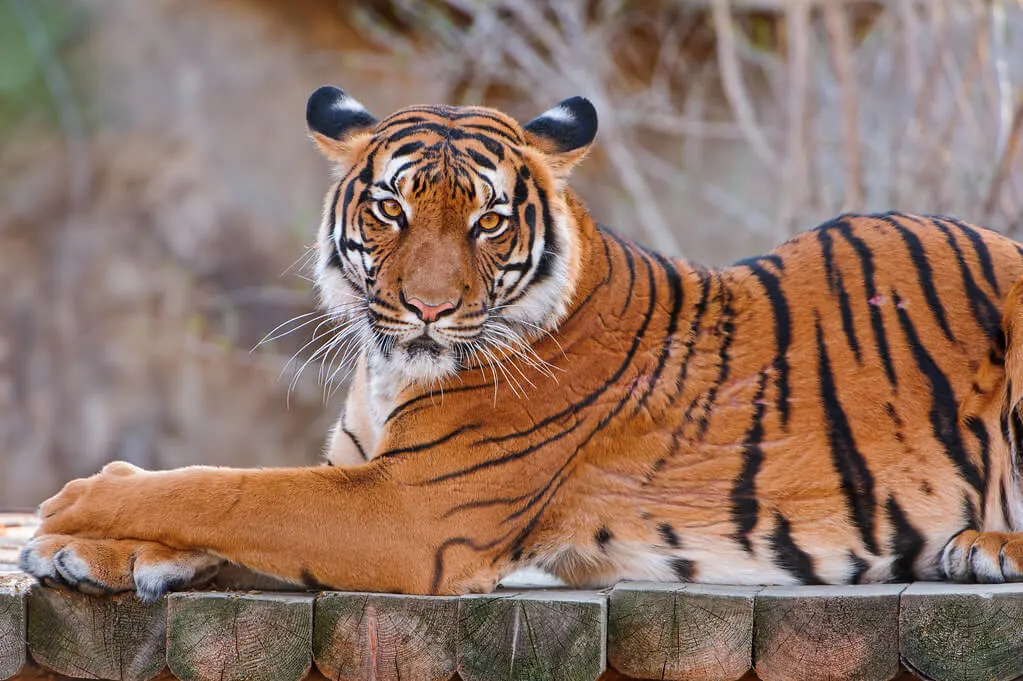
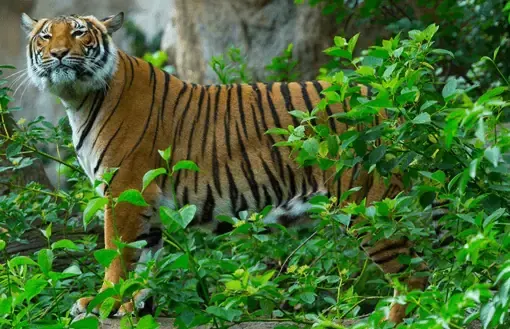
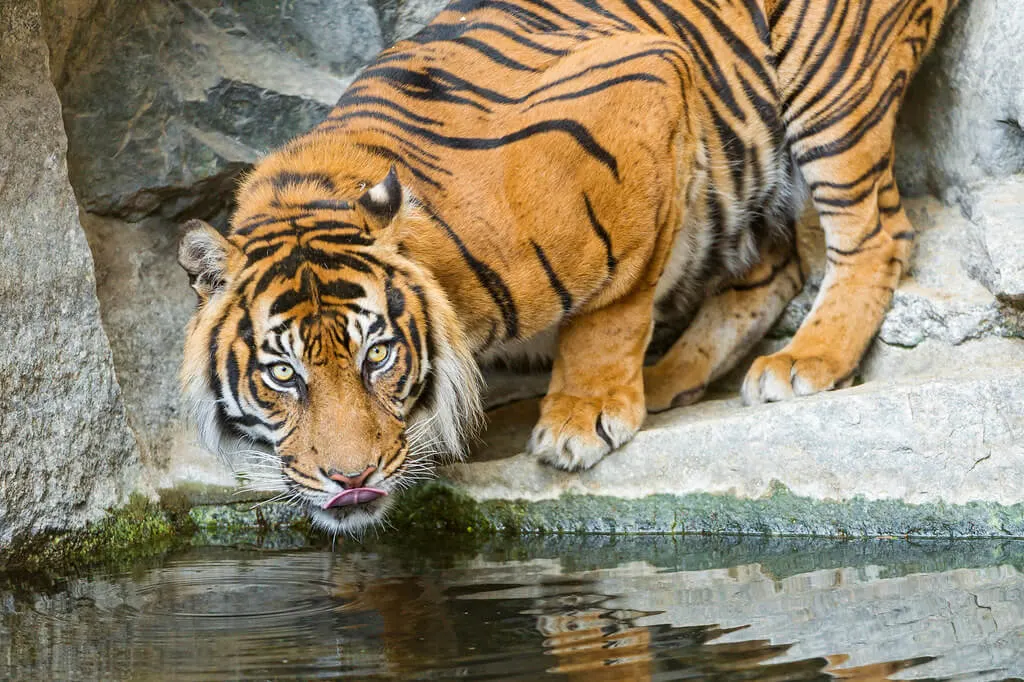
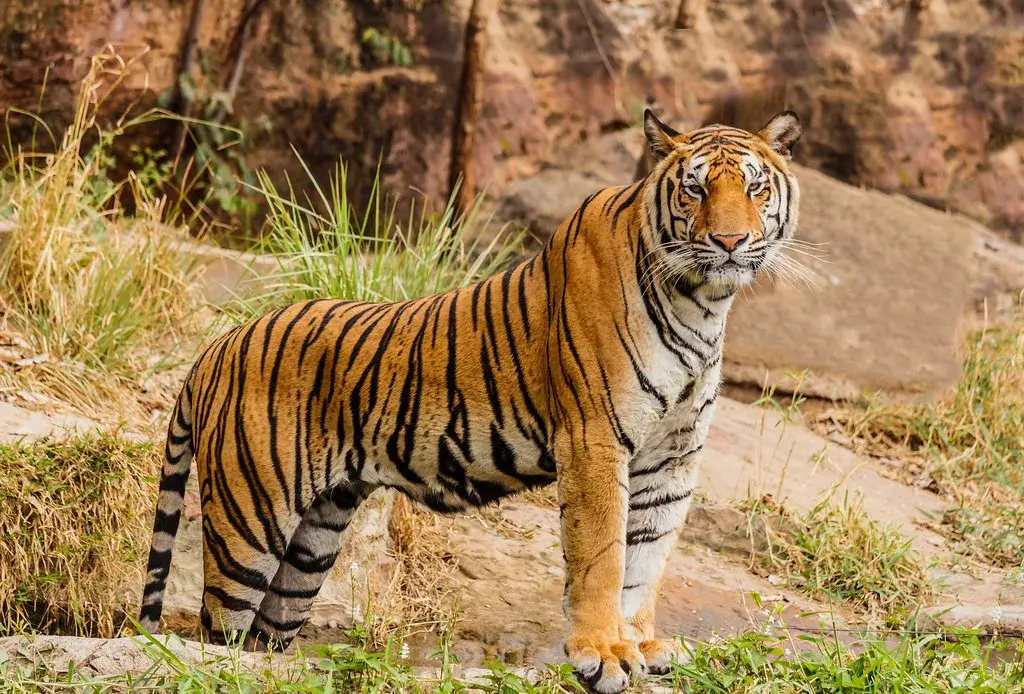
- Bold orange coat with dark black stripes and a white underbelly
- Piercing yellow or amber eyes
- Length: 2.7 to 3.1 meters (including tail)
- Weight: Males weigh 180–260 kg; females 100–160 kg
- Padded paws with retractable claws for silent stalking
Habitat and Natural Range
Bengal Tigers thrive in a variety of environments:
- Found in tropical rainforests, grasslands, mangroves, and dry forests
- Especially associated with the Sundarbans — the world’s largest mangrove forest
- Widely distributed across India and found in parts of Bangladesh, Nepal, and Bhutan
Diet and Hunting Behavior
Bengal Tigers are skilled carnivores:
- Prey includes deer, wild boar, buffalo, and smaller mammals
- Use stealth and strength to ambush prey, often hunting alone at night
- Excellent swimmers — can pursue prey through water if needed
Personality and Behavior Traits
These tigers are both majestic and solitary:
- Prefer to live and hunt alone, except during mating season or when raising cubs
- Communicate through vocalizations like roars, growls, and chuffing sounds
- Mark territory with scent markings and scratch marks on trees
Reproduction and Lifespan
The life cycle of a Bengal Tiger is fascinating:
- Mating can occur year-round, with peaks in cooler months
- A female gives birth to 2–4 cubs after a 3.5-month gestation
- Cubs stay with their mother for up to two years before becoming independent
- Lifespan in the wild: 10–15 years; in captivity: up to 20 years
Threats and Conservation Challenges
Despite protection efforts, Bengal Tigers face serious risks:
- Habitat loss due to deforestation, mining, and human encroachment
- Poaching for fur, bones, and illegal wildlife trade
- Human-wildlife conflict in areas where tigers live near villages
- Climate change, especially affecting mangrove habitats like the Sundarbans
Conservation Efforts and Global Initiatives
Many organizations are working to protect Bengal Tigers:
- Project Tiger (India) was established in 1973 to conserve tiger populations
- International cooperation through the Global Tiger Forum (GTF)
- Camera trapping, tracking collars, and DNA analysis for population monitoring
- Community engagement and eco-tourism promote coexistence
Bengal Tiger vs. Other Tiger Subspecies
| Feature | Bengal Tiger | Siberian Tiger | Sumatran Tiger |
|---|---|---|---|
| Location | India, Bangladesh, Nepal | Russia (Far East) | Sumatra (Indonesia) |
| Size | Medium to large | Largest of all tigers | Smallest of all tigers |
| Coat | Orange with dark stripes | Pale orange with fewer stripes | Dark orange with thick stripes |
| Conservation Status | Endangered | Endangered | Critically Endangered |
For a closer look at other tiger subspecies, you can explore the Malayan tiger and the Indochinese tiger, each with unique traits and conservation stories.
Fascinating Facts About Bengal Tigers
- Can smell prey from over a mile away
- Unlike most cats, tigers love water and often bathe to cool off
- Each tiger has a unique stripe pattern, like a fingerprint
- Can see six times better in the dark than humans
Cultural Importance and Symbolism
The Bengal Tiger is deeply woven into South Asian culture:
- National animal of India and the pride of its wildlife heritage
- A symbol of power, grace, and bravery in many myths and folktales
- Featured in countless artworks, films, and literary works
Why Protecting Bengal Tigers Matters
Saving the Bengal Tiger supports broader environmental goals:
- They are apex predators, essential for controlling prey populations
- Protecting tiger habitats also safeguards forests, rivers, and thousands of species
- Ecotourism based around tigers helps local communities thrive
- Conservation of tigers contributes to global biodiversity and climate stability
Frequently Asked Questions
Q1: How many Bengal Tigers are left in the wild?
A: As of recent estimates, around 2,500 Bengal Tigers remain in the wild, mostly in India. Ongoing conservation efforts aim to increase this number through protected reserves and anti-poaching measures.
Q2: Are Bengal Tigers dangerous to humans?
A: Tigers generally avoid humans, but conflicts can occur in areas where habitats overlap. Conservation efforts focus on reducing these conflicts through community education and habitat management.
Q3: Can Bengal Tigers be kept as pets?
A: No. Tigers are wild, endangered animals and cannot be kept as pets legally or ethically. They require vast territories and specialized care that only professional wildlife sanctuaries can provide.
Q4: Where can I see a Bengal Tiger safely?
A: Visit protected reserves such as Jim Corbett, Ranthambore, or Sundarbans National Parks in India, or national parks in Nepal and Bangladesh. These locations offer guided safaris with experienced naturalists.
Q5: How can I help Bengal Tiger conservation?
A: Support wildlife organizations, avoid products from illegal wildlife trade, and spread awareness about conservation. Even small actions like choosing sustainable tourism can make a difference.
Conclusion – Protecting the Bengal Tiger for Future Generations
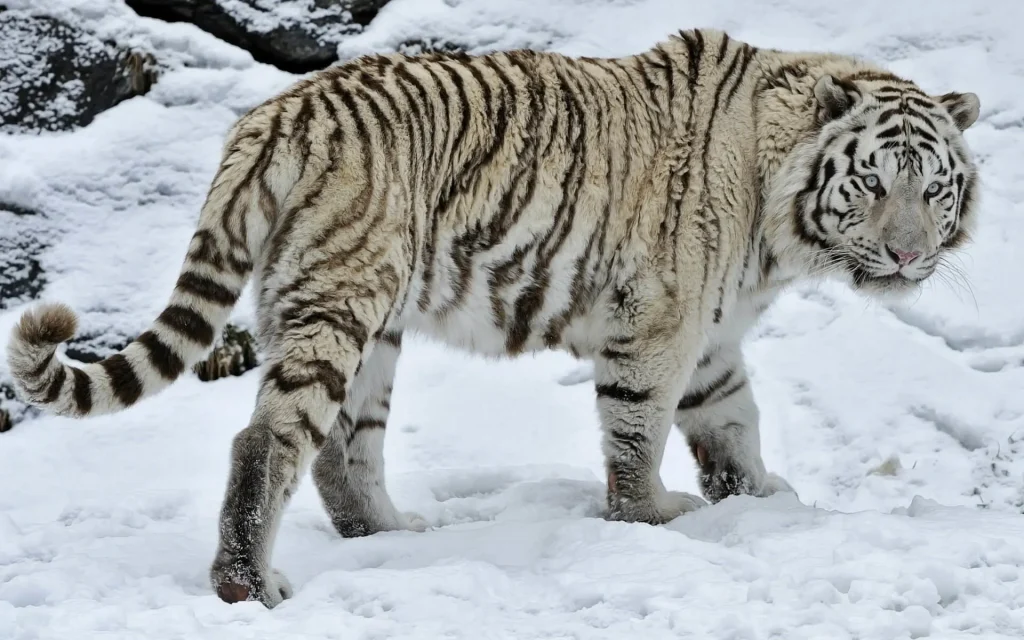
The Bengal Tiger is more than a majestic predator — it is a living symbol of strength, balance, and natural beauty. Its presence ensures healthy ecosystems, while its protection reflects our commitment to preserving life on Earth. By valuing and protecting this endangered species, we secure a richer, more biodiverse world for all. Whether you are comparing it to the white tiger or learning about its relatives across Asia, the Bengal tiger remains an irreplaceable treasure of the wild.