Siberian Tiger – The Majestic Giant of the Snowy Forests
Introduction to the Siberian Tiger
The Siberian Tiger, also known as the Amur Tiger, holds the title as the largest wild cat on Earth, with males weighing up to 300 kilograms and measuring over three meters from nose to tail tip. Native to the icy forests of eastern Russia and parts of China and North Korea, this powerful predator is not only awe-inspiring in size but also a symbol of wilderness and conservation. With its thick fur, muscular frame, and piercing gaze, the Siberian Tiger rules the taiga with unmatched grace and strength, representing one of the most successful conservation stories among big cats today.
Scientific Classification
- Scientific Name: Panthera tigris altaica
- Common Names: Siberian Tiger, Amur Tiger
- Family: Felidae (cat family)
- Conservation Status: Endangered (IUCN Red List)
- Native Range: Russia (Siberia), China, North Korea
Physical Appearance
The Siberian Tiger is a true giant among big cats:
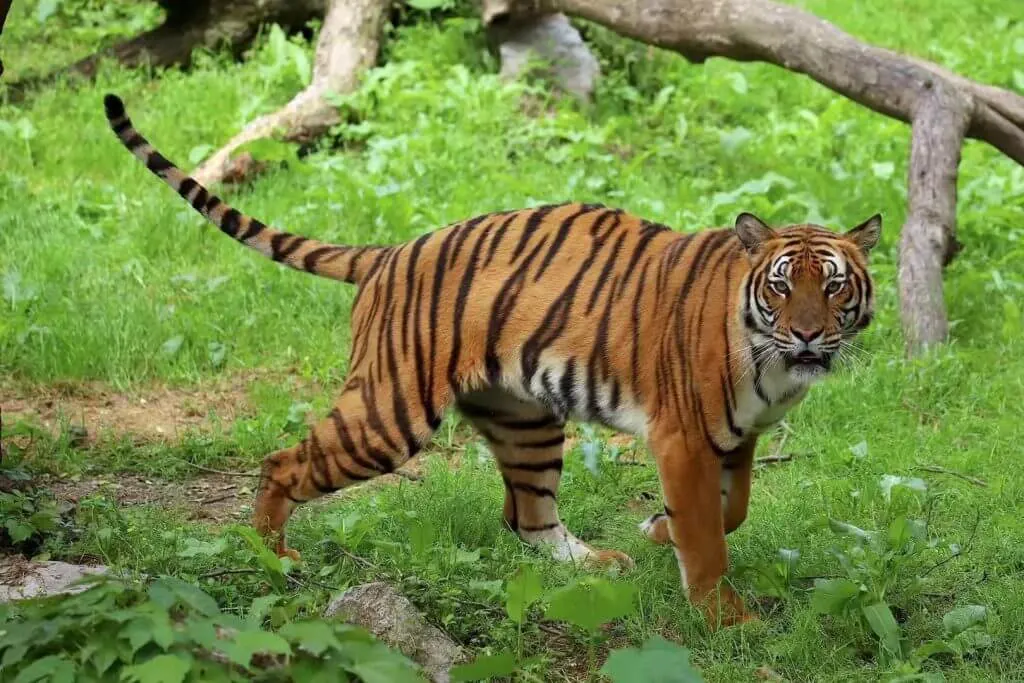
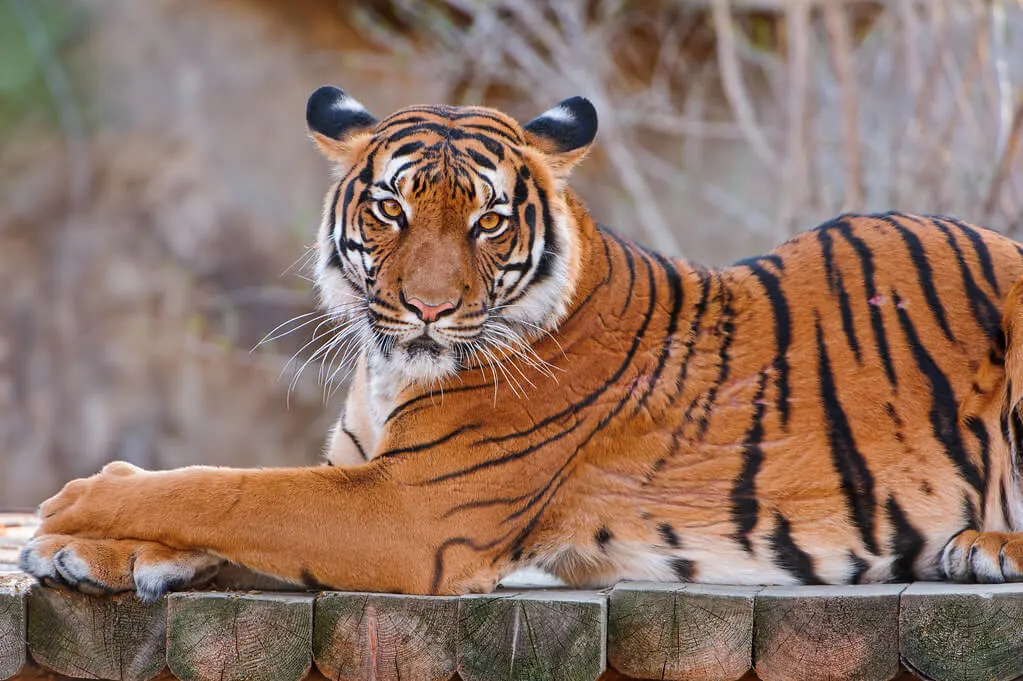
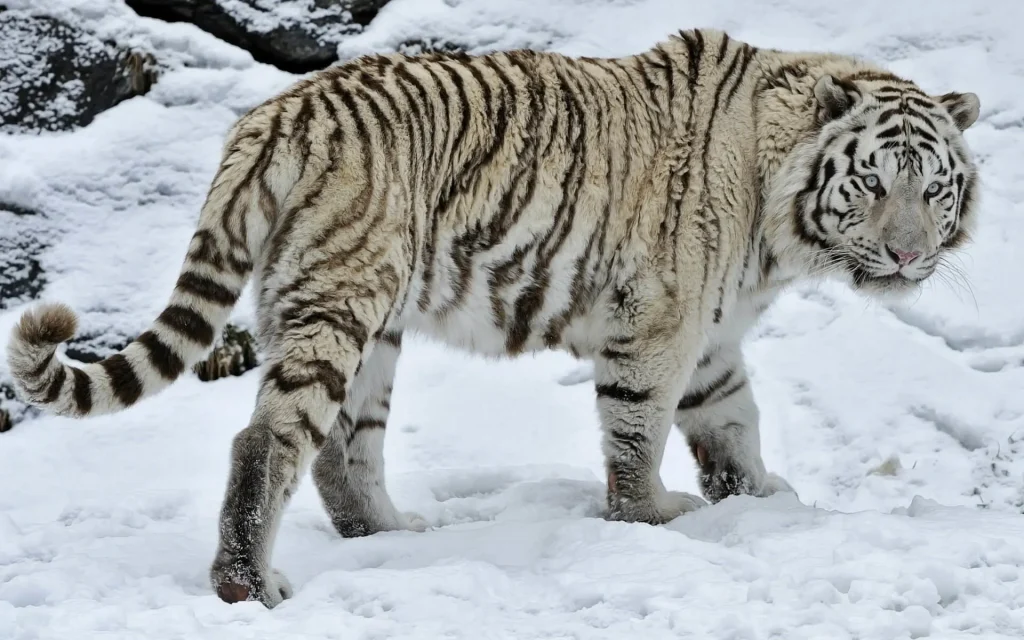
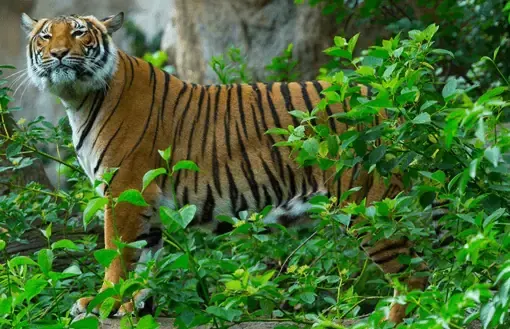
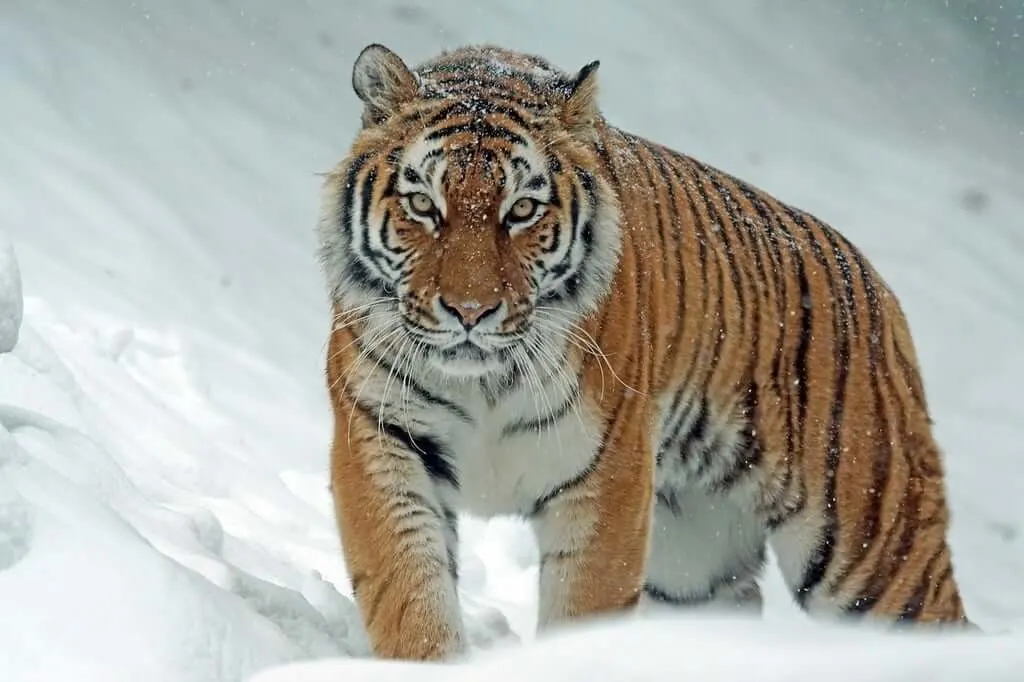
- Thick orange coat with pale underparts and black stripes
- Dense fur and a layer of fat help it survive freezing temperatures
- Length: Up to 3.3 meters (11 feet) including the tail
- Weight: Males weigh 180–300 kg (400–660 lbs); females are smaller
- Pale green or yellow eyes and a broad, expressive face
Behavior and Temperament
Siberian Tigers are solitary and highly territorial, much like other tiger subspecies such as the Bengal Tiger:
- Prefer to live and hunt alone, covering vast territories
- Mostly active during twilight or at night
- Use scent markings and scratch trees to mark their territory
- Excellent hunters, known to stalk silently before striking
Natural Habitat
This big cat thrives in cold, remote regions:
- Inhabits boreal and temperate forests, with snowy winters
- Prefers mountainous terrain, valleys, and river basins
- Found in Russia’s Far East, especially the Sikhote-Alin Mountains
- Some populations live in northeastern China
Diet and Hunting Skills
As an apex predator, the Siberian Tiger sits at the top of the food chain:
- Feeds on deer, wild boar, elk, and even bears when necessary
- Hunts alone using stealth, strength, and precise timing
- Prefers hunting at dusk or during the night
- Can eat up to 27 kg (60 lbs) of meat in one meal
Breeding and Life Cycle
Siberian Tigers reproduce slowly and carefully:
- Mating usually occurs in winter
- Gestation lasts around 3.5 months
- Litters usually have 2–4 cubs
- Cubs stay with their mother for up to two years
- Life expectancy in the wild is 10–15 years; in captivity, up to 25 years
Conservation Challenges
Despite their strength, Siberian Tigers face serious threats:
- Habitat loss due to logging and development
- Poaching for fur, bones, and body parts used in traditional medicine
- Conflict with humans when livestock is attacked
- Limited genetic diversity due to small population size
Conservation Efforts
Global efforts are helping protect this magnificent species. Conservation programs have helped the wild population recover from fewer than 50 individuals in the 1940s to over 500 today, making it one of the most successful big cat recovery stories. Key initiatives include:
- Anti-poaching patrols and stronger law enforcement
- Protected reserves in Russia and China
- Monitoring and tracking through radio collars
- International cooperation through the Global Tiger Initiative
- Education and awareness campaigns in local communities
Siberian Tiger vs Bengal Tiger
| Feature | Siberian Tiger | Bengal Tiger |
|---|---|---|
| Size | Largest of all tiger subspecies | Slightly smaller |
| Habitat | Cold forests (Russia, China) | Tropical forests, grasslands |
| Fur | Thicker, paler, longer | Rich orange with dark stripes |
| Conservation Status | Endangered | Endangered |
| Population | ~500–600 in the wild | ~2,500 in the wild |
Fascinating Facts About Siberian Tigers
- They hold the record as the biggest wild cats in the world
- They can smell prey from over a mile away
- A single swipe from their paw can break a bear’s skull
- Their padded feet allow quiet movement over snow
Cultural and Symbolic Importance
Siberian Tigers inspire myths, art, and conservation across cultures:
- Revered in Russian and East Asian folklore as a spirit of strength
- Featured in books, films, and conservation campaigns
- Represent resilience, power, and natural beauty
Why Their Survival Matters
Protecting Siberian Tigers benefits entire ecosystems:
- Their survival ensures forest health and prey population control
- They protect biodiversity through their ecological role
- Eco-tourism offers sustainable income for local communities
- A thriving tiger population is a sign of environmental balance
Frequently Asked Questions
Q1: Are Siberian Tigers aggressive toward humans?
A: Generally, no. They avoid humans unless threatened or starving. Most conflicts happen when tigers are injured, displaced, or desperate for food.
Q2: How many Siberian Tigers are left in the wild?
A: Around 500–600, mostly in Russia’s Far East, thanks to strong conservation programs. This is a remarkable recovery from fewer than 50 individuals in the 1940s.
Q3: Can Siberian Tigers live in zoos?
A: Yes, but they need large, naturalistic enclosures and proper enrichment. Breeding programs in zoos help maintain genetic diversity, similar to programs for other rare subspecies like the Sumatran Tiger.
Q4: What makes the Siberian Tiger different from other tigers?
A: It’s the largest, has the thickest fur, and lives in the coldest habitat compared to other tiger subspecies. For comparison, the Indochinese Tiger inhabits warmer tropical forests of Southeast Asia.
Q5: What can we do to help protect them?
A: Support conservation groups, spread awareness, avoid products made from tiger parts, and promote sustainable living to reduce deforestation. Learning about other endangered subspecies like the South China Tiger can also help raise awareness for tiger conservation as a whole.
Conclusion – Protecting the King of the North
The Siberian Tiger is more than just a big cat—it’s a living symbol of strength, survival, and natural beauty. By protecting its icy forests and ensuring its safety from poachers, we help preserve the balance of nature for generations to come. Let’s celebrate and safeguard this majestic creature before it fades into history.