Malayan Tiger – Malaysia’s Striped National Treasure
Introduction to the Malayan Tiger
The Malayan Tiger is a symbol of strength, pride, and heritage in Malaysia. Native to the dense tropical forests of the Malay Peninsula, this rare tiger subspecies is critically endangered and urgently needs conservation support. With fewer than 150 individuals remaining in the wild, it is one of the most threatened tiger subspecies on the planet. Its beauty, power, and mystery have captured hearts and inspired folklore across Southeast Asia.
Scientific Classification
- Scientific Name: Panthera tigris jacksoni
- Common Name: Malayan Tiger
- Family: Felidae (cat family)
- Conservation Status: Critically Endangered (IUCN Red List)
- Native Range: Malay Peninsula, Southern Thailand
Physical Appearance
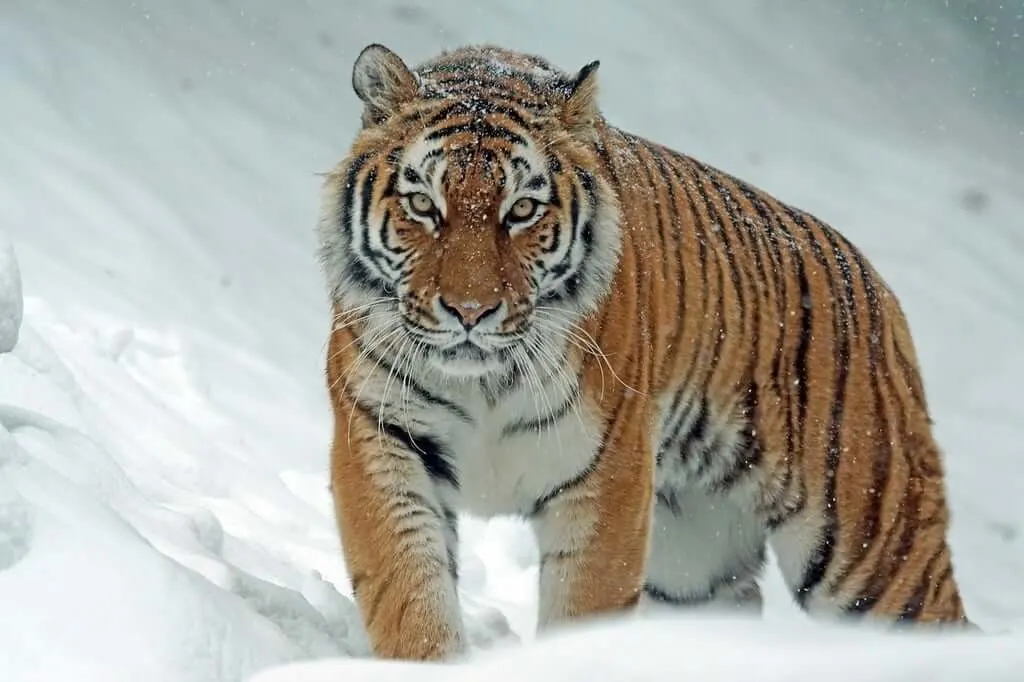
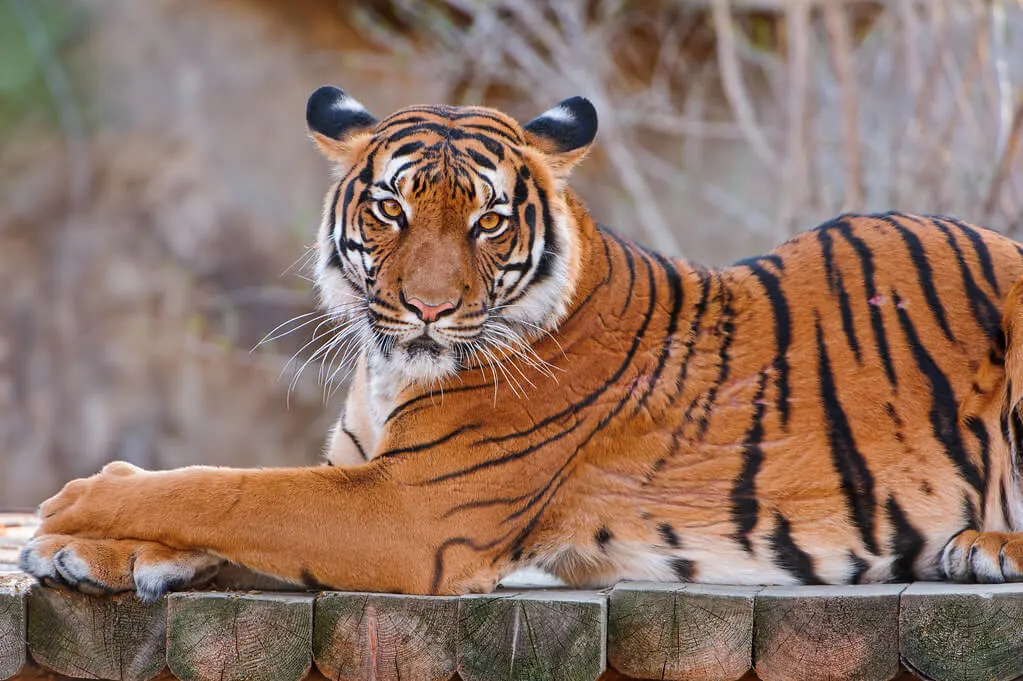
The Malayan Tiger may be smaller than its northern cousins, such as the Bengal Tiger, but it is equally majestic:
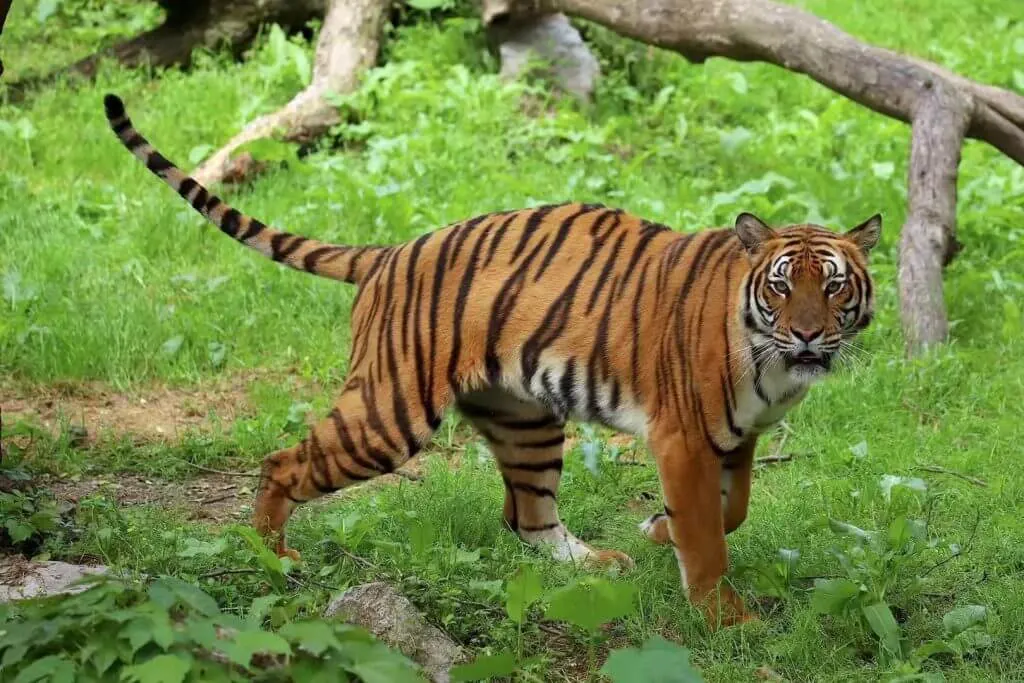
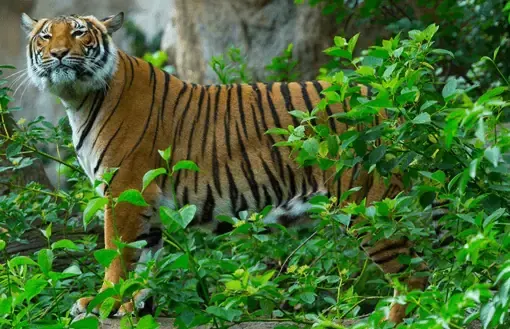
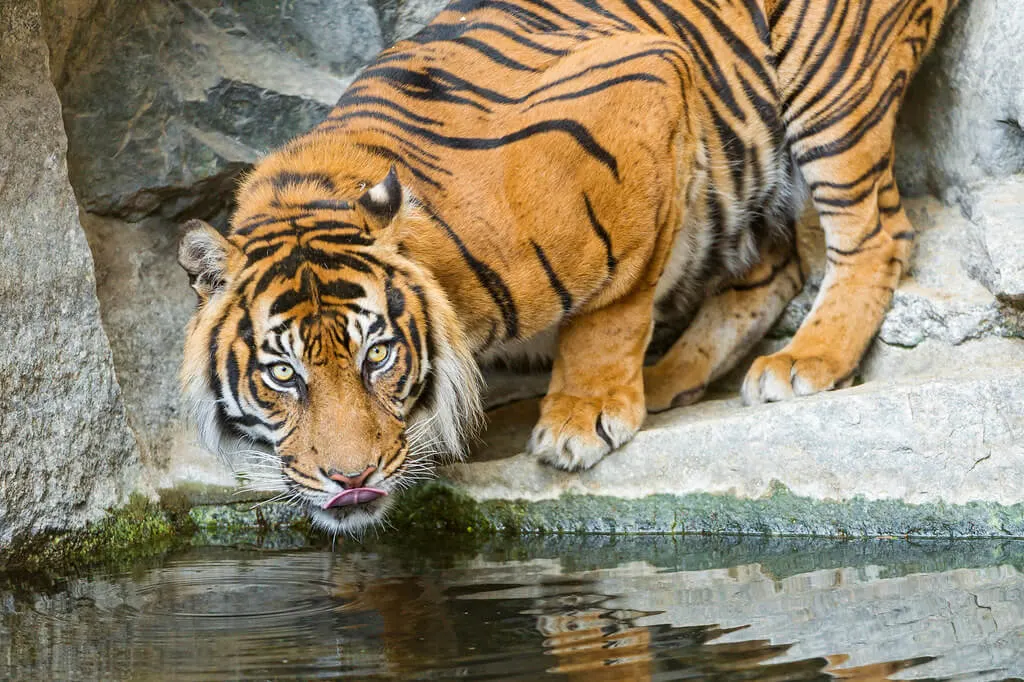
- Golden-orange coat with black vertical stripes
- Shorter, closer-set stripes compared to Bengal tigers
- Bright, piercing eyes with a powerful gaze
- Length: 2.0 to 2.6 meters (including tail)
- Weight: Males weigh 47–129 kg; females 24–88 kg
Behavior and Temperament
Malayan Tigers are solitary and elusive, making them difficult to study:
- Primarily nocturnal hunters
- Use dense jungle cover for stealthy movement
- Communicate using vocalizations, scent markings, and scratch marks
- Usually avoid human contact unless provoked or desperate
Natural Habitat
Malayan Tigers thrive in Malaysia’s thick tropical rainforests:
- Dense lowland dipterocarp forests and peat swamps
- High humidity and rainfall throughout the year
- Found primarily in Peninsular Malaysia and parts of Southern Thailand
- Habitat fragmentation from roads and plantations poses a major threat
Diet and Hunting
These apex predators help maintain ecological balance:
- Prey includes sambar deer, wild boar, monkeys, and reptiles
- Ambush-style hunters using camouflage and stealth
- Occasionally target livestock, leading to human conflict
- Known for being intelligent and resourceful hunters
Breeding and Life Cycle
Slow reproduction makes the species more vulnerable to extinction:
- Breeding can occur year-round
- Gestation lasts approximately 3–4 months
- Females give birth to 2–4 cubs
- Cubs stay with their mother for 18–24 months
- Lifespan: 10–15 years in the wild, up to 20 in captivity
Major Threats
The Malayan Tiger faces a harsh battle for survival:
- Massive deforestation for palm oil, rubber, and timber
- Poaching for skin, bones, and traditional medicine
- Habitat fragmentation due to infrastructure development
- Human-wildlife conflict due to shrinking space
Conservation Efforts
Numerous organizations are fighting to save the Malayan Tiger:
- Anti-poaching patrols and wildlife enforcement units
- Creation of protected areas and wildlife corridors
- Camera traps and GPS collaring for monitoring
- Genetic studies to boost healthy breeding
- Education and outreach programs in rural communities
Malayan Tiger vs Bengal Tiger
| Feature | Malayan Tiger | Bengal Tiger |
|---|---|---|
| Size | Smaller and lighter | Larger and heavier |
| Habitat | Tropical rainforests | Diverse: forests, grasslands |
| Stripes | Narrow, close-set | Broader and more spaced |
| Conservation Status | Critically Endangered | Endangered |
| Wild Population | Fewer than 150 individuals | ~2,500 individuals |
Fascinating Facts About Malayan Tigers
- They were only recognized as a distinct subspecies in 2004
- Featured on Malaysia’s coat of arms and currency
- No two tigers have the same stripe pattern
- Serve as an umbrella species — protecting them protects many others
Cultural Importance
In Malaysia, the tiger is more than a wild animal:
- Known as the “Harimau” and symbolizes courage and strength
- Common in traditional art, flags, and sports logos
- Revered as a guardian spirit in indigenous legends
Why We Must Protect the Malayan Tiger
Saving the Malayan Tiger is vital to protecting Malaysia’s rich ecosystems:
- Their presence keeps prey populations balanced
- Forests they inhabit are carbon sinks, crucial to fighting climate change
- Conservation efforts benefit local communities and biodiversity
- Extinction would be an irreversible loss to natural heritage
Frequently Asked Questions
Q1: How many Malayan Tigers are left in the wild?
A: Fewer than 150. They are one of the most endangered tiger subspecies in the world, even more so than the Sumatran Tiger.
Q2: Where do Malayan Tigers live?
A: They are found only in Peninsular Malaysia and some areas of Southern Thailand.
Q3: Are Malayan Tigers dangerous to humans?
A: Not typically. They avoid people but may attack if cornered, injured, or starving.
Q4: Why are they so critically endangered?
A: Due to habitat loss, poaching, low population numbers, and slow reproduction rates.
Q5: How can we help protect them?
A: Support responsible eco-tourism, donate to tiger conservation projects, and spread awareness.
Conclusion – A National Icon Worth Saving
The Malayan Tiger is not only a rare apex predator but also a cherished national emblem. It represents the spirit of Malaysia’s wild heart. With coordinated global and local efforts, we can ensure that the roar of the Malayan Tiger continues to echo through the forests of Southeast Asia. For those interested in learning about other tiger subspecies, explore the Indochinese Tiger or the Siberian Tiger to understand the diversity within this iconic species.