White Tiger – The Majestic Phantom of the Wild
Introduction to the White Tiger
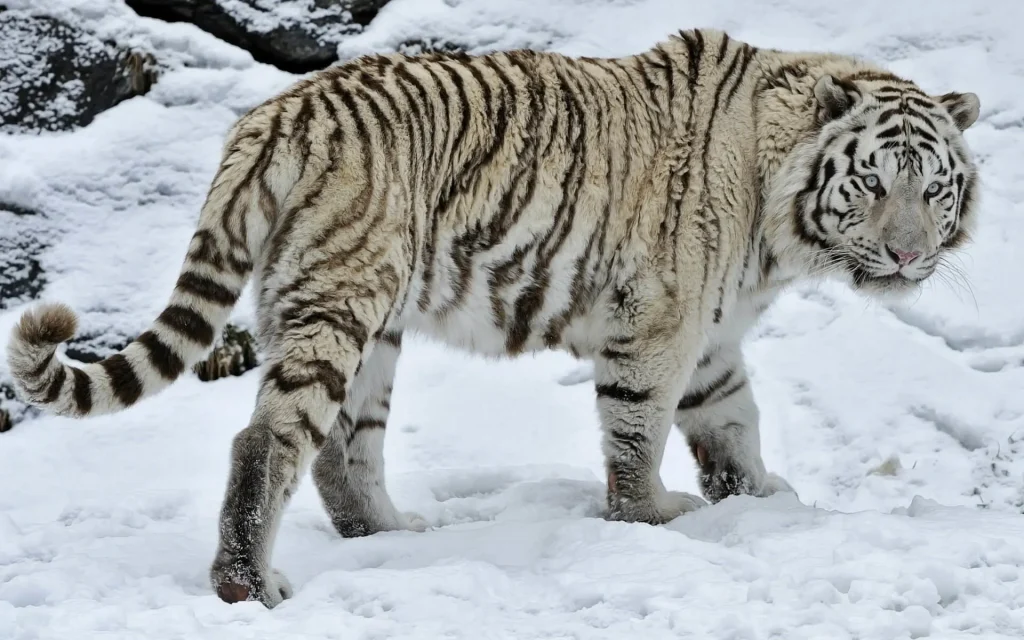
The White Tiger is a rare and enchanting variation of the Bengal tiger, known for its stunning white coat and icy blue eyes. These captivating big cats are not a separate subspecies, but a genetic rarity born from a recessive gene. Their unique beauty and mysterious aura have made them symbols of power, purity, and mystique across cultures. While often confused with albino animals, white tigers possess a condition called leucism, which gives them their pale appearance while retaining pigment in their stripes and eyes.
Scientific Classification
- Scientific Name: Panthera tigris tigris
- Common Name: White Tiger
- Family: Felidae (cat family)
- Conservation Status: Not separately listed (Part of Bengal Tiger – Endangered)
- Native Range: Historically India, now mostly in captivity
Physical Appearance
The White Tiger stands out like a mythical creature in the animal kingdom:
- Creamy white fur with light brown or black stripes
- Piercing blue or greenish eyes
- Large, muscular build like Bengal tigers
- Length: 2.7 to 3 meters (including tail)
- Weight: Males up to 220–260 kg; females 140–170 kg
Behavior and Temperament
Despite their rare appearance, White Tigers share traits with standard Bengal tigers:
- Primarily nocturnal and prefer hunting at night
- Solitary by nature and territorial
- Communicate through roars, growls, and scent markings
- Intelligent, observant, and adaptable in captivity
Natural Habitat
White Tigers once roamed the Indian subcontinent but are now primarily found in zoos:
- Forests, mangroves, and grasslands (in the wild)
- Now mainly bred in captivity due to rarity in nature
- Limited wild sightings in the past century
- Habitat loss and hunting led to the decline of the wild
Diet and Hunting
Like their orange cousins, White Tigers are apex predators:
- Wild prey includes deer, antelopes, wild boars, and monkeys
- In captivity, fed beef, chicken, and other meat diets
- Stealthy ambush hunters, using surprise and power
- Prefer stalking prey and attacking from behind
Breeding and Life Cycle
White Tigers are bred through selective pairing:
- Only Bengal tigers carrying the white gene can produce white cubs
- Gestation lasts about 3.5 months
- Usually 2–4 cubs per litter
- Cubs stay with their mothers for up to 2 years
- Lifespan: 10–15 years in the wild, up to 20+ in captivity
Major Threats
The White Tiger faces unique challenges:
- Inbreeding in captivity leads to genetic health issues
- Habitat destruction affects their Bengal ancestors
- Illegal wildlife trade and poaching persist
- Mismanagement in captive breeding programs
Conservation Efforts
While no wild conservation programs exist for White Tigers alone, they benefit from Bengal Tiger initiatives:
- Wildlife reserves across India protect Bengal tigers
- Education to reduce myths about white tigers in the wild
- Ethical breeding programs to reduce health risks
- NGOs work to restore natural habitats
- Public awareness through responsible zoos
White Tiger vs Bengal Tiger
| Feature | White Tiger | Bengal Tiger |
|---|---|---|
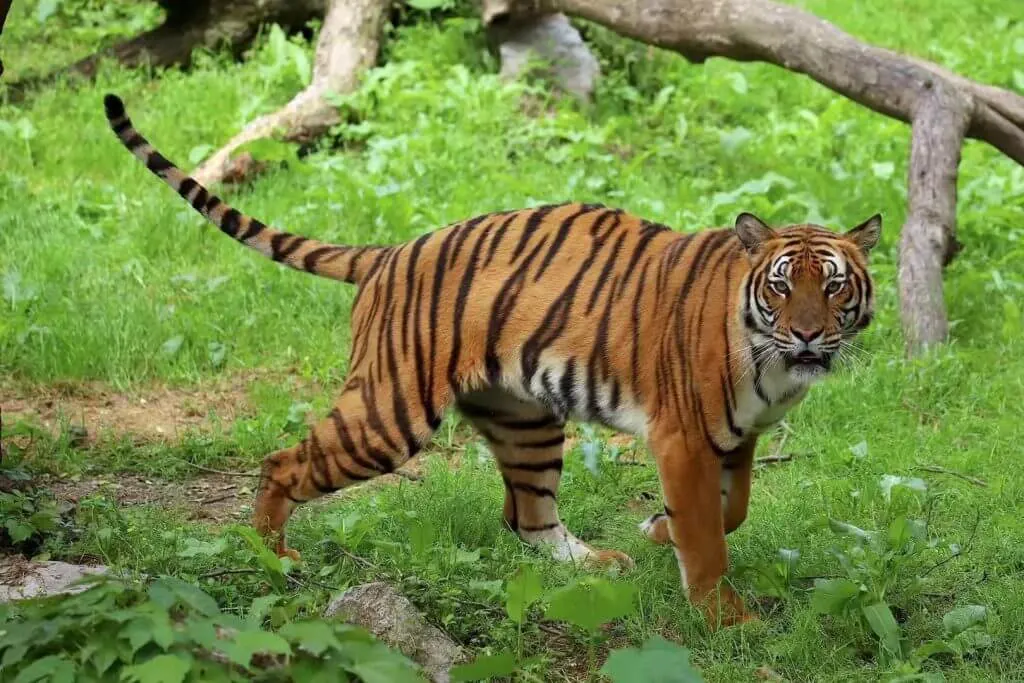
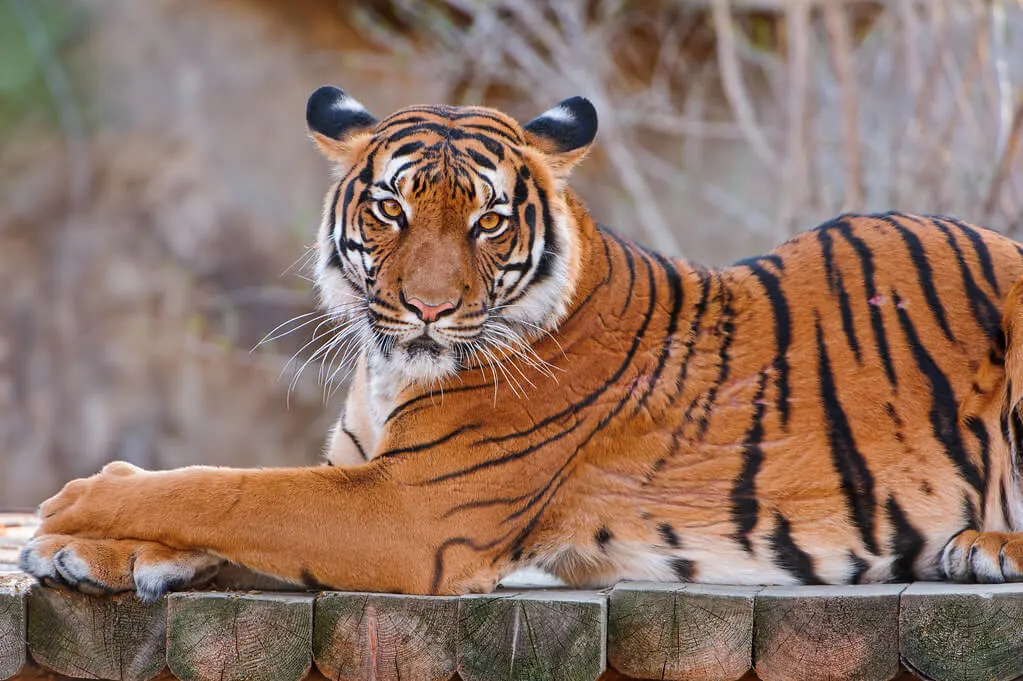
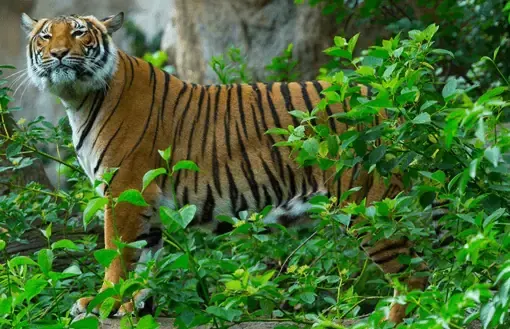
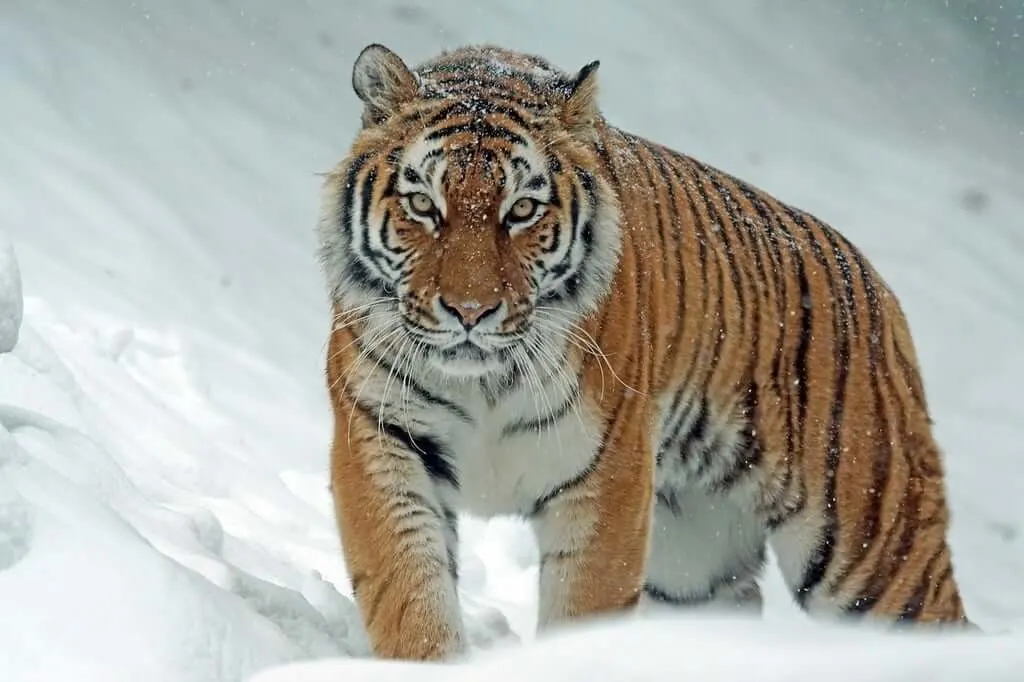
| Color | White with black/brown stripes | Orange with black stripes |
| Eyes | Blue or green | Yellow or amber |
| Habitat | Mostly in captivity | Wild and protected areas in Asia |
| Rarity | Very rare (genetic mutation) | More common among tiger species |
| Symbolism | Mystery, power, uniqueness | Strength, courage, royalty |
Fascinating Facts About White Tigers
- Only 1 in 10,000 wild tiger births result in a white tiger
- First recorded White Tiger: Rewa, India, in 1951
- The white coat comes from a recessive gene (not albinism)
- Popular in pop culture, zoos, and magic shows
Cultural Importance
The White Tiger is admired across many traditions and regions:
- In Chinese mythology, the White Tiger symbolizes the west and autumn
- Featured in Indian folklore as a rare and royal creature
- A symbol of strength, mystery, and balance in nature
Why We Must Protect the White Tiger
While not a species of its own, protecting White Tigers means:
- Promoting ethical and responsible breeding practices
- Supporting Bengal Tiger conservation in the wild
- Educating the public about genetic diversity and animal welfare
- Preserving natural habitats and wild ecosystems
Frequently Asked Questions
Q1: Are White Tigers a separate species?
A: No, they are a rare color variation of the Bengal tiger, not a distinct species or subspecies. They are closely related to other tiger variants like the Siberian tiger, which is the largest tiger subspecies.
Q2: How many White Tigers are left in the wild?
A: White Tigers no longer exist in the wild. All known individuals live in captivity.
Q3: Are White Tigers albino?
A: No, they are not albino. They have a genetic mutation called leucism, which reduces pigmentation but doesn’t eliminate it.
Q4: Can White Tigers survive in the wild?
A: While they can hunt, their bright coat makes camouflage difficult, reducing their chances of survival in the wild.
Q5: Is it ethical to breed White Tigers?
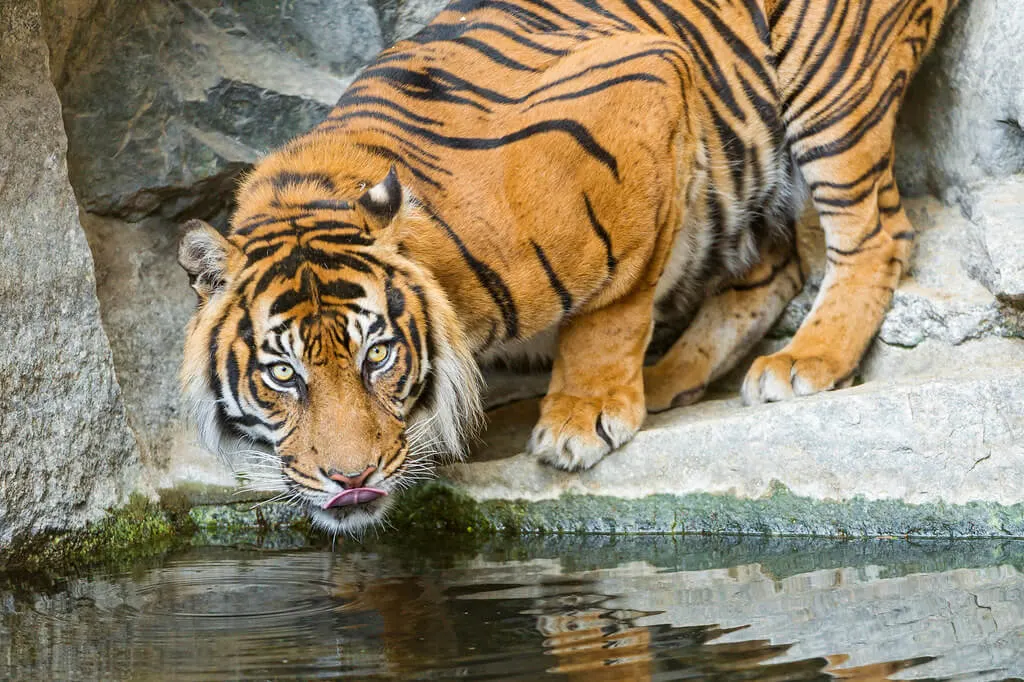
A: Ethical concerns exist due to inbreeding risks. Responsible breeding should prioritize animal health over aesthetics. For comparison, the Sumatran tiger faces similar conservation challenges but benefits from dedicated subspecies-focused programs.
Conclusion – A Living Legend of the Animal Kingdom
The White Tiger may be a genetic anomaly, but it remains one of the most awe-inspiring animals ever seen. With proper awareness and conservation ethics, we can protect these majestic beings and ensure that their rare beauty continues to inspire generations to come. Understanding the differences between tiger subspecies, such as the critically endangered South China tiger, helps us appreciate the full diversity of these magnificent predators and the importance of preserving their genetic legacy.