Sumatran Tiger – The Elusive Beauty of Indonesia’s Forests
Introduction to the Sumatran Tiger
The Sumatran Tiger is the smallest and rarest of all living tiger subspecies, found only on the Indonesian island of Sumatra. With fewer than 400 individuals remaining in the wild, this critically endangered cat clings to survival in the island’s rapidly shrinking rainforests. Known for its striking stripes, muscular build, and mysterious nature, this tiger is a symbol of Indonesia’s rich biodiversity and an urgent focus for global conservation efforts.
Scientific Classification
- Scientific Name: Panthera tigris sumatrae
- Common Name: Sumatran Tiger
- Family: Felidae (cat family)
- Conservation Status: Critically Endangered (IUCN Red List)
- Native Range: Island of Sumatra, Indonesia
Physical Appearance
This tiger may be small in size, but it’s mighty:
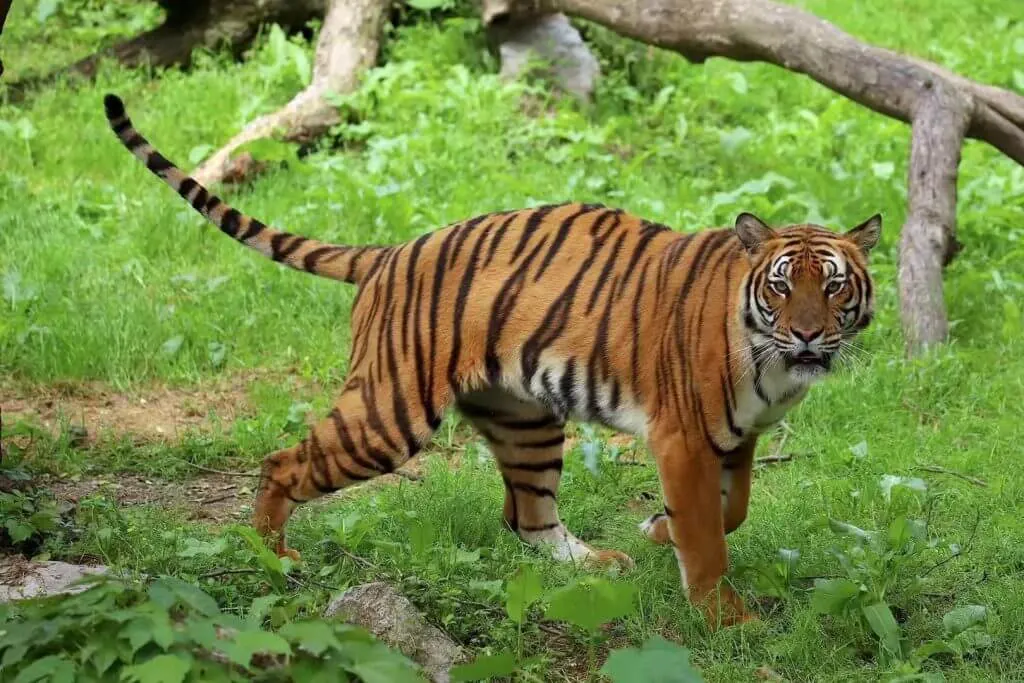
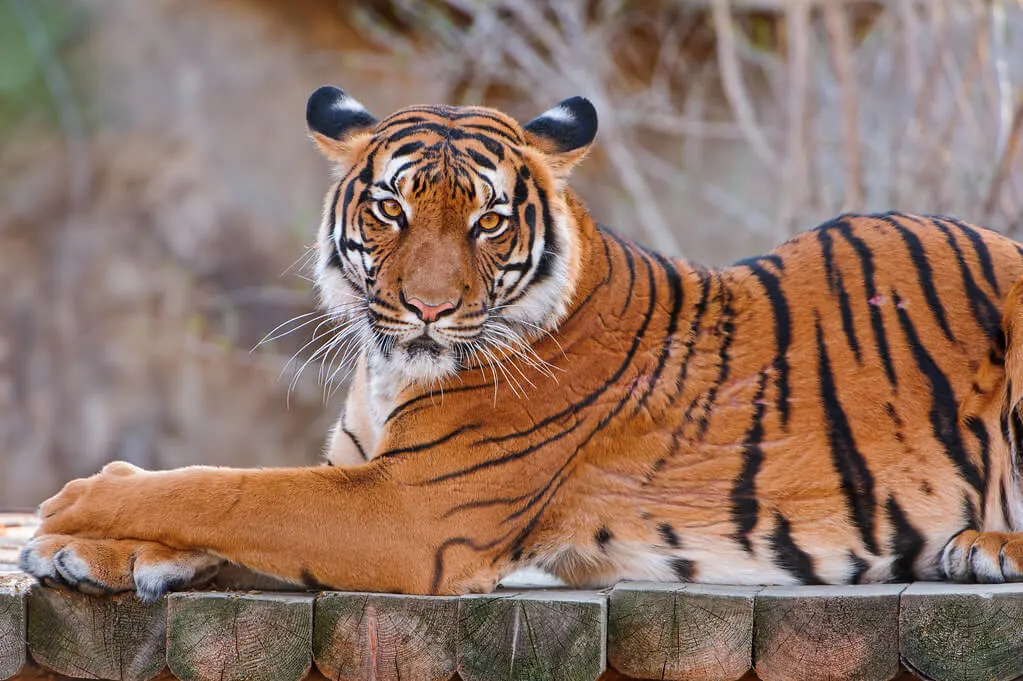
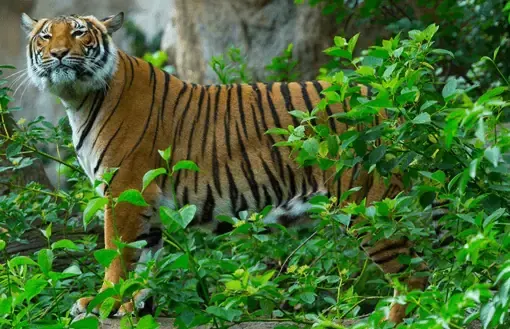
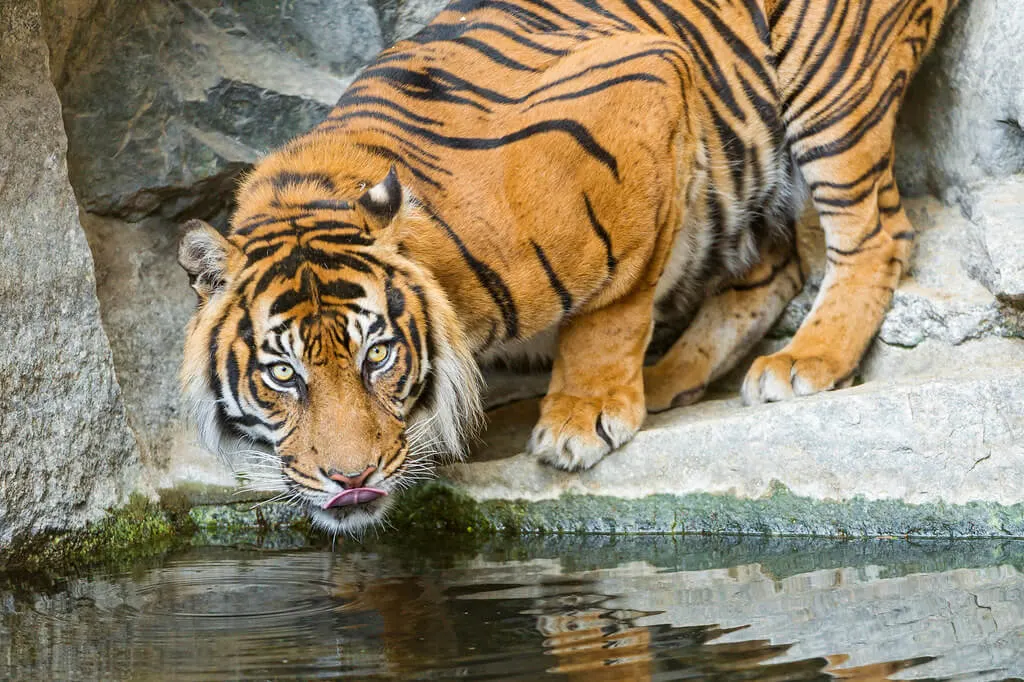
- Deep orange coat with dense, close-set black stripes
- Thicker and darker stripes than other tigers
- Strong, muscular legs built for moving through dense jungle
- Length: 2.2 to 2.5 meters (including tail)
- Weight: Males weigh around 100–140 kg; females 75–110 kg
Behavior and Temperament
Sumatran Tigers are shy, solitary, and secretive:
- Mostly active at night (nocturnal)
- Excellent swimmers and climbers
- Mark territory with scent, scratches, and vocal calls
- Prefer to avoid human contact and stay deep in the forest
Natural Habitat
This tiger is built for life in tropical jungles:
- Dense rainforests, lowlands, swamps, and mountain forests
- Elevation range: sea level to over 3,000 meters
- Exclusively found on the island of Sumatra
- Rapid habitat loss due to palm oil plantations and illegal logging
Diet and Hunting
The Sumatran Tiger is a powerful and skilled predator:
- Diet includes deer, wild boar, monkeys, birds, and fish
- Prefers to ambush prey with a sudden, powerful strike
- Occasionally preys on livestock near villages, leading to conflict
- Highly intelligent and adaptable in hunting strategies
Breeding and Life Cycle
Sumatran Tigers reproduce slowly, making conservation critical:
- Breeding season can happen any time of year
- Gestation lasts around 3.5 months
- Litters of 2–4 cubs are common
- Cubs stay with their mother for up to two years
- Lifespan: 10–15 years in the wild, longer in captivity
Major Threats
Sumatran Tigers face several dangers in their shrinking habitat:
- Deforestation due to illegal logging and palm oil agriculture
- Poaching for body parts used in traditional medicine
- Human-wildlife conflict with nearby villages
- Inbreeding risks from small population size
Conservation Efforts
Dedicated organizations are working hard to save them:
- Anti-poaching patrols and camera trap monitoring
- Protected areas like Gunung Leuser and Kerinci Seblat National Parks
- Community outreach and education programs
- Breeding programs in zoos worldwide
- Genetic research to maintain healthy populations
Sumatran Tiger vs Bengal Tiger
| Feature | Sumatran Tiger | Bengal Tiger |
|---|---|---|
| Size | Smallest tiger subspecies | Medium to large size |
| Habitat | Dense rainforests (Sumatra) | Forests, mangroves, grasslands |
| Stripes | Narrow, dark, close-set | Bold, wider stripes |
| Conservation Status | Critically Endangered | Endangered |
| Population | Fewer than 400 in the wild | ~2,500 in the wild |
For a detailed comparison with another Asian subspecies, read our guide on the Bengal tiger to understand how these two iconic cats differ in size, habitat, and behavior.
Fascinating Facts About Sumatran Tigers
- They are excellent swimmers and love water
- Each tiger’s stripe pattern is unique, like a fingerprint
- They’re the only tiger species found on one island
- Their population has dropped by over 50% in just a few decades
Cultural Importance
Sumatran Tigers are deeply rooted in Indonesian culture:
- Believed to be spiritual protectors by local communities
- Featured in traditional art and folktales
- Used as a national symbol of strength and pride
Why We Must Protect the Sumatran Tiger
Preserving this tiger saves more than a species:
- They help control prey populations and maintain ecosystem balance
- Their forests are vital for climate protection
- Conservation supports sustainable community development
- Saving tigers means saving entire habitats
Frequently Asked Questions
Q1: How many Sumatran Tigers are left in the wild?
A: Fewer than 400. They are listed as critically endangered and face urgent threats.
Q2: Are Sumatran Tigers dangerous to people?
A: They usually avoid humans, but attacks can occur if they are cornered or starving. Most conflict arises near deforested areas.
Q3: Why are they smaller than other tigers?
A: Their smaller size helps them move more easily through dense jungle vegetation.
Q4: Can they be saved from extinction?
A: Yes, with stronger anti-poaching laws, habitat protection, and community support, their numbers can recover.
Q5: What can I do to help save them?
A: Support wildlife organizations, avoid palm oil from unsustainable sources, and share awareness about their plight.
Conclusion – A Treasure Worth Protecting
The Sumatran Tiger is not just a stunning wild cat — it’s a precious part of Indonesia’s natural heritage. Its survival depends on all of us. Through awareness, action, and compassion, we can ensure that this incredible creature continues to roam the forests of Sumatra for generations to come. To learn about other critically endangered tiger subspecies, explore our article on the Malayan tiger and the Indochinese tiger, both of which face similar threats in Southeast Asia.