
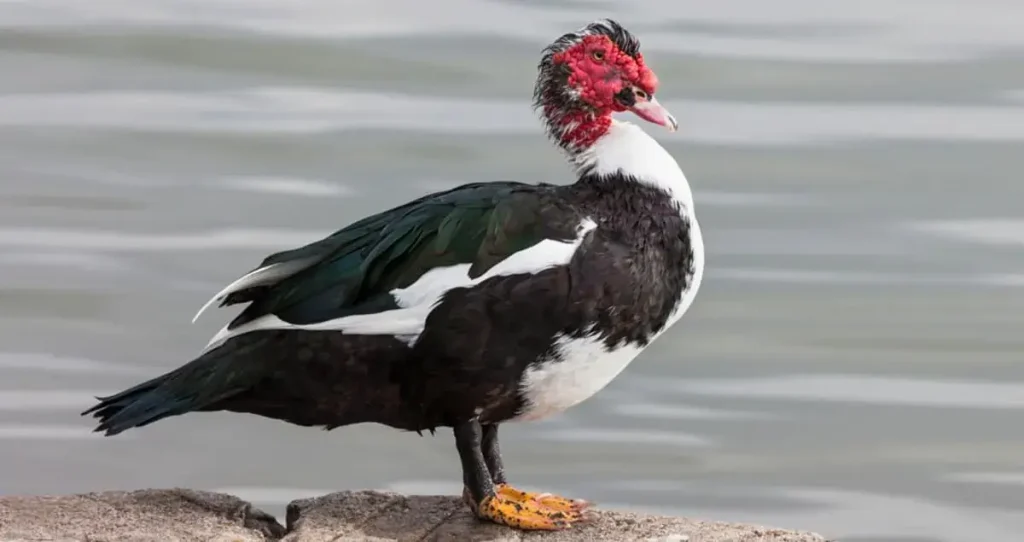
Muscovy Duck – The Quiet Guardian of the Poultry Yard
Introduction to the Muscovy Duck
If you are looking for a duck that breaks the mold, the Muscovy Duck is the breed for you. Unlike the noisy, water-loving ducks most people imagine, the Muscovy is a quiet, perching bird with a prehistoric appearance and a gentle disposition. Native to Central and South America, this breed is not descended from the Mallard, making it one of the most genetically distinct and fascinating domestic ducks in the world.
Whether you are after a low-noise bird, natural pest control, or premium lean meat, the Muscovy duck might just be your ideal feathered companion. For those interested in other quiet breeds, the Cayuga duck is another excellent choice for calm backyard flocks.
Scientific Classification
- Scientific Name: Cairina moschata domestica
- Breed Name: Muscovy Duck
- Origin: Central & South America
- Primary Use: Meat, Insect Control, Ornamental
Appearance and Unique Features
Muscovy ducks are striking in both size and looks:
- Distinctive red facial caruncles (fleshy bumps)
- Males weigh 10–15 lbs; females 6–8 lbs
- Feather colors range from white, black, blue, and chocolate to pied
- Long, broad bodies and flat tails
Their bold look may be intimidating at first, but they are gentle and intelligent birds once you get to know them.
The Quiet Duck
One of the most appealing traits of the Muscovy is its silence:
- They don’t quack like other ducks
- Males hiss softly; females make quiet trills
- Ideal for urban or noise-sensitive areas
Their quiet nature makes them excellent neighbors in suburban backyards, especially when compared to the more vocal call duck breed.
Egg Production
Muscovy ducks aren’t prolific layers, but their eggs are large and rich:
- Around 80–120 eggs per year
- Cream to white-colored eggs
- Rich yolks, perfect for baking
Females are often broody and excellent mothers, making them reliable breeders.
Temperament and Behavior
Muscovies are known for their calm and friendly nature:
- Intelligent and capable of recognizing their caretakers
- Can be trained to follow you around the yard
- Gentle with other ducks, chickens, and animals
- Males may get territorial during mating season
They love to perch, forage, and fly—so secure fencing or wing clipping may be necessary. For keepers who prefer a less flighty option, the Pekin duck is a heavier breed that rarely takes to the air.
Foraging and Pest Control
A true backyard hero, Muscovy ducks are natural pest terminators:
- Eat flies, mosquitoes, ticks, and other insects
- Scratch and forage through compost and gardens
- Help keep ecosystems balanced and clean
They are eco-friendly allies in any natural or organic farming setup.
Housing and Care
Providing the right setup ensures a healthy flock:
- Spacious coops with low roosts (they like to perch)
- Free-range or large enclosures for exercise
- Access to water for bathing—not essential for swimming
- Clean bedding and predator protection are required
They can tolerate heat and cold better than most ducks, but appreciate shade and dry areas. A practical tip: because Muscovies love to perch, adding sturdy branches or low shelves inside the coop will make them feel more at home.
Feeding and Nutrition
To support growth, egg laying, and meat quality:
- Starter crumble for ducklings; all-purpose feed for adults
- Supplement with vegetables, grains, and insects
- Avoid moldy food or scratch that contains high corn content
- Always provide fresh, clean water
Their foraging habits also lower feed costs significantly.
Breeding and Broodiness
Muscovies are excellent breeders with strong instincts:
- One drake per 3–5 hens is ideal
- Females often go broody and raise ducklings independently
- Incubation period: 35 days (longer than other ducks)
- Ducklings need a dry, warm space with starter feed
Comparison with Other Duck Breeds
| Feature | Muscovy Duck | Pekin Duck | Rouen Duck |
|---|---|---|---|
| Quacking | Silent (hiss/trill) | Loud | Moderate |
| Egg Production | 80–120/year | 150–200/year | 100–150/year |
| Foraging Ability | Excellent | Moderate | Moderate |
| Flight Capability | Yes (can fly) | No | No |
| Meat Quality | Lean & flavorful | Tender & fatty | Rich & moist |
Global Popularity and Use
Muscovy ducks are raised around the world:
- Very popular in Mexico—known as “Pato Criollo”
- In Brazil, raised extensively for commercial meat
- Gaining popularity among homesteaders and urban farmers
- Appreciated for pest control and meat in rural Pakistan
Fun Facts About Muscovy Ducks
- One of the oldest domesticated duck breeds
- Native to South and Central America
- Can fly and perch like chickens
- Not related to Mallards, unlike other domestic ducks
Pros and Cons of Muscovy Ducks
Pros:
- Quiet and peaceful—great for neighborhoods
- Excellent pest control
- Lean, high-quality meat
- Good foragers and low-maintenance
- Naturally broody and great mothers
Cons:
- Flighty—may need wing clipping
- Less egg production than other ducks
- Some people find caruncles unattractive
Frequently Asked Questions
Q1: Can Muscovy ducks fly?
A: Yes, especially females and young birds. Clipping their wings is recommended in open areas.
Q2: Are Muscovy ducks aggressive?
A: Generally, no. Males may get territorial, but they are not usually aggressive toward people.
Q3: Are they noisy?
A: Not at all! They are one of the quietest domestic duck breeds.
Q4: Do they need a pond?
A: They enjoy bathing but don’t require a pond. A large water bowl or kiddie pool works fine.
Q5: What is the meat like?
A: Muscovy meat is leaner and darker than typical duck meat, closer in taste and texture to veal or beef.
Final Thoughts – Muscovy Ducks for the Peaceful Poultry Keeper
The Muscovy Duck is a remarkable bird—quiet, hardy, and deeply helpful. Whether you need natural pest control, high-quality meat, or a calm presence in your backyard flock, Muscovies deliver. Their unique looks and quirky behavior only add to their charm. For those who appreciate a duck with strong foraging instincts, the Indian Runner duck is another breed that excels at pest control and free-ranging.