
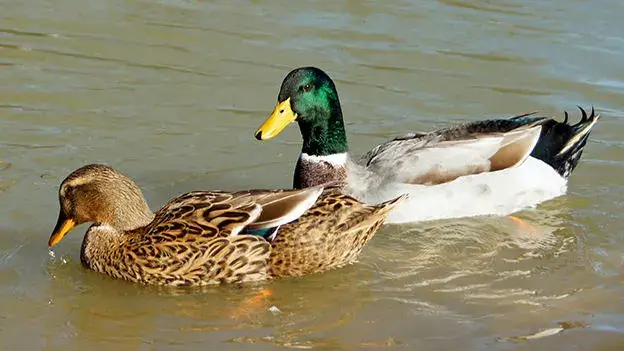
Rouen Duck – The Gentle Giant of the Waterfowl World
Introduction to the Rouen Duck
The Rouen Duck is a large, calm, and stunningly beautiful breed known for its resemblance to the wild Mallard—but in a super-sized version. Originally from France, this duck is cherished not only for its meat production but also for its tranquil nature and decorative appeal. In fact, Rouens are among the heaviest domesticated duck breeds, often weighing as much as a small turkey, which makes them a standout in any flock.
Whether you’re a hobbyist, farmer, or backyard poultry enthusiast, the Rouen offers a delightful mix of size, beauty, and companionship. For those exploring other calm and visually striking breeds, the Cayuga duck is another excellent choice with its glossy black feathers and gentle temperament.
Scientific Classification
- Scientific Name: Anas platyrhynchos domesticus
- Breed Name: Rouen
- Origin: France
- Primary Use: Meat Production, Ornamental
Appearance and Size
The Rouen Duck is visually striking and one of the largest domesticated duck breeds:
- Closely resembles the Mallard in color and markings
- Standard weight: 9–12 lbs (4–5.5 kg)
- Broad body, large frame, and deep chest
- Males: Iridescent green heads, white neck ring, and grayish bodies
- Females: Rich brown feathering with intricate patterning
Their impressive size and gentle eyes make them a favorite in exhibitions and ponds alike. If you appreciate unique feather patterns, the Magpie duck offers a striking black-and-white appearance that contrasts beautifully with the Rouen’s traditional mallard coloring.
Egg-Laying Capacity
Although not prolific layers, Rouens do produce a fair number of eggs:
- Lays around 100–150 eggs per year
- Eggs are large and white to bluish
- Seasonal layers—peak production in spring and summer
If your goal is eggs alone, breeds like Khaki Campbell may outperform Rouens, but they still provide a steady supply with proper care. For a more productive layer with a calm demeanor, consider the Welsh Harlequin duck, which combines good egg production with a friendly personality.
Temperament and Behavior
Rouen ducks are known for their calm and easygoing disposition:
- Extremely docile and friendly—great for families
- Ideal for backyard settings and mixed flocks
- Enjoy water access, but don’t require large ponds
- Can be shy but becomes more social with consistent interaction
Their gentle behavior makes them excellent pets for beginners and children. In practice, many keepers find that Rouens bond closely with their owners when handled regularly from a young age, making them one of the most rewarding duck breeds for hands-on care.
Ideal Living Conditions
Providing the right environment is key to their well-being:
- Spacious, dry, predator-proof coop with clean bedding
- Access to shallow water for bathing and dabbling
- Grazing area for foraging and exercise
- Regular coop cleaning to prevent foot infections
Due to their heavy bodies, Rouens are less agile and benefit from flat, accessible terrain. A practical tip: place their water source on a grated surface to reduce mud buildup, which helps prevent bumblefoot—a common issue in heavy breeds.
Diet and Nutrition
Like all ducks, Rouens need a balanced and nutritious diet:
- Starter crumble for ducklings and high-quality pellets for adults
- Supplement with greens, grains, and occasional protein (worms, insects)
- Fresh, clean water at all times
- Avoid spoiled or moldy food
Their diet can affect both weight and egg production, so consistency is important. For ducklings, ensure the feed is unmedicated, as ducks consume more water than chickens and can overdose on certain additives.
Breeding and Broodiness
Rouens can breed naturally, but they’re not the most committed mothers:
- Mate in early spring—1 drake per 4–5 females is ideal
- Females may lay fertile eggs, but often lack strong broody instincts
- Use incubators or broody hens for hatching
- Ducklings grow fast and should be brooded in warm, dry spaces
If you prefer a breed with stronger maternal instincts, the Muscovy duck is known for being an excellent broody mother that reliably hatches and raises her own young.
Comparison with Similar Breeds
| Feature | Rouen Duck | Pekin Duck | Indian Runner |
|---|---|---|---|
| Egg Production | 100–150/year | 150–200/year | 250–300/year |
| Body Size | Large (9–12 lbs) | Medium-Large | Light and tall |
| Temperament | Calm and docile | Friendly | Active and quirky |
| Foraging Ability | Moderate | Moderate | Excellent |
| Broodiness | Low | Low | Low |
Environmental Benefits
While not known as aggressive foragers, Rouens still contribute to a sustainable system:
- Help control weeds and insects in gardens
- Fertilize the soil with rich droppings
- Add diversity to backyard ecosystems
Their presence adds a natural beauty and rhythm to outdoor spaces.
Fun Facts About Rouen Ducks
- Named after the city of Rouen in northern France
- Known in Europe as table ducks due to their flavorful meat
- Brought to England in the 1800s and later to the U.S.
- Commonly shown in poultry exhibitions for their looks and size
Popularity Around the World
Rouens have fans across the globe:
- Popular heritage breed in France
- Show and utility breeds in the UK
- Raised in the U.S. for meat and ornamental purposes
- Gaining popularity in rural and suburban Pakistan
Pros and Cons of Rouen Ducks
Pros:
- Beautiful and majestic appearance
- Very calm and easy to handle
- Suitable for meat production
- Adds visual appeal to any flock
Cons:
- Not prolific layers
- A heavier body makes them less agile
- Require more space and feed than smaller breeds
Frequently Asked Questions
Q1: Do Rouen ducks fly?
A: No, their large size and weight prevent them from flying.
Q2: Are they good for meat?
A: Yes, Rouen is are excellent meat duck known for their tender and flavorful meat.
Q3: Can Rouens live with chickens?
A: Yes, they coexist well, but ducks need water and a wetter environment compared to chickens.
Q4: Do they need a pond?
A: While not required, they do enjoy having a kiddie pool or small pond to splash and clean themselves.
Q5: How long do Rouen ducks live?
A: With good care, Rouens can live between 6 to 10 years.
Conclusion – The Graceful Giant for Calm Backyards
The Rouen Duck is a beautiful, slow-paced, and gentle addition to any flock. While it may not rival the egg-laying power of some other breeds, it shines as a meat producer and ornamental bird. With its calm demeanor, striking appearance, and peaceful nature, the Rouen is perfect for those seeking elegance and ease in their poultry setup. For a smaller, more vocal companion, the Call duck offers a charming alternative with its compact size and friendly personality.