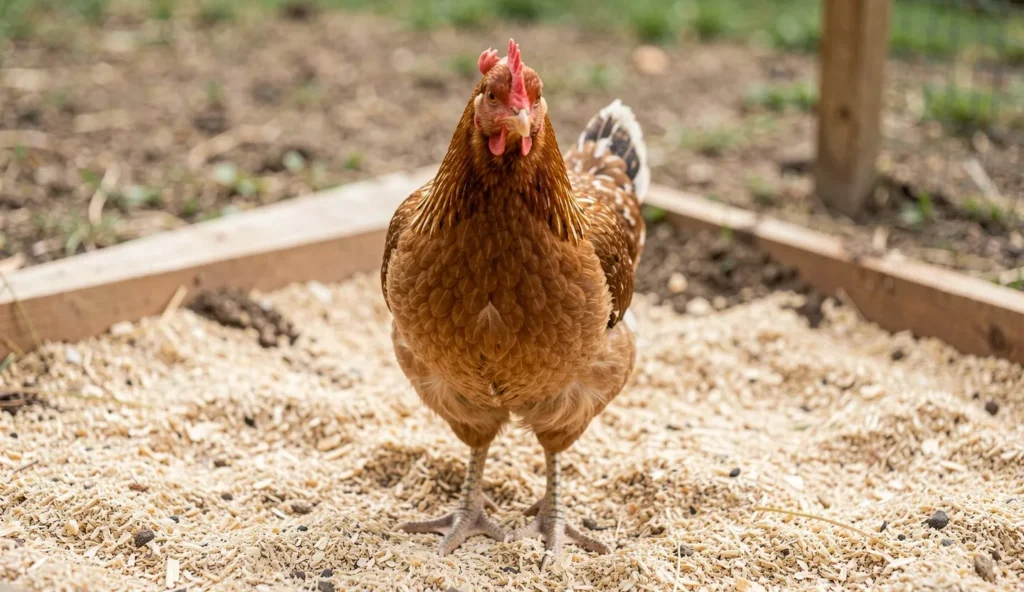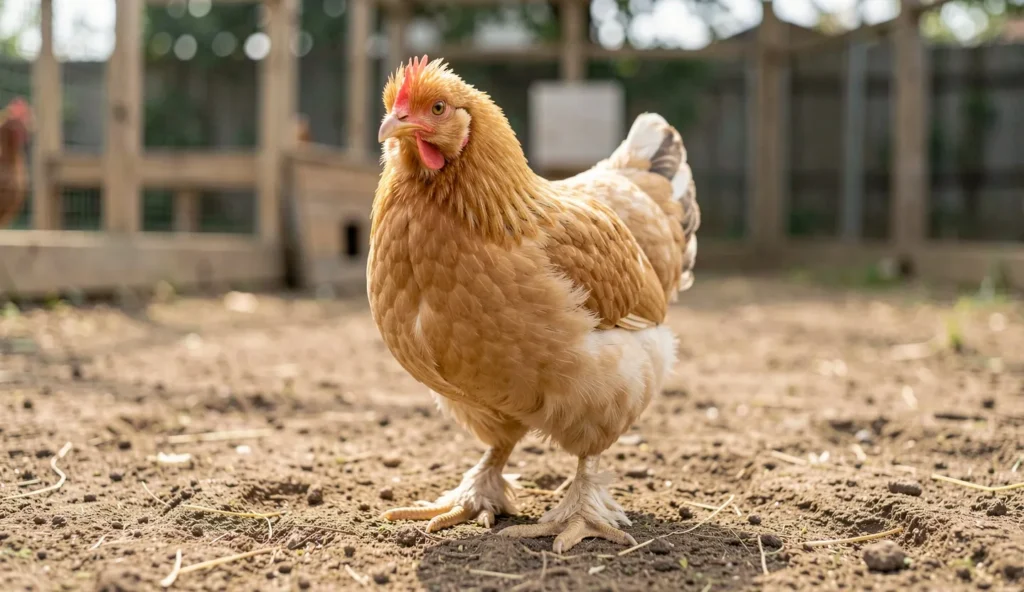
What Is a Barbu d’Uccle Chicken?
Barbu d’Uccle chicken refers to a small Belgian bantam known for dense feathering on the face and legs. The breed stands out because booted bantams and bearded bantams traits show up clearly even from a distance. Many backyard hobbyists choose Barbu d’Uccle for an ornamental, compact bird that still behaves like a working bantam. Owners typically appreciate how the heavy plumage creates a bold, well-defined look in small coops.
Breed Origin And Background
Barbu d’Uccle originated in Belgium and became known as a fancy bantam type. The breed typically gets kept for its appearance as much as its manageable size. Historically, Belgian poultry clubs favored bantam lines that expressed strong feather traits. Today, Barbu d’Uccle care often starts with matching the bird’s grooming needs to its feathered feet.
Key Traits That Make It Recognizable
Feathered feet give this bantam the booted look around the shanks. Facial feathering creates a bearded bantams appearance, with muffs that frame the face. The overall body stays compact and dense, so the bird appears fuller than its weight would suggest. Because the feathers cover areas that usually stay bare, owners must plan for moisture and cleaning.
Millie Fleur Color Variety Overview
Millie Fleur remains the most popular color pattern in the Barbu d’Uccle line. The typical impression comes from mottled, laced, or speckled body feathers rather than a single solid color. Patterning often varies by individual bird and can shift temporarily during seasonal molt. For keepers, Millie Fleur usually serves as the visual goal when selecting breeding stock.
Appearance And Physical Features
Barbu d’Uccle chicken recognition starts with the feathering and then moves to the pattern quality. Heavy leg plumage and a full face create a distinctive silhouette. Many birds look slightly larger than expected because feathers add volume. When color and feather density match expectations, the bird often looks crisp and well-finished even in an everyday coop.
Size And Build
This bantam stays small with a compact frame that suits typical backyard coops. Dense plumage can make the body appear thicker, which influences how the bird moves in limited space. Despite the ornamental look, the breed still forages on the ground and uses perches like other bantams. Good Barbu d’Uccle care balances comfort with clean space so the feathers do not collect debris.
Feathered Legs And Bearded Face
Leg feathers form a booted structure around the legs, which can trap dirt when the run becomes muddy. Facial feathers include beard and muff areas that can gather crumbs during feeding. This matters in wet weather because damp litter can cling to the leg feathers. Owners often reduce issues by keeping bedding drier and by checking the face feathers after meals.
Millie Fleur Markings And What To Look For
Millie Fleur usually shows a speckled or mottled effect across body feathers. Some birds look more laced, while others look more irregularly sprinkled, depending on breeding quality. Healthy feather tips and strong feather density help the pattern appear clean. During molt, feather regrowth can soften contrast, so evaluation works best when birds fully complete the cycle.
Common Color Expectations Beyond Millie Fleur
Although Millie Fleur gets the most attention, multiple recognized patterns exist in booted bantams lines. Pattern clarity can depend on genetics, selection pressure, and how well feathers regrow each year. Even in the same named variety, speckling can differ from bird to bird. A careful owner also monitors how molt changes the coat so the bird does not get misjudged too early.
Temperament And Personality
Barbu d’Uccle chicken typically shows a calm and curious attitude in backyard flocks. The bird often watches people from the coop entrance and responds to routine feeding. Sudden loud noises can still make any bantam jump, but the overall temperament usually stays manageable. Many owners find that consistent handling reduces stress around moving objects near the run.
General Temperament With People
In small flocks, this bantam commonly stays calm and interested rather than highly flighty. Birds may become alert around sudden movements, especially during the first days after joining a new group. With regular feeding times and predictable access to the run, settling typically improves. Because the face feathers can collect debris, calm behavior also supports easier grooming checks.
Social Behavior With Other Chickens
Barbu d’Uccle often does best with compatible bantam or similarly sized chickens. Dense feathering can make the bird look less agile, so other chickens may test the edges of acceptable spacing. Adequate run size reduces pecking pressure and allows clear escape paths. When space stays limited, feathered feet can also collect more mud, which makes stress worse.
Roosters Vs Hens In Daily Handling
Roosters can show more territorial behavior during mating season, even if the flock stays otherwise peaceful. Hens often keep busy with steady foraging and dust bathing. Owners usually reduce conflicts by observing how birds react to feeding time and entry into the coop. Adding new birds also works better when the coop has enough room for multiple routes to water and nests.
Exercise And Enrichment Needs For Bantam Keepers
Although Barbu d’Uccle chicken does not need long-distance exercise, it benefits from daily ground time. Enrichment helps prevent boredom and keeps foraging behavior active. The key focus remains safe movement on surfaces that do not damage feathered feet. When yard access gets planned for moisture control, the bird can scratch and explore with fewer grooming problems.
Safe Foraging Time And Yard Setup
Supervised free-ranging can work if the yard stays mostly dry and offers stable ground. A ground mix with fine texture supports natural scratching without excessive mud. Mud and wet litter can cling to booted bantams, increasing the risk of damp feathers. For that reason, owners often keep muddy areas limited and provide a drier zone for daily activity.
Roosting And Space Planning
Low to moderate roosts usually suit the compact body and heavy feathering. Roost bars should stay stable and not create slipping on feathered feet. Space planning helps multiple birds roost without constant crowding. When several birds share the same roost, the coop layout should allow enough distance for each one to turn and settle.
Enrichment That Supports Calm Behavior
Scatter feeding often encourages natural foraging and reduces competition at one bowl location. For calm behavior, small foraging trays can also work in the run. Dust bathing supports feather health, so dry sand or soil mix areas matter. Owners also keep enrichment consistent, since birds learn routines and interact more confidently with daily objects.
Housing Essentials For Booted Bantams
Housing plays a major role in Barbu d’Uccle care because feathered feet and face feathers need cleaner, drier conditions. Coop and run management directly affects skin comfort, feather appearance, and overall health. Ventilation must support airflow without chilling the birds. When humidity stays controlled, damp feather problems become less likely.
Coop Size And Ventilation Requirements
Provide enough floor space for the flock to move without constant crowding. Strong ventilation reduces moisture buildup, but drafts should avoid direct airflow across roosting birds. Humidity control matters because damp air can combine with wet bedding to worsen feather soiling. If ventilation feels inadequate, moisture tends to collect and the run can become more muddy.
Bedding Choices To Protect Feathered Feet
Bedding should absorb moisture and remain relatively dry between cleanings. Deep, wet litter can clump around the booted legs and increase friction during movement. Many owners switch bedding more often during rainy seasons. During those weeks, regular spot cleaning helps prevent soiled feathers from staying damp for long periods.
Run Design And Moisture Control
Run design often determines whether damp litter forms around leg feathers. Partial coverage can reduce direct rain exposure, which helps bedding stay drier. Drainage-friendly zones also reduce standing water and limit mud buildup. Even a small dry path can make daily movement easier for booted bantams.
Perches, Nest Boxes, And Draft Protection
Use bantam-sized nest boxes so hens enter comfortably and feathers stay intact. Place nests away from direct airflow and adjust entrances to keep wind from blasting inside. Perches should have a smooth surface that birds can grip without snagging leg feathers. When surfaces stay safe, Barbu d’Uccle chicken grooming becomes simpler because feathers suffer less friction damage.
Diet And Nutrition For Barbu d’Uccle Care
Nutrition supports feather growth, energy, and immune health, especially in a bird with dense plumage. Barbu d’Uccle chicken usually does well on a balanced bantam feed as the main diet. Feeding routines matter because dry feed and clean water reduce contamination risk around the bearded face. When diet stays steady, birds handle molt and daily activity with fewer disruptions.
Core Feed And Daily Feeding Routine
Start with a balanced bantam chicken feed as the base ration. Many keepers feed small amounts multiple times daily, which can keep intake steady. Feed should stay dry and stored in sealed containers to prevent spoilage. Owners should also measure treats, since too many extras can reduce overall nutritional balance.
Treats And Safe Additions
Greens, insects, and small portions of vegetables can serve as treats. Those additions help mimic natural foraging and can encourage steady beak work. Avoid sugary or salty foods, since they can disrupt routine nutrition. Limiting treats also helps maintain consistent body condition that supports feather quality.
Water Quality And Electrolytes
Fresh water must stay available and should be cleaned daily. Waterers require frequent scrubbing to prevent algae and bacteria from building up. Owners should also place water where birds do not track mud into the base area. Electrolytes can help only when needed and should follow directions from a qualified poultry professional or veterinarian.
Grooming And Care Tips For Bearded And Booted Bantams
Grooming for Barbu d’Uccle chicken centers on preventing dampness and debris buildup. The bearded bantams face and booted bantams legs gather crumbs and litter more easily than clean-legged breeds. Regular checks reduce skin irritation and help maintain Millie Fleur pattern clarity. With gentle handling, owners can keep feather condition high without damaging the plumage.
Daily Checks That Prevent Problems
Inspect leg feathering for matting or dampness before the day gets busy. Also check beards for debris after eating, especially when feeding dishes sit near the ground. Feet should be evaluated for redness, swelling, or odor, since those signs can point to irritation. When checks become routine, problems get identified early rather than after a feathering issue spreads.
Bathing, Drying, And Wet Weather Management
Dust bathing supports natural cleaning, so dry dust areas should stay accessible. If a bird gets wet, thorough drying afterward matters to prevent trapped moisture. Some owners separate damp birds from the flock so others do not peck at soiled feathers. This step often reduces stress while keeping the damp bird away from fresh litter.
Feather Maintenance For Millie Fleur Pattern Quality
Keeping feathered legs clean helps preserve overall appearance and reduces dulling of the coat. During rainy seasons, owners can limit mud contact by using a dry run section and more frequent bedding replacement. Handling should remain gentle, since heavy plumage can break when pulled or pressed. When grooming stays careful, Millie Fleur pattern contrast tends to look clearer over time.
Trimming And Grooming Boundaries
Trimming should focus on removing debris rather than cutting large feather areas. Avoid cutting into feather shafts, since injury can create bleeding and long-term feather damage. If trimming becomes necessary, guidance from a breeder or experienced poultry keeper often prevents mistakes. In many cases, cleaning and moisture control handle most grooming needs.
Some keepers also compare feather care methods with other ornamental birds, such as Barb pigeon, to understand how dense facial feathering affects daily cleaning routines. While species differ, the basic concept stays similar, since both feature heavier face feather structure that can hold debris. The same mindset helps owners plan safer feeding setup for a bearded bantams face.
Common Health Issues And Prevention For Small Belgian Bantams
Health issues often connect to moisture, ventilation, and parasite exposure. Barbu d’Uccle care works best when daily management prevents problems from starting. Damp bedding can lead to skin irritation and matting, while poor airflow can raise respiratory stress. Routine observation usually catches early changes before they become severe.
Leg Feather Problems From Moisture And Litter
Damp bedding can cause soiling and skin irritation under feathered legs. Matted feathering can trap moisture and dirt, increasing the time skin stays wet. Improving drainage and keeping litter dry often prevents these patterns from forming. Owners can also add more bedding during damp periods so the booted area stays separated from wet ground.
Respiratory Stress From Damp Housing
Respiratory stress risk increases when coops hold excess humidity and drafts reach roosting birds. Ventilation and humidity control reduce exposure to harmful moisture. Wet bedding should be removed promptly during warm or rainy weather cycles. When the coop dries out, breathing discomfort often becomes less noticeable.
Parasites And Routine Monitoring
Regular inspections for lice and mites reduce parasite buildup before it affects the flock. Dust bathing with clean dry material supports natural parasite control behavior. Poultry-safe prevention products can help, but a veterinarian should confirm the right choice and dosage. Early treatment often works better than waiting for feather loss.
Nutrition Linked Risks During Molt
Molt can create nutrient demands during regrowth, which sometimes leads to vulnerability. Maintaining steady feed and clean water helps support feather replacement. Owners should also avoid sudden diet changes while birds regrow feathers. When nutrition stays consistent, birds usually regrow more evenly and maintain body condition.
Comparing coop hygiene systems can also help, and some keepers look at Rouen Duck housing principles about moisture management. Ducks often face more water exposure, so their setups highlight drainage and bedding changes that matter. Translating that discipline to a feathered bantam run can reduce wet spots and lower skin irritation risk.
Breeding Basics And What To Plan Before Pairing
Breeding Barbu d’Uccle focuses on traits such as dense leg feathering, tidy face feathering, and Millie Fleur pattern expression. This type of selection needs careful planning, because quality feathering reflects both genetics and environment. Owners should prepare housing that supports clean bedding during breeding cycles. Stress control also matters to protect hens and to help keep developing chicks comfortable.
Selecting Breeding Stock For Booted And Bearded Traits
Choose birds with healthy, dense leg feathering and minimal chronic wet-feather issues. Selecting for tidy beards and good body conformation improves the odds of consistent offspring appearance. Breeding from birds with clean feather condition also makes grooming easier for the next generation. When selection avoids weak feather traits, Barbu d’Uccle care becomes more predictable.
Timing, Housing, And Chick Readiness
Broody setups or brooders should be prepared before pairing and egg laying begins. Warmth, clean bedding, and safe floors reduce chick stress and leg irritation risks. During breeding cycles, reduce drafts and maintain stable temperatures so chicks do not chill after hatching. Planning ahead also prevents rushed decisions that can lead to contaminated bedding.
Caring For Chicks With Future Feathered Feet Needs
Chick bedding must stay clean and dry to support feather development. Provide an appropriate starter feed and avoid sudden diet changes as chicks grow. Drafty brooder conditions can stress young birds and slow healthy development. With good care early on, the future booted bantams look often develops more evenly.
Starter Checklist For New Barbu d’Uccle Keepers
Barbu d’Uccle chicken ownership works best when readiness steps come before the birds arrive. A good starter setup reduces wet litter, limits debris, and supports daily monitoring. Use this checklist to confirm that coop, run, and routines match the breed’s booted bantams and bearded bantams traits. When setup stays consistent, daily care becomes simpler.
Day One Setup Checklist
- Bantam sized coop with clean, dry bedding
- Low roosts and stable perches that do not slip
- Ventilation that avoids direct cold drafts
- Waterer cleaned and refilled daily
- Balanced bantam feed with measured treat limits
- Dust bath area with dry sand or soil mix
- Run drainage plan to avoid mud around leg feathers
- Routine health checks for legs, beards, and breathing
For keepers expanding to other ornamental or small breeds, comparing care setups can help. Some owners also review Wyandotte Chicken coop basics to understand how airflow and bedding schedules affect feather health. Even though breeds differ, moisture control and routine inspection remain key themes.
Is a Barbu d’Uccle Chicken Right For You?
Barbu d’Uccle chicken suits hobbyists who want an ornamental bantam with a strong feathered-footed look. The breed works best for owners who can manage moisture and check feathers daily. When wet weather hits, extra attention often prevents leg and face feather issues. For bantam enthusiasts who enjoy careful husbandry, this can become a rewarding routine.
Best Fit For Bantam Enthusiasts And Hobby Flocks
- Great choice for ornamental bantam keepers
- Suitable for owners who can manage rainy litter
- Works well in small flock communities
- Ideal if daily inspection fits the routine
Potential Challenges To Consider
- Feathered feet require extra moisture control
- Grooming and checks take more time than average bantams
- Millie Fleur breeding can be quality selective
- Wet bedding increases the risk of irritation
Some owners who want to reduce grooming intensity may prefer cleaner-legged breeds. Still, with correct bedding and smart run design, Barbu d’Uccle care can stay manageable for many backyard hobbyists.
Frequently Asked Questions
What Makes Millie Fleur Barbu d’Uccle Chickens Look Different From Other Varieties?
Millie Fleur features a popular mottled or laced speckled pattern across feathers.
Do Barbu d’Uccle Chickens Handle Wet Weather Well?
They need extra moisture control because leg feathering can trap damp litter.
What Should Be Avoided During Barbu d’Uccle Care With Bearded Bantams?
Avoid letting bedding stay wet and avoid harsh trimming that damages feathering.
How Can Owners Reduce Mites And Lice In A Bantam Coop?
Perform regular checks, keep bedding fresh, and use poultry-safe prevention.
How Do Barbu d’Uccle Chickens Do During Molt?
Maintain steady feed and clean water while birds regrow feathers.
Are Barbu d’Uccle Roosters Aggressive Toward Other Birds?
Some roosters can be territorial, so monitor flock behavior and provide space.
Final Note
Barbu d’Uccle chicken keepers can expect strong visual rewards when moisture control and routine grooming stay consistent. With good housing, balanced feeding, and daily checks, these booted bantams and bearded bantams often thrive in backyard settings.