What Is An Old English Game Chicken?
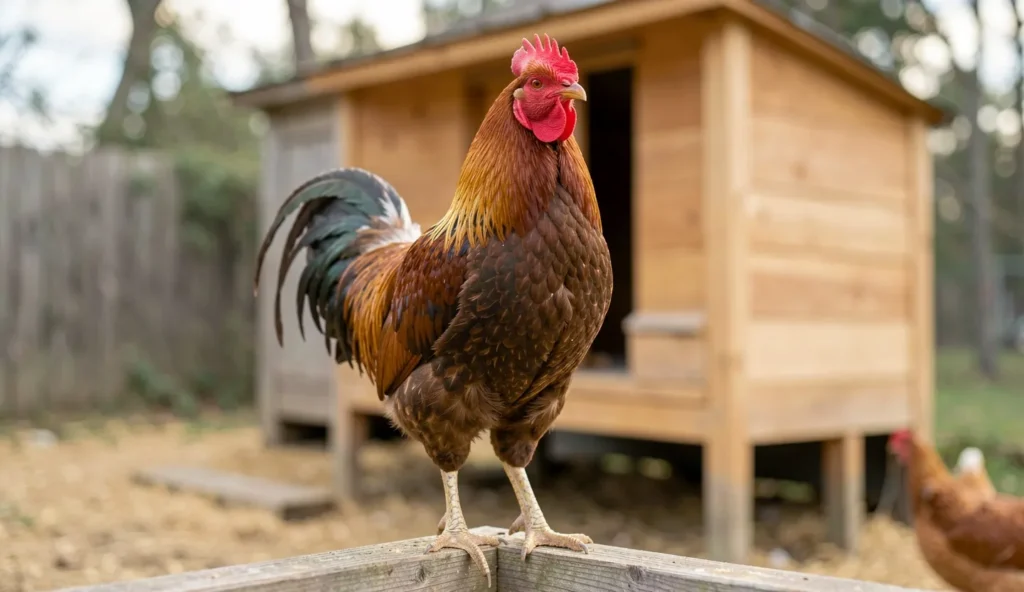
The Old English Game chicken is a traditional game fowl type kept for exhibition chickens, breeding, and show selection. This bird comes from early game line history in England, where toughness and athletic posture mattered. Today, the Old English Game chicken stands out because show breeding emphasizes a proud upright stance and consistent form.
Many keepers separate their interest between game fowl character and exhibition chickens form. When the goal is show quality, Old English Game care centers on posture, feather condition, and stable routines. In show settings, the Old English Game chicken typically gets evaluated as a balanced, alert bird with a clean outline.
Origin And What The Breed Was Selected For
Old English Game chickens were developed from game fowl performance lines that valued vigor and fighting instincts. Over time, breeders selected birds for traits that stayed reliable under handling and display. Modern exhibition lines focus on posture, vigor, and visible breed characters rather than performance against other birds.
Show birds often get selected from breeding programs built to protect the overall stance and body lines. Judges usually look for consistency across the group, including how the bird holds itself. As a result, show preparation starts long before show day.
Types Of Old English Game Birds
Standard Old English Game chickens are heavier and commonly kept in full size categories. Bantam OEG are smaller but keep the overall body style and show character. Both sizes can attract game fowl enthusiasts who want similar posture in a smaller package.
Different color varieties may exist within each size class. Some breeders focus on a single variety for tighter control of feather pattern, while others pursue broader genetics. Either path can work for exhibition chickens if selection remains consistent.
Key Traits That Show Judges Notice
Proud posture remains the first feature that many judges notice in an Old English Game chicken. The upright stance shows in how the body sits over the legs and how the head carries above the shoulders. Balanced lines matter because slight changes can alter the bird’s outline in photos.
Next, wide variety of colors and feather patterns often play a major role in scoring. Color pattern consistency helps the bird look sharp at a distance. Finally, alert head carriage and a stable, confident body line support the impression of quality.
Appearance And Color Varieties
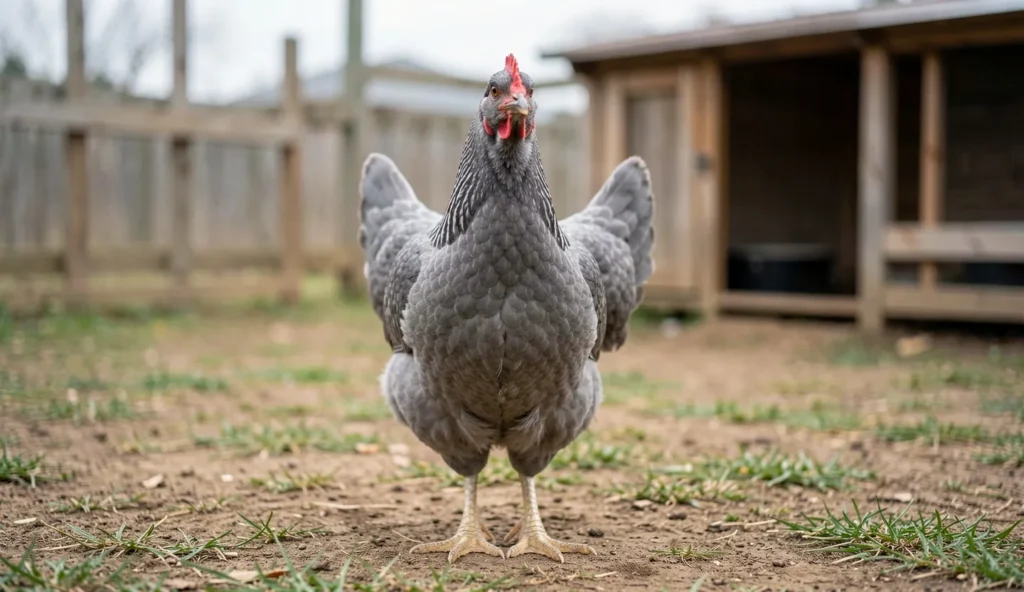
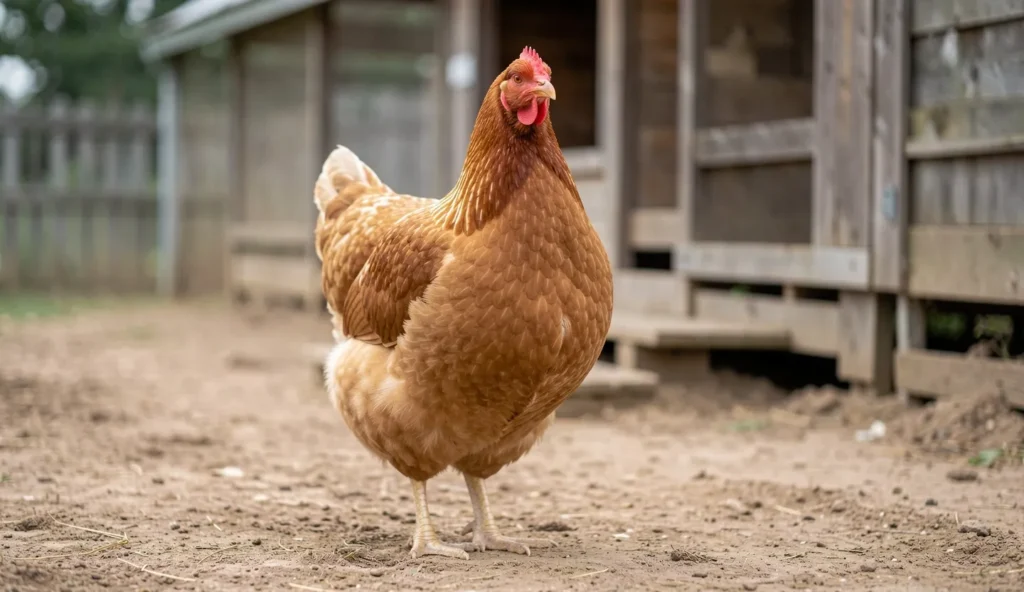
Old English Game chickens show a compact athletic frame with a distinct upright posture. This design supports the “show-ready” look that stands out in the ring. Along with form, the Old English Game chicken often draws attention for its broad accepted color selection and feather pattern variety.
Because judges evaluate the full outline, the bird’s position matters as much as the feathers. Proper condition supports the display of the natural body type. For show breeders, color and structure work together to create the final look.
Body Shape And The Typical Upright Stance
Upright carriage is a defining show feature in Old English Game chickens. The compact frame helps create an athletic, game fowl look rather than a flat or sloped appearance. Leg alignment strongly affects posture in photos and in person.
Even small issues like uneven footing can shift balance and reduce stability in the show stance. Stress can also lead to a less stable posture, especially during handling or caging. For that reason, Old English Game care usually includes stable routines and calm handling.
Head, Comb, And Facial Features
Distinct head proportions help complete the breed identity. The comb and wattles should match the bird’s type and appear tidy rather than swollen or irritated. Eye shape and expression often show alertness, which supports the confident stance.
When birds develop facial irritation or stress-related puffiness, it may affect how the head looks. Keepers often monitor facial cleanliness and watch for signs of respiratory issues. Those checks help preserve both appearance and comfort.
Feather Quality And Condition For Exhibition
Straight, well-set feathers help create a clean outline that holds up in close examination. Feather condition also affects how edges look during molt stages. Healthy plumage reduces fray and keeps the bird’s overall shape sharper.
During molt, feather growth can temporarily disturb the line and the show-ready pattern. That is why exhibition planning should consider timing. Consistent care supports smoother regrowth and better feather quality.
Wide Variety Of Colors And How They Show
Old English Game colors span many accepted exhibition shades and pattern types. Color pattern consistency often matters more than simply having color present. Judges may also compare how color appears across the body rather than focusing on one patch.
To protect feather condition and color appearance, separate housing may help prevent feather damage. Dirty feathers can dull pattern contrast and reduce the impact of the correct shade. For many keepers, poultry housing for show birds includes controlled spaces that reduce rubbing and rough contact.
When feather damage happens, breeding stock loses show potential quickly. That makes it easier to justify clean routines and protected outdoor areas for active birds. If other fancy varieties are part of a flock plan, comparing care habits can help, such as reading about an Old German Owl pigeon for housing discipline and show routine habits. The mindset transfers well across species.
Temperament And Handling Around People
Old English Game temperament often blends alert game fowl character with a trainable calmness in daily handling. Birds can be active and watchful, especially when they sense changes around them. With consistent handling, many birds accept routine exam steps without extreme reactions.
Still, individual lines vary, and behavior depends on both breeding selection and daily management. Stress can show as less stable stance, feather ruffling, or refusal to hold position. That is why calm routines support both welfare and exhibition chickens readiness.
Natural Behavior And Activity Level
Game fowl lines frequently show strong alertness and quick reactions to movement. Activity level can vary by individual, age, and how birds experience their environment. A calm routine reduces stress, which in turn supports steady posture and feather condition.
Birds also respond to how the coop and run operate day to day. Stable lighting, predictable feeding times, and secure fencing help keep reactions controlled. When the environment changes often, stress signals can appear more frequently.
Proud Posture Meets Everyday Management
Upright posture can make birds look more dominant even during normal resting. That visual intensity can increase during show preparation, especially when birds expect handling or caging changes. When pressure rises, some birds may show less stable stance and more ruffling.
Gentle handling reduces panic and makes exam routines easier. Consistency matters because birds learn quickly when touch and lifting follow the same pattern. Over time, the Old English Game chicken can become easier to lift, check, and settle back into a stable stance.
Coexisting With Other Birds
Male birds may require separation to limit fighting and injury. Even birds that share space peacefully can shift behavior during seasons or breeding cycles. In mixed groups, keepers often introduce birds gradually and watch body language for early stress.
Space and visual barriers can reduce tension in shared pens. If separation is limited, aggressive individuals may harm feather quality through chasing and pecking. For keepers maintaining multiple show types, the same discipline applies as seen in poultry plans like those used for a Sussex Chicken, where group management impacts health and condition.
Exercise, Training, And Show Preparation
Exercise supports muscle tone and feather upkeep, which helps the Old English Game chicken hold a steady stance in the ring. Show preparation also includes handling practice and caging routines that reduce stress. When routine care includes these steps, Old English Game care becomes easier to maintain across the season.
Preparation starts with daily movement, then becomes more focused as show dates approach. The goal is not only to keep birds active, but also to keep them clean, calm, and ready to pose. That balance supports consistent show results.
Daily Exercise That Supports Condition
Outdoor scratching supports muscle tone and encourages natural foraging behavior. Dry ground reduces mud stress and helps keep feathers cleaner. Adequate space also supports normal movement that reinforces the typical upright posture.
When outdoor areas stay wet or cluttered, feather soiling increases and can hide color contrast. Wet areas also increase risk for foot irritation. A well-managed run supports both comfort and exhibition chickens goals.
Basic Handling For Lifting, Feet Checks, And Exam
Consistent grip during lifting reduces panic and supports stable stance afterward. Handling routines should remain predictable and quiet, especially around the feet and legs. Feet checks help identify early issues before show day stress makes problems worse.
Quick exam sessions keep birds comfortable and improve show readiness. Wings and tail should receive attention only as needed, because unnecessary manipulation can increase stress. Over time, many birds learn that inspection ends after the check is completed.
Show Caging Routine And Reducing Stress
Move birds to transport cages early so they acclimate before travel or show hours. Clean, dry bedding in crates protects feather condition and reduces soiling during transit. Quiet and stable lighting help birds settle during pre show hours.
Crate fit matters for a stable stance, especially for birds with a strong upright posture. Overcrowded cages can create rubbing and uneven footing. For show breeders, a repeatable caging routine is often one of the simplest ways to improve presentation.
Molt Timing And How It Impacts Exhibition Plans
Molt changes feather quality and balance quickly, so timing plans must match feather regrowth. Some birds show improved line once new feathers set properly. Others look uneven while feathers still grow and harden.
Breeding and scheduling need to align with how each line molts. Proper nutrition supports feather outcomes and supports more even regrowth. When molt timing is ignored, the Old English Game chicken may lose show-ready outline for weeks.
Where nutrition and housing support recovery, results often improve. That is also true in other exhibition-minded poultry care, such as poultry management habits seen in English Pouter routines like “crop inflation control through calm handling,” where consistent handling helps prevent stress behaviors. Even though species differ, the approach to calm, repeatable handling translates well.
Old English Game Care For Housing And Grooming
Old English Game care for housing and grooming focuses on cleanliness, feather protection, and leg comfort. Because show evaluation depends on visible condition, small management problems can become big show issues. When housing and grooming stay consistent, the Old English Game chicken maintains the clean outline judges expect.
Care routines should also match the bird’s activity level and upright posture needs. Birds need stable footing, dry areas for scratching, and calm handling during daily checks. With the right setup, the bird’s natural display posture stays intact.
Housing Essentials For Exhibition Chickens
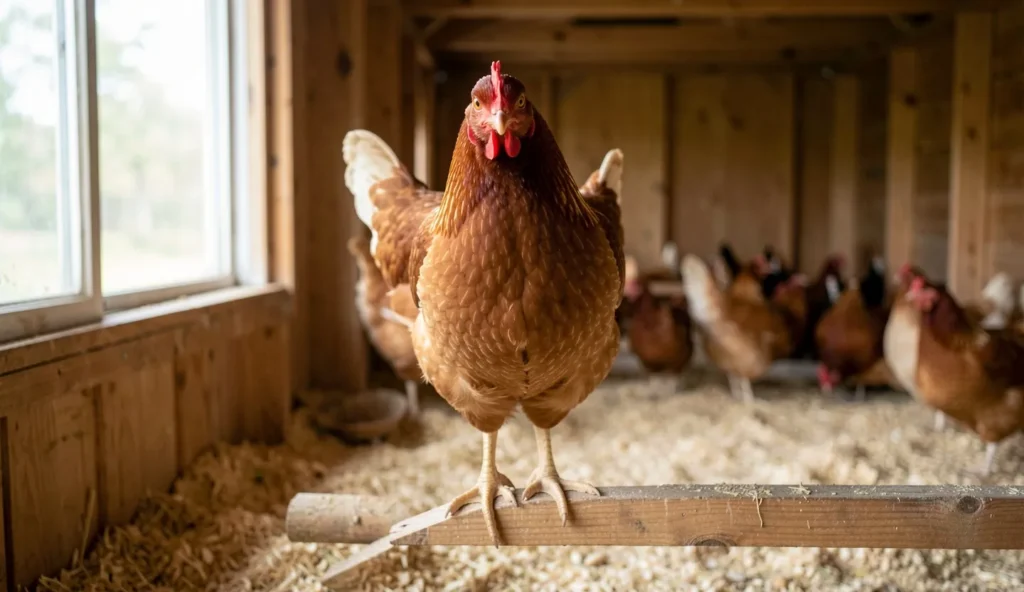
Use a secure coop with good ventilation and dry bedding. Ventilation prevents damp air buildup, which can harm feather quality and respiratory health. Provide roosting options sized for the bird’s class so the upright stance remains comfortable.
Separate by sex when necessary and keep aggressive individuals apart. That approach limits fighting and protects feather condition. Protected outdoor runs help reduce stress and prevent feather wear from rubbing and rough ground.
In shared operations, it can help to compare setups used for other birds, such as how fancy pigeon coops maintain cleanliness in show routines. For example, Saxon Shield Pigeon care emphasizes controlled environments that reduce feather damage, which aligns with the same basic principle behind poultry housing for show birds.
Bedding Choice And Daily Cleaning Steps
Wet bedding should be replaced immediately to protect plumage and keep the area dry. Spot cleaning high-traffic areas controls odor and reduces dirt pickup on feathers. Periodic disinfecting supports hygiene when birds are safely moved out.
Cleaning frequency matters more than disinfectant strength. Routine spot cleaning keeps bedding dry and reduces bacterial load. For show preparation, clean bedding also supports better crate and transport feather condition.
Grooming Basics For Feather And Leg Condition
Feather and leg inspection should happen as part of the daily routine. Inspect legs for swelling, sores, or abnormal coloring since discomfort can affect stance. A light brush of debris from feathers supports clean outline without heavy handling.
The vent area also deserves attention because moisture or residue can lead to irritation. Keeping that area clean supports comfort and reduces the chance of soiling feathers near the tail. These small checks often prevent show-day surprises.
Parasite Prevention And Dust Bath Setup
Dust baths support natural feather care behaviors and help birds keep feathers cleaner between full cleanings. Parasite prevention plans should match local conditions and seasonal risk. Treat early when lice mites appear to prevent lasting feather damage.
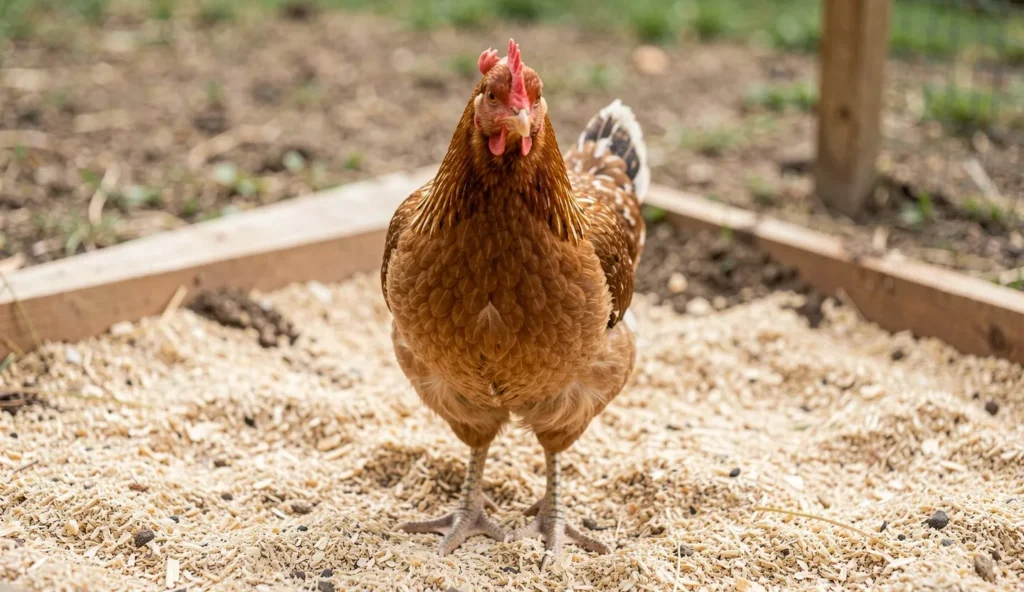
Dust bath setups need dry, loose material that birds can use comfortably. Wet, compacted areas can discourage bathing and increase parasite risk. When prevention stays consistent, the Old English Game chicken keeps feather quality during show season.
Transport Readiness Before A Local Show
Use cages sized for a stable stance and proper leg support during travel. Cages should protect from overheating by using shade and airflow rather than trapping heat. Keeping crates shaded reduces stress and helps birds remain calm.
Provide clean water access before departure and on arrival when the schedule allows. Water keeps birds stable during travel, especially on warm days. Transport planning can also include quick checks so minor issues get addressed before show evaluation.
When travel routines are consistent across different species in the same household, it becomes easier to remember equipment preparation. For example, Old German Owl pigeon shows also rely on clean crate staging and calm transitions, which parallels transport readiness for exhibition chickens.
Diet And Common Health Issues In Game Lines
Diet supports show condition by maintaining muscle, feather growth, and stable energy levels. Old English Game care often includes a quality feed base plus measured greens and treats. Nutrition affects feather quality, and feather quality affects how the bird’s outline reads in the ring.
Health issues usually start with environment and routine. Damp housing, dirty waterers, and unmanaged parasites can reduce vigor quickly. With early observation, many problems can be reduced before they impact exhibition performance.
Feeding Schedule For Growth And Show Condition
Feeding schedules should match the bird’s age and growth stage. Provide a quality feed base suitable for chicken age, then add greens and treats in measured portions. Grit availability can support digestion, particularly when birds forage outdoors.
Overfeeding treats can cause waste and may interfere with consistent condition. Keep portion sizes stable so weight and posture remain predictable. Stable feeding supports both game fowl character and exhibition chickens readiness.
- Use age appropriate feed as the main diet base
- Add greens in small, measured portions daily
- Limit high sugar treats during show prep
- Keep grit available if foraging needs it
Protein And Energy Needs For Different Life Stages
Chicks require balanced starter rations to support proper development and stable growth. Growers need steady nutrition to support stable frame and steady feather growth. Breeders and show birds often benefit from controlled conditioning rather than sudden diet changes.
Protein levels can influence feather regrowth during molt. If molt support nutrition is inconsistent, feather quality may lag behind schedule. For show breeders, the safest plan often involves adjusting gradually and tracking results.
Because poultry housing for show birds can affect how much feed birds actually consume, keep records of appetite and droppings. That practice supports decisions about whether the diet needs fine tuning or if the issue sits in cleanliness. Similar recordkeeping habits appear in caretaking guides like Plymouth Rock chicken routines, where steady feeding supports reliable condition.
Water Quality And Hygiene
Fresh water supports feather quality and digestion across the flock. Clean waterers reduce bacterial buildup and keep the environment from smelling sour. Water intake often changes with weather, so monitoring during hot periods helps maintain stable condition.
Water containers should receive regular cleaning, not only refilling. Dirty water sources can contribute to mild illness that lowers show readiness. When water stays clean, birds usually maintain better appetite and posture.
Common Health Issues And What To Watch
Respiratory issues can worsen when housing stays damp or dusty. External parasites can harm plumage quality and cause itching, which then affects the bird’s comfort and posture. Foot problems may appear when bedding stays wet or floors become rough.
Worm burdens can also reduce vigor and delay recovery during molt. When birds look slower, hold posture differently, or show reduced appetite, a health check often becomes urgent. Early intervention supports faster return to show-ready balance.
- Damp housing increases respiratory risk and feather damage
- Wet bedding can cause foot irritation and soreness
- Lice mites can reduce feather quality quickly
- Worm burdens can reduce vigor and show performance
Health Checks That Fit A Show Breeder Routine
Quick daily checks help identify early changes in posture, breathing, and feather appearance. Droppings consistency often signals problems before the bird looks obviously ill. Recording changes in appetite, weight, and feather look supports better decisions for show planning.
During exam practice, the feet and stance also get observed closely. That overlap means show preparation doubles as health monitoring. For many keepers, this approach works as well as routines described in Easter Egger chicken care, where consistent daily observation catches issues early.
Is An Old English Game Chicken Right For You?
An Old English Game chicken can fit owners who enjoy consistent show routines and take pride in presentation. The breed supports exhibition chickens goals when housing stays dry, grooming stays routine, and temperament management stays calm. When those systems exist, the Old English Game chicken posture and color variety can shine in the ring.
However, the bird’s needs also require planning, especially around separation, bedding management, and molt timing. Owners who want minimal handling may struggle to preserve show quality. The best fit comes from people who understand that show readiness depends on routine, not luck.
Good Fit If The Goal Is Exhibition Chickens And Variety
Old English Game care works well for breeders who value posture and color consistency. Game fowl enthusiasts who want alert character without chaotic management may enjoy the breed. It also suits hobbyists who can handle daily health checks and light grooming without rushing.
The wide range of colors also attracts keepers who like selecting and refining visible traits. When a breeder focuses on one variety, selection becomes easier. When a keep chooses several, careful recordkeeping becomes more important.
Not A Good Fit If Housing And Separation Are Limited
Separation often matters for male birds, and many setups require pens that limit fighting. Limited space can increase stress, which can affect upright posture and feather condition. Wet bedding and clutter can also quickly harm feather quality and color appearance.
Limited time can reduce the ability to address issues early, especially during molt. If show readiness depends on grooming and crate preparation, consistent time helps. Otherwise, the Old English Game chicken may not maintain the clean outline expected by judges.
Starter Checklist For New Owners
A practical checklist helps new owners set up Old English Game care correctly from the start. This list focuses on the essentials that protect posture, feather condition, and show readiness. With these basics in place, routine becomes easier to maintain.
- Dry bedding and strong ventilation in the coop
- Secure run with space for scratching and movement
- Quality feed base plus measured greens and treats
- Dust bath area for natural feather care
- Routine parasite prevention plan and daily checks
- Transport cages ready before the first show trip
Choosing the right beginnings also means planning for season shifts. For example, Leghorn chicken management emphasizes how space and activity affect condition, which can help any new owner understand run planning. When setup and routine stay consistent, show goals become more realistic.
Frequently Asked Questions
How Long Does It Take An Old English Game Chicken To Grow Out For Showing?
Growth time varies by purchase age and line selection, and show readiness depends on feather set and stable body balance.
What Is The Best Bedding For Old English Game Care To Keep Feathers Clean?
Use dry, absorbent bedding and remove wet spots daily, with regular bedding replacement to prevent soiling.
Do Bantam OEG Chickens Need Different Housing Than Standard Old English Game?
Bantam OEG need the same cleanliness and ventilation principles, with perches and spacing adjusted to their smaller size.
How Should Game Fowl Enthusiasts Handle Old English Game Chickens For Show Exams?
Handle gently and consistently for fewer stress reactions, and practice quick feet and feather checks before the show.
What Common Health Problems Affect Old English Game Chickens Most Often?
Damp housing can trigger respiratory issues, while external parasites and wet bedding can cause feather and foot irritation.
A Calm Routine Supports Strong Show Condition
Old English Game chickens reward steady care through clean housing, routine grooming, and calm handling. When these basics remain consistent, the proud posture and color variety typically present at their best.