What Is an African Owl Pigeon
The African Owl Pigeon is a rare and distinctive fancy breed known for its compact body, short beak, and rounded head. This breed originated in North Africa, likely from the region that includes modern-day Tunisia and Algeria. It belongs to the owl pigeon group, named for the short facial structure that resembles an owl. Collectors prize the African Owl for its unique appearance and calm temperament.
Breed Origins and History
The African Owl Pigeon was developed centuries ago from crosses between local North African pigeon stocks and imported European owl breeds. Early fancy pigeon enthusiasts in Germany and England refined the type during the 19th century. The breed remains relatively rare compared to more common owl pigeon varieties such as the Old German Owl. Its African ancestry gives it a distinct silhouette with a more rounded crown and a noticeably short beak.
African Owl Pigeon Appearance and Physical Traits
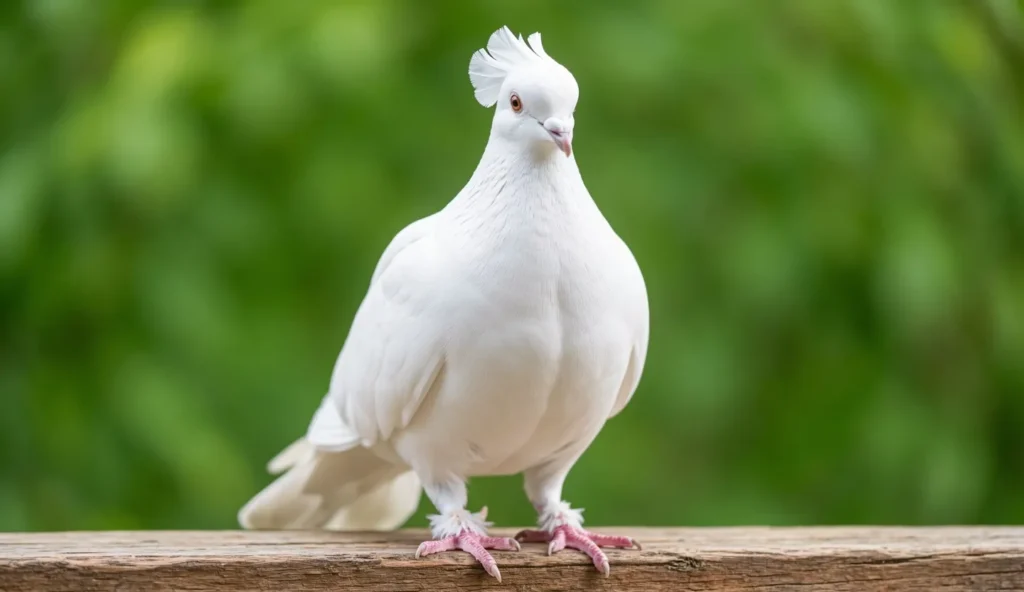
The African Owl Pigeon is a small to medium-sized breed with a compact, upright posture. Its most striking feature is the short, thick beak set into a rounded head. This gives the face a soft, owl-like profile. The body is broad-chested and well-muscled, with wings that rest neatly above the tail.
Size and Body Structure
- Weight: 300 to 400 grams
- Length: approximately 25 to 30 centimeters
- Body shape: compact, rounded chest, short back
- Legs: short, clean of feathers
Feather Type and Texture
The plumage of the African Owl Pigeon is smooth, tight, and close-lying. Feathers on the neck often show a subtle sheen in good light. The tail is short and broad, and the wing tips cross above the tail. This clean feathering is a hallmark of the breed and makes grooming relatively simple.
Rare Color Variations in African Owl Pigeons
Color enthusiasts and collectors seek out African Owl Pigeons for their striking and unusual color morphs. Many of these colors are governed by recessive or complex genetic interactions. While standard colors such as white, red, yellow, and black exist, the rarest variations command higher prices and greater attention in show circles.
Red African Owl Pigeon
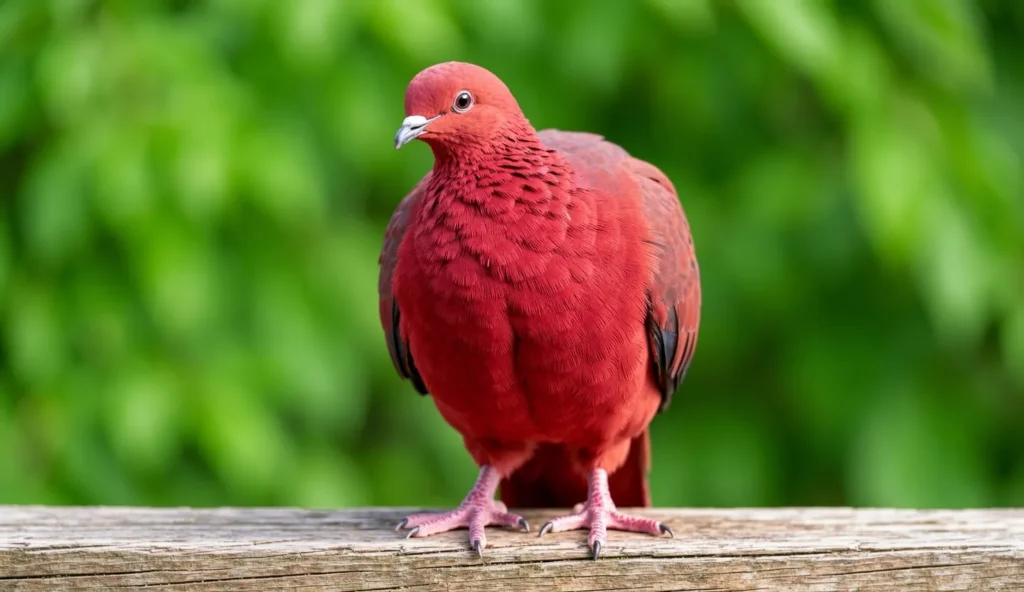
The red African Owl Pigeon displays a deep, rich mahogany to bright cherry-red body. Wing bars may appear slightly lighter or darker. This color is produced by the recessive red gene, which masks any underlying pattern. The red morph is moderately rare but highly sought after for its vivid appearance.
Black African Owl Pigeon
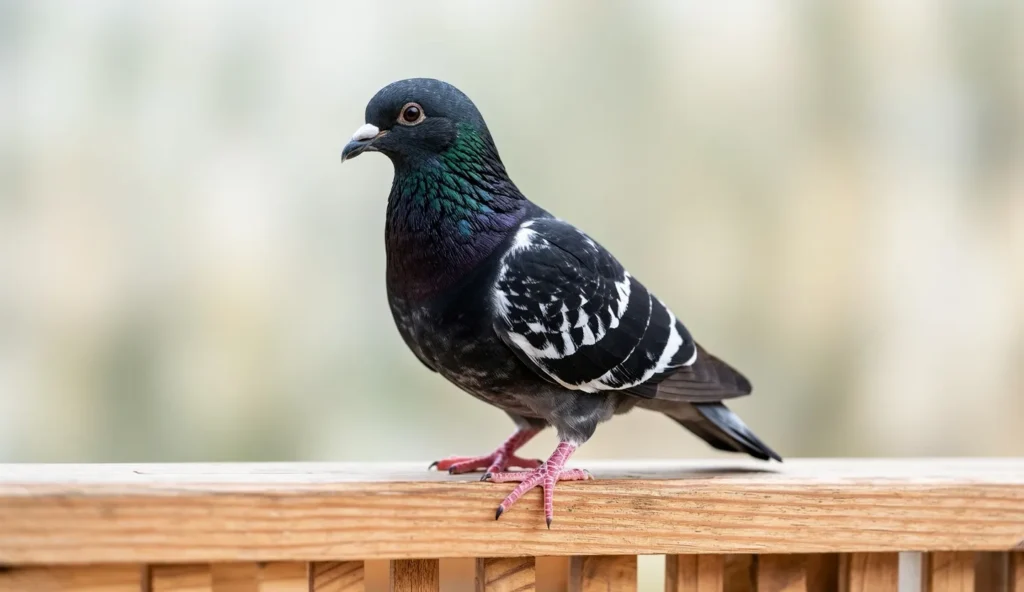
Jet black plumage with a greenish or purplish sheen defines the black African Owl Pigeon. Some individuals show white flight feathers. The recessive black gene must be inherited from both parents for this color to appear. Black birds are among the most striking in any collection.
Yellow African Owl Pigeon
The yellow African Owl Pigeon ranges from a pale buttercream to a rich golden hue. The eyes of yellow birds are often orange or red. This color results from a dilution of the red base pigment. Yellow is considered rare because the dilution gene must be paired with the appropriate base color.
Blue African Owl Pigeon
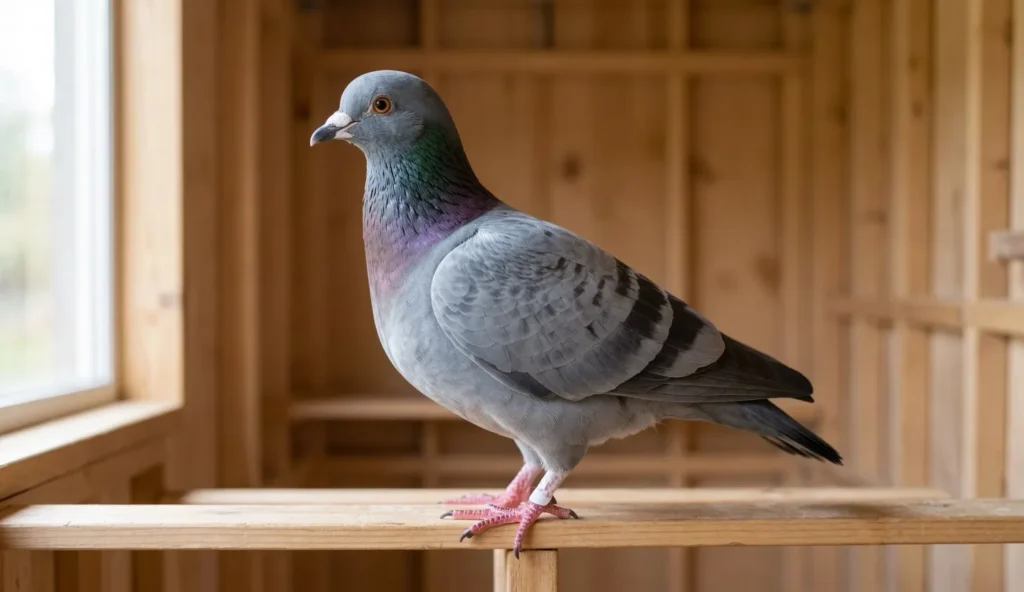
A steel-blue body with two dark wing bars characterizes the blue African Owl Pigeon. True blue is extremely rare in this breed because the dominant blue allele is not common in African Owl pigeon lines. The shade is reminiscent of the Ice pigeon, though the body shape is different. Blue African Owls are prized by serious collectors.
Dun African Owl Pigeon
Dun is a muted, dusty brown color that resembles a washed-out version of blue. It is caused by a brown dilution gene acting on the blue base. Dun birds appear almost sage or taupe in natural light. This morph is exceptionally rare and often confused with blue in poor lighting conditions.
Grizzled African Owl Pigeon
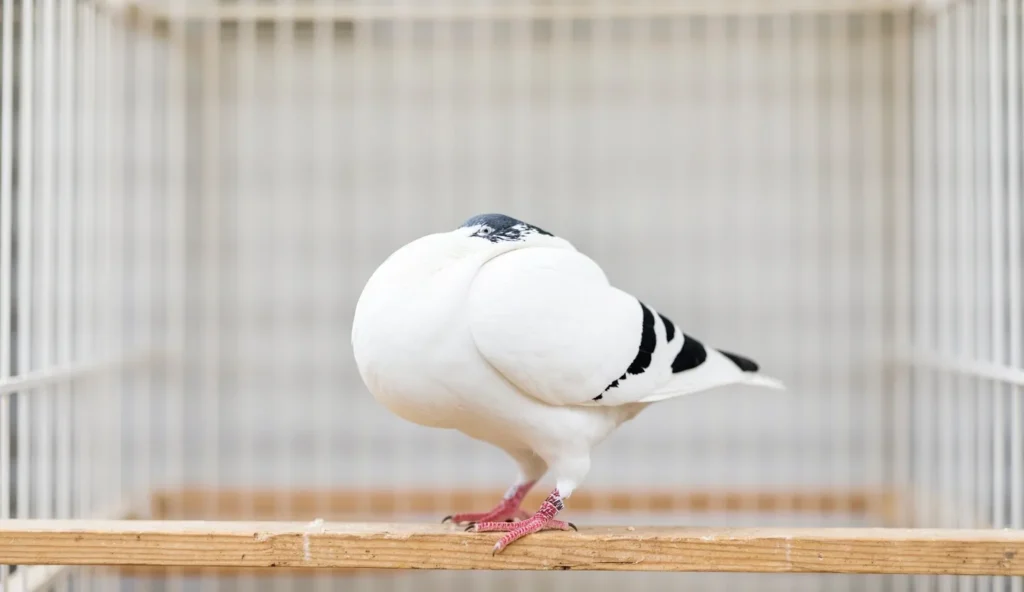
The grizzled pattern shows white flecks scattered through the body feathers, creating a salt-and-pepper effect. This is not a solid color but a pattern mutation. Grizzled African Owl Pigeons can occur on any base color. The irregular spotting makes each bird unique. The Saddleback pigeon has a similar color-block pattern, but grizzle is more dispersed.
Genetics Behind African Owl Pigeon Colors
Understanding color genetics is essential for anyone breeding African Owl Pigeons for rare colors. Pigeon color inheritance follows simple Mendelian rules with some unique additions. The three primary alleles on the sex-linked color locus are ash-red, blue, and brown. These interact with autosomal genes for pattern and dilution.
Basic Color Genes
- Ash-red (dominant) produces a reddish or orange tint
- Blue (dominant to brown) creates slate gray with black bars
- Brown (recessive) gives a chocolate or tan shade
- Recessive red masks all other colors, appearing as solid red or yellow
Pattern Genes That Affect Color
The spread gene turns the pigeon entirely black by extending pigment across the whole feather. The grizzle pattern is a dominant mutation that introduces white flecks. Barring and checker patterns are controlled by separate alleles that modify where dark pigment appears. Combining pattern and color genes produces the wide range of owl pigeon colors seen today.
Breeding for Rare Colors
Breeders aiming for rare color morphs must pair birds that carry the desired recessive genes. For example, breeding a blue hen with a blue cock will produce only blue offspring if both are homozygous. To produce a yellow African Owl Pigeon, one needs recessive red plus the dilution gene. Outcrossing to lines like the Nuns pigeon can introduce new color genes but requires careful selection to preserve breed type. Patience is critical because recessive traits may skip generations.
Temperament and Personality of African Owl Pigeons
The African Owl Pigeon is known for its calm, gentle nature. These birds are not aggressive toward other pigeons and adapt well to loft life. They display a quiet curiosity rather than nervous energy. Handlers find them easy to catch and examine, which makes them suitable for show preparation.
Suitability for Collectors
Collectors appreciate the African Owl Pigeon for its docile temperament and manageable size. The breed does not require extensive flight space, though a well-ventilated loft is necessary. Its calm disposition also makes it a good candidate for mixed collections with other fancy pigeon breeds such as the Jacobin pigeon. Beginners can start with common colors, while experienced breeders can explore rare color projects.
Care Tips for African Owl Pigeons
Caring for African Owl Pigeons follows standard fancy pigeon husbandry. Their short beak and compact body do not impose special needs, but attention to loft cleanliness and nutrition is vital. All colors require the same care; color does not affect health or maintenance.
Housing Requirements
- Minimum loft size: 1 square meter per pair
- Perches at least 2.5 cm wide for comfortable gripping
- Draft-free but well-ventilated enclosure
- Clean bedding replaced weekly to prevent respiratory issues
Diet and Nutrition
Feed a high-quality pigeon grain mix containing corn, wheat, peas, and sorghum. Provide grit and crushed oyster shell separately for digestion and calcium. Add fresh greens such as spinach or dandelion leaves once a week. During breeding or molting, supplement with protein-rich pellets or boiled eggs.
Grooming and Health Checks
Inspect feathers monthly for mites or lice. Trim overgrown beaks and nails with caution. Provide a clean water source changed daily. Bathing dishes should be shallow, as African Owl Pigeons bathe frequently when temperatures allow. Regular handling helps detect weight loss or injury early.
Common Health Issues in African Owl Pigeons
African Owl Pigeons are generally hardy, but they can suffer from the same problems as other pigeon breeds. Respiratory infections, canker (trichomoniasis), and external parasites are the most frequent concerns. The short beak may sometimes cause feeding difficulties if the bird has a misaligned bite.
Prevention and Management
Prevent respiratory illness by keeping the loft dry and dust-free. Treat canker with proper hygiene and veterinary-approved medications. Regularly quarantine new birds for at least 30 days. A balanced diet and clean water significantly reduce the risk of disease. Early detection is key to successful treatment.
Is the African Owl Pigeon Right for You
The African Owl Pigeon suits collectors who value rare colors and a calm companion bird. Its small size makes it ideal for limited space, yet its distinctive look stands out in any loft. Those interested in breeding rare color variations will find this breed a rewarding challenge.
Considerations for Collectors
If you want to focus on rare colors, study basic pigeon genetics and be prepared for multiple generations of selection. Join a local pigeon club or online community dedicated to the african pigeon breed. This breed’s rarity means high-quality stock can be expensive, but the satisfaction of producing a perfect red or blue African Owl is unmatched.
Frequently Asked Questions
What is the rarest color of African Owl Pigeon?
The rarest color is often the true blue African Owl Pigeon, though some collectors consider the red or grizzled variations equally scarce because of the specific genetic combinations required.
How to breed rare color variations in African Owl Pigeons?
Select parent birds that carry the recessive genes for the desired color, keep detailed breeding records to track inheritance patterns, and be prepared to wait several generations to stabilize a rare color line.
Do African Owl Pigeons have specific care needs based on color?
No, color does not affect basic care requirements. All African Owl Pigeons need the same diet, housing, and health attention regardless of their plumage.
Are African Owl Pigeons good for beginners?
They are calm and easy to handle, suitable for beginners. However, breeding rare colors requires experience and knowledge of genetics, so novices may want to start with common colors first.
What is the difference between African Owl and other owl pigeons?
African Owl Pigeons are smaller with a more rounded head and shorter beak. They have a distinct compact body compared to European Owl breeds like the Old German Owl or the Dutch Owl.
How much do rare color African Owl Pigeons cost?
Prices vary widely, from around 100 dollars for common colors to over 500 dollars for rare morphs. Show-quality rare birds with proven genetics can cost significantly more.
Final Note
The African Owl Pigeon offers a unique blend of beauty and calm demeanor that appeals to avid collectors. Whether you pursue rare color variations or simply enjoy a quiet loft companion, this breed delivers satisfaction with every glance.