What Is An Arctic Wolf
An arctic wolf adaptations overview starts with a clear identification of the animal and its subspecies. The Arctic wolf is a wild canid often referred to as a white wolf or tundra wolf. It belongs to the taxonomic group Canis lupus arctos and lives in Arctic and subarctic regions.
Although the terms “white wolf” and “tundra wolf” appear in common speech, these names typically point to the same Arctic subspecies rather than a separate species. For anyone interested in wolf-like breeds, setting expectations early helps with responsible decisions and safer handling plans.
Species And Name Used In Reference
Canis lupus arctos is the scientific name used to describe the Arctic wolf. In many references, the same animal is also called a white wolf or tundra wolf. These labels usually describe coat tone and habitat rather than a different lineage.
To compare how other wolves adapt to different climates, some readers explore species profiles such as Gray Wolf to see how body traits and behavior vary across regions. This background improves realism when mapping arctic wolf adaptations to daily care expectations.
Where It Lives In The Wild
Arctic wolves live in open tundra, icy plains, and cold coastal areas. Seasonal food changes influence where packs travel, den, and hunt. Long distances often separate den sites from reliable prey zones.
As winter intensifies, the hunt may shift toward areas with higher prey density. During low food periods, scavenging can become more common depending on conditions and local carcass availability.
What Makes It Different From Other Wolves
The most noticeable differences tied to arctic wolf adaptations include cold-focused physical traits and group-based survival. A white or pale coat helps reduce visibility in snowy habitats. Pack cooperation also supports hunting and reduces the risk of injury during pursuit.
Even so, Arctic wolves still follow the same core canid patterns as other wolves, including strong scenting, keen hearing, and high awareness. Comparing similar wild canids helps owners understand which traits are instinctive and hard to “train out.”
Appearance And Physical Features
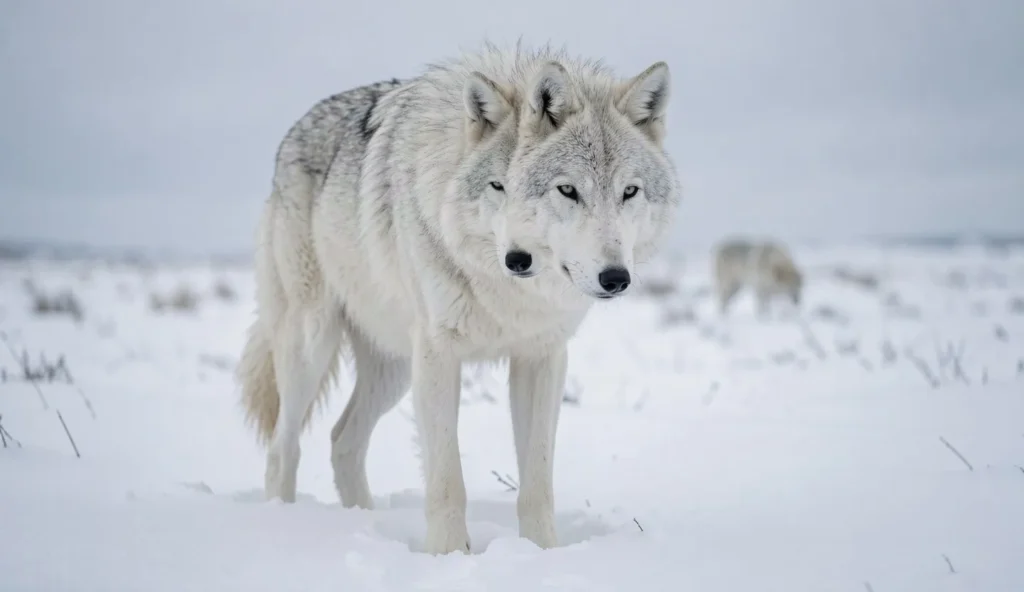
Arctic wolf appearance reflects insulation needs and efficient movement over snow. The coat often looks white to pale gray, with dense fur that blocks wind and traps air close to the skin. That thick double coat does more than look good in photos.
Body shape supports endurance rather than sprinting alone. Broad chest features and strong legs help the animal travel long distances while maintaining traction. Sensory adaptations also help wolves locate prey and communicate in low-visibility conditions.
Coat Color And Seasonal Changes
Arctic wolves typically show a white coat with variations toward pale gray. In winter, the fur thickens to increase insulation, and the overall look becomes lighter to blend with snow. In warmer seasons, the coat tone may shift based on environment and shedding cycles.
Because the undercoat changes with seasons, the shedding volume also changes. Regular brushing reduces undercoat buildup and helps keep skin healthy, especially during seasonal transitions.
Body Size And Build
Wolf builds prioritize endurance and efficient travel, which matters for hunting and den care. A broad chest supports strong breathing during cold work, while strong legs maintain traction in snow and ice. Dense fur around the body and tail reduces heat loss while standing or moving.
Weight distribution and stride efficiency also affect how much energy the animal uses while covering terrain. These traits connect directly to arctic wolf adaptations related to movement on frozen ground.
Face, Ears, And Sensory Adaptations
Ears help balance heat loss with the need for strong hearing. A dense muzzle and surrounding fur reduce cold air exposure at close range. Meanwhile, scenting ability helps locate prey under snow cover or near dense vegetation.
High sensory awareness supports faster decisions, especially when prey moves unpredictably. For owners, this level of alertness means environmental stimulation can impact stress and pacing.
Arctic Wolf Adaptations For Survival In The Tundra
Arctic wolf adaptations show up in clear categories such as coat insulation, movement efficiency, hunting strategies, and communication. Each category works together to support survival under extreme cold and uneven food availability. Understanding these factors helps owners plan safer, more realistic care approaches for wolf-like companions.
Because wild canids require complex management, care must start with context. A pet that displays arctic wolf adaptations behavior often needs a structured routine that matches natural patterns as closely as practical.
Insulation And Body Heat Management
A dense double coat traps warm air close to the skin and reduces wind chill. Long guard hairs protect the undercoat from snow and strong gusts. Dense fur around the legs also limits heat loss while walking on cold ground.
In addition, wolves manage body heat by adjusting activity levels and resting patterns. When conditions tighten, they may conserve energy by resting more often and hunting strategically rather than continuously.
Mobility On Snow And Ice
Snow traction depends on strong paws and balanced weight distribution. Efficient gait limits wasted energy during long travel, which matters when prey is not guaranteed. Trail choice also changes based on snow depth, crust type, and visibility.
These movement patterns translate into a real care issue for captive environments. If exercise lacks footing, footing traction becomes uneven and stress increases. Owners should plan surfaces that support safe movement and reduce slipping.
Hunting Strategy And Energy Use
Cooperative hunting can lower injury risk and raise the chance of a successful outcome. During lean seasons, energy budgeting becomes more critical, which may reduce long chases. Opportunistic scavenging can also fill gaps when prey is scarce.
From a management standpoint, high prey drive can persist even in captive settings. If a pet has consistent access to enrichment and structured feeding, the risk of frustration behaviors may reduce.
Communication And Pack Coordination
Howling supports long-distance contact so a group can stay aware of location. Body language helps reduce conflict and guides coordinated movement across terrain. Role sharing within the pack affects hunting outcomes and also shapes day-to-day social stability.
When communication signals get misunderstood, stress increases. Consistent routines and clear boundaries can reduce tension, especially for wolf-like animals that thrive on predictability.
For readers comparing pack-centered survival, it can help to review other wolf profiles such as Eastern Wolf to see how pack coordination functions across different habitats. That comparison clarifies which behaviors relate to social structure versus cold adaptation alone.
Temperament And Pack Behavior
Arctic wolf temperament typically reflects social living and high situational awareness. Pack behavior often supports cooperative routines, and individuals rely on group contact for stability. As a result, many wolf-like animals need structured management rather than open-ended freedom.
In homes that lack consistent leadership and supervision, stress can show up as pacing, excessive barking or howling, and difficult handling. For pet owners interested in wolf-like breeds, understanding pack behavior can prevent avoidable conflicts.
Social Structure And Pack Rules
Pack organization centers on cooperation and social stability. Hierarchy shapes daily interactions and can determine access to resources within the group. Wolves also coordinate around hunting and den care, which influences how routines form.
When a human household replaces “the pack” without clear structure, confusion can occur. Consistent leadership, predictable schedules, and careful management help reduce stress and keep handling calm.
Typical Behavioral Traits
Arctic wolves often show high awareness of surroundings and rapid response to changes. A strong prey drive is common in wild canids, and that drive affects reaction to small animals. Many wolf-like animals also benefit from structured routine and mental stimulation to reduce boredom.
Because these traits can appear natural, owners may underestimate how much management is required. A pet may look calm, but it can still scan for movement and scent cues throughout the day.
How Social Needs Show Up In Daily Life
Social needs can become visible when isolation increases stress. In many cases, unwanted behaviors increase when contact and structure drop suddenly. Consistent boundaries and predictable environment matter most.
Social interactions should be supervised, especially around visitors and household pets. Clear rules reduce misunderstandings, since pack instincts often interpret inconsistent behavior as unstable leadership.
To understand how differing habitats influence behavior, some owners compare Arctic wolf expectations with broader canid social patterns in resources like Alaskan Malamute. While a malamute is not a wolf, working-dog social needs can illustrate why routine and leadership matter.
Exercise Training And Enrichment Needs
Exercise planning for arctic wolf adaptations should focus on endurance, scent-driven engagement, and safe footing. In many home settings, long off-leash sessions are not realistic, and that limitation must be planned for. Activity should match the animal’s stamina needs without causing overheating or joint strain.
Because instinct often drives behavior, training works best when it uses consistent cues and reward-based methods. Enrichment also matters, since many wolf-like pets can become frustrated when allowed to self-direct all time.
Daily Exercise Requirements
Long walks and off-leash time usually do not fit most neighborhoods or legal setups. Instead, daily activity should match endurance needs through planned leash sessions and controlled play. In colder weather, outdoor time can be longer, but limits still apply.
Owners should avoid sudden heat exposure and also watch for fatigue on hard surfaces. If the animal shows slowed movement or reluctance, reduce intensity and shift to mental work.
Training Basics That Work For Wolf Like Instincts
Start with short, consistent training sessions and clear cues that remain stable over time. Reward-based training with high value treats supports learning, especially when the pet is motivated by scent. Recall readiness, leash manners, and calm routines should be built step by step.
Because instinct can overpower attention, training works best when distractions gradually increase. If conflict starts, training should pause and reset rather than forcing the animal through a stressful attempt.
Enrichment Ideas For Mental Engagement
Scent games match natural investigation instincts and can reduce pacing. Puzzle feeders can slow eating and decrease boredom during longer indoor periods. Rotating activities prevents habit learning and keeps attention from turning into frustration.
Enrichment should also support safe behaviors in the house. If chewed objects become a problem, replace them with structured options designed for strong-jaw canids.
Some owners also use habitat education from wolf-focused content, which can help them plan management rather than improvising. For example, reviewing a wolf subspecies profile like Himalayan Wolf can give insight into how wild canids adjust behavior based on environment. That approach supports better routine planning, even when climate differs.
Grooming Diet Health And Care Essentials
Care for a white wolf look and coat requires attention to shedding, skin comfort, and paw health. A thick double coat manages cold conditions in the wild, but it also traps debris in captive settings. Grooming must support coat health and reduce skin irritation.
Diet should match active needs and include high quality protein. Health planning should also include dental checkups and joint condition monitoring, since inactive periods and overfeeding can both affect long-term wellbeing.
Grooming Tips For The White Coat
Brush regularly to manage shedding and prevent undercoat buildup. Use tools suited for thick double coats and work gently to avoid skin irritation. After cold outdoor time, check paw pads for dryness, cracking, and debris.
If the environment uses ice melt chemicals, rinse paws carefully and dry them well. That step reduces irritation and helps avoid licking or chewing at sensitive areas.
Diet And Feeding Approach
A diet should support a cold-adapted, high-endurance body with a strong protein base. Calorie needs may change when activity levels drop, especially during seasonal transitions. Monitoring weight helps keep the pet stable rather than relying on guesswork.
Because feeding plans vary widely by age and conditioning, a qualified vet should confirm a diet plan for wolf-like canids. That guidance reduces the risk of nutrient imbalance and digestive issues.
Common Health Issues To Watch For
Dental issues can develop without regular checkups, and tartar buildup can affect chewing comfort. Skin irritation may increase during heavy shedding periods if the undercoat stays packed. Joint stress can occur when conditioning does not match activity demands.
Routine wellness exams make early detection more likely. If limping, unusual fatigue, or skin redness appears, schedule veterinary evaluation promptly.
Housing And Safety Considerations
Secure fencing is essential due to strong roaming drive and high curiosity. Wind and precipitation exposure should be managed with shelter designed to protect against drafts. Fresh water access must remain consistent, even when outdoor temperatures fall.
Temperatures also matter for health. If extreme cold conditions occur, ensure the animal cannot get wet and stay wet, since prolonged dampness can lead to skin and coat problems.
Since legal rules vary by location, it helps to understand regulations for wolf-like animals before purchasing or relocating. Owners may find more context in broader canid resources, including Red Wolf, to understand how conservation status and wild behaviors affect handling discussions. That research supports better long-term planning and safer outcomes.
Is An Arctic Wolf Right For You
Choosing an Arctic wolf-like companion requires a realistic look at daily management, training capacity, and safety planning. The arctic wolf adaptations that help survival in the tundra also mean strong instincts and complex needs. For pet owners interested in wolf-like breeds, responsibility matters more than appearance.
When these animals receive structured leadership, safe exercise, and enrichment, they can thrive in managed settings. Still, not every household can meet the standards required for a wild canid temperament.
Who May Be A Good Fit
A good fit often includes experience with high-drive working or herding style dogs. Daily exercise and mental tasks must be available, not occasional. Long-term training and strict management also matter, since routines shape behavior more than short sessions.
Quiet, consistent household rules reduce unpredictability. Predictable schedules support calmer responses to visitors, household changes, and environmental stimuli.
Who May Need To Rethink Ownership
Ownership may require rethinking when time for training, enrichment, and supervision is limited. Without a secure space, safe management becomes difficult, and escape risk can become dangerous. Small pets also raise serious prey drive concerns, especially with quick movement.
If the household cannot provide strict separation and careful oversight, a wolf-like animal may not be safe. Managing prey drive is not a quick fix, and it usually requires long-term behavior planning.
Practical Next Steps Before Bringing One Home
Start by checking local laws and licensing rules for wolf-like animals. Next, plan for veterinary access with a provider experienced in large canids and complex behavior needs. Finally, prepare grooming tools, enrichment items, and secure outdoor setup that limits escape possibilities.
Because each animal differs, the best next step also includes a plan for gradual routine building. Early structure reduces stress during the adjustment period and improves day-to-day handling.
Frequently Asked Questions
Are Arctic Wolves The Same As White Wolves?
Arctic wolves are often called white wolves due to pale coat color. In most contexts, the name describes the Arctic subspecies Canis lupus arctos.
What Are The Main Arctic Wolf Adaptations For Extreme Cold?
A thick double coat provides strong insulation against freezing air. Behavioral strategies include energy conservation and cooperative hunting.
How Does Pack Behavior Affect Arctic Wolf Training And Handling?
Pack instincts support structured social routines and contact needs. Consistent boundaries and supervision reduce stress and conflict risk.
Do Arctic Wolves Shed A Lot Throughout The Year?
Shedding increases during seasonal coat changes. Regular brushing helps manage undercoat buildup and reduces matting.
What Diet Is Best For An Arctic Wolf In Captivity?
A high quality, protein focused diet is generally required. Feeding plans should match activity level and be approved by a qualified vet.
Are Arctic Wolves Suitable For Homes With Small Pets?
Many Arctic wolves have a strong prey drive. Small animals increase risk and usually require strict management or avoidance.
A Final Note On Responsible Care
Arctic wolves are impressive animals, and their survival traits also create real care responsibilities. With informed planning, structured management, and veterinary support, owners can build a safer routine around their instincts.