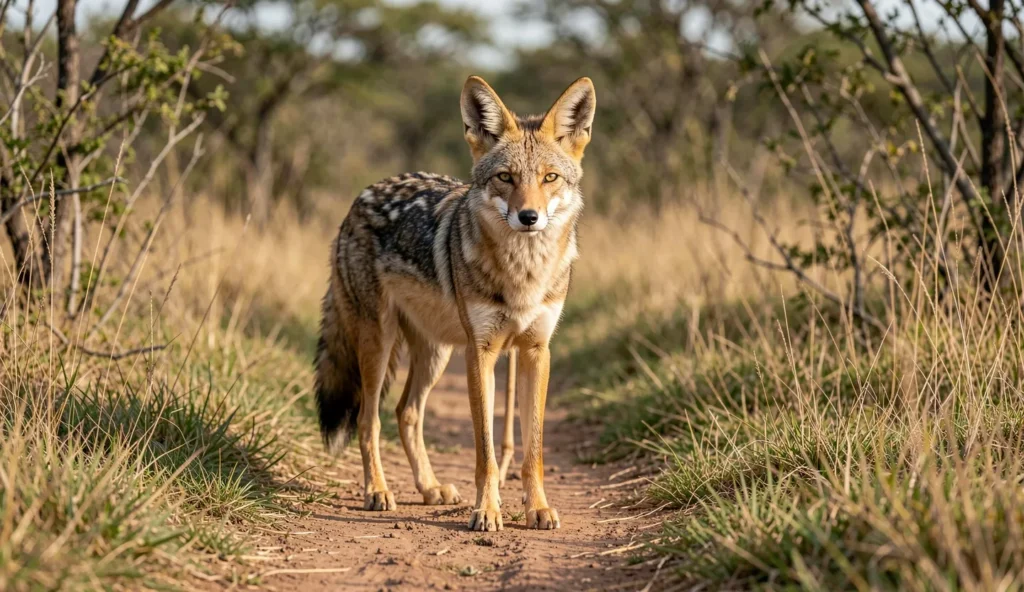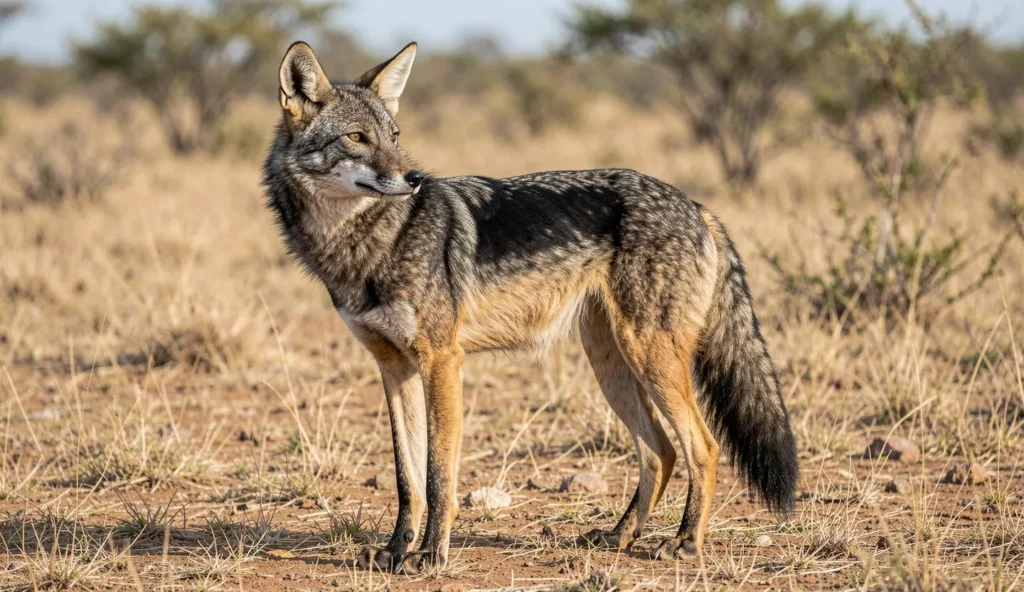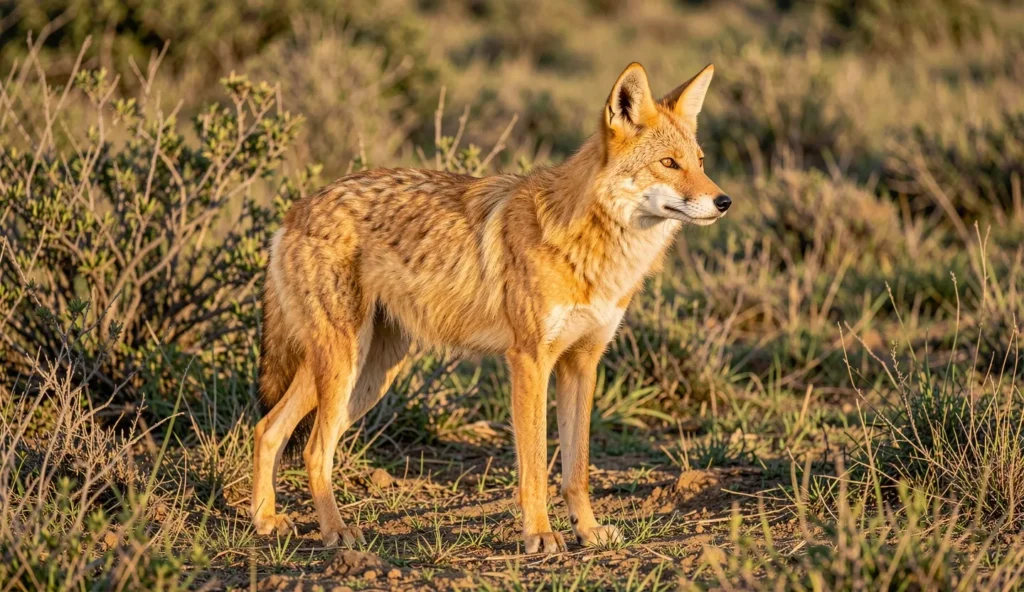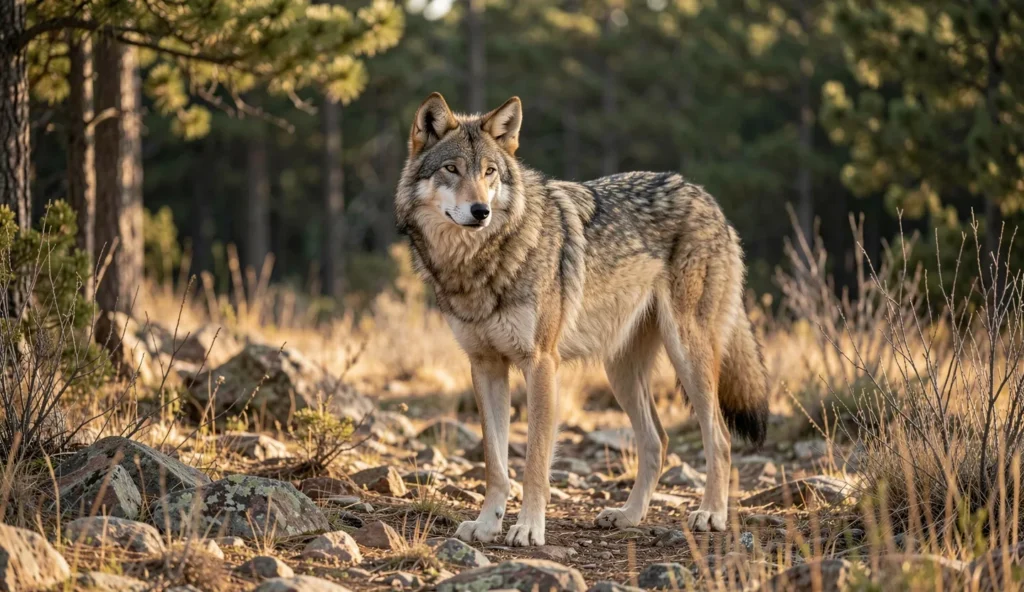
What Is a Mexican Wolf
The Mexican wolf recovery effort focuses on the endangered subspecies Canis lupus baileyi, often called the lobo. This wolf originated in the borderlands of the southwestern United States and parts of Mexico. As a result, the recovery work centers on rebuilding a stable population in suitable habitat.
Mexican wolves matter to conservation because they represent a unique genetic lineage within gray wolves. When the subspecies declined, the remaining wolves became a critical conservation priority. Over time, programs shifted toward managed reintroduction and careful monitoring to support long term survival.
Species And Subspecies Basics
The Mexican wolf is Canis lupus baileyi. Many people also refer to it as the lobo. Conservation programs commonly describe it as an endangered wolf due to historically low numbers.
Its native range included parts of the southwestern United States and areas in Mexico. Historically, wide-ranging predators often faced direct pressure from persecution and habitat change. Today, recovery planning uses that history to guide location choices and management goals.
Where It Fits In Wolf History
Historic persecution reduced Mexican wolf numbers dramatically. As wolves declined, natural recolonization did not restore the population at the scales needed for recovery. Therefore, mexican wolf recovery relies on reintroduction and ongoing management rather than waiting for spontaneous expansion.
Reintroduction programs also aim to rebuild breeding populations, not just isolated sightings. Those objectives align with broader conservation models used for other endangered canids, where survival, reproduction, and risk reduction must all improve together.
For readers comparing wolf subspecies across regions, it helps to review other recovery shaped lineages such as the Red Wolf. That comparison clarifies why genetics, management, and human conflict all shape conservation outcomes.
Appearance And Physical Features
Reliable traits help people recognize a Mexican wolf from a distance, but the full picture comes from build, coat variation, and head features. Even then, individuals can differ based on age, season, and local conditions. For conservation tracking, observers also rely on photo documentation and field notes alongside identification guides.
Because Mexican wolves are a gray wolf subspecies, their body plan resembles other wolf types. However, subspecies traits and local adaptation still matter when recovery planners interpret monitoring data. That information supports better decisions for mexican wolf recovery areas.
Size, Build, And Typical Coat
The build generally matches other gray wolf subspecies, with a strong frame made for endurance. Coat coloration often includes gray and tawny tones. In addition, seasonal variation can change both shade and thickness as temperatures shift.
Coat patterns can also look different under varying light. Therefore, field observers avoid relying on a single photograph for identification when collars or verified records exist. Recovery programs typically prioritize confirmable data such as tagged movement patterns.
Skull, Dentition, And Senses
Wolves have strong jaws built for carnivory and efficient processing of prey. Teeth support tearing and holding while hunting and feeding. In recovery work, dentition and body condition can also inform veterinarians and field teams about health status.
Senses support tracking prey and navigating terrain. Wolves rely heavily on hearing and smell to locate animals and interpret the landscape. With those sensory strengths, wolves can patrol routes that reduce wasted energy and support steady hunting.
How Mexican Wolves Differ From Other Wolves
Differences among gray wolf subspecies reflect local adaptation and genetic lineage. Mexican wolves share core wolf traits, but recovery planning pays close attention to the specific lineage within Canis lupus baileyi. Genetic management helps reduce inbreeding and preserves conservation value.
Behavior can also vary by habitat and prey availability. Some populations may move differently depending on season and land use pressures. Because of that, mexican wolf recovery emphasizes region-specific monitoring rather than generic assumptions.
To understand how subspecies adaptation can vary across environments, readers may also compare with the Gray Wolf overview. That context helps explain why adaptation and management need to match local conditions.
Temperament And Natural Behavior
Mexican wolves live in packs and follow instincts shaped by hunting needs and social structure. Their behavior in the wild does not aim at people, but it can intersect with human land use. For conservation teams, understanding temperament means anticipating how wolves use space after release.
Importantly, behavior changes can signal risk such as habituation to people or trouble finding prey. Therefore, recovery monitoring looks for patterns that suggest wolves can survive without frequent human contact. Those observations guide adjustments in release strategies.
Pack Structure And Social Roles
Pack members cooperate during hunting and territory defense. Breeding pairs play a key role in guiding pack reproduction and early survival. Social behavior affects how pups learn, how adults coordinate, and how wolves respond to challenges.
After release, pack dynamics can determine whether wolves settle into stable routines. If social structure fails to support reproduction, recovery goals become harder to reach. For that reason, behavior monitoring often focuses on group stability and breeding outcomes.
Hunting, Prey Selection, And Movement
Wolves are opportunistic predators, and prey availability shapes where they move day to day. Prey selection often reflects what ungulates or other prey species exist in the landscape. When prey density shifts, movement patterns shift too.
Tracking and territory behavior reduce conflict risk when wolves avoid predictable human areas. However, conflict can still occur if prey routes overlap with livestock grazing. Therefore, recovery planning often connects prey management, land use patterns, and conflict prevention.
Communication And Human Proximity Challenges
Communication helps maintain pack coordination across distances. Vocalizations and scent marking support territory awareness and social signals. In recovery areas, those behaviors can also influence how easily wolves remain wary of people.
Because habituation can increase risk, release areas aim to reduce routine contact with humans. Program design then uses monitoring to detect whether wolves behave naturally. When behavior trends toward persistent human proximity, teams may adjust management responses.
Comparing patterns across other endangered canids can also clarify why monitoring matters. For example, the Eastern Wolf profile provides useful context on how wolf behavior and habitat shape survival. That broader view supports understanding of why recovery programs prioritize adaptable behavior.
Exercise, Territory, And Habitat Needs
Mexican wolves need space to find prey and to move through complex terrain. In practice, habitat quality strongly influences daily travel routes and hunting success. For mexican wolf recovery, territory planning helps teams choose release locations that can sustain natural movement.
Terrain also affects how wolves travel and how easily field teams can monitor them. When habitat connectivity improves, wolves can shift routes during seasonal changes. That flexibility can reduce starvation risk and lower chances of repeated livestock encounters.
Territory Size And Patrol Patterns
Territory needs depend on prey and the structure of the landscape. Seasonal movement influences where wolves spend time and how long they remain near food sources. Over months, range establishment becomes a major recovery milestone because it supports stable hunting patterns.
Patrol patterns can also reflect pack size and hunting success. When wolves consistently return to a core area, it can signal that prey supply exists. Monitoring then tracks that signal through GPS points, field sightings, and health checks.
Habitat Features That Support Survival
Cover and terrain influence hunting success by shaping how wolves approach prey and how prey animals respond. Water sources and prey corridors support sustained movement across the landscape. When those elements connect, wolves can travel without exhausting energy reserves.
Connectivity between habitat areas improves resilience during environmental stress. It also helps wolves avoid concentrating risk in a single location. Recovery planning therefore evaluates both current habitat and long-term landscape conditions.
Seasonal Pressures And Environmental Constraints
Weather affects travel and prey behavior. During harsh seasons, wolves may rely on particular routes that reduce exposure and support efficient hunting. Those changes can also increase overlap with livestock if grazing patterns shift.
Human land use changes can increase conflict risk, especially near roads, ranch boundaries, and developed areas. Recovery planning accounts for those constraints through timing decisions and communication protocols. When seasonal risks change, management responses must change too.
Habitat and genetics shape outcomes across wolf subspecies as well. For additional context on geographic adaptation, readers may review Himalayan Wolf. That comparison helps show how local climate and prey patterns influence space use.
Reintroduction Programs And Mexican Wolf Recovery
Mexican wolf recovery relies on reintroduction programs designed to restore breeding populations. The key goal focuses on survival after release and the ability to breed in managed landscapes. Because the subspecies remains endangered, these programs use careful release planning and monitoring.
Reintroduction involves more than relocating animals. Wolves receive management support that aims to preserve natural behavior while minimizing human conflict and preventable loss. Over time, program data helps teams refine methods and improve long term outcomes.
Why Reintroduction Became Necessary
Numbers fell to critically low levels due to historic persecution and habitat pressures. At that point, natural recolonization at historic scales became unlikely. Recovery therefore required an intentional approach to rebuild breeding populations.
Additionally, recovery needs not only wolves present in the landscape but also wolves that reproduce successfully. Therefore, mexican wolf recovery treats breeding success as a core measure. It also treats risk reduction for survival as a parallel priority.
Release Strategies Used In Recovery
Release strategies aim to help wolves survive and establish territories after leaving managed care. Monitoring supports health checks, territory formation, and behavior goals. Program design also emphasizes minimizing conflicts with people by encouraging natural avoidance.
Some strategies involve selecting release locations with prey availability and habitat structure that supports hunting. Teams also consider how likely wolves are to encounter livestock. That planning reduces retaliation risk and supports public trust.
Monitoring, Tracking, And Decision Making
Collaring and field observations help evaluate outcomes after release. Data guides adjustments to release locations and release methods when patterns show problems. Mortality causes also get reviewed to improve future efforts.
Because individual cases can differ, monitoring must stay consistent and transparent. When field teams report findings clearly, decision makers can refine program design faster. Over time, those feedback loops support stronger conservation results.
Monitoring methods also inform understanding of other endangered canids. For readers interested in how conservation evaluation works across regions, comparing with broader profiles like Pakistani Wolf can show how habitat and human pressures shape management. That comparison can strengthen perspective on why decision making must remain evidence based.
Managing Conflict With Livestock And Humans
Conflict management reduces livestock impacts and helps reduce retaliatory harm. Recovery programs often use nonlethal prevention to reduce the chance of wolf predation on domestic animals. Rapid response supports both conservation goals and public confidence.
Clear reporting and response protocols matter because delayed action can worsen conflict. When teams respond quickly, they can address problems and document patterns. That documentation helps improve prevention strategies over time.
Some conservation observers also look for examples of different wildlife recovery coordination models. If that topic is of interest, the Arlington wolf recovery program is often discussed as an approach that illustrates how monitoring and management coordination can work. Program details vary, but the shared theme involves using structured responses to reduce harm.
How Genetic Management Supports Long Term Recovery
Genetic diversity reduces inbreeding risks and supports healthier breeding outcomes. Recovery programs track lineage and pairing choices to protect the long term viability of Canis lupus baileyi. Genetic management also supports conservation value by preserving the subspecies identity.
Pairing decisions depend on available candidates and monitored survival. Because recovery focuses on breeding populations, genetic planning can influence long term success. As a result, mexican wolf recovery treats genetics as part of everyday program management, not as an afterthought.
Common Threats And Health Considerations
Endangered wolves face threats that affect survival, reproduction, and body condition. In the context of mexican wolf recovery, human-caused mortality remains a major issue. At the same time, natural pressures such as prey availability and injury risk can reduce fitness if conditions worsen.
Health considerations also shape recovery timelines. Disease, parasites, and trauma can lower survival rates, especially for wolves adjusting to new territories. Therefore, recovery programs use monitoring to detect issues early and improve future release planning.
Main Threats That Limit Survival
Human-caused mortality remains a major threat to survival in recovery landscapes. Prey availability affects body condition and reproduction, which influences how many pups reach maturity. Habitat fragmentation also increases risks and can create movement barriers that limit hunting opportunities.
When wolves cannot reach prey corridors safely, they may spend more energy searching. That extra energy cost can reduce successful breeding. Because of that, recovery planners evaluate both direct and indirect threats when shaping release strategies.
Disease, Parasites, And Injury Risks
Wolves can face infectious diseases in the wild. Parasites can also impact health and energy balance, especially when prey becomes scarce. In addition, injuries may occur during hunting attempts or during conflicts in or near recovery areas.
Field teams look for health signs through observations and collar data when available. When health problems emerge, program managers can adjust management and monitor affected individuals more closely. Early detection can also reduce preventable losses.
Why Ongoing Management Matters
Recovery requires continuous evaluation of outcomes because conditions change over time. Adaptive management improves program effectiveness by using evidence from new data and field observations. Collaboration between agencies also helps protect wolves and reduce threats that harm both wolves and communities.
Because mexican wolf recovery includes reintroduction and long term monitoring, program design must stay flexible. What works in one season may not work in another. That approach keeps conservation efforts aligned with real-world conditions.
Is the Mexican Wolf A Good Fit for Conservation Goals
Mexican wolves align well with conservation goals that focus on restoring endangered subspecies and preserving native ecosystem roles. Their recovery provides measurable outcomes such as survival trends and breeding success in managed landscapes. However, success depends on structured support and risk reduction that matches real conditions.
For conservation enthusiasts, the most useful lens focuses on program metrics and transparent reporting. Over time, those details show whether reintroduction supports long term stability. That focus matters because mexican wolf recovery requires sustained commitment, not short term releases.
What Success Looks Like in Mexican Wolf Recovery
Success includes stable breeding in managed landscapes and reduced human caused mortality over time. Program teams also look for self sustaining behavior supported by appropriate monitoring. When wolves consistently survive and reproduce, it indicates improved habitat function and conflict management.
Another sign of success involves consistent territorial use without frequent dangerous human contact. When wolves establish routes that support natural hunting, conflict risk often decreases. Those results then reinforce breeding outcomes and long term persistence.
What Conservation Enthusiasts Can Look For
Conservation enthusiasts can look for transparent reporting from partner agencies and field updates. Evidence based adjustments to reintroduction methods show programs learn from outcomes. Long term support for habitat connectivity and conflict prevention also signals that goals extend beyond release day.
When updates reference monitoring data, they provide a clearer basis for understanding change. Readers can also compare wolf recovery programs across regions to interpret how different pressures influence outcomes. That broader view supports better understanding of why mexican wolf recovery remains a complex but feasible goal.
For those who want another reference point on rare canids and recovery dynamics, the Ethiopian Wolf article highlights how conservation outcomes depend on both habitat and threat management. That kind of cross comparison strengthens perspective on recovery planning.
What To Know Before Following Mexican Wolf Recovery Updates
When following mexican wolf recovery updates, focus on measurable recovery metrics and how they change across years. Survival rates, breeding outcomes, and conflict reduction often provide the clearest signals of progress. Also, review how monitoring methods support credible field findings, especially after releases.
Focus On Measurable Recovery Metrics
- Track survival rates and breeding outcomes
- Look for transparent monitoring methods
- Consider how conflict reduction affects long term results
Frequently Asked Questions
When Did Mexican Wolf Reintroduction Begin?
Reintroduction began after the subspecies reached critical low numbers. Programs scaled up as monitoring and management practices improved.
How Successful Are Mexican Wolf Recovery Efforts?
Success is evaluated using survival, breeding, and reduced conflict outcomes. Results can vary by location, year, and management decisions.
What Do Mexican Wolves Eat In The Wild?
Diet depends on local prey availability in the recovery area. Wolves typically hunt ungulates and other available prey.
How Are Mexican Wolves Tracked After Release?
Recovery programs use field monitoring and tracking tools to follow movements and survival. Collected data informs ongoing management adjustments.
Why Do Recovery Programs Address Livestock Conflict?
Conflict management reduces the chance of retaliatory harm. Nonlethal prevention and rapid response support both wolf and community outcomes.
What Makes Mexican Wolves Different From Other Grey Wolf Subspecies?
Differences relate to genetics and adaptation within Canis lupus baileyi. Recovery relies on preserving lineage and supporting healthy breeding.
A Supportive Reality For Recovery Work
Mexican wolf recovery depends on consistent monitoring, careful habitat choices, and conflict prevention that reduces preventable losses. With those elements, reintroduction can support long term conservation goals for the lobo.