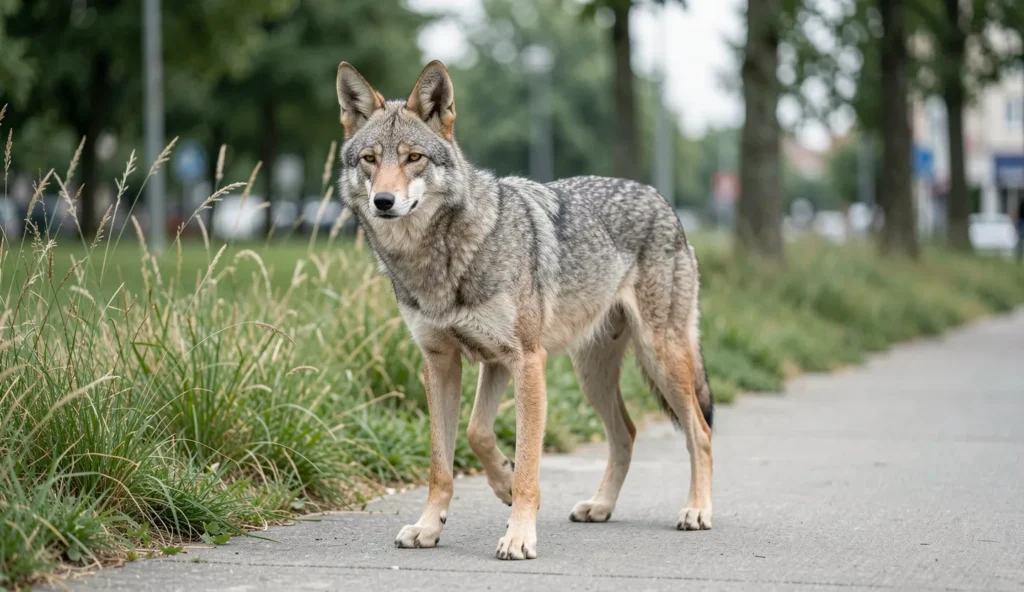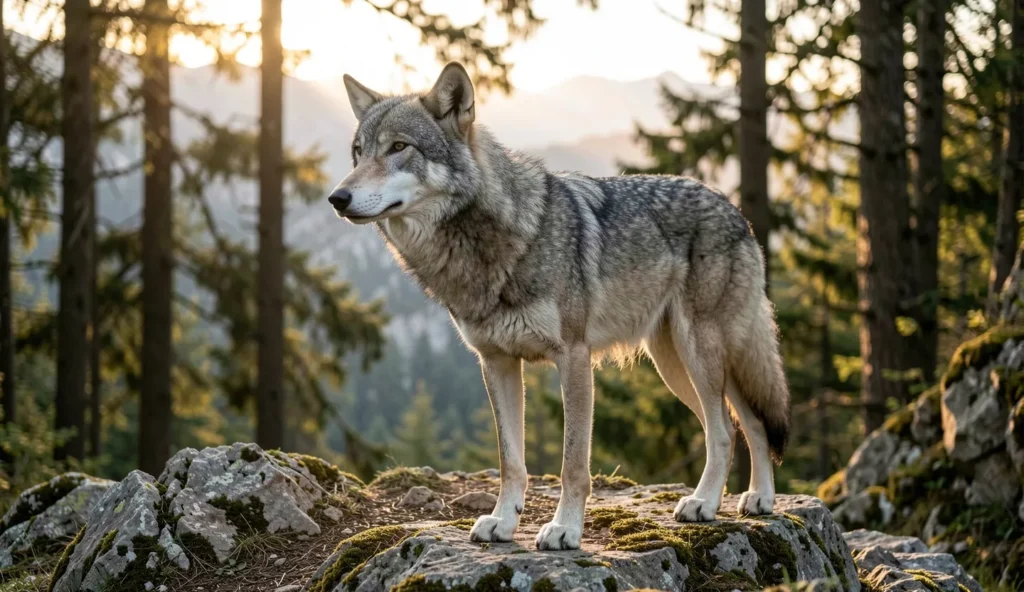
What Is the Italian Wolf
The Italian wolf is a wolf found in Italy, most often described as a subspecies of the gray wolf. This article focuses on italian wolf traits and what they mean for behavior and survival in the Apennines. The population is protected, and the range stays small, so sightings can be rare but valuable for understanding the species.
For Italian nature lovers, it helps to know which name is used in local and scientific discussions. It also helps to understand how protection affects how people interact with wolves, especially in the Apennine mountains.
Scientific Name And Subspecies Identity
The commonly used scientific name for the Italian wolf is Canis lupus italicus. A subspecies means a regional population with shared traits that developed over time. In many sources, the Apennine wolf is used as a familiar name, since this wolf is closely linked to the Apennines.
Some people also compare the Italian wolf to other gray wolf populations across Europe and beyond. For context, readers may find similar background information in the guide to Gray Wolf, even though the local traits can differ by region and prey base.
Where the Italian Wolf Lives In Italy
The Italian wolf lives mainly in the Apennine mountain area, where rugged terrain and forest cover create useful shelter. The range stays limited compared with wolves in larger northern regions. That small range wolf situation matters because recovery and growth depend on how much habitat remains connected.
Within the Apennines, habitat types often include forest edges, steep slopes, and mixed terrain where prey travels. Mountains also create natural movement corridors, which can guide daily travel even when human activity increases in some valleys.
What Protection Status Means for Sightings
A protected population means wolves receive legal protection and management decisions aim to avoid harm to individuals. In practice, this often means monitoring, reporting, and non-lethal support rather than population control through killing. When rules are in place, sightings may still happen, but they are not treated as a nuisance to be removed.
Local rules can also shape how people behave around wildlife. In some areas, education efforts reduce accidental feeding or unsafe approaches, which supports coexistence. For readers comparing policy approaches, understanding other canid protections can help, such as information found in Ethiopian Wolf coverage, even though the geography and threats differ.
Appearance And Unique Physical Traits
Italian wolf traits often show up first through coat pattern and overall body build. The appearance can vary between individuals, especially with seasonal coat changes and differences in body condition. Even so, observers usually notice a natural, wild look rather than any domestic features.
Because wolves in the wild may appear far away or partially obscured by terrain, clear context helps. Understanding typical features also reduces confusion with other large animals that share mountain landscapes.
Coat Color And Common Markings
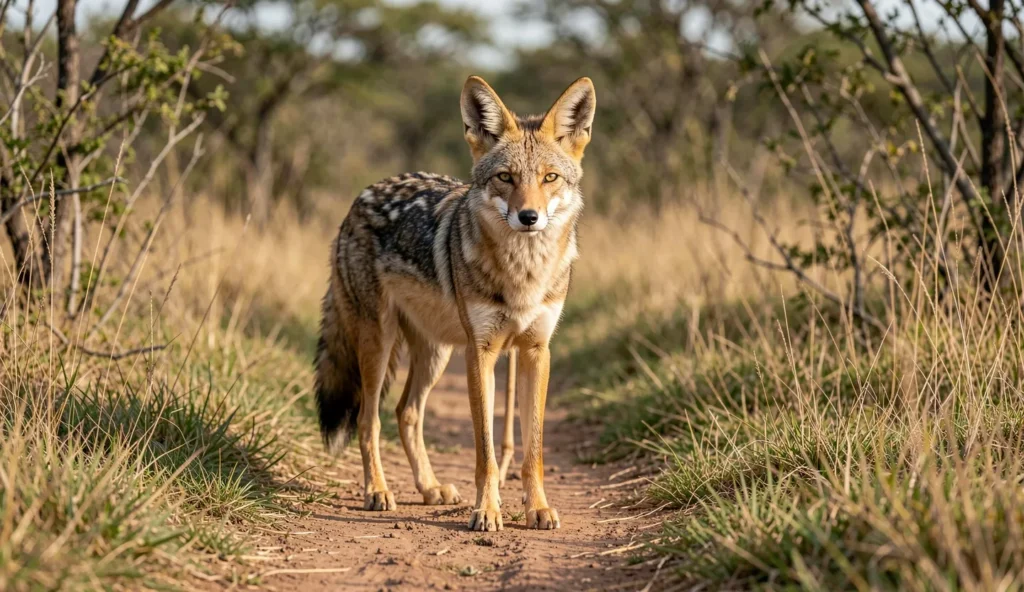
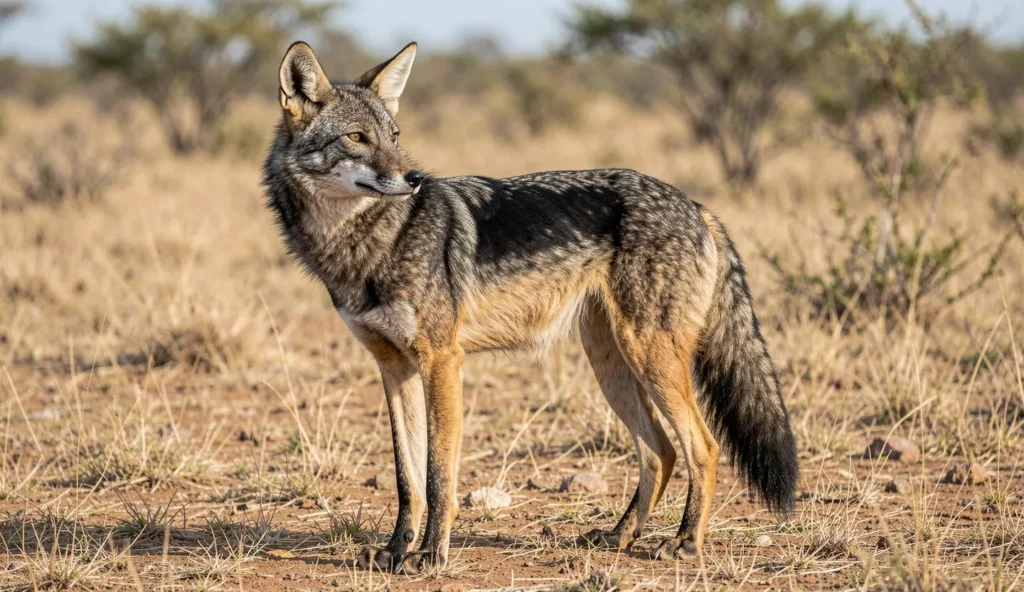
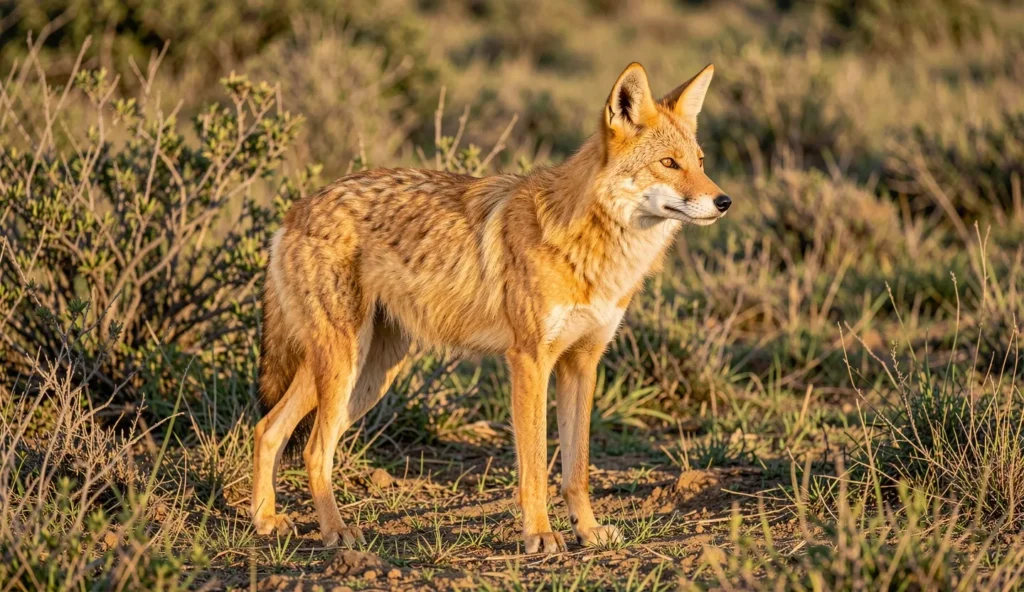
Coat tones can range from gray to darker shades, with some wolves showing lighter areas on the legs or underparts. Variation within the Apennine wolf population exists, so not every individual looks identical. Seasonal changes also shift the coat thickness, which can make wolves appear bulkier in colder months.
Markings often look subtle rather than bold. For example, the face may show a darker mask pattern, and the tail may appear darker at the tip. When observers compare images over time, they should expect these differences to look stronger after winter coat grows in.
Size And Body Features Compared With Other Wolves
General size ranges exist, but exact measurements vary due to age, sex, and local conditions. The head often appears robust with a broad muzzle suited for handling prey. Body shape tends to look athletic, built for endurance across rough ground.
Compared with other wolf groups, proportions may shift slightly. Habitat and prey type can influence body condition, which then affects visible size. Readers curious about other wolf sizes may compare background details in Himalayan Wolf, but they should not treat comparisons as identical.
How Condition And Age Change the Look
Juvenile wolves can look leaner, especially while they still rely on adult support during hunting and scavenging opportunities. Adult wolves usually show more developed muscle and a coat that appears thicker and more uniform. After winter or during times of lower prey availability, body condition can change the overall look.
As a result, a wolf that appears thin one season may look heavier another season. Observers sometimes misidentify a young wolf as a different animal because the body proportions do not match adult images. That is why field context matters, including tracks, location, and time of year.
Italian Wolf Traits In Behavior And Social Life
Wolves use social behavior to survive, and that shows up in daily routines. italian wolf traits in behavior include coordinated movement, cautious human avoidance, and stable group roles. These patterns support hunting success and raise young without constant wandering.
When people know what to look for, they can interpret field signs better. Instead of chasing movement, attention to distance, route, and time of day leads to more responsible and accurate observations.
Pack Structure And How Wolves Use Roles
Most wolves live in packs where adults cooperate and help manage breeding and survival. Within a pack, breeding pairs play a key role, while other adults assist with care and protection. Packs also organize effort, so travel and hunting often follow group decisions rather than random movement.
Young wolves learn through proximity to adults and through watching movement patterns. When a group has stable roles, it can reduce risk during prey handling. That cooperation becomes especially useful in a protected small range wolf situation where habitat access matters.
Communication And How Wolves Signal Each Other
Wolves communicate with vocal sounds, including howls that can carry across distances. They also use body language during close interactions, such as head posture, tail position, and ear movement. These signals help coordinate behavior without constant physical contact.
Scent marking also plays a role in sharing information about presence and movement. Wolves may mark along travel routes, which supports navigation and reduces unnecessary conflicts between groups. This communication system helps explain why wolves can appear in the same general areas over time.
Hunting Patterns And Daily Activity Basics
Daily activity often shifts between rest periods and movement periods, depending on prey availability and disturbance levels. Hunting depends on the local prey base, which changes with season. When food conditions improve, wolves may show more frequent movement, while poor prey years can lead to more careful, efficient travel.
Wolves may also travel long distances within their range to follow scent trails or locate prey hotspots. The Apennine terrain can slow movement in steep zones, so travel routes often follow ridges and forest edges. That is one reason observations may cluster around certain landscape features.
Predator Avoidance And Human Encounters
Wolves typically avoid close contact with humans and show caution when people enter their space. If a disturbance occurs, wolves may change routes to reduce risk. This behavior also helps explain why some areas show fewer sightings after repeated disturbances.
Practical reasons for reduced sightings include stronger human presence in certain valleys and changes in prey distribution. Wolves also tend to choose times when visibility and human activity are lower. When people keep distance and stay quiet, they often increase the chance of observing natural movement.
Diet And Feeding Needs In the Apennines
Diet shapes health, energy, and reproduction, which is why italian wolf traits connect directly to feeding behavior. In the Apennines, wolves rely on prey categories available in the local ecosystem. Seasonal changes can shift what is easiest to catch, and that affects body condition over time.
For nature lovers, knowing diet basics supports better understanding of movement patterns. Wolves may travel along routes that match prey movement rather than simply wandering through the most scenic areas.
What the Italian Wolf Typically Eats
Italian wolf diets typically focus on prey found in Apennine habitats, which can include wild ungulates and other available wildlife. Wolves also adapt to seasonal differences, so prey availability may change across the year. Because wolves are opportunistic within their prey base, their diet can shift when certain animals become harder to catch.
When prey conditions improve, wolves may spend less time searching and more time feeding. In harder seasons, they may increase effort and travel more. That pattern helps explain why a protected population may still show fluctuating sightings.
How Wolves Find Prey In Rough Terrain
Rugged terrain affects how wolves stalk and how they move between cover and open areas. Forest edges, ridges, and valleys can all influence sightlines and scent flow. Wolves often rely on tracking, smell, and awareness of how prey moves across that terrain.
Hunting success varies year to year because it depends on prey behavior and weather. Deep snow, heavy rain, and extreme temperature can change how animals move and how scents travel. That is why similar-looking areas can produce different results for wolf sightings.
How Diet Affects Health And Reproduction
Nutrition influences body condition, which then affects endurance and recovery after hunting. When prey condition is better, young wolves can get more support from adults. Breeding success also connects to overall food availability, since adults need enough energy to raise pups.
Young wolves require more resources as they grow, and the pack must provide protection while they learn. If food becomes scarce, the pack may adjust travel and hunting effort. For readers who want broader canid diet comparisons, Red Wolf offers another example of how ecology shapes feeding, even though prey and habitat differ.
Protection Measures And Why the Small Range Matters
Protection rules exist because the Italian wolf remains limited to a small range and a protected population status is required for long-term survival. italian wolf traits include careful movement and group stability, but protection determines whether those traits can persist. When wolves have stable habitat access, recovery can improve over multiple breeding seasons.
Threats can still affect the population, so protection measures aim to reduce risks while supporting coexistence. Understanding the reasons behind policy helps nature lovers interpret what they see in the field.
Main Threats to the Italian Wolf Population
Habitat fragmentation can reduce safe movement and shrink the space wolves can use reliably. Even if wolves still exist in the general region, broken corridors can isolate packs. Conflicts with livestock also remain a frequent challenge, especially where herding practices overlap wolf travel routes.
Low numbers make recovery slower because fewer breeding pairs exist. That limited pool can also increase vulnerability when threats rise, such as increased conflict events or reduced prey access. For readers comparing population challenges, the situation differs from other regions, but Pakistani Wolf may still help explain how location influences survival pressure.
What Protection Programs Usually Include
Protection programs often include monitoring through surveys and reporting systems that track presence and behavior trends. Education also plays a role, since informed communities reduce unsafe interactions. Habitat protection supports long-term stability by keeping forest cover and travel routes intact.
When monitoring improves, management decisions can better match real field conditions. That can include adjusting coexistence approaches where conflict risk increases. Over time, these actions support a protected population that remains stable enough to raise pups and maintain territories.
How Livestock Protection Reduces Conflict
Coexistence programs commonly use non-lethal measures, such as improved herd management and protective strategies for animals. Timing matters because herds are most vulnerable when calves or grazing patterns overlap with wolf movement. Herd management reduces opportunities for wolves to encounter livestock as prey.
Practical steps may include better guarding, fencing where feasible, and changes in grazing schedules. These measures aim to prevent conflict rather than punish wolves after incidents. When prevention works, people often notice fewer disturbances and fewer animals lost, which supports coexistence.
Why Connectivity Helps Genetic And Population Stability
Connectivity means animals can move between suitable habitat areas and maintain access to resources across distances. In a small range wolf situation, connectivity becomes even more necessary to support gene flow between packs. Without movement between areas, genetic diversity can decline over time.
Stable packs rely on long-term habitat access for feeding, resting, and raising young. If habitat access narrows, packs may struggle to find enough prey or stable denning conditions. Connectivity support helps the population remain resilient across years with different prey dynamics.
Is the Italian Wolf Right For Nature Lovers Who Want to Observe Responsibly
Italian wolf observation can be rewarding, but responsible behavior protects both wolves and people. italien wolf traits show up best when disturbances stay minimal. That means keeping distance, avoiding interference, and following any local seasonal restrictions.
For nature lovers, the best approach usually starts with preparation and restraint. When observation stays respectful, the chance of seeing natural behavior increases without forcing animals to adapt to people.
How to Observe Without Disturbing Wildlife
Observe quietly and avoid blocking animal paths or likely resting areas. Maintain a safe distance and avoid approaching for photos or closer views. Wolves respond to threats by changing routes, so noise and close movement can disrupt normal behavior.
Seasonal restrictions can exist during sensitive periods, such as denning or breeding. Those limits protect young wolves and reduce stress on breeding adults. If restrictions apply in specific zones, respect them even when curiosity is high.
What Evidence People May Encounter in the Wild
Tracks can appear on soft surfaces and may look different depending on soil type and weather. Scat placement can also suggest travel routes when it appears repeatedly along similar paths. However, sign location does not mean wolves are nearby at that moment.
Den and rendezvous areas should be avoided because they represent high-risk zones for disturbance. Observers should treat any cluster of signs in a small area as a warning to stay back. Distance protects both wildlife and the information needed for monitoring programs.
What Not to Do Around Protected Wolves
Do not feed wolves or leave food out, since this behavior can increase human-wolf contact and change natural feeding habits. Do not attempt to lure, corner, or photograph wolves at close range. Also avoid sharing exact locations in ways that could raise disturbance risk for protected animals.
If a wolf appears near a village or trail, the safest approach is usually to stay calm and let it move on. Disturbance can lead to repeated avoidance behaviors that waste energy. Responsible observation supports a protected population by keeping wolves wild.
FAQs: Italian Wolf Traits And Protection
What makes Italian wolf traits different from other European wolves?
Italian wolf traits reflect regional adaptation as Canis lupus italicus, with variation by individual and seasonal coat and body condition.
Where in Italy does the Apennine wolf live?
The Apennine wolf mainly lives in the Apennines, where the habitat availability supports a small range wolf population.
Is the Italian wolf fully protected in Italy?
In practice, a protected population status applies, but management rules can vary by region and local conservation plans.
What do Italian wolves usually eat?
They typically eat prey categories available in Apennine ecosystems, and the diet shifts with season and what is easiest to catch.
How do wolves avoid conflict with people and livestock?
Wolves usually act cautiously, while coexistence programs often use non-lethal prevention methods for livestock protection.
How can nature lovers observe Italian wolf traits responsibly?
Maintain distance, keep noise low, and never feed wolves or approach them for closer viewing.
Final Note On Living With Protection Rules
Italian wolf traits make sense when protection and habitat constraints are considered together. When people observe responsibly and avoid interference, the small range population can stay safer over time.