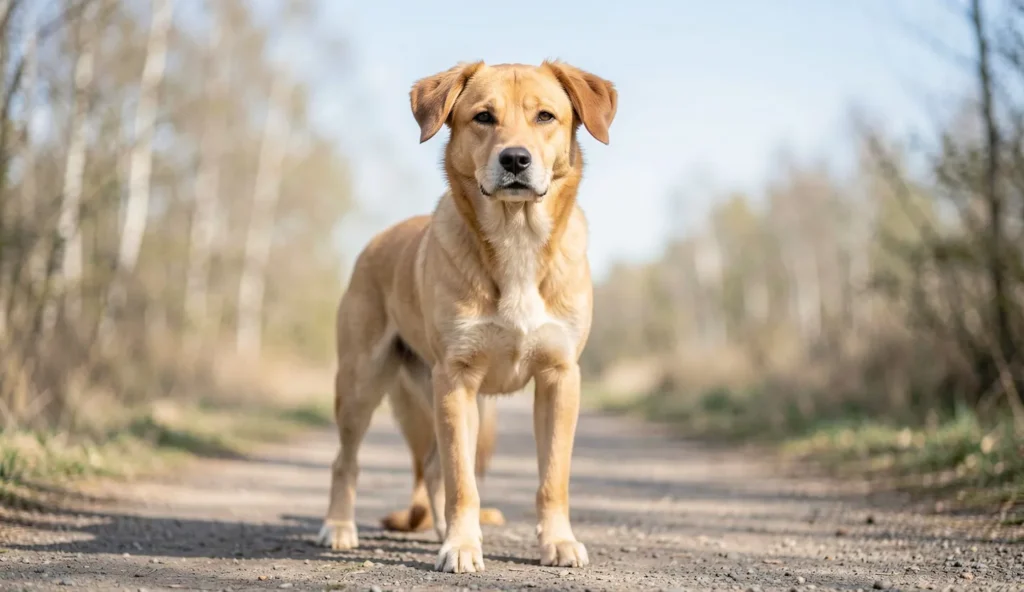
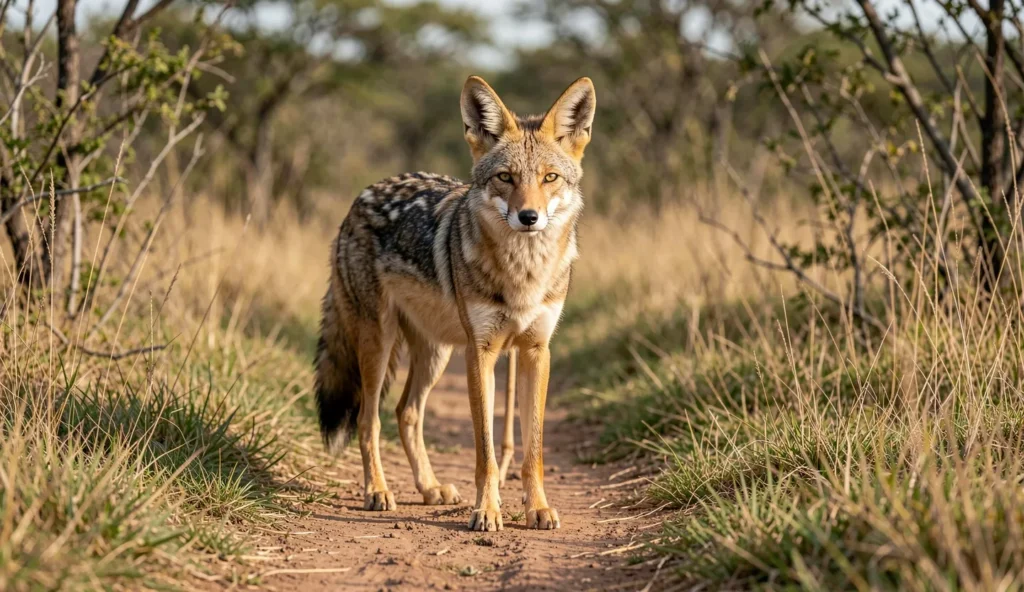
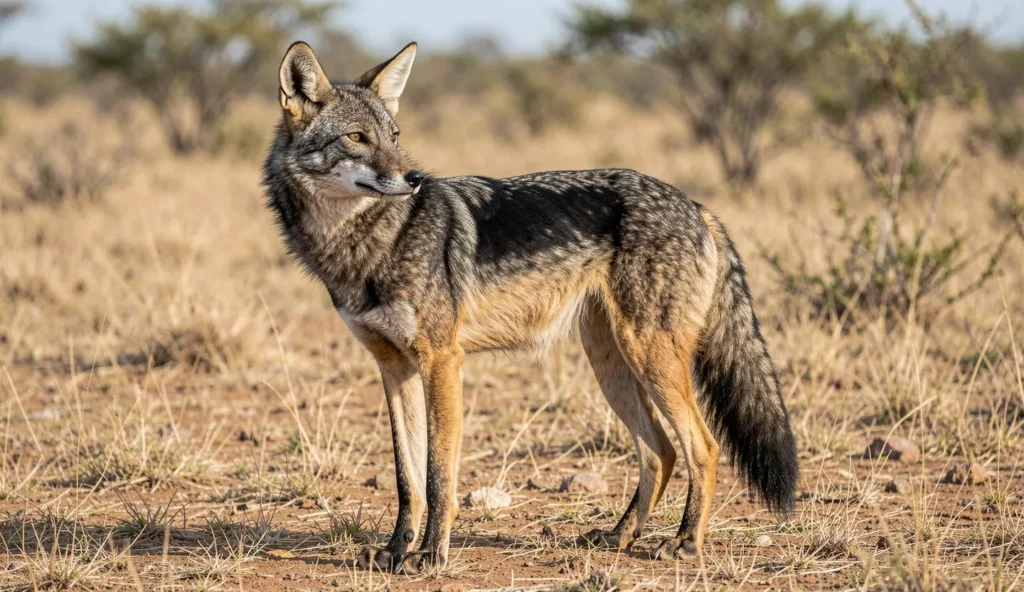
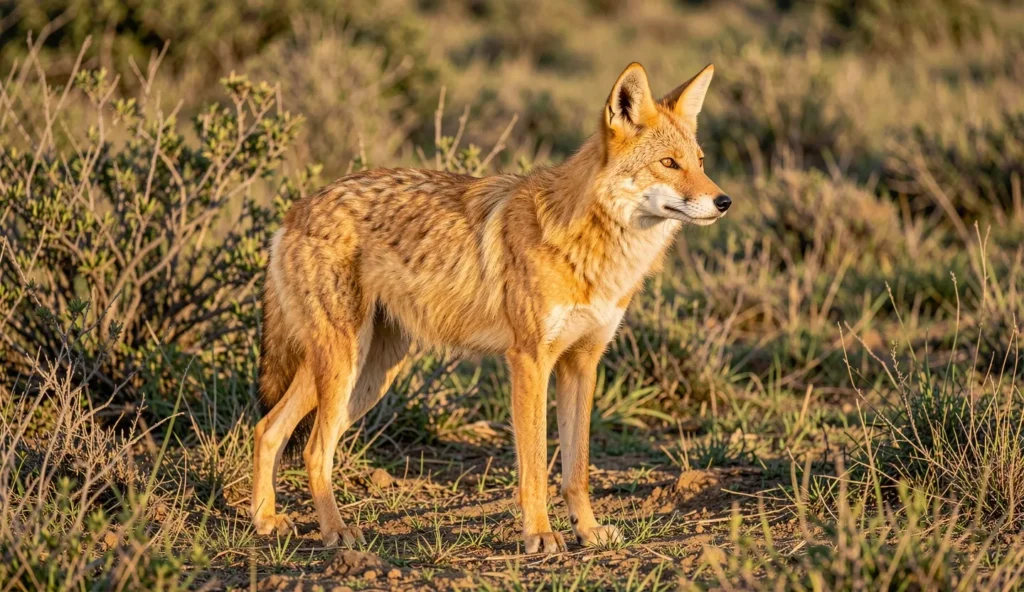
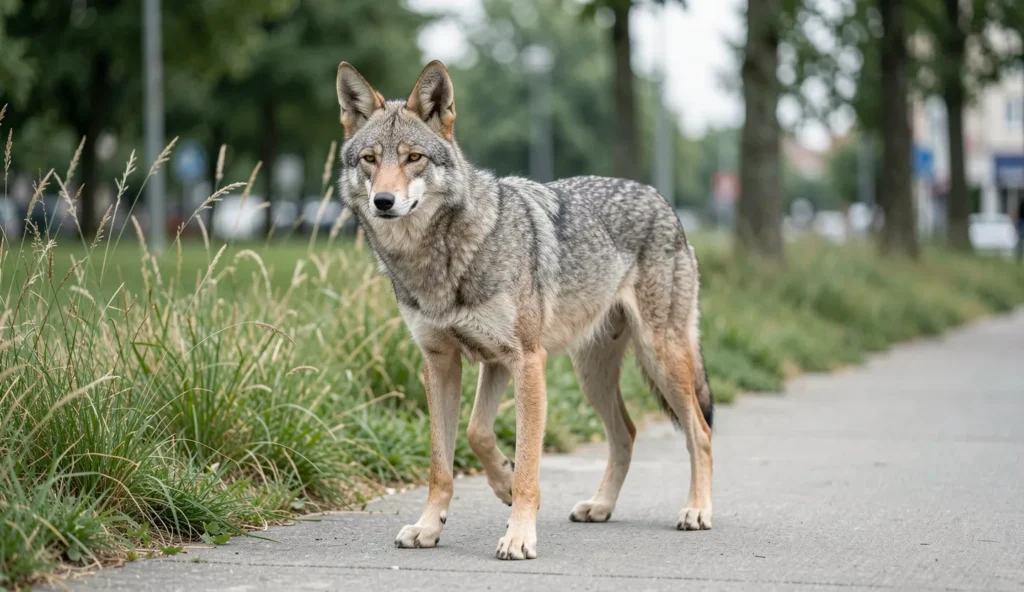
What Is The Indian Wolf
The Indian wolf conservation focus centers on a gray wolf population in India that remains small and threatened. The Indian wolf belongs to the gray wolf species complex, with regional forms and naming used by researchers and local reporting. One key trait stands out for conservation planning, wolves depend on stable prey and low human-caused mortality across fragmented habitats.
Scientific Name And Common Names People Use
Most references use Canis lupus pallipes as the commonly used scientific name for the Indian wolf. Many field and reporting sources also use the name Indian gray wolf. In wider regional discussions, asiatic wolf may appear as a broader grouping label for similar canids across Asia.
Because naming can vary, comparisons across studies often need careful checking of the exact form used. Even when names differ, conservation decisions still depend on evidence from distribution, habitat, and population signals.
Belongs To A Gray Wolf Species Complex
Canis lupus pallipes sits within the gray wolf species complex, which includes multiple regional populations. These populations can differ in body size, coat traits, and adaptation to local climates. As a result, the same general species label can hide important local differences for protection planning.
For enthusiasts tracking sightings, reliable identification matters more than label consistency. Better records help reduce confusion during assessments of Indian wolf distribution.
Key Ecological Role In Local Ecosystems
Where it occurs, the Indian wolf helps regulate prey populations through predation. This can indirectly shift scavenging and predator-prey dynamics in the same landscapes. Over time, changes in wolf presence can affect how prey species use cover and timing.
That ecological role is one reason Indian wolf conservation matters beyond a single species. When wolves decline, ecosystem balance can shift alongside human land use changes.
Where Indian Wolves Live And How Their Distribution Works
Indian wolf distribution does not cover every forest and grassland area across the country. Instead, it depends on patchy sites where prey, cover, and low mortality overlap. Because the population remains small, distribution patterns often appear fragmented rather than continuous.
Main Range Across India
Indian wolves mainly occur in select regions rather than nationwide continuous coverage. Presence often tracks suitable prey and human land-use patterns that allow wolves to move and hunt. Data typically come from surveys, interviews, and field sign observations rather than direct counting.
When similar habitat exists in other regions, wolves may still be absent if dispersal has failed. That makes local habitat connectivity a key factor in understanding range limits.
For readers comparing patterns in broader canid distribution, the Gray Wolf overview can help explain how regional populations form and persist over time, including how fragmentation affects recovery. Reading about Gray Wolf can provide useful context for interpreting Indian wolf distribution signals.
Habitat Types That Support Small Populations
Wolves need areas that offer cover for denning and safe movement routes. Dry forests, grasslands, and scrub landscapes can support wolves if prey is available and disturbance stays limited. Roads, fences, and intense grazing can cut movement pathways and increase risky encounters.
Even small changes in habitat quality can matter for a threatened population. When suitable patches shrink, dispersing juveniles have fewer chances to find territories.
Prey Availability And Competition Effects
Wolves concentrate where natural prey remains reliable throughout the year. Seasonal changes in prey movements can shift hunting times and preferred routes for travel. Competition with other predators can also alter feeding opportunities and scavenging behavior.
As prey becomes less stable, wolves may spend more time near grazing areas. That overlap can raise livestock conflict, which then feeds back into mortality pressure.
To understand how prey and range dynamics shape survival in other regions, reviewing the Himalayan Wolf profile can clarify how high-altitude conditions and terrain influence distribution. Similar logic often applies in India when terrain limits dispersal.
How Fragmentation Changes Distribution
Habitat fragmentation can limit breeding opportunities by reducing how often wolves can reach each other. Small populations then face higher risk from local extinctions when a site loses wolves. Connectivity between sites also affects genetic flow, which matters for long-term population health.
Barriers such as roads and fenced land can reduce dispersal success. When dispersal fails, even good habitat nearby may not lead to population recovery.
What Makes The Indian Wolf Threatened
Multiple threats act at once, and the combined effect keeps wolf numbers low. Indian wolf conservation remains urgent because small populations face high mortality pressure and limited recovery capacity. The drivers include human conflict, habitat loss, accidental deaths, and wider risks linked to prey and disease.
Livestock Depredation And Human Conflict
Predation on livestock can trigger retaliation against wolves. Conflict rises where grazing overlaps wolf habitat and where herds spend time unattended. Fear-driven killing can spread quickly through communities during repeated incidents.
In many cases, preventive measures reduce conflict more effectively than response after damage. Still, protection requires coordination between local people, wildlife staff, and practical farm practices.
For a broader comparison of canid threats and how conflict shapes survival, the Red Wolf article shows how human-wildlife conflict can intersect with small population vulnerability. That parallel helps explain why timely prevention matters.
Habitat Loss And Human Encroachment
Land-use change reduces suitable habitat patches and breaks them into smaller units. Roads and fences increase mortality risk and make movement more difficult for wolves. Degraded landscapes may also support fewer wild prey species.
When habitat quality declines, wolves spend more time searching and may move closer to people. That increases contact points where conflict and accidental deaths happen.
Poisoning And Accidental Mortality
Poison baits meant for other animals can also kill wolves. Traps and snares can cause injury or death when they capture wolves while targeting other wildlife. Because the population is small, even limited accidental mortality can significantly affect local numbers.
Accidental deaths compound the threat from conflict, leaving fewer animals available to breed. They also reduce the chance of recovery after temporary population drops.
Prey Declines And Unstable Food Sources
When wild prey declines, wolves may become more dependent on livestock. Overhunting and habitat degradation can reduce prey abundance, which then increases hunting pressure near settlements. Seasonal shortages can intensify this effect when prey movements change.
Unstable food sources can also alter wolf behavior, such as increasing time spent in areas with higher human presence. That shift then increases the odds of retaliatory killing or accidental capture.
Disease And Genetic Risks In Small Populations
Small populations face higher inbreeding pressure over time, which can reduce resilience to illness. Disease outbreaks can spread quickly when wolves are clustered in limited habitat patches. Low dispersal also limits how quickly a population can bounce back after a local loss.
These risks make monitoring and protection even more important. Conservation actions need to support both survival now and genetic health over the long term.
How To Read Indian Wolf Conservation Status And Population Signals
Understanding Indian wolf conservation status requires knowing how conservationists measure risk. Threat level depends on population trends, distribution stability, and the intensity and likelihood of threats. Because direct counts can be hard, status often uses indirect evidence and repeat monitoring.
Common Conservation Metrics Used For Wolves
Population trend over time plays a central role in assessing risk. Distribution size and fragmentation also matter because they influence how many animals can survive in the landscape. Threat intensity and likelihood guide priority when resources can only target some areas.
For wildlife enthusiasts, the key takeaway is that a small population can worsen rapidly when threats persist. Conversely, improved safety measures can help stabilize sites even before numbers become obvious.
Signs Used In Field Monitoring
Field monitoring often uses scat and tracks to confirm presence in a site. Howling reports and camera detections can support estimates when they are repeated and verified. Consistency across surveys reduces false conclusions based on single observations.
Because wolves can be elusive, multiple evidence types usually strengthen confidence. That approach helps track trends relevant to Indian wolf conservation.
Why Data Gaps Can Slow Conservation Decisions
Sparse monitoring can limit confidence in trend estimates, especially in remote terrain. Survey frequency may drop when conflicts increase or when access becomes difficult. These gaps can also delay decisions about where protection resources should focus.
When data remain incomplete, small populations receive less targeted support than they need. Stronger community reporting and repeat field sign checks can reduce these delays.
For context on how population monitoring affects conservation outcomes across regions, the Ethiopian Wolf conservation profile shows how monitoring methods link to risk management. Similar reasoning applies in India when visibility is limited.
Practical Actions For Indian Wolf Conservation In Real Communities
Practical actions help reduce wolf mortality and improve coexistence in daily life. Indian wolf conservation works best when community needs are included in planning. Several measures can reduce conflict while also supporting habitat and monitoring goals.
Conflict Reduction Programs That Work In Wolf Range
Conflict reduction often starts with preventive livestock protection during peak risk times. Preventive measures should happen before retaliatory killing begins. Recording incidents with clear details helps guide response strategies and improves future planning.
When programs verify incidents and track patterns, conservation agencies can shift resources to high-risk grazing periods. That targeted approach also reduces unnecessary tensions.
Livestock Protection Measures That Reduce Predation Losses
Night enclosures can limit access to herds and reduce easy opportunities for attacks. Herd management helps reduce unattended animals during grazing or resting hours. Guarding practices can also deter attacks when the presence of trained guards is consistent.
These measures lower the probability of repeated losses. Over time, lower losses can reduce retaliatory cycles and keep wolves alive long enough to maintain stable populations.
- Use secure night enclosures for vulnerable herds
- Reduce unattended grazing during peak wolf activity
- Coordinate guarding schedules among nearby households
- Document incidents to confirm patterns and improve responses
Incentives And Compensation Approaches
Compensation can reduce retaliatory killing when payouts happen quickly and fairly. Transparent processes build trust between communities and wildlife agencies. Compensation works best when linked to verified evidence and prevention steps that reduce future losses.
Where compensation systems struggle, anger can rise and conflict can increase. Clear verification and simple reporting steps improve acceptance.
Safer Wildlife Management Practices
Wildlife management must avoid poisoning baits near wolf range because poisoning can harm non-target species. Targeted methods should focus on the specific problem wildlife causing damage. Ranger patrols can also help during high conflict periods to deter both illegal actions and risky encounters.
Better enforcement does not only protect wolves. It also supports safer outcomes for livestock and wildlife alike.
Habitat Connectivity And Protected Area Support
Habitat connectivity supports dispersal between wolf sites. Protected area support helps keep denning and movement areas safer from disturbance. Land-use planning should consider wolf range so roads and fences do not block dispersal paths completely.
Corridors can reduce isolation and improve survival odds for juveniles. In a small population, even modest connectivity improvements can matter.
Monitoring Research And Community-Led Data Collection
Repeat surveys can track presence and conflict trends across seasons. Training local observers can also improve the quality of field sign reporting. Shared results help adapt conservation approaches when threats change over time.
Community-led data collection can be especially valuable where formal monitoring is limited. When observations are verified and consistent, they strengthen the evidence base for Indian wolf conservation.
For comparative understanding of canid recovery needs, the Eastern Wolf article can show how habitat constraints and monitoring shape long-term outcomes. That perspective supports cautious interpretation of field signals in India.
What Individual Wildlife Enthusiasts Can Do
Wildlife enthusiasts can support credible conservation organizations that work within wolf range. Sharing verified sightings and incident information responsibly can also help monitoring teams. At the same time, unverified claims about wolf attacks can increase fear and harm conservation efforts.
Responsible sharing protects both people and wolves by keeping discussion evidence-based. This approach supports better decisions for threatened populations.
Is The Indian Wolf Right For You As A Conservation Focus
Some people want to focus on endangered canids because they enjoy field observation and science-based reporting. Others prefer community-based coexistence work that targets daily risks for people and livestock. Indian wolf conservation suits either interest when the effort stays practical and evidence oriented.
Best Fit For People Interested In Field Monitoring
Indian wolf topics attract people who value survey methods and careful documentation. This work rewards patience with repeat observations and responsible information sharing.
Best Fit For People Interested In Community Conflict Solutions
For people interested in coexistence, Indian wolf conservation offers clear conflict reduction pathways. The focus remains on practical measures that help livelihoods and reduce harm when wolves hunt nearby livestock.
Common Challenges When Supporting Small Populations
Low visibility can limit direct observations and make trends hard to confirm without repeat surveys. Complex threats also require long-term persistence because fixes must address conflict, prey, and mortality risks together.
A Clear Focus Helps Protect A Small Wolf Population
Indian wolf conservation depends on consistent conflict prevention, safer management, and better monitoring that can detect changes early. When threatened populations receive targeted support, recovery becomes more realistic and local coexistence improves.
Frequently Asked Questions
What Is The Scientific Name Of The Indian Wolf?
The Indian wolf is commonly referred to as Canis lupus pallipes.
Where Do Indian Wolves Mainly Live Within India?
They occur in select regions with suitable prey and habitat, and their distribution is often fragmented by land use.
Why Is Indian Wolf Conservation Considered Urgent?
Populations are small and threatened by conflict, habitat loss, and mortality risks that can be hard to reverse once sites become isolated.
How Does Livestock Conflict Affect Indian Wolf Survival?
Predation losses can trigger retaliatory killing, and preventive livestock protection can reduce conflict intensity.
What Signs Do Researchers Use To Confirm Indian Wolf Presence?
Field signs like tracks and scat can indicate presence, and repeat monitoring helps support reliable estimates.
What Are The Most Practical Actions For Protecting Indian Wolves?
Reduce conflict with livestock protection and fair, timely compensation, avoid poisoning, and support habitat connectivity and monitoring.
Final Note On Indian Wolf Conservation
Indian wolves survive when human actions reduce mortality and improve coexistence across the landscapes where they still persist. Clear, evidence-based conservation work supports both threatened canids and the people living alongside them.