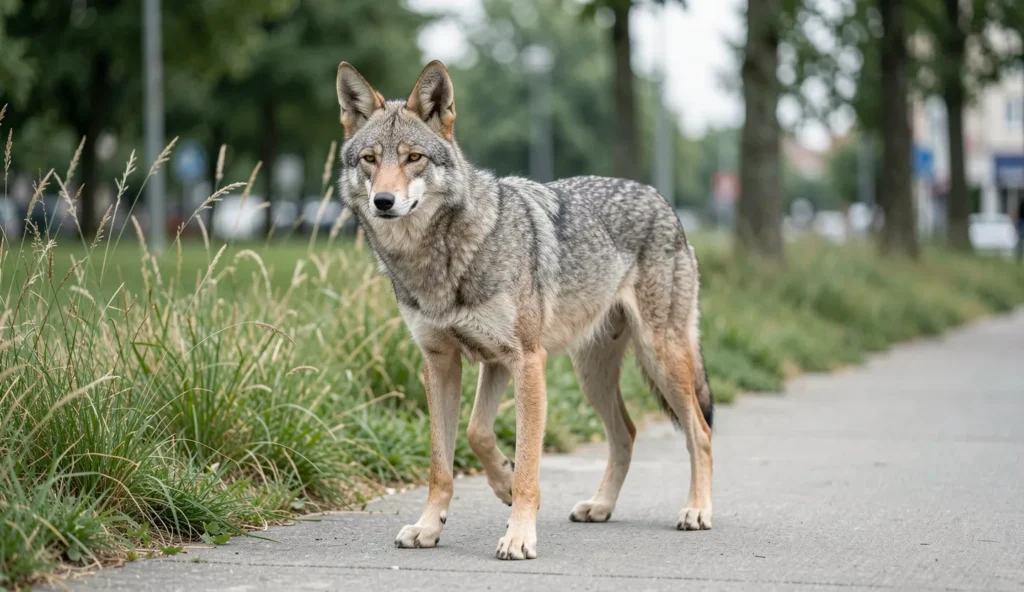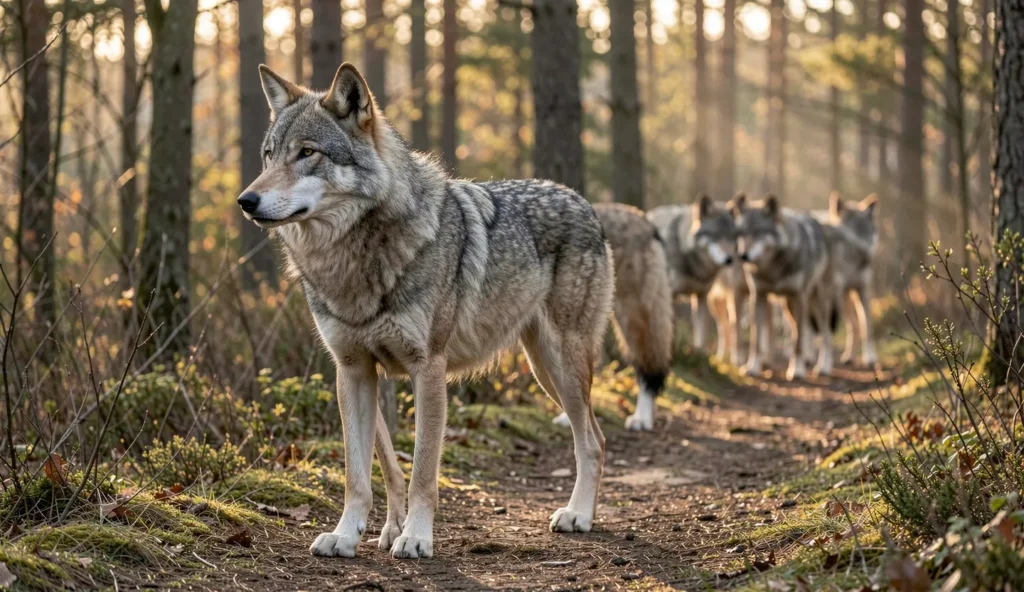
What Is The Eurasian Wolf
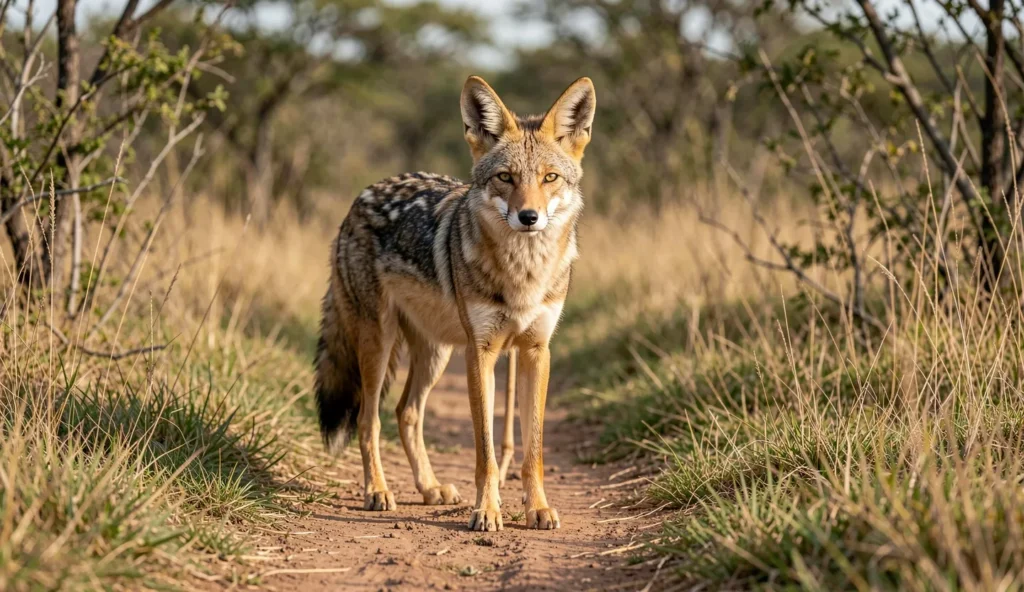
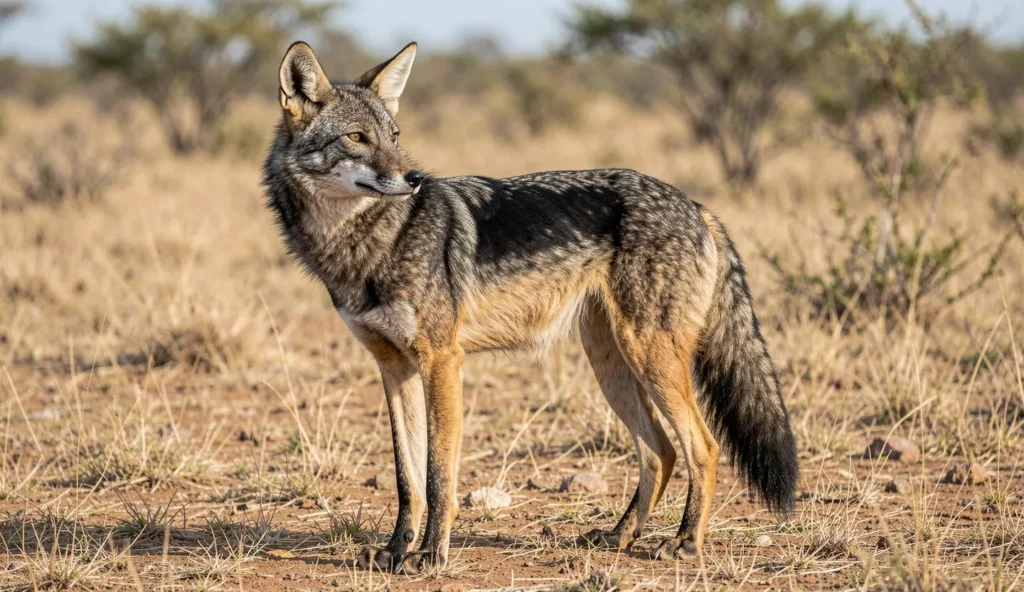
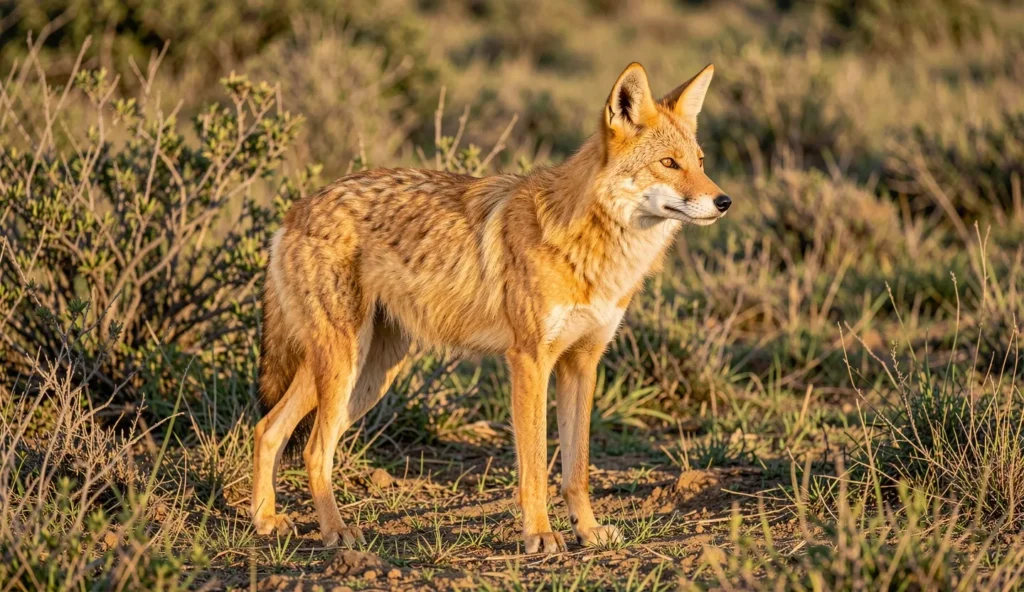
The Eurasian wolf is a broad canid group within the species Canis lupus, found across Eurasia. Many people use the term eurasian wolf behavior when describing how these wolves live in packs, defend areas, and hunt. In the same way, names such as common wolf and European wolf often appear in wildlife discussions.
Because Eurasia covers many climates and prey types, wolf behavior can change a lot across regions. Subspecies labels and local naming conventions also overlap, so the same “type” may look or behave differently from one area to the next. This variation helps explain why “widest range” matters when studying these animals.
Scientific Classification And Where It Fits
The Eurasian wolf is generally treated as a regional set of populations under Canis lupus. In many references, Canis lupus lupus appears as a common label for certain European and north Eurasian wolves. At the same time, common wolf and European wolf terms may be used for overlapping regional populations.
Instead of one uniform animal, the Eurasian wolf includes multiple subspecies and local lineages. Each lineage often adapts to local food, snow depth, and human land use. As a result, eurasian wolf behavior can shift even when wolves share the same general species name.
Global Range And What Widest Range Means
Wolves across Eurasia occupy forests, steppe, mountain zones, and tundra edges. Their range stretches over large distances because wolves can use many habitat types and prey systems. However, the exact pattern of movement and pack stability depends on climate and food availability.
In areas with reliable prey and low conflict, packs tend to hold more consistent routes. Where food becomes seasonal or competition increases, pack movements can broaden and become less predictable. This is one reason the label widest range often appears in discussions of the species as a whole.
Subspecies variation contributes to the differences too. Coat traits, body size, and behavioral timing can diverge based on local adaptation. Therefore, eurasian wolf behavior must be understood as a regional pattern, not a single script.
Habitat Types You Might Encounter While Traveling
Travelers who look for wildlife in Eurasia may see wolves in forest edges and river valleys. In mountainous regions, wolves often move along ridges and deep-cut valleys that concentrate prey. Meanwhile, open grasslands can support different hunting and travel patterns, especially when snow cover changes visibility.
Sometimes wolves also appear in human-adjacent areas, especially when food sources become available. Roadside carrion, livestock areas, and hunting pressure can all influence movement. Even then, wolves usually avoid close contact unless they learn that risk stays low.
For context on how different Eurasian canids behave, it helps to compare regional wolf profiles. For example, reading about the Gray Wolf can clarify why common traits vary by habitat and prey. That comparison makes eurasian wolf behavior easier to interpret during field trips.
Appearance And Physical Traits That Affect Behavior
Physical traits shape how wolves move, conserve energy, and hunt. Even small differences in coat thickness or body build can influence winter travel and pursuit stamina. Since these traits support survival, they also affect how eurasian wolf behavior shows up in daily routines.
At the same time, wolves rely on multiple senses during hunting. Scent tracking, hearing, and vision work together, and the best balance can shift with habitat. For travelers, understanding these traits improves how sightings are read from a safe distance.
Coat Color And Seasonal Changes Across Subspecies
Coat color in Eurasian wolves can range from grays and browns to lighter tones depending on the subspecies and local selection. Seasonal changes often include thicker winter coats in cold regions. These coat shifts support insulation and help wolves stay functional during long snow periods.
Coat patterns can also affect how easily wolves blend into their surroundings. In forest habitats, darker tones can reduce contrast when light filters through trees. In open terrain, lighter coats may better match snow and dry grasses, which can influence hunting success.
Because these traits differ across the species, eurasian wolf behavior is not identical in every region. The timing of movement and how often wolves pause to scan can vary with coat visibility and weather. Therefore, appearance becomes a clue, not a guarantee.
Body Size And How It Links With Hunting Roles
Wolves vary in body size across Eurasian populations, influenced by climate and prey type. Larger builds often support stronger bursts and carrying capacity, while smaller builds can favor agility in rugged terrain. Either way, physical size tends to align with the typical hunting targets and distances in a region.
Chase speed and endurance can also differ, especially when snow depth changes footing. In deep snow, wolves may rely more on coordinated strategies and fewer long pursuits. Conversely, in flatter areas with less snow, chase and herding tactics may become more frequent.
Pack size and prey choice often connect to local conditions. A pack that relies on larger prey may show more travel and more coordinated pauses. This is a key reason eurasian wolf behavior changes when prey availability shifts seasonally.
Senses That Matter For Locating Prey
Scent plays a major role in locating prey because wolves can track odors over distance. Hearing helps detect movement through brush and leaf litter, especially in forested habitats. Meanwhile, vision supports long-range scanning across open ground when visibility allows.
These senses also support navigation during travel. Wolves can follow scent trails from earlier hunts and use terrain features to reduce energy costs. As a result, their movement can look purposeful even when they are not actively hunting.
When travelers encounter wolf tracks or listen for calls, these senses explain why the animal’s presence may be felt before it is seen. That same sensory foundation also drives how packs coordinate during hunts, as covered later in this guide.
Eurasian Wolf Behavior In Packs And Territories
Most wolves live in packs, and pack life strongly influences eurasian wolf behavior. Within a pack, cooperation improves hunting efficiency and pup survival. Territory use also matters because it reduces conflict and helps packs track prey routes.
While popular media often focuses on dramatic chases, wolf hunting more often involves planning. Communication helps group members coordinate distance and reduce risky tension. Therefore, understanding pack roles and territory helps readers interpret behavior without guessing.
Pack Structure And Typical Roles
Wolf packs usually include related individuals and often center around a breeding pair. Other adults and older juveniles can support pups by assisting with protection and teaching. Roles can shift through the year as food changes and pups mature.
During denning and pup-rearing, the pack’s priorities focus on safety and efficient feeding. As pups grow, adults often allow more exploration while still managing risk. This seasonal adjustment influences how wolves travel and where sightings happen.
Some visitors notice that wolf groups appear stable, but pack membership can change. Dispersal can occur when young wolves leave to search for mates or territory gaps. These social shifts contribute to regional differences in how common wolf populations behave.
Territory Use And Range Behavior
Wolves often use territories to limit competition with neighboring packs. Territorial defense can include vocal displays, scent marking, and direct confrontations when necessary. The size of a territory tends to change with prey abundance and habitat quality.
In areas with many prey animals and fewer barriers, packs may hold smaller, well-defined areas. In rough terrain or low prey density, territories can expand because wolves need more space for successful hunts. Pack movement still follows familiar corridors when conditions stay safe.
Even so, wolves do not behave like rigid map markers. They may travel beyond typical boundaries when prey migrates or when snow pushes animals into new zones. That flexibility is part of how eurasian wolf behavior supports survival.
Communication Methods That Guide Social Living
Howling supports long-distance contact, coordination, and pack cohesion. Wolves may also howl more during periods when pups need guidance or when members separate during travel. Body postures manage distance and help control aggression within the group.
Scent marking helps define areas and communicate presence to other wolves. It also gives information about recent movement and individual identity. Together, vocal signals and scent use keep pack members synchronized across daily routines.
In some regions, communication patterns may shift with human activity and habitat density. Where noise levels are high, wolves may rely more on scent and shorter-range cues. Where silence dominates, vocal coordination can stay more effective.
Hunting Strategies And Decision Making
Wolf hunts often involve coordination rather than a single animal chasing prey alone. Packs may use ambush, coordinated pursuit, or herding behavior depending on prey type. Decision making also depends on weather, snow depth, and terrain structure.
During heavy snow, wolves may select routes that concentrate movement and reduce the effort needed to travel. When wind shifts, scent trails can become stronger or weaker, changing how wolves approach. Timing also matters because prey activity patterns shift through the day and season.
Because wolves reduce risk during uncertain hunts, the group may pause, regroup, or change plans. This flexibility explains why eurasian wolf behavior often includes long periods of travel followed by bursts of action. Travelers who observe from a distance may notice that hunting is less constant than expected.
For additional comparison across subspecies and regions, it can help to understand how different wolves handle survival challenges. For instance, the Eastern Wolf profile highlights how local conditions influence movement and social dynamics. Those differences help frame why European wolf behavior does not always match other Eurasian zones.
How Behavior Changes By Season And Region
Seasonal changes shape both energy demands and social priorities in wolf packs. In milder months, wolves often focus on pup growth and flexible hunting. During harsher months, survival pressures increase travel and may intensify coordination.
Regional differences also matter because prey species and human land use vary across Eurasia. European wolf areas may face dense settlement patterns, while other zones can include more remote habitats. As these conditions shift, eurasian wolf behavior changes in ways that travelers can recognize.
Spring And Summer Social Focus
In spring and summer, packs often show increased attention to pups and juvenile learning. Wolves move around den sites and nearby feeding areas more often as young animals test boundaries. Higher prey diversity can also reduce the risk of relying on one target.
During these months, communication may increase as pups practice how to follow the group. Adults may allow short-range exploration, but they still control distance when danger rises. If prey spreads out, wolves might travel more widely, which can affect encounter likelihood.
At the same time, warmer weather can change how wolves conserve energy. Instead of relying on thick snow travel paths, wolves may use forest cover and shaded terrain. This can make sightings more sporadic, even when wolves remain nearby.
Autumn And Winter Energy And Movement
In autumn and winter, food scarcity can increase travel and foraging time. Weather can concentrate prey in valleys, near water, or in areas with remaining cover. As a result, wolves may use more predictable routes once prey distribution becomes stable.
Winter conditions also affect timing and hunting style. Deep snow and limited visibility can reduce chase efficiency, so packs may coordinate more strongly. When coordination improves, group hunting becomes a safer option than individual pursuit.
During harsh periods, packs can become more focused on efficient movement and less tolerant of risks. This can change how wolves respond to nearby people or pets, especially if they feel their travel corridors are blocked. Therefore, safety guidance matters more in colder seasons.
Differences Between European Wolf Areas And Other Eurasian Zones
European wolf behavior can reflect dense human land use in some regions. Wolves may shift activity around livestock patterns, hunting seasons, and the availability of natural prey. Where fencing and farm density increase, wolves may rely more on specific corridor routes.
Other Eurasian zones can show different prey bases and different travel distances. Mountain areas can produce narrow movement channels, while steppe habitats can support long-range tracking. Subspecies variation influences pack size, coat traits, and the timing of movement based on local conditions.
Because the term European wolf can overlap multiple regional populations, it helps to compare wolf profiles across regions. For example, the Red Wolf profile illustrates how conservation status and environment can shape movement and public encounters. Using such comparisons supports a more careful reading of eurasian wolf behavior claims.
Are Eurasian Wolves Suitable For Pets And Home Life
Keeping a Eurasian wolf as a pet raises serious legal and welfare questions. Even in places where ownership seems possible, the animals still carry wild behavior needs. For that reason, eurasian wolf behavior should be treated as a conservation and safety topic, not a casual pet trend.
Pet owners and travelers should also consider that wild canids need space, complex enrichment, and diet that mirrors natural conditions. Typical home environments rarely meet these needs. Instead, safe options can provide wolf-like learning experiences without creating risk for people or animals.
Legal And Ethical Limits By Location
Wild canid ownership laws vary by country, state, and local area. Many locations restrict private ownership or require specific permits and facility standards. Even when permits exist, legal compliance does not remove welfare and safety concerns.
Ethically, wild behavior includes social needs, hunting instincts, and natural avoidance patterns. When those needs cannot be met, chronic stress can occur. This risk connects directly to eurasian wolf behavior because pack roles and territorial impulses persist even when the animal lives indoors.
In addition, local regulations often require proof of safe handling skills. Those requirements exist because wolf behavior can shift unpredictably during stress, illness, or mating season. Therefore, legal reality usually limits home wolf keeping in most regions.
Behavioral Needs That Are Hard To Meet At Home
Wolves need large areas for movement, scent travel, and exercise. They also require stable social structure, which can be difficult in typical households. Pack and social needs may not align with how people structure daily life and routine.
Hunting instincts can also trigger through normal household stimuli. Small animals, movement sounds, and even routine feeding patterns can activate chase behavior. When that happens, safety risks increase for household members and neighborhood pets.
Enrichment that matches wild opportunities often requires specialized training and ongoing management. A wolf’s drive to explore and communicate through scent marking can damage property and create odor and stress issues. Those outcomes make home life unrealistic for most owners.
Safer Alternatives For Pet Owners Seeking Wolf Like Experiences
Some people look at wolf hybrids or wolf-like companion animals, but these animals still carry complex behavioral needs. Hybrid animals may remain legally and ethically challenging because behavior can vary and instincts can remain strong. For many families, the best option is structured observation through accredited settings.
Accredited sanctuaries and supervised wildlife education programs can provide controlled exposure and learning. Local guides can also teach safe viewing distances and explain what behavior likely means in the moment. This approach supports safety without pushing wild welfare requirements into a home environment.
People who want a canid experience can also explore breeds designed for domestic life. For readers considering “exotic dog” options, a useful starting point is Exotic Dog Breeds. This helps separate wild behavior expectations from realistic domestic care needs.
For readers comparing wolf-like working dogs, it can also help to understand known wolf-influenced breeds. The Saarloos Wolfdog breed shows how wolf traits can appear in a domestic context, and why specialized training still matters. This comparison clarifies why full wolf ownership remains uncommon.
Health Care Range Considerations And What To Expect
Health factors influence eurasian wolf behavior, especially because illness and injuries can change how wolves hunt and travel. In wild populations, wolves manage risks through movement, group support, and avoidance strategies. Travelers should focus on safety and awareness rather than attempting to approach animals.
For informed readers, it helps to understand the most common health risks in the wild. Then, people can interpret changes in behavior as possible stress or illness. Most importantly, safe distance protects both humans and wolves.
Common Health Risks In Wild Populations
Wolves can carry parasites, and the specific types can vary depending on region and prey. Injuries can occur during hunts or in harsh winter travel. When prey density changes, disease risk can also shift because packs may mix differently.
Injuries may also influence movement patterns. A wolf with a leg injury may reduce distance and select easier terrain, which can change where it appears. Illness can also affect appetite and social activity within the pack.
Because disease and parasites are not uniform, it is risky to assume the same outcome across the entire range. European wolf areas can differ from other Eurasian zones in prey, climate, and parasite cycles. That regional variation is one more reason eurasian wolf behavior changes across borders.
Signs Of Distress And When People Should Stay Back
People should not approach wolves that look habituated, injured, or obviously distressed. Even if a wolf seems calm, stress can change quickly and unpredictable behavior can follow. For wildlife safety, maintaining distance reduces stress and lowers the chance of defensive reactions.
Distressed behavior can include limping, slow movement, unusual vocalization, or a lack of normal pack coordination. If a wolf appears to avoid the group, that can suggest illness or injury. Instead of trying to “help,” contact local wildlife authorities or follow local viewing guidance.
Travel guidance also matters. Using local wildlife guidance for safe viewing distances is often the best way to avoid interfering with natural behavior. This approach supports safe observation without turning the moment into a risk event.
Travel Safety Around Common Wolf Encounters
Wildlife encounters require planning, especially for travelers moving through remote areas. People should stay aware of local guidelines for wildlife interactions and follow park or camp rules. Blocking travel routes or crowding animals can increase stress and raise the odds of conflict.
Pets must stay controlled and leashed when allowed by local rules. Even calm household dogs can trigger chase behavior or pack tension. Keeping pets under control also reduces the risk of aggressive reactions toward perceived threats.
During day-to-day travel, people should avoid sudden movements and keep noise low. If a wolf shows signs of increased stress, people should retreat calmly. These steps protect travelers and also support stable, low-conflict eurasian wolf behavior patterns.
To add another perspective on regional differences, it can help to compare other Eurasian canid environments. For instance, the Himalayan Wolf profile helps illustrate how high-altitude conditions can influence movement and survival choices. Those differences reinforce why safe viewing and expectations must be local, not generic.
Is The Eurasian Wolf A Good Fit For Your Goals
The Eurasian wolf can fit some goals, but it rarely fits the typical idea of a home pet. For travelers, observing behavior from a safe distance supports both personal learning and conservation outcomes. For pet owners, the mismatch between wild needs and home capacity makes ownership unrealistic in most settings.
Understanding what drives eurasian wolf behavior helps match expectations to reality. Range, season, and social needs strongly influence encounter chances and daily routines. That clarity helps readers decide with fewer surprises.
Best Fit For Wildlife Observers And Travelers
Wildlife observers often benefit from watching wolves from a distance. Observation keeps the animal’s stress low and reduces risks for people. It also supports accurate learning about pack life, territory movement, and seasonal behavior.
Travel expectations should match the region’s local behavior patterns. The chance of encounter increases when timing aligns with prey movement and pack activity. Since range varies, distance from roads and trails can affect what people see.
When people plan routes around seasonal changes, they can better anticipate when wolves may be active. However, wolves can still appear unpredictable because hunting decisions respond to weather and prey behavior. That unpredictability is part of the natural system behind eurasian wolf behavior.
Not A Fit For Typical Home Pet Setups
Home conditions usually cannot support pack and territorial needs. Even when a wolf is raised by people, the animal still follows species-level instincts. Those instincts can include scent marking, long-distance movement, and coordinated social behavior.
High-risk instincts can require specialized legal facilities, trained staff, and secure containment. Many homes cannot meet those standards, and the welfare gap can become severe. That gap explains why legal restrictions exist in many regions.
Instead of treating wolf ownership as a casual decision, it helps to seek accredited settings for educational experiences. These environments provide proper diet planning, enrichment, and safe management. For most pet owners, responsible “wolf like” interest looks more like learning and observation than keeping the animal.
Frequently Asked Questions
How Does Eurasian Wolf Behavior Differ Across Subspecies?
Subspecies differ in coat, size, and prey selection, and local climate and prey density influence pack size and timing.
Are European Wolf Populations More Likely To Approach People?
Approach behavior depends on food availability and habituation, and local enforcement and human activity can change wolf movement patterns.
What Time Of Day Do Common Wolf Encounters Usually Happen?
Wolves often adjust activity to prey behavior and human disturbance, so encounters vary by region and season.
How Do Wolves Use Territory Marking In Their Daily Routine?
Scent marking helps define routes and communicate presence, and territory use shifts with seasons and prey movements.
What Triggers Aggression In Eurasian Wolves?
Competition, defending pups, or restricting escape routes can trigger threats, and distance and human behavior strongly influence outcomes.
Can Pet Owners Safely Keep a Eurasian Wolf as a Domestic Animal?
Legal status varies and many places restrict ownership, and behavioral needs plus safety risks usually exceed home capabilities.
A Final Note On Understanding Eurasian Wolf Behavior
Eurasian wolves show strong social patterns and flexible decisions that reflect local prey and climate. Understanding eurasian wolf behavior through region and season supports safer travel choices and more responsible wildlife viewing.