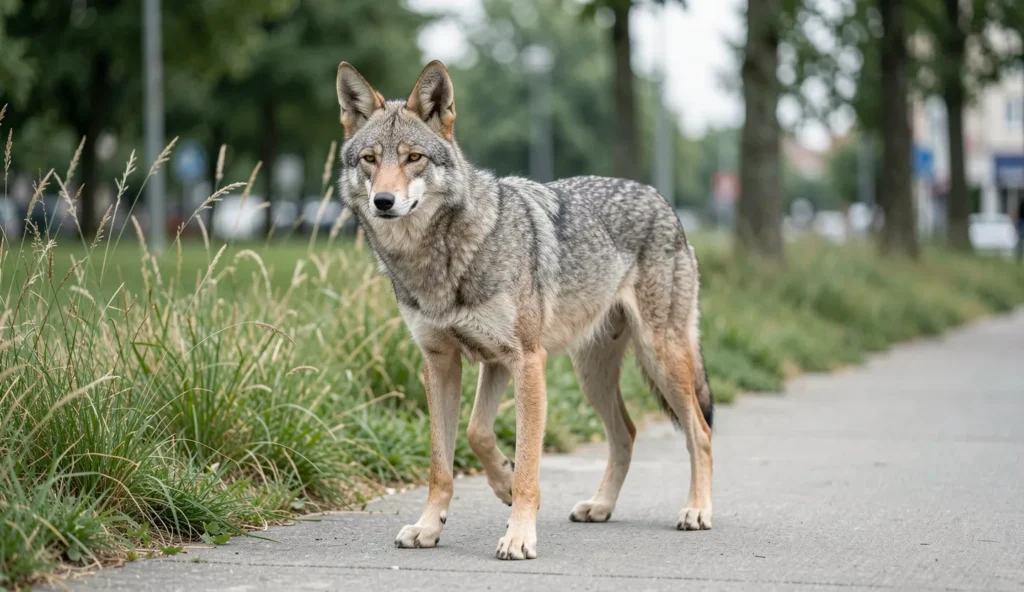
What Is a Dingo Canis Lupus Dingo
The dingo wolf breed claim often starts with names like Canis lupus dingo, which links the Australian wild canid to the wolf species group. Dingoes occur in Australia and are known for strong survival skills and flexible behavior. Classification stays debated, so labels can vary between sources and across regions.
To understand the dingo wolf breed idea, it helps to separate common language from scientific taxonomy. Many people use “dingo” as a simple identity label, while researchers weigh new genetic evidence. That means the meaning behind Canis lupus dingo can shift as studies improve.
Where Dingoes Live In Australia
Dingoes live across much of Australia, including remote and semi dry regions. They adapt to grasslands, bushland, and open woodland where shelter and prey overlap. In many areas, sightings are more frequent near resource corridors and edges rather than deep interior habitats.
Because conditions vary widely, local populations may show different body sizes and behaviors. Those differences can make one dingo seem “more wolf like” than another. Yet the core survival traits stay consistent across habitats.
Why People Compare Dingoes To Wolves
Dingoes share a lean build and a wild canid style of movement that resembles wolves. They also show similar hunting and social patterns seen in other wild canids. Genetic studies often get used to infer relationships within the wolf dog group.
Even so, resemblance does not automatically mean the same category. Classification decisions depend on the strength of evidence and which research model a source uses. As new research emerges, dingo classification and the dingo wolf breed label may be updated by some references.
Is the Dingo a Wolf Subspecies Or Something Else
Many references treat the dingo as Canis lupus dingo, which places it within the broader wolf species grouping. Other views describe it as a distinct canid or as a managed population shaped by domestic dog ancestry. These differences matter because they change how people describe the dingo as a wolf descendant.
In practice, the debate affects language more than day to day animal care. Behavior and safety needs remain the same regardless of the chosen taxonomy. Still, learning the dingo classification dispute helps prevent misunderstandings.
How Dingoes Look And What to Expect From Their Body Features
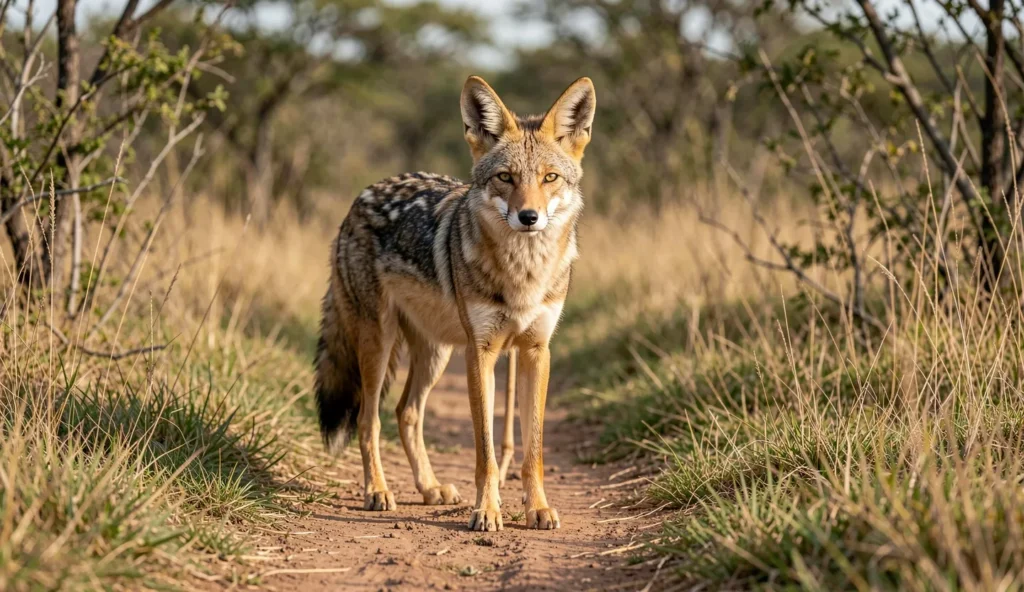
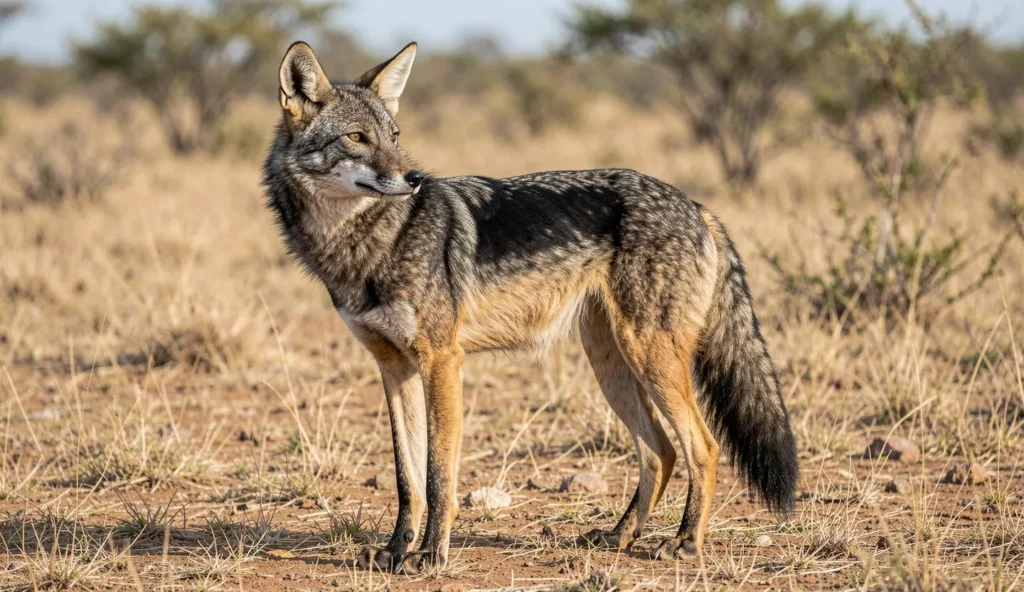
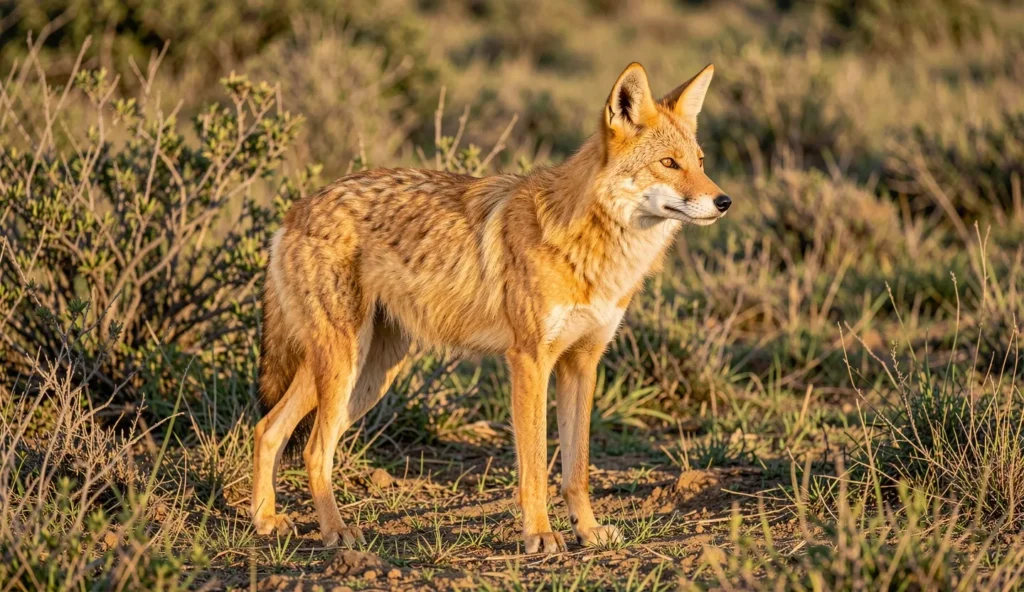
Dingoes look like wild dogs at a distance, which is why people often compare them to wolves. Their build supports fast running, efficient movement, and alert scanning. For pet owners, visual ID alone can mislead, so body features should be used with other clues.
The Canis lupus dingo label also influences expectations, yet no single look proves classification. Variation exists between regions and individuals. That is why learning the most common traits helps with realistic identification.
Size Coat Color And Typical Markings
Dingoes usually have a medium sized, lean and athletic body. Coat color often ranges from sandy to reddish brown, with lighter areas on the chest or underparts. Some individuals show a darker muzzle or more pronounced markings around the face.
Coat thickness can also vary by season and location. In warmer climates, coats may look lighter, while cooler regions can show more dense fur. This seasonal change can make one dingo appear different across the year.
Tail Ears Teeth And Overall Build
Erect ears and a tapered head create a distinctly alert look. Dingoes also have a strong jaw and teeth that fit hunting and scavenging lifestyles. Their long legs and flexible posture support long runs and quick turns.
These traits connect to the wolf comparison because wolves also rely on similar movement efficiency. Yet domestic dogs can share some features too. So body shape should guide expectations, not replace careful evaluation of behavior.
How to Tell Dingoes Apart From Domestic Dogs
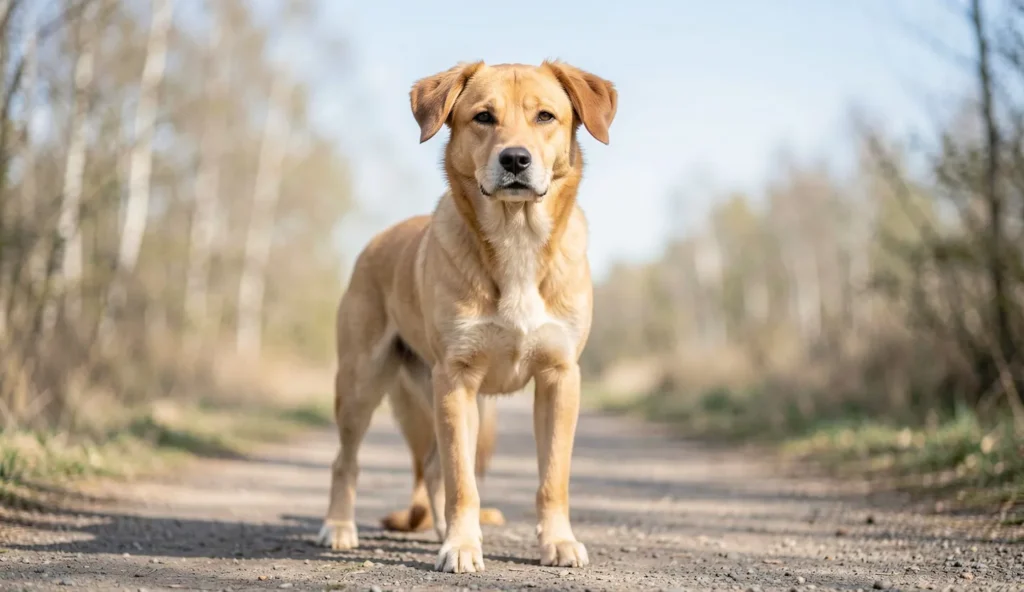
Overlapping appearance makes “dingo vs dog” hard to solve by sight alone. Even when a dingo has typical coloring, local dog breeds may look similar. As a result, dingo behavior and local context usually carry more meaning than coat shade.
In many cases, a history of keeping or handling matters just as much as outward traits. If the animal came from a managed or wild environment, behavior may reflect that background. For broader comparison, owners sometimes review wolf behavior guides like the Gray Wolf profile when thinking through wild canid patterns.
Temperament And Behavior in the Wild and Around People
Dingo behavior usually shows independence, curiosity, and strong responses to moving animals. In the wild, they rely on social coordination inside family groups and opportunistic feeding outside of hunting moments. For people considering the dingo wolf breed concept, understanding behavior matters more than appearance.
When dingoes live near humans, adjustment is not automatic. Many keepers find that training requires consistent structure and careful supervision. The same safety principles also apply when comparing them to other wolf descendant canids.
Social Structure And Pack Behavior
Dingoes often form family groups where cooperation supports hunting and territory management. Pack dynamics can influence breeding and access to resources. Individual behavior may still vary by age, food supply, and local pressure.
Because social roles matter, solitary handling can change stress levels and problem behavior risk. Social needs do not mean constant contact, but they do mean predictable routines. That stability helps animals settle into human environments.
Hunting and Foraging Habits
Dingoes may target small mammals, reptiles, and ground dwelling birds. Scavenging also happens, especially when fresh prey becomes scarce. Their wide ranging movement helps them locate food and water sources across changing conditions.
That opportunistic style connects to the Australian wild dog label that many people use. Owners should expect strong interest in natural scents and hidden movement. Managing the environment becomes part of responsible care.
Reactivity Trainability and Common Safety Risks
A strong prey drive creates risks around small pets and roaming wildlife. Independence can make standard dog training more challenging than expected. Escape risk often increases when animals sense open space, new smells, or opportunities to chase.
Training helps, but it does not remove instincts. Practical safety planning includes secure fencing and controlled introductions. For owners who also study wolf behavior comparisons, reviewing arctic wolf adaptations can show how wild conditions shape canid drives.
Exercise Training and Enrichment Needs
Dingoes need daily physical and mental work, especially if they remain active, alert, and scent focused. Lack of enrichment can lead to restlessness, digging, or escape attempts. For the dingo wolf breed audience, structured activity helps reduce stress in both animal and handler.
Because each animal’s age and health change capacity, exercise plans must be adjusted. Local regulations can also restrict certain training methods. Keeping those factors in view supports safer ownership.
Daily Activity Requirements
Dingoes typically require high energy outlets and regular opportunities to move. Long walks alone often fall short of what scent and problem solving needs can provide. A safer approach includes varied sessions rather than one repetitive routine.
Activity levels should match age and veterinary guidance. If an animal struggles with joints, intense sessions can increase injury risk. When possible, activity planning should follow the dingo habitat and local climate realities.
Enrichment Ideas That Match Natural Foraging
Scent based play can support the searching behavior dingoes rely on in the wild. Safe chew options also help satisfy chewing instincts while reducing boredom risk. Problem solving tasks can take form as simple, supervised foraging games.
Rotation matters because the same setup loses value quickly. Mixing scents, textures, and challenge levels keeps attention engaged. Owners who focus on enrichment often compare notes with other canid needs, including african wolf profile readers learn how environment affects daily activity patterns.
Training Basics That Focus on Safety
Training should start with recall reliability and leash control in controlled spaces. Positive reinforcement using consistent cues helps build trust without escalating stress. Harsh punishment can increase fear and defensive behavior, which raises safety concerns.
Safety focused training includes secure handling around entrances and vehicles. It also includes management when visitors arrive or when unfamiliar animals pass nearby. When thinking about wolf descendant tendencies, consistent training routines tend to matter more than occasional corrections.
Grooming Care Tips and Health Support
Grooming for a dingo wolf breed is usually straightforward, but monitoring remains essential. A healthy coat can require regular brushing, particularly during seasonal shedding. Care also includes ear checks, nail control, and dental attention.
Even when grooming seems simple, health support should not be delayed. Preventative steps help catch issues early, which reduces long term stress. A practical routine also makes future veterinary visits easier.
Coat Shedding and Basic Grooming Steps
Dingoes can shed more during heavier seasonal periods, so brushing frequency should increase at those times. Simple coat checks also help spot skin irritation or abnormal odor. Ear care includes checking for redness or waxy buildup.
Nail trimming should occur when nails get too long and start affecting walking. Overgrown nails can change posture and create joint strain. Grooming sessions should stay short at first and end before stress builds.
Feeding for Body Condition and Energy
Diet choices should support lean body condition and activity needs without causing rapid weight changes. Portions must be measured rather than estimated by eye. Since activity levels vary, feeding should reflect real exercise and temperament.
Fresh water should stay available at all times. If appetite changes occur, they can signal stress or health issues. Diet adjustments are best made with veterinary guidance rather than sudden swaps.
Preventative Health Checks
Routine veterinary exams support early detection of common canid health problems. Parasite prevention planning matters because local risks can differ by season and location. Dental health also deserves attention, since chewing habits influence tooth wear.
Owners should monitor chewing behavior, breath odor, and gum color over time. Any persistent changes should lead to a prompt checkup. Health planning can feel similar across wolf descendant canids, and some owners compare care patterns by reading indian wolf conservation summaries for habitat based risks.
Is a Dingo Wolf Breed Right for You
Deciding on a dingo wolf breed requires more than interest in classification debates. Practical considerations include legality, safety, housing security, and long term commitment. Many households cannot meet those demands consistently, especially around small animals and unpredictable situations.
Because regulations and public safety rules vary, the first step is to check what applies locally. Responsible choices reduce risk to people, pets, and the animal. Understanding what dingoes need also supports humane handling.
Legal and Ethical Considerations
Regulations vary by region and may restrict keeping dingoes or closely related canids. Wild canids can require specialized permits and specific housing standards. Choosing reputable, legal sources lowers the chance of supporting illegal trade.
Ethical care includes acknowledging stress and enrichment needs tied to wild instincts. If the animal cannot receive adequate space, training, and supervision, welfare problems may follow. This reality often becomes clear only after ownership begins.
Home Setup That Reduces Escape and Injury Risks
Secure fencing and escape proofing are essential because dingoes can move quickly and exploit weak points. A covered resting area supports comfort during heat and cold. Introducing the animal to daily routines with predictable access routes helps reduce panic responses.
Controlled introductions around people and other animals also matter. Households without small pets usually face fewer safety conflicts due to prey drive. For some owners learning from wild canid patterns, comparing region specific behavior like the mackenzie valley wolf temperament notes can clarify how environment affects activity and social style.
Who Dingoes Typically Suit Best
Dingoes often fit best with experienced handlers and dedicated enrichment planning. Households without small pets generally reduce risk because prey drive can remain strong. People who can manage long term training, supervision, and stable routines are better positioned to succeed.
Even then, constant management may still be required. The dingo wolf breed label may suggest a pet similar to a dog, but wild instincts often remain. Realistic planning helps protect everyone involved.
Looking Ahead After Learning the Facts
Understanding whether the dingo is a wolf subspecies or a distinct canid helps set correct expectations and supports responsible, humane decision making.
FAQs: Dingo Wolf Breed Questions
Is the Dingo a Wolf Breed or a Distinct Canid?
Many sources label it Canis lupus dingo, but taxonomy remains debated among researchers.
What Does Canis lupus dingo Mean?
It refers to a dingo classification within the wolf species grouping.
How Can Someone Tell a Dingo From a Normal Dog?
Appearance overlaps, so behavior and local context often matter more than looks.
Do Dingoes Have the Same Temperament as Wolves?
They share some traits, but individual temperament varies and environment matters.
Is It Safe to Keep a Dingo With Small Pets?
Prey drive risk is high, and small animals are not safe in most situations.
A Practical Care Mindset Keeps Expectations Realistic
Clear classification knowledge, steady training, and safe management help owners approach the dingo wolf breed topic responsibly.