What Is The Alexander Archipelago Wolf
The alexander archipelago wolf is an island-adapted wolf population tied to the Alexander Archipelago in Southeast Alaska. It is commonly referenced within the taxonomic grouping Canis lupus ligoni. Because it lives on islands, its movement patterns, encounters, and seasonal choices often differ from mainland wolves.
Residents may see this wolf indirectly through tracks, scat, and denning sign. Direct sightings can happen too, especially when weather concentrates travel routes. Any close encounter should still be treated as a wild wolf interaction, not a pet situation.
Scientific Name And Where It Lives
The Alexander Archipelago wolf is associated with islands native to Southeast Alaska. The reference name Canis lupus ligoni often appears in natural history and wildlife summaries. This grouping helps clarify that the wolf belongs to the larger gray wolf species complex.
Island life shapes how the wolf uses terrain, how it searches for prey, and how it disperses. As a result, the wolf is best understood as a wild animal within a local, endemic range.
For broader context on isolated wolf populations, it helps to compare other endemic types. For example, the greenland wolf article explains how isolation can shape survival patterns, even though the environments differ.
Why Island Life Changes Behavior
Island wolf populations often experience smaller, more separated spaces than mainland wolves. This can concentrate encounters when prey remains within predictable corridors. Coastal terrain and weather also influence when and where movement becomes practical.
Additionally, limited land connections affect dispersal routes. Instead of moving across broad continuous habitat, island wolves must work with water barriers and narrower pathways. That reality can change how territories shift and where denning activity becomes visible.
Is It A Pet Or A Wild Animal
The alexander archipelago wolf is a wild animal and remains wild even when people have limited contact. Wolves retain strong instincts for hunting, guarding, and social hierarchy. Those behaviors do not disappear just because an animal appears calm at a distance.
Legal ownership rules vary and can also change over time. Southeast Alaska residents should assume regulations apply to captive possession or handling attempts. In most cases, safe coexistence means keeping distance and using wildlife professionals for any unusual situation.
Appearance And Physical Features That Fit Island Weather
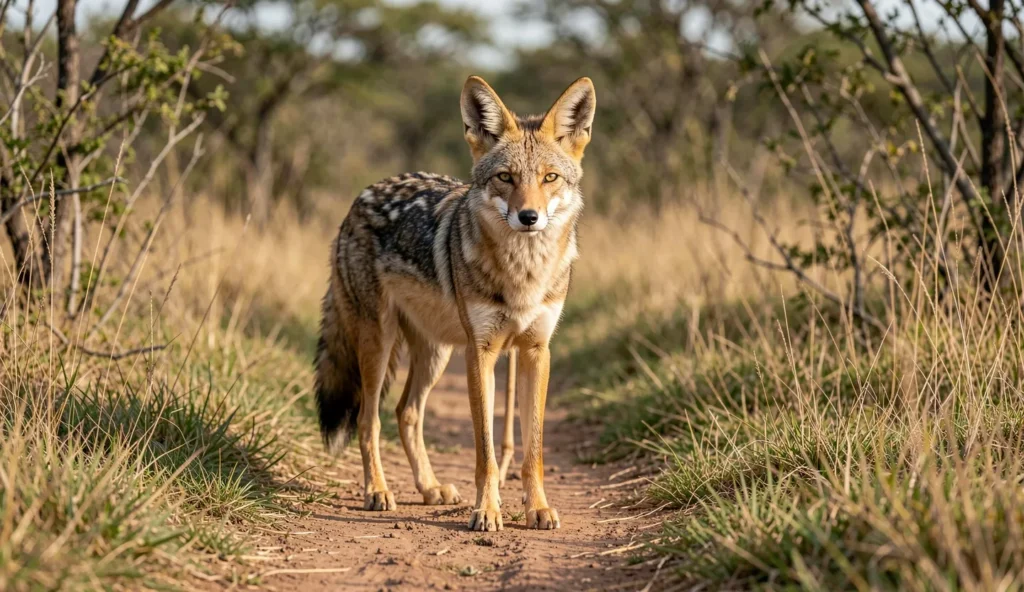
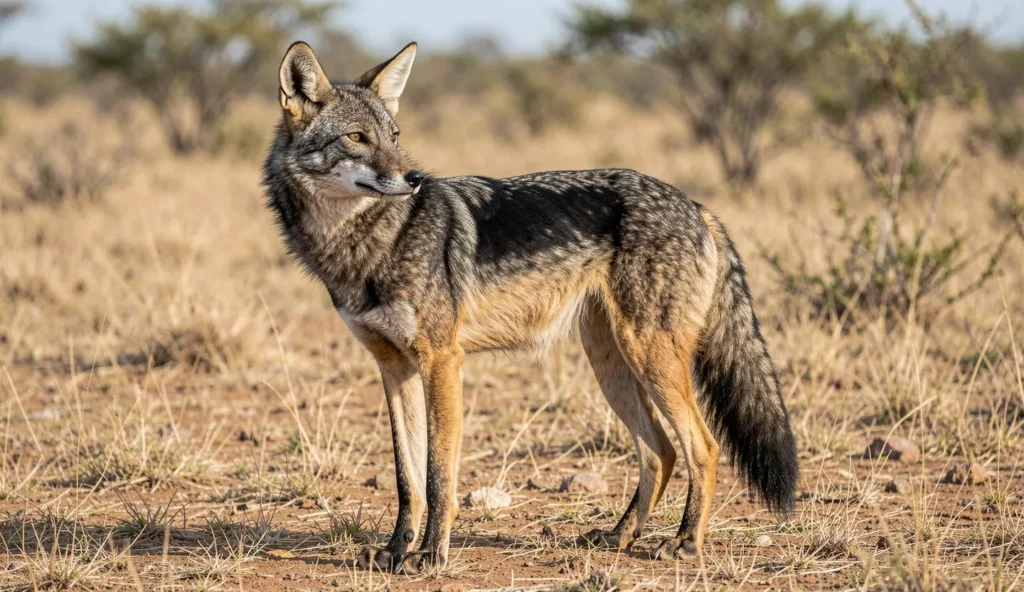
Island conditions in Southeast Alaska include wet forests, coastal wind, and cold, changeable temperatures. The alexander archipelago wolf tends to show physical traits that support travel and warmth. Observers usually notice a dense coat and a body built for efficient movement over uneven ground.
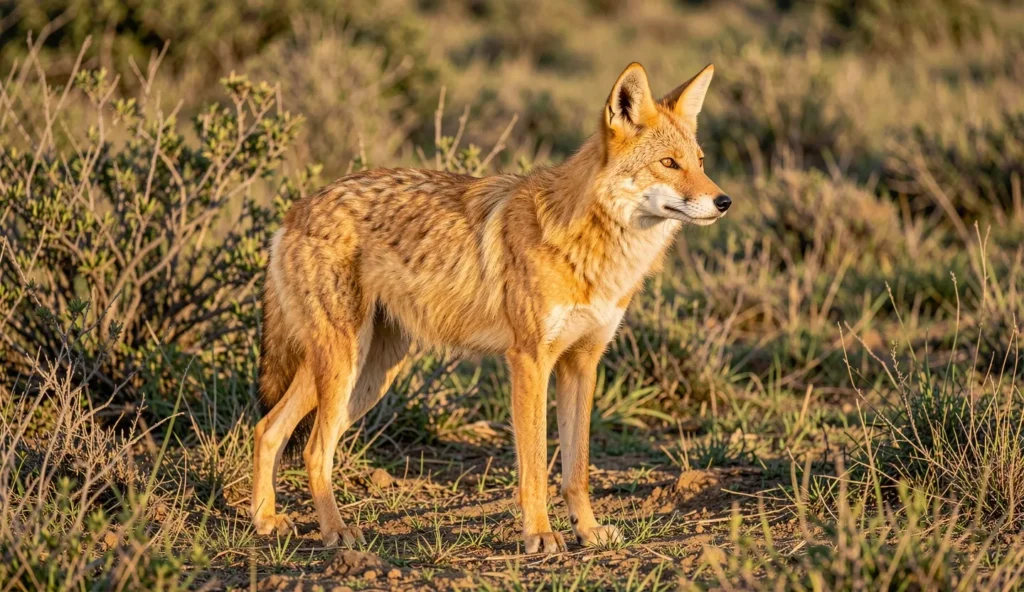
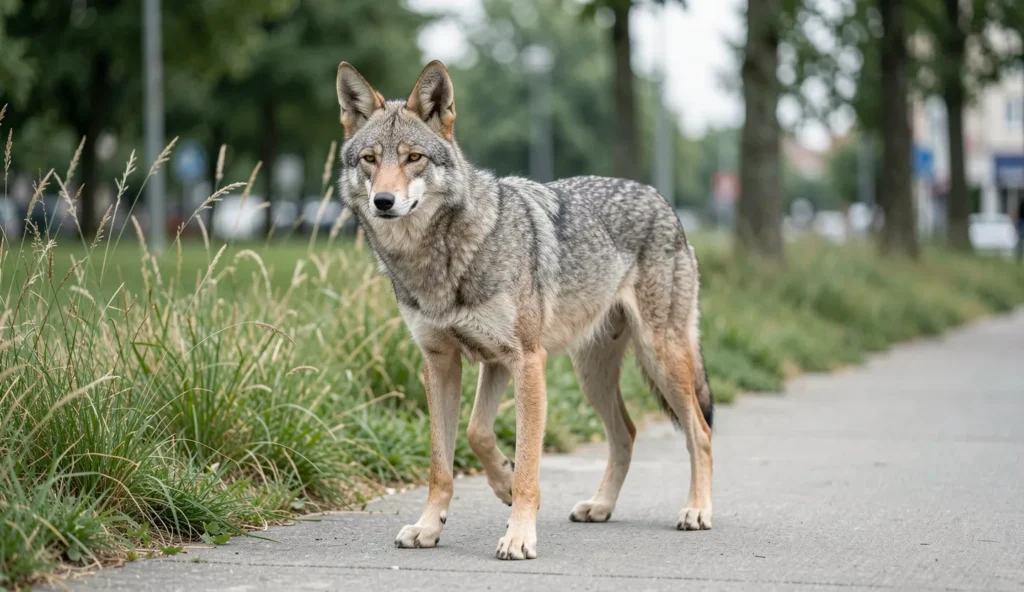
Appearance can vary by season and lighting. A dark coat under mist may look almost brown-gray, while overcast sun may make gray tones more obvious. The key is to focus on general body structure and coat density rather than exact color.
Coat Color And Seasonal Shedding
Expect a thick coat that helps with cold, wet, and windy coastal weather. Coat density can shift across seasons as the wolf grows or sheds under changing daylight and temperatures. When the environment turns muddy, wet fur can also look darker.
Color often appears gray, brown-gray, or darker tones depending on illumination. Shedding periods can make the coat look uneven for a short time. Thick fur remains one of the most practical field indicators of island adaptation.
Body Size And Build
Island wolves can show subtle differences in body form compared with other regions. The build often supports efficient travel over rocky shorelines and dense forest edges. Condition can track food availability and seasonal prey success.
Because food can vary year to year, body condition may fluctuate even within the same island area. Observers should avoid assuming a wolf is unhealthy based only on seasonal thinness. Weather and hunting success often explain visible changes.
Paws And Senses For Rugged Terrain
Strong paws support movement across rough ground, including wet rocks near shorelines and uneven forest paths. The wolf also relies on hearing and smell to locate prey through wind and vegetation. Vision supports travel during low-light periods when hunting becomes more efficient.
Many island environments create gusty conditions that push scent. That makes accurate scent tracking and steady movement even more critical during searches. Any animal crossing near homes may follow familiar routes used for years.
Temperament And Personality Traits Of An Island Wolf
Temperament in wolves depends on exposure, hunger levels, and local pressure. The alexander archipelago wolf can appear cautious or bold depending on circumstances. However, wolves still operate under wild behavior rules that prioritize safety and survival.
For Southeast Alaska residents, the most useful approach focuses on practical safety. Avoiding risky contact prevents injuries and reduces conflict. It also protects wildlife from harm caused by human interventions.
Pack Behavior And Social Structure
Wolves typically live in structured family groups. Pack roles help with hunting, caring for pups, and maintaining territory boundaries. Even when only one wolf appears, other family members often influence the behavior of the group.
Pack structure also affects how scent marking works and where trails become well-worn. When packs protect pups, they may stay closer to denning areas. That can increase sightings near certain forest edges, especially during breeding and pup-rearing periods.
How They React To People
Responses vary based on past exposure and the level of human pressure. Hunger and fear can increase distance-seeking or, in some cases, create unusually bold behavior. Close encounters should always be treated as unsafe.
Direct pursuit or attempts to approach can trigger defensive movement. For practical safety, residents should keep a clear buffer and stop any activity that crowds the animal. Feeding attempts can also change how wolves approach future opportunities.
Natural Predation And Scavenging Tendencies
Diet flexibility helps wolves survive when prey runs change across seasons. They can hunt and also scavenge when carcasses are available. Terrain and weather influence which hunting tactics work best in specific island habitats.
Opportunistic feeding near human areas can occur when easy food sources exist. That includes unsecured attractants that provide repeated access. If food stays available, wolves may return and increase the chance of conflict.
To compare behavior trends across different environments, see how arctic wolf adaptations relate to hunting and weather tolerance. While the Arctic context differs, the theme of seasonal adjustment remains consistent across wolf populations.
Exercise And Activity Levels In Southeast Alaska
Because the alexander archipelago wolf is an island wolf, movement patterns connect tightly to prey access and weather windows. Wolves travel to maintain social contact and find food. On islands, travel corridors can become more defined because alternatives may require crossing water.
Residents often notice activity through track marks and scat deposits along repeating routes. Sometimes movement seems sudden, but weather can simply open or close travel opportunities. Understanding those patterns supports safer decision-making around homes and outdoor spaces.
Typical Range And Movement Patterns
Wolves travel for hunting and for maintaining social bonds with pack members. Territory use can shift seasonally when prey habits change. Coastal weather can also reshape travel routes by affecting wind, visibility, and ground conditions.
Even when long-distance travel happens, island movement tends to follow workable land edges and predictable approaches to prey areas. Those routes may remain consistent year after year. Over time, locals may begin to recognize signs along familiar trails.
Seasonal Differences In Time Spent Moving
Winter conditions can raise energy demands, so hunting may focus on efficient targets and safer routes. Spring and summer can alter prey behavior, which also changes how wolves search. Late fall may increase searching when prey availability shifts again.
Rain and cold can also influence how long wolves stay active before sheltering. On wet islands, movement often balances water exposure, warmth, and the likelihood of successful tracking. Residents may see signs more often after storms when animals compress toward protected terrain.
How To Reduce Conflict Around Homes
Conflict becomes more likely when wolves gain predictable access to food near residences. Remove attractants that bring wolves closer to people and common activity areas. Secure trash, pet food, and any accessible livestock feed immediately.
Domestic animals also need supervision when wolves are active in the area. Keeping pets leashed and avoiding free-roaming reduces risk for pets and wildlife. For additional island context, reviewing vancouver island wolf information can clarify how isolation affects movement and encounter patterns.
Grooming And Basic Care Considerations For Island Adaptation
True grooming care for a alexander archipelago wolf is not realistic because the animal belongs in the wild. Instead, residents can understand coat behavior and focus on safe, responsible observation. Any handling should be limited to trained professionals with wildlife authority guidance.
In this section, the goal stays practical. It explains what coat condition might mean and how to respond when an unusual or injured wolf appears.
Coat Care In The Wild Context
Thick fur provides weather protection without human brushing. Mud and wet conditions can increase shedding and make fur clump if rain persists. Grooming behavior in wild wolves usually centers on parasite control and maintaining functional coat condition.
In active island environments, dust and wet debris can also create friction. When coat damage occurs, it often links back to parasites, minor injuries, or prolonged exposure to harsh conditions. Residents should not assume coat looks rough means the animal must be rescued.
Managing Temperature Stress During Handling
Cold, wind, and moisture increase stress during any capture attempt. Avoiding unnecessary contact helps prevent fear and physical injury to both the wolf and any human involved. Wild animal handling should occur only under professional protocols.
Improper attempts to approach can also lead to defensive behavior. That risk grows if pups are present or if the wolf feels trapped. For Southeast Alaska residents, the safer choice remains contacting the proper wildlife authorities.
When To Involve Wildlife Professionals
Injured or entangled wolves require professional help. Residents should report wolves behaving unusually for the area, especially if movement looks impaired. Never attempt feeding to “help” a wolf, since feeding can increase repeated visits and conflict.
If a wolf appears sick near a home, keep distance and focus on documentation from afar. Wildlife professionals can assess and decide next steps without rewarding unsafe behavior. For additional subspecies-level context, hudson bay wolf coverage illustrates how harsh regions still produce similar wild health patterns.
Diet Nutrition And What They Typically Eat On Islands
The alexander archipelago wolf survives through diet flexibility tied to local prey and seasonal conditions. On islands, prey populations can shift with storms, tides, and habitat access. Wolves adjust by hunting available animals and scavenging when carcasses are accessible.
For residents, the main takeaway is that wolves will pursue food whenever attractants exist. Feeding near homes changes that natural pattern and increases risk for pets, livestock, and people. Responsible coexistence starts with removing easy food sources.
Natural Prey And Hunting Drivers
Diet depends on local prey populations and seasonal changes. Hunting success affects body condition and pup survival during key rearing periods. Terrain and weather also influence which prey types become easiest to reach.
Island landscapes often create clear hunting lanes along forest edges and shoreline corridors. When prey moves predictably, wolves can use those patterns to reduce energy use. That makes travel and hunting decisions closely linked to the time of day and ground conditions.
Scavenging And Opportunistic Feeding
Carcasses can support wolves when fresh kills become limited. Opportunistic feeding also happens near known food sites, especially when weather reduces hunting efficiency. That behavior increases in areas with human-created food sources that remain accessible.
Where scavenging becomes predictable, wolves may change their routes. They may spend more time near those areas and less time in deeper habitat. That shift can raise conflict if residents do not manage attractants.
Feeding Wolves Near Homes Raises Risk
Feeding increases boldness and repeat visits to properties. It can also put pets and livestock at higher risk because wolves learn that human areas bring food. Proper coexistence relies on removing accessible food and securing waste.
If wolves repeatedly approach a property, residents should treat that as a sign that attractants exist. Eliminating those attractants usually reduces return visits. For additional desert canid context on misidentification risks, the african wolf profile article helps show why “wolf-like” behavior can vary by species and region.
Common Health Issues In Island Wolves And What Residents May Notice
Wild wolves in Southeast Alaska face health pressures that can show in coat condition, movement, and appetite. The alexander archipelago wolf can experience parasites, injuries from hunting, and stress-linked illness. Residents may notice changes after storms, during prey shortages, or in areas with heavy traffic.
Observation helps, but direct contact remains unsafe. The best response focuses on distance, reporting, and reducing the factors that bring wolves into close contact with homes.
Parasites And Skin Problems
External parasites can worsen coat condition and create irritation. Wet environments can also contribute to skin issues that make fur look patchy. Scarring and hair loss may appear in active wolves that spend more time in harsh conditions.
If coat damage looks severe, that may indicate a health or parasite problem. Even so, that does not always mean immediate danger to people or pets. A report to wildlife authorities provides the fastest path to a proper assessment.
Injuries From Hunting And Terrain
Trauma can result from struggles with prey and from navigating rugged ground. Rugged terrain increases the risk of paw and leg injuries. Injured wolves may show reduced movement or choose more sheltered travel routes.
Residents should not try to help an injured wolf directly. Attempting to approach can escalate fear and lead to unpredictable behavior. Wildlife professionals can move and treat animals under appropriate permits.
Disease And Seasonal Stressors
Stress from weather and prey shortages can lower resistance. Respiratory issues may increase during harsh conditions. When a wolf shows obvious illness, residents should report the situation to local wildlife agencies for guidance.
Seasonal timing matters because cold snaps and prolonged wet periods can worsen health. If multiple wolves appear weak or unusually inactive, that can signal broader local stressors. Documentation from a safe distance can support the agency response.
Is The Alexander Archipelago Wolf Right For You
The alexander archipelago wolf is not a typical companion animal for Southeast Alaska households. Island wolves remain wild and follow instincts for hunting, territory, and social structure. For most residents, the right fit involves learning coexistence practices, not attempting ownership.
This positioning helps keep both people and wildlife safer. It also reduces legal risk related to holding or handling wolves.
Best Fit For What Kind Of Person Or Household
The best fit is for residents who focus on coexistence and safety practices. Households with livestock should plan protection measures and secure enclosures. Families should prioritize supervised pet routines outdoors, especially during periods of frequent wolf movement.
If outdoor access involves barns, sheds, or feed storage, those areas need added security. Wolves respond to accessible food and may investigate with persistence. Planning reduces incentives for wolves to approach homes.
Key Reality Checks Before Any Close Interaction
Wild instincts remain even when wolves become familiar with human presence. Legal rules may restrict keeping wolves as pets or taking direct control of wild animals. Feeding or attempting close contact can also increase human-wolf conflict and risk of injury.
For a sense of how different wolf populations vary across landscapes, explore eurasian wolf behavior. Although region-specific behavior differs, the safety principle stays constant across wolf types.
Coexistence Practices That Reduce Risk
Secure trash and remove accessible food sources to reduce repeat visits. Use deterrence methods that do not injure animals and follow local guidance for wildlife safety. Learn which attractants are most common in the area and address them quickly.
When wolf sign appears near a property, treat it as an opportunity to improve storage and waste management. Over time, reducing attractants often lowers the chance of close encounters. That approach supports long-term coexistence in Southeast Alaska.
Frequently Asked Questions
What Does Canis lupus ligoni Mean For Identifying The Alexander Archipelago Wolf?
It is a commonly used scientific reference name for this subspecies.
Why Are Island Wolf Ranges Often Smaller Or More Separated Than Mainland Ranges?
Water barriers limit dispersal and concentrate territory use.
How Can Southeast Alaska Residents Reduce Attractants That Bring Wolves Closer?
Secure trash, remove pet food access, and manage outdoor livestock carefully.
What Should Be Done If A Wolf Appears Sick Or Injured Near A Home?
Keep distance and contact local wildlife professionals for guidance.
Do Island Adapted Wolves Have Different Diet Needs Than Mainland Wolves?
They are adaptable but diet shifts with local prey availability and seasonal conditions.
How Do Weather Conditions In Southeast Alaska Affect Wolf Movement Timing?
Wind, rain, and cold can shift travel and hunting to safer or more efficient windows.
Final Note
Understanding the alexander archipelago wolf as an endemic island wolf supports safer choices for residents and safer outcomes for wildlife. Responsible distance and attractant control reduce conflict without putting animals at risk.