What Is A Caspian Sea Wolf
The caspian sea wolf is a name people use for a wolf population connected to the Caspian basin and surrounding Central Asia. It fits an arid environment canid pattern, with behavior shaped by limited water, wide terrain, and seasonal prey movement. Because naming practices vary, readers often see the same animals described with slightly different labels across references.
For nature lovers, the most useful framing focuses on range and habitat. That approach helps explain how the caspian sea wolf survives in deserts, steppe edges, and dry plains near the Caspian Sea. It also sets expectations for how wary the animals typically remain around human activity.
Basic Identity And Geographic Naming
“Caspian Sea wolf” generally refers to wolves associated with the Caspian basin rather than a single, uniform group that never overlaps with nearby regions. Many discussions treat it as a regional form across Central Asia. That means the caspian sea wolf can show local differences in coat tone, body condition, and seasonal movement.
Some references use modern taxonomic terms for classification, while others rely on geography and public familiarity. The naming choice matters less than the habitat context for understanding where the animal is likely to appear.
Taxonomy Notes For Readers Seeing Canis Lupus Campestris
Some sources link Caspian basin wolves to Canis lupus campestris, but evidence and labels can shift between studies. Subspecies classification also varies because wolves can interbreed across large distances. As a result, readers should treat labels as tools, not rigid boundaries.
Even when the caspian sea wolf is discussed under Canis lupus campestris, the range-focused approach still works. Habitat and behavior often provide the clearest real-world clues in Central Asia.
Key Trait That Fits Arid Living
A key trait for the caspian sea wolf is practical adaptation to arid conditions. Lower water availability and seasonal food swings shape travel routes, hunting timing, and denning choices. The animals often need wide-ranging movement to locate prey and safe shelter.
In wild settings, temperament usually trends wary and avoidance-focused. Wolves reduce risk by maintaining distance from people and by using cover when traveling during daylight.
Where The Caspian Sea Wolf Lives Around The Caspian Basin
The range of the caspian sea wolf sits around the Caspian basin and extends into adjacent steppe and semi-arid zones. This includes land that supports movement corridors for prey and cover for resting. Central Asia locations near the sea also influence access to seasonal greener patches and water sources.
Because conditions change with drought, hunting pressure, and prey density, the practical range can look different from one year to the next. Still, habitat patterns remain consistent enough to explain how the caspian sea wolf uses the landscape.
Core Range Across Central Asia
The caspian sea wolf is most strongly associated with the Caspian basin and the steppe zones that surround it. That broad area spans multiple countries and border regions. Presence often follows prey availability and landscape connectivity rather than strict political lines.
Dry rangelands and open grasslands support hunting and long-distance travel. Dense settlements can reduce movement routes, so wolves may favor remote stretches with fewer disturbances.
Habitat Types It Uses In Dry Landscapes
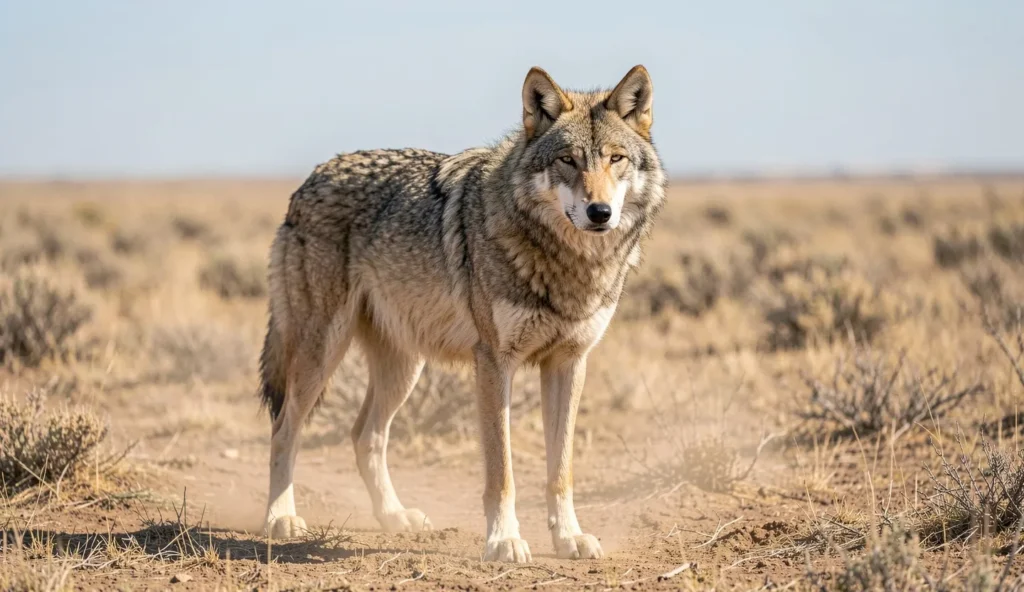
In Central Asia, the caspian sea wolf often uses steppe grasslands and semi-arid plains where prey moves across open ground. Desert edges with scrub and low vegetation can also provide cover. Seasonal corridors near rivers, springs, and wetlands may offer short windows of better feeding and water access.
These habitat choices help the wolf balance exposure with mobility. The animals can travel efficiently while still finding places to rest and hide during hot or windy periods.
Seasonal Movement And Why It Matters
Seasonal movement helps the caspian sea wolf track prey as vegetation and water availability shift. When summer heat limits grazing, prey can concentrate near limited resources. Wolves may then move to follow those concentrations and avoid long, low-success travel stretches.
Range maps often look static, but actual movement can shift after drought or when local hunting pressure changes. That pattern aligns with how other desert-adapted wolves adjust their behavior in harsh conditions.
What Landscape Features Support Survival
Landscape features that support survival include cover for resting and denning, such as rocky areas or dense scrub. Travel routes that minimize exposure and energy costs also matter. Access to water sources, even if only seasonal, can determine where wolves can spend more time.
For readers comparing adaptations across regions, arid survival strategies appear in other wolf types too. For example, arctic wolf adaptations focus on cold protection, while desert-adapted populations rely on travel efficiency and strategic sheltering. For a broader comparison, see how arctic wolf adaptations differ in purpose and timing at arctic wolf adaptations.
How Desert And Arid Conditions Shape Its Behavior
Desert and arid conditions influence the caspian sea wolf through timing, water use, and hunting tactics. Adaptation comes from behavior rather than magic biology. The animals often adjust their routines to match heat, cold, and prey movement across the day and seasons.
These behavior patterns can look similar across desert wolf populations, even when geography differs. That makes the caspian sea wolf useful as a model for understanding how wolves cope with dry terrain.
Activity Timing In Heat And Cold
In hot months, the caspian sea wolf can become more active during cooler parts of the day. That reduces water loss risk and lowers heat stress during hunting and travel. Weather windows can also help long movement become practical.
During cold seasons, conserving energy becomes more critical. Wolves often rely on effective pack routines, with group coordination helping reduce unnecessary travel and improve hunting success.
Water Use And Drinking Patterns
Water access in arid regions can be limited and seasonal, so the caspian sea wolf often obtains moisture from prey. Occasional water points still matter, especially when animals can reach them safely. Wolves can choose travel routes that pass near reliable sources.
When water becomes scarce, prey may also shift its behavior, which then changes wolf movement. In practice, wolves do not chase water for its own sake, they chase survival opportunities linked to water and prey.
Hunting Strategies In Dry Terrain
The caspian sea wolf uses open-ground tracking and coordinated pursuit when terrain and visibility allow. In dry periods, prey can remain vulnerable during drought or migration events. Wolves can adapt group size and tactics based on prey density.
In some regions, comparisons to other arid-adapted canids help people understand the role of endurance and route planning. For example, desert survival often favors smarter travel rather than nonstop sprinting, a concept also seen in discussions of desert wolf populations.
For additional context on how wolf types vary by region, readers can compare Central Asia patterns with broader wolf profiles such as Gray Wolf range behavior and how it differs across environments.
Appearance And Physical Traits You Might Notice
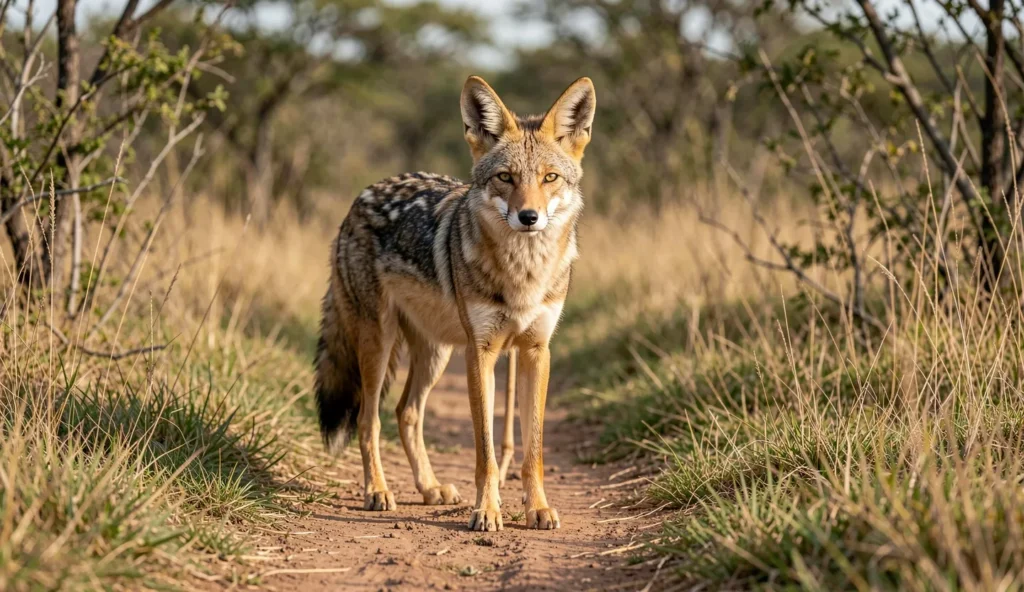
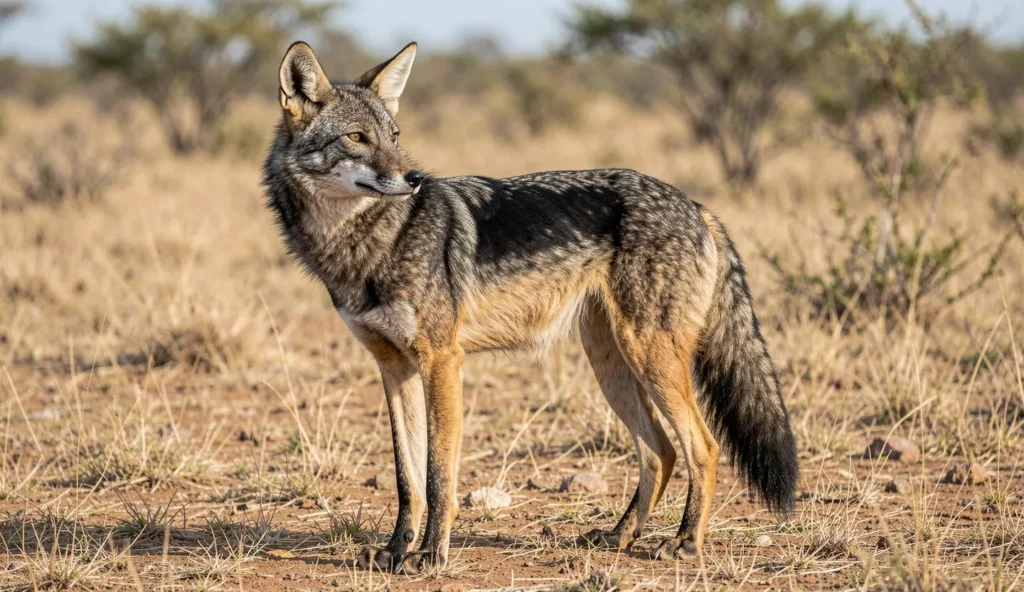
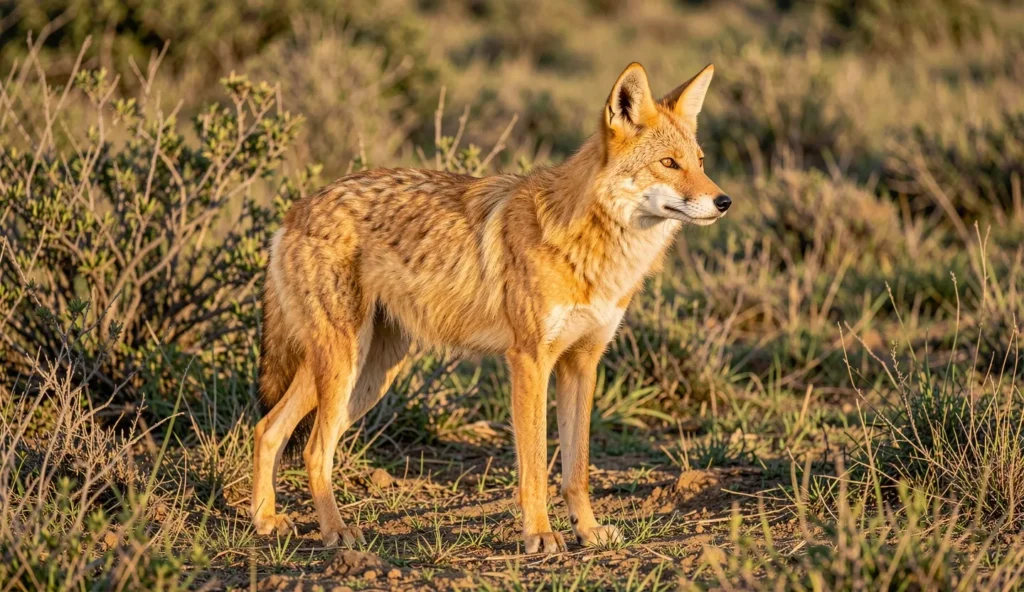
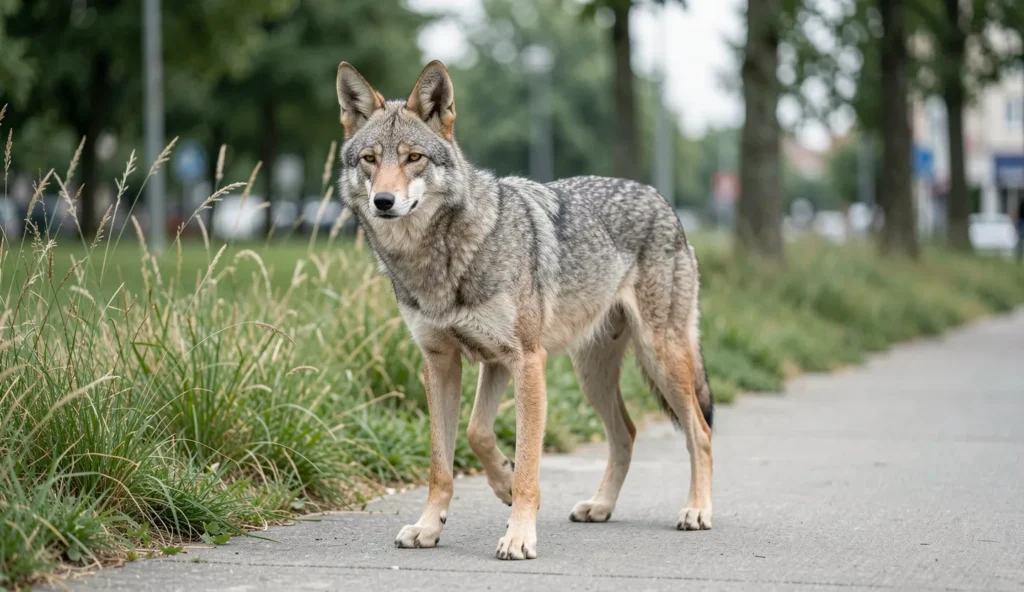
The caspian sea wolf generally resembles other wolves, but local conditions can influence how the coat looks in the field. Coat color often ranges from gray to brownish tones. Seasonal thickness can also change as temperature shifts across the year.
Instead of expecting exact measurements, observers should focus on broad features and posture. That approach works well in open steppe and scrub areas where lighting and dust can alter how animals appear.
Coat Color And Seasonal Changes
Coat can range from gray to brownish tones, with some animals showing dust-tinged fur when moving through dry ground. Winter coats often become thicker for colder periods. In arid settings, coat texture can appear practical rather than overly fluffy.
Seasonal changes often reflect climate needs, not style. The caspian sea wolf can therefore look slightly different between summer and winter sightings.
Body Build And Movement Style
The caspian sea wolf typically shows wolf proportions, with strong legs suited for endurance. Movement often appears efficient, because long-distance travel supports hunting across wide spaces. Build can reflect seasonal condition and the availability of prey.
In open terrain, gait and head posture become useful observation cues. A focused, alert posture can signal that the animal is tracking scent or watching for movement.
Face Ears And Scenting Adaptations
Large ears support hearing for prey movement and help the animal respond quickly to changes in the environment. The nose and scent behavior support tracking prey and also help wolves follow scent signals from other canids. Observers might notice head height changes when the wolf transitions from scanning to following a trail.
Alert posture combined with steady tracking can appear in many wolf populations. For a regional comparison that highlights visible adaptations, readers can also explore how other ecosystems shape wolf features, such as Ethiopian Wolf mountain-focused traits.
Temperament And Pack Life In The Wild
Temperament in the wild for the caspian sea wolf usually follows predictable wolf patterns. Wolves tend to rely on structured family groups, which shape daily roles and decision-making. As a result, behavior can look calm at a distance but cautious when people enter the area.
Understanding pack life helps nature lovers interpret why wolves travel in certain directions and why interactions with humans usually remain limited.
Pack Structure And Roles
Wolves typically live in family groups where individuals share responsibilities for hunting and denning. Hierarchy influences feeding order and can affect how the pack chooses movement decisions. In open environments, pack coordination helps reduce risk and improve success.
In arid zones, that teamwork becomes even more valuable because prey may be more dispersed. The caspian sea wolf can therefore depend on reliable roles to manage energy.
Communication Methods You May See Or Hear
Wolves communicate with body posture to show calm or tension. Vocalizations can support coordination, especially when the pack needs to maintain distance while tracking. Scent marking also signals territory and social status.
For observers, communication cues often appear during travel pauses. A wolf can stop to test scent, then resume movement along a route that fits the landscape.
How Fear And Avoidance Works
Wild wolves usually avoid close contact with humans, and the caspian sea wolf likely follows that same avoidance pattern. Distance reduces risk and helps conserve energy spent on unnecessary conflict. Repeated human pressure can change behavior, but the shift often increases tension rather than making wolves friendly.
Some readers compare avoidance with behavior in other regions by studying range and conflict patterns across wolf types. For example, eurasian wolf behavior discussions help explain how human presence can alter movement and vigilance.
Caspian Sea Wolf Care Guide For Responsible Keepers
Caring for a caspian sea wolf in captivity sits behind strict legal and ethical boundaries. Wolf-type canids require specialized housing, experienced staff, and a veterinary plan that focuses on long-term welfare. Many countries and regions treat ownership of wolf-type animals as regulated or restricted.
Because direct ownership is rare, this section focuses on responsible care frameworks at a high level. The safest option for most nature lovers remains observation in the wild from a distance.
Important Legal And Ethical Constraints
Before any contact with wolf-type animals, local wildlife and animal welfare laws must be checked. Only licensed settings should handle wolf-type canids, because safety and welfare risks increase without proper oversight. Unlicensed keeping can cause harm and create legal consequences.
Ethical constraints also include the ability to provide daily enrichment, secure enclosure design, and professional veterinary access. If those systems cannot be sustained, the animal’s needs will not be met.
Housing Essentials For Arid Environment Needs
Housing for a caspian sea wolf requires secure enclosure barriers with escape prevention. Resting areas should include dry bedding or sheltered flooring to reduce stress and skin issues. Shade and wind protection also matter during hot periods, especially in arid climates where heat buildup can become severe.
Enrichment routes can encourage natural movement patterns, which supports physical and mental welfare. The enclosure design should also reduce the risk of injury during exercise and feeding.
Some keepers compare facility planning across related wolf populations to understand housing differences. For example, cold climate setups differ from arid setups described in hudson bay wolf contexts, where winter shelter and snow management become central.
Diet And Feeding Basics For A Carnivore
The diet for a wolf-type canid must be meat-based with appropriate nutrients. Feeding plans should match energy needs and maintain healthy body condition throughout the year. Fresh water access remains required even in arid-adapted climates.
Diet changes should happen only under veterinary guidance, because sudden shifts can cause digestive issues. A stable feeding schedule also helps keep stress levels lower during routine care.
Handling And Temperament Safety
Handling a caspian sea wolf requires professional training and calm, consistent protocols. Behavior can become unpredictable without experienced staff and secure equipment. During feeding, cleaning, and movement, minimizing stress supports safer routines for both people and animals.
Safe separation planning must include emergency procedures and equipment readiness. Staff should have clear steps for veterinary interventions and for any enclosure-related incident.
Common Health Issues In Wolf-Type Canids
Dental and nutritional problems can develop when diet management and dental care do not meet species needs. Skin and coat issues may appear when bedding quality or humidity control fails to support welfare. Parasites and infections also require routine veterinary screening and timely treatment.
Monitoring should include weight trends, stool consistency, and hydration signs to confirm diet fit and water intake. The goal is early detection rather than waiting for serious symptoms.
For a deeper look at health considerations across wolf types, readers can compare regional challenges in arctic wolf adaptations, where seasonal physiology affects care planning differently.
Starter Checklist For New Owners
A starter checklist can help ensure readiness, even when ownership is only possible for licensed keepers. Each item should connect to safety, legality, welfare, and ongoing support.
- Legal permit checks completed and documented
- Licensed veterinary plan for wolf-type canid welfare
- Secure arid-safe enclosure with shade and dry shelter
- High-quality carnivore diet supply and feeding schedule
- Enrichment plan for exercise, scenting, and mental engagement
- Emergency contact list and evacuation steps created
Because wolf-type animals require consistent staffing, preparation should include shift planning and record keeping. That keeps daily welfare stable and reduces risky improvisation.
Is The Caspian Sea Wolf Right For You
Most Central Asia nature lovers do not need to provide direct care for a caspian sea wolf. Observation from a distance can satisfy learning goals while also avoiding welfare and safety risks linked to captivity. Still, some licensed professionals may be able to meet the requirements.
Suitability depends on legal authority, facility standards, and long-term veterinary support.
Who Might Be A Good Fit
Licensed professionals with wolf experience and secure facilities often fit best. Organizations focused on welfare, enrichment, and veterinary care also match the care demands. People prepared for specialized husbandry and ongoing costs typically maintain better outcomes.
Who Should Avoid Direct Care
Direct care should be avoided when legal status is unclear or safety requirements cannot be met. A person seeking a typical home pet should not consider a wolf-type canid. Without expert staffing for daily welfare and behavioral management, keeping can lead to harm.
For readers interested in how different wolf populations exist under different constraints, comparing public knowledge can help. Studying mackenzie valley wolf region profiles shows how environment and governance can change expected behavior and care needs.
Final Note On Learning About This Wolf In Central Asia
Learning about the caspian sea wolf helps connect Central Asia landscapes with real animal needs. When range, arid adaptation, and welfare rules are understood, appreciation becomes more accurate and safer.
Frequently Asked Questions
Where Exactly Does The Caspian Sea Wolf Live Around The Caspian Sea?
It centers on the Caspian basin and adjacent steppe and semi-arid landscapes.
Is The Caspian Sea Wolf The Same As Canis Lupus Campestris?
Some sources link populations to Canis lupus campestris, but classifications vary.
How Does An Arid Environment Affect The Caspian Sea Wolf Daily Behavior?
It often adjusts activity timing and travel to match heat, cold, and prey movement.
Does The Caspian Sea Wolf Travel Far During Drought Seasons?
Movement can increase when prey is scarce and water access becomes limited.
What Habitat Features Help The Caspian Sea Wolf Survive In Central Asia?
Cover for resting and denning plus connected travel routes to prey and water points.
What Is The Safest Way For Nature Lovers To Observe A Caspian Sea Wolf?
Observation from a distance in suitable viewing areas while avoiding interference.