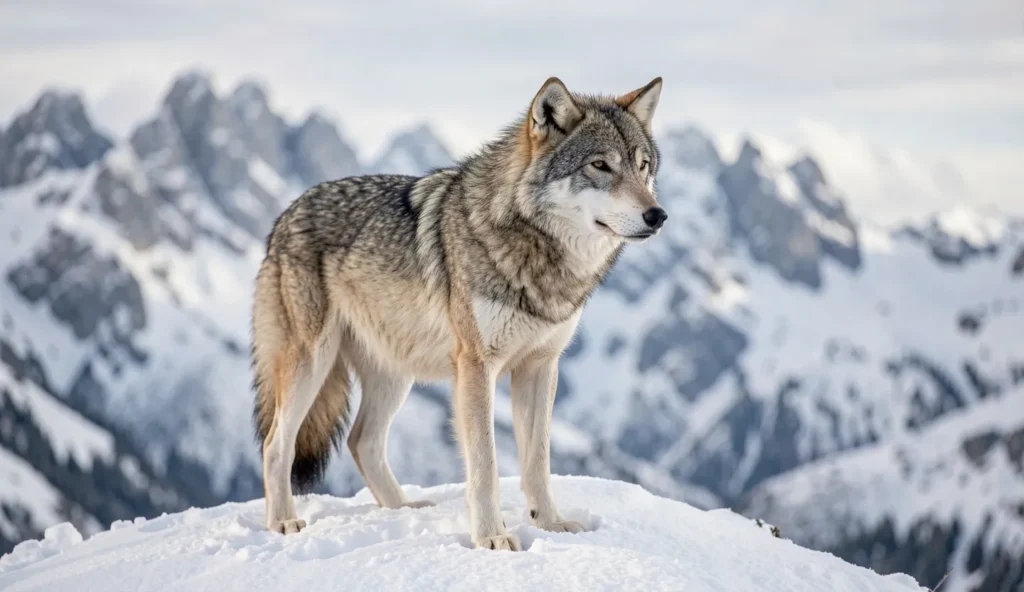
What Is Tibetan Wolf In Tibetan Culture?
The tibetan wolf occupies a respected place in Tibetan cultural memory, often connected to mountain resilience and living under harsh conditions. In many references, the animal corresponds to Canis lupus chanco, also described as the high altitude wolf. For spiritual seekers, the enduring value comes from how stories guide attention toward restraint, awareness, and non-interference.
Because oral traditions vary by community and time period, cultural meaning can shift even when the animal stays the same. Some teaching lines use the tibetan wolf as a symbol for endurance and vigilance rather than a literal command. Others highlight the natural role wolves play in cold ecosystems and seasonal life.
Scientific Identity And Common Names
Modern classification often links local descriptions to Canis lupus chanco in the broader wolf species complex. Still, everyday names and story terms can differ from scientific labels. That mismatch can create confusion, especially when travelers or online sources mix general “wolf” wording with regional claims.
Regional references sometimes use the same term for different canids, so it helps to match the description to place, elevation, and reported behavior. For a broader comparison of wolf types across climates, readers may find background in articles on other subspecies such as arctic wolf adaptations.
Why Reverence Exists In Stories And Teachings
Reverence often shows up through narratives that link wolves to survival in cold wind and deep winter scarcity. Wolves become a teaching focus because they live where food and movement options are limited. In these stories, endurance matters, but so does the idea that humans should not push against wildlife needs.
Respect themes also appear across community contexts that involve mountain travel, herding life, and seasonal planning. When wolves remain distant, their presence still signals something about balance in the landscape. That symbolic framing can support spiritual practice without turning the animal into an object for control.
Where High Altitude Wolf Life Shapes Cultural Meaning
High altitude wolf conditions shape what local observers notice, including distance, weather-driven movement, and long gaps between sightings. In winter, sparse prey and wide terrain can reduce visibility, so stories often emphasize patience. Over time, those patterns help create meaning around waiting, watching, and acting only when understanding is clear.
Because the landscape can be severe, the tibetan wolf may also appear in teaching lines that highlight careful attention rather than emotional chasing. That cultural lens can reinforce safety habits for modern viewers who plan mountain field observations.
How Tibetan Wolf Legends And Symbolism Are Commonly Described
Tibetan wolf legends often share recurring themes even when details differ. The central motifs tend to connect the animal to harsh environments, coordinated group survival, and a natural separation from people. When readers look for symbolism, it helps to treat legends as cultural interpretation, not a guarantee about any individual wolf’s behavior.
These stories commonly reflect what people depended on in mountain life. Wolves can represent caution, vigilance, and the need to keep a respectful distance. At the same time, cultural meanings do not replace the real animal needs of Canis lupus chanco or any high altitude wolf group.
Common Character Traits Attributed In Folklore
Courage under cold and wind frequently appears in folklore portrayals of wolves. Pack cooperation also shows up as a key theme because group members coordinate movement and support hunting. Alertness and staying away from human activity often appear too, reflecting how wolves avoid direct contact in most circumstances.
Those traits match patterns observed across wolf populations, though story wording can dramatize them. For more examples of how wolves adapt to extreme conditions, readers may compare themes in mexican wolf recovery and other recovery-focused descriptions.
Connections People Make To Spiritual Practices
Some traditions frame wolves as reminders of presence and restraint. The idea is not to imitate a wolf, but to notice when attention turns into disturbance. In that sense, symbolism can support ethical behavior during nature time.
Beliefs may also overlap with broader natural world themes that include interdependence, seasonal rhythm, and living within limits. When spiritual seekers use these ideas, they often focus on mindfulness in the landscape rather than attempting contact with wildlife.
How Terms Like Sacred Wolf Are Used
The phrase sacred wolf often signals reverence, but it does not automatically mean literal worship everywhere. Meaning can depend on region, teacher lineage, and the local history of wolf interaction with herders. In some contexts, sacred wolf functions as a respectful boundary marker rather than a claim of supernatural control.
To avoid misunderstanding, readers can look for sources that explain whether a sacred term refers to symbolism, ethics, or community teaching. That approach supports respectful viewing of the tibetan wolf and helps distinguish story value from animal biology.
What The Tibetan Wolf Looks Like And How It Lives In Cold Mountains
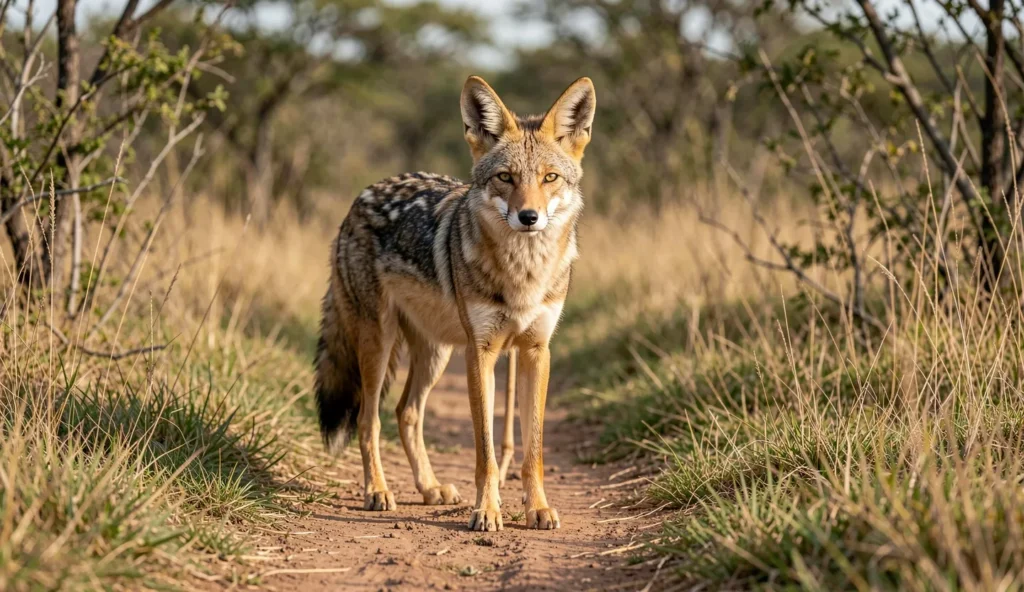
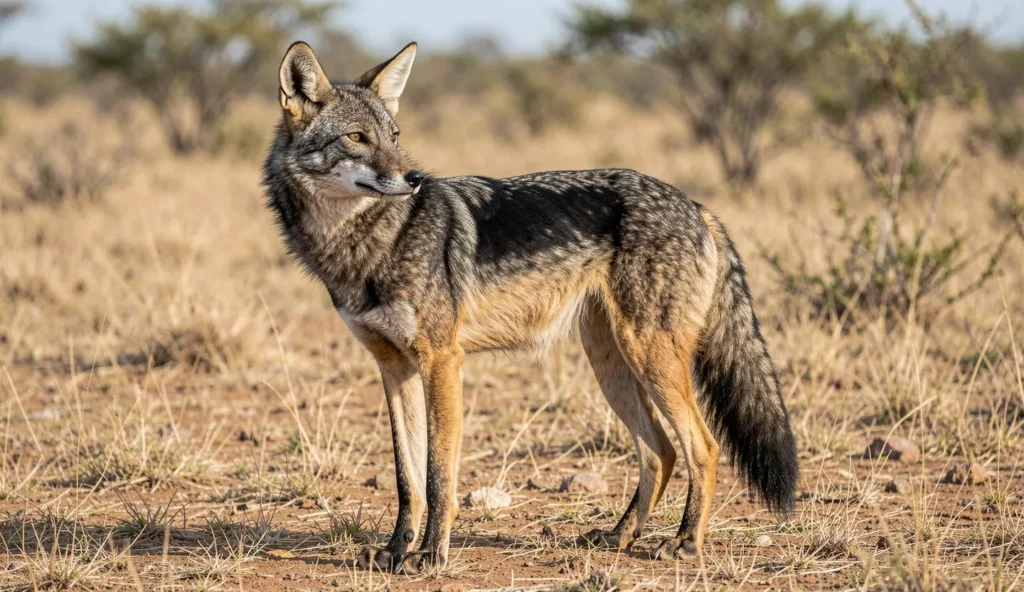
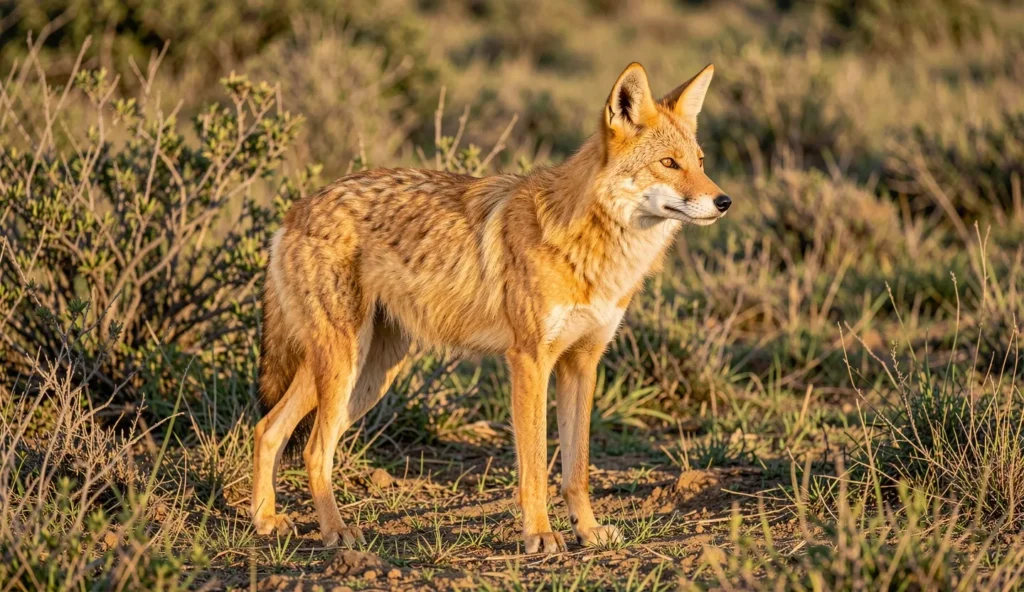
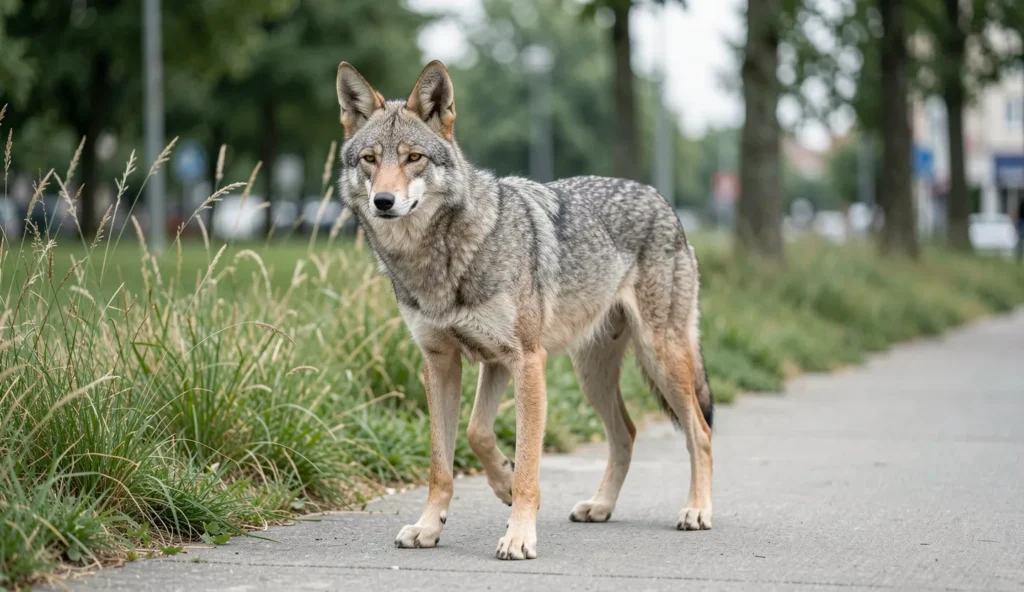
Beginner-friendly animal facts about the tibetan wolf focus on what observers can reasonably notice in a cold mountain setting. While no single description fits every individual, Canis lupus chanco is generally associated with thick protection from wind and efficient movement over rough ground. High altitude wolf life also influences where wolves appear, including ridges, valleys, and travel corridors.
Understanding appearance and life patterns matters for safer, calmer viewing. It also helps spiritual seekers interpret distance without turning it into a spiritual “signal” that overrides animal needs.
Physical Features People May Notice From A Distance
Many viewers notice a thick coat that supports cold temperatures and wind exposure. The overall body shape tends to support efficient travel, which matters in steep, uneven terrain. Seasonal shedding can shift how color patterns appear, which can affect how quickly observers identify a wolf.
From afar, wolves may look more uniform because fine details are hard to see. Even so, posture and movement often provide useful cues about awareness and comfort in the environment.
High Altitude Wolf Diet And Hunting Context
Diet changes with season and terrain because food availability shifts as temperatures and snow depth change. Wolves usually rely on prey that remains reachable during winter travel. Hunting success depends on cover, stamina, and group coordination rather than a constant “always hunting” routine.
Because prey distribution can move, wolves may follow those patterns and become more visible when travel routes align with observer vantage points. That reality can affect when a tibetan wolf sighting seems likely and when it does not.
Pack Behavior And Territory Basics
Wolves often rely on coordinated movement within territories, including travel routes used for foraging and resting. Territory needs also influence how likely wolves are to move through open areas. When human proximity stays high, wolves typically reduce exposure, which can make sightings less frequent.
For viewers, the key idea is that pack life involves decisions driven by safety and resource use. Those decisions shape how often wolves appear, how long they stay, and how they respond to unfamiliar disturbance.
Temperament And Behavior When People Encounter Wolves Respectfully
Wolves do not exist to entertain observers, so temperament starts with caution. Most encounters with a tibetan wolf involve distance, brief visibility, and rapid change in behavior if humans move too close. This is especially true in high altitude settings where weather and terrain limit safe escape options.
Respective viewing means expecting caution and avoiding actions that trigger pursuit, guarding, or avoidance. When viewers keep distance, they help both the wolves and the people in the area.
Typical Wolf Caution Around Humans
Wolves generally avoid direct contact and prefer staying at distance. Habituation can increase risk for both animals and humans, and it should not be encouraged. When humans repeatedly linger, wolves may stop using natural caution, which can lead to unpredictable outcomes.
For additional context about wolf behavior in different conditions, readers can compare how social dynamics and safety pressures appear in descriptions like Gray Wolf.
How To Read Safe Distance Signals From A Beginner View
When wolves appear uncertain, they may retreat or pause frequently. If they track movement, that can mean attention is increasing, so people should increase distance immediately. A consistent “watching but not engaging” pattern usually signals that the animal remains cautious.
Beginners can use simple observation rules to stay safe, focusing on whether the wolf is able to move away without obstruction. If the wolf cannot maintain a clear escape route, the situation needs immediate distance.
Respectful Viewing Rules That Reduce Disturbance
Respectful viewing rules aim to reduce disturbance during sightings. Approaching, blocking, or following wolves can escalate stress and interfere with normal movement. Quiet behavior and stable distance protect the wolf and reduce the chance of sudden changes.
Feeding or luring behavior should never occur, because it can shift animal behavior toward humans. The same principle applies whether the viewer connects the tibetan wolf to spiritual ideas or treats it purely as wildlife.
- Aim for quiet presence, not motion or encirclement
- Do not block trails wolves might use for escape
- Keep a stable distance and avoid crowding viewpoints
- Never attempt feeding, baiting, or lure tactics
- Leave immediately if wolves show escalating tension
Respectful Ways Spiritual Seekers Can Learn From Tibetan Wolf Traditions
Spiritual seekers can learn from tibetan wolf traditions by translating reverence into ethical observation. Cultural respect can support modern responsibility when it is paired with practical wildlife safety habits. That pairing helps readers honor sacred wolf ideas without treating animals as props for personal meaning.
Instead of assuming one story fits all, readers can treat traditions as guidance for behavior. Then they can apply those ideas to real-world viewing conditions in mountain habitats.
Use Local Context Instead Of One Size Fits All Beliefs
Cultural references can differ across communities and time periods, even within Tibetan regions. Some teachings emphasize symbolism, while others focus on practical mountain ethics. Reliable sources often describe which place and tradition provide the reference, which reduces misinterpretation.
When background reading expands to other canid cultures, it should still stay specific to location. For example, readers comparing high altitude wolf themes can look at Himalayan Wolf for how elevation and terrain shape life.
Practice Reverence Through Ethics And Observation
Reverence includes avoiding disruption of wildlife and habitats during any observation. Ethics also includes prioritizing safety and non-interference over personal curiosity. When viewers focus on calm observation, they reduce stress signals and keep the wolf’s escape options available.
In practical terms, that means staying quiet, keeping distance, and leaving if movement patterns change. It also means treating any spiritual meaning as something carried internally, not something acted out by approaching the animal.
Support Conservation Efforts That Protect Wolf Habitat
Habitat protection supports prey balance and helps wolves move safely through established corridors. Conservation work often overlaps with respect because it reduces pressures that push wolves into human spaces. When readers treat habitat protection as a form of reverence, spiritual learning becomes consistent with real animal needs.
Some wolves face intense human impacts, and recovery descriptions can show what conservation efforts involve. The narrative around indian wolf conservation offers an example of how conservation attention can preserve ecosystems.
Is A Tibetan Wolf The Right Focus For Spiritual Practice And Nature Study
The tibetan wolf can fit spiritual practice when the focus stays on mindful observation and ethical boundaries. For many spiritual seekers, wolves offer a way to reflect on restraint, patience, and attention within natural systems. Still, the topic should match goals and access to safe, responsible learning.
Careful readers also consider that wolves live outside human schedules. That reality means study often involves listening to local guidance and respecting when the animal stays hidden.
Who This Subject Typically Fits
Interest fits people seeking nature grounded symbolism and place based learning. It also fits those who accept wildlife safety boundaries as part of spiritual discipline. When the goal becomes understanding behavior from a distance, study can remain respectful.
For learners who want broader canid comparison for context, looking at other wolf adaptations can help. Comparisons such as arctic wolf adaptations can clarify how climate drives daily choices.
Who Should Rethink Direct Engagement Plans
Plans that involve approaching wolves or encouraging habituation should be avoided. Direct engagement can create risk, and it can also harm the wolf’s natural caution. Readers without access to responsible local guidance may also misjudge safe distances and safe routes.
Even with good intentions, chasing a sighting or trying to “prove” a belief can shift from respectful interest to disturbance. That shift can contradict sacred wolf themes that emphasize restraint.
Starter Checklist For Respectful Learning
A respectful approach starts with separating folklore from animal facts. Then it builds simple viewing habits that protect both the viewer and the tibetan wolf. This checklist supports beginners who want to study meaning while still honoring the high altitude wolf reality.
- Choose sources that name the region and tradition clearly
- Separate folklore themes from confirmed animal behavior
- Avoid feeding, chasing, or attempting close contact
- Learn safe distance expectations from local guides
- Track seasonal changes that affect visibility and prey
- Focus on habitat respect and low disturbance observation
When this structure guides nature study, spiritual seekers keep reverence aligned with wildlife welfare. The result is learning that stays consistent with the ethical heart of sacred wolf stories.
FAQs: Tibetan Wolf Cultural Significance
Is The Tibetan Wolf A Separate Species Or A Subspecies?
It is often linked in regional classifications to Canis lupus chanco as a subspecies association rather than a fully separate species.
Why Do Some People Call The Tibetan Wolf A Sacred Wolf?
Reverence often reflects symbolic respect tied to mountain survival, caution, and the ethics of non-interference.
What Does High Altitude Wolf Life Change For Behavior And Sightings?
Cold conditions, distance, and seasonal prey patterns influence where and when wolves appear.
How Should A Beginner View Tibetan Wolf Stories Without Misunderstanding?
Use sources that name the region and explain which parts are folklore and which parts describe observable behavior.
How Can Spiritual Seekers Learn Without Disturbing Wolves?
They can practice quiet, safe viewing and avoid approaches, lures, or feeding.
What Is A Safe Way To Observe Wolves In Mountain Areas?
Keep a respectful distance, do not follow, and follow local guidance from people familiar with wildlife routes.
Keeping Respect At The Center Of Tibetan Wolf Study
Respectful study of the tibetan wolf stays grounded in ethics, safety, and careful reading of cultural meaning. When observation avoids disturbance, spiritual curiosity can align with the real needs of Canis lupus chanco.