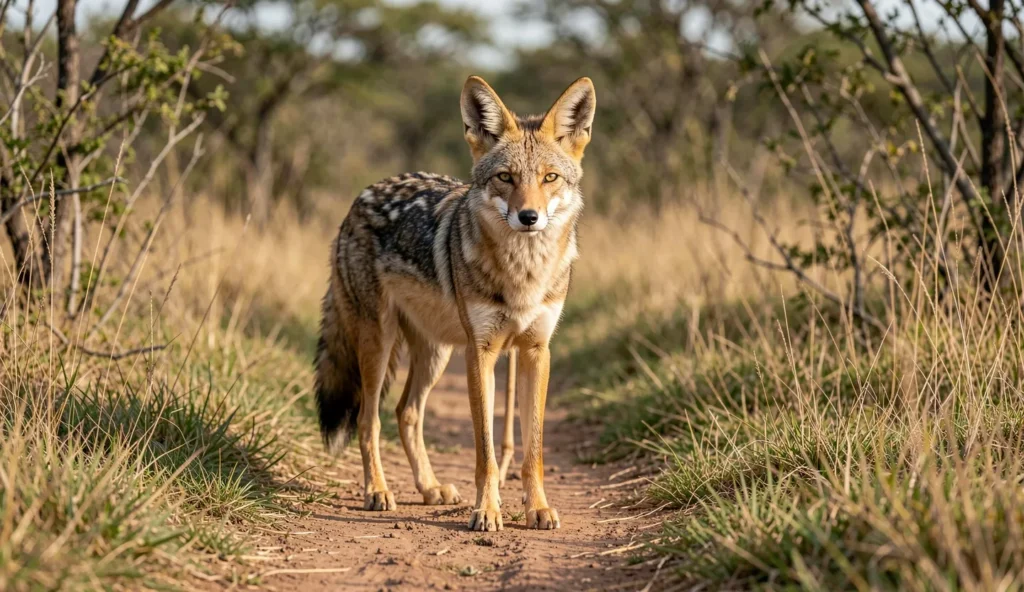
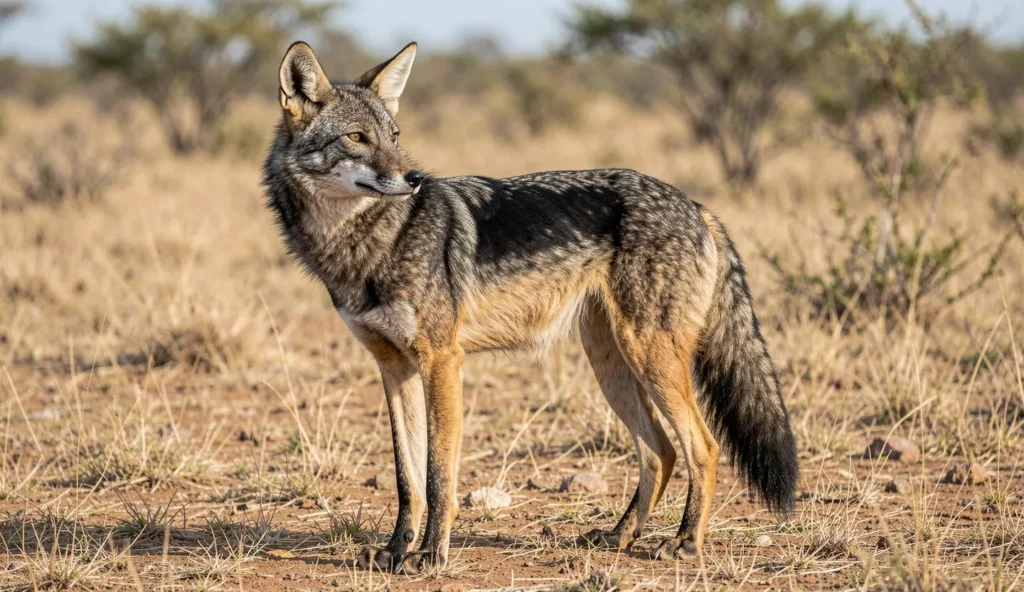
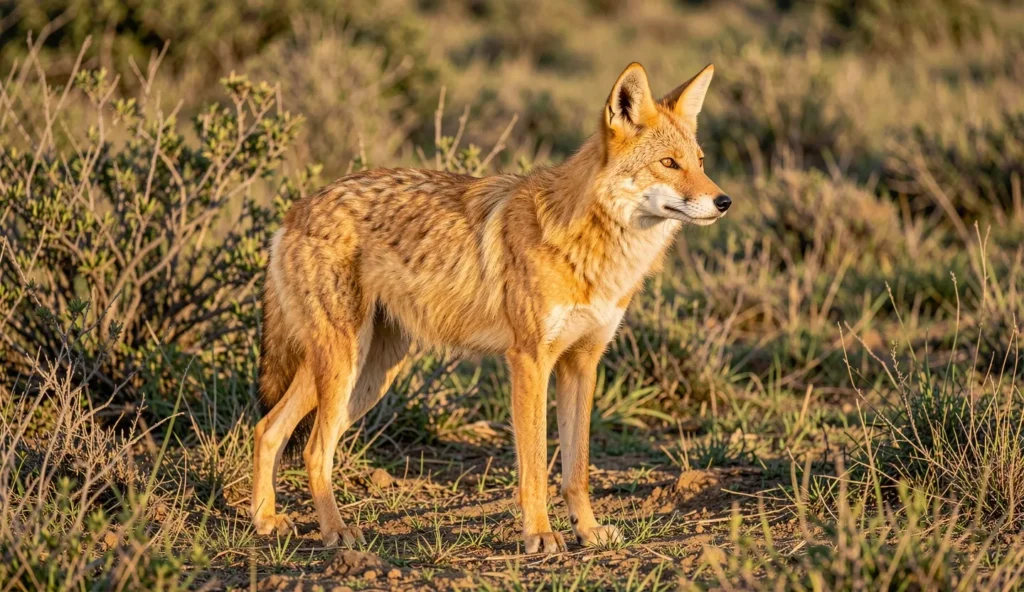
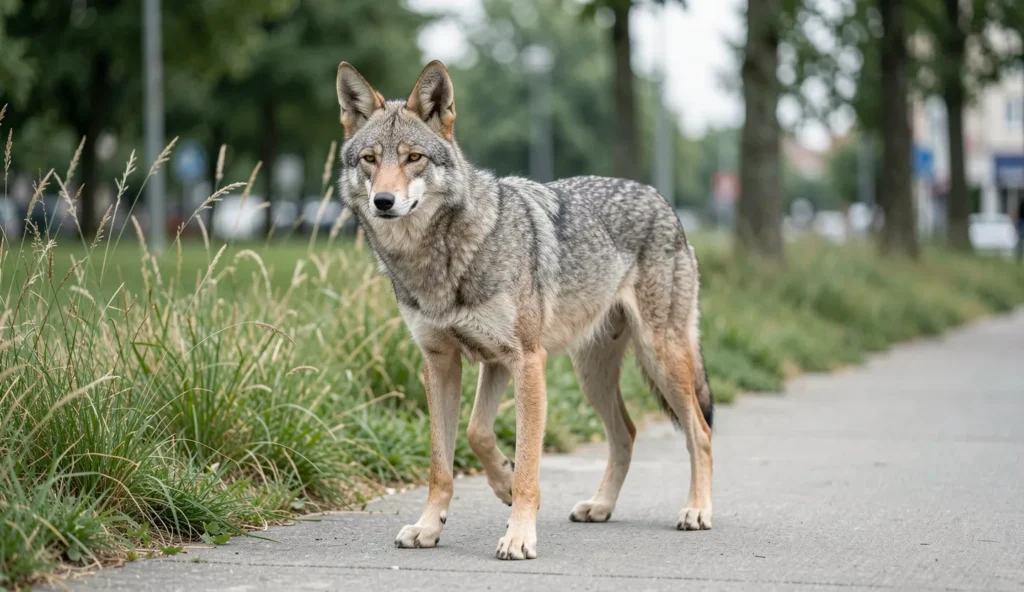
What Is A Mongolian Wolf?
The mongolian wolf is a gray wolf type associated with Mongolia’s wide steppe and grassland regions. Travelers often encounter the name in wildlife discussions that overlap with broader gray wolf categories. In many references, regional classification can connect this wolf with Canis lupus chanco or other gray wolf groupings.
Because naming varies across field guides and scientific sources, the safest approach uses behavior and habitat first. That matters most when trying to interpret what a person sees on the Mongolian steppe. When the landscape matches the steppe pattern, the identification becomes more reliable than relying on a single label.
Where The Mongolian Wolf Lives In The Wild
The mongolian wolf lives in Mongolia and in surrounding steppe and grassland zones. It typically uses open terrain such as grass steppe and semi arid areas with low human density. Home ranges can shift as prey moves, especially across seasonal changes.
Remote locations often provide the clearest opportunities for observation. At the same time, distance stays essential because the species depends on wide ranges for survival. Wildlife sightings may occur during travel routes, but wolves also remain active outside of peak viewing hours.
How It Relates To The Gray Wolf
The mongolian wolf fits within the larger gray wolf complex. Some references align Mongolian wolves with Canis lupus chanco, but the overlap depends on how each source groups regional wolf forms. Traits develop under harsh steppe conditions, which can shape coat, endurance, and hunting behavior.
For travelers, this relationship explains why a Mongolian steppe wolf can resemble other gray wolf types. Observed differences usually reflect local climate and prey patterns. For a broader context, see how Gray Wolf traits vary across regions in this guide to Gray Wolf.
Why Some Sources Link It To Himalayan Wolf
Some regional classifications overlap between mountain and steppe wolf forms. That overlap can appear when researchers compare appearance and behavior across wide geographic zones. Naming differences can also arise when different authorities use different criteria.
When this happens, it helps to treat the mongolian wolf as a steppe-associated gray wolf type rather than as a single fixed label. For travelers, the key clues remain terrain, movement style, and general wolf structure. If comparing naming debates matters, the Himalayan Wolf profile can provide useful background on how mountain-associated forms get described.
Appearance And Physical Features For Steppe Life
Steppe survival requires physical design that supports long travel and work in cold wind. The mongolian wolf usually shows the classic gray wolf body plan, with adaptations that match open grassland conditions. Even so, color and pattern can vary across regions, so identification should focus on overall shape as much as coat tone.
From a distance, wolves may look uniform, but closer observation typically shows how thick fur and body proportions support endurance. In strong cold seasons, coat volume can increase, which can make the animal appear larger. These features work together to reduce heat loss and maintain stamina while moving across exposed ground.
Coat Type And Seasonal Changes
The mongolian wolf often carries thick fur during cold steppe winters. Coat color can range from lighter tones to darker shades depending on local conditions. Seasonal shedding helps the wolf match fur thickness to weather demands.
In windy open terrain, dense underfur matters because it traps air near the skin. When snow and ice change how prey moves, fur quality also influences comfort during long hunts. Travelers should expect coat appearance to differ between seasons even for the same population.
Size, Build, And Typical Body Proportions
Wolf bodies focus on efficient long distance travel rather than short sprinting. Strong legs and stable joints support running over uneven ground and packed snow. A lean build supports endurance, helping the wolf move while conserving energy.
In practical viewing, posture often gives a better clue than exact measurements. A wolf may look streamlined with a controlled gait that stays steady over distance. That movement style usually fits the steppe setting where cover stays limited.
Skull, Teeth, And What They Indicate
The skull and teeth of a gray wolf support gripping and tearing meat from prey. Powerful jaw strength helps the wolf process carcasses efficiently. Teeth also support scavenging, which matters when hunting becomes harder during winter.
These traits explain why wolves can switch tactics. When fresh kills are scarce, carrion still provides energy. When hunting succeeds, teeth and jaw strength speed up feeding before other animals arrive.
How Color And Markings Can Vary
Natural variation makes single descriptions unreliable. The mongolian wolf can show differences in coat shade, highlights, and darker accents across individuals. Climate and prey availability can correlate with coat differences in a way that changes over time.
Therefore, it helps to evaluate the wolf as a whole. Body size, ear shape, fur thickness, and general movement patterns provide better context than coat color alone. For a comparison of how local traits develop under different conditions, the arctic wolf adaptations overview can show how environment changes coat and survival strategies.
Temperament And Pack Behavior On The Mongolian Steppe
On the Mongolian steppe, wolf behavior follows the needs of a pack and the demands of open habitat. The mongolian wolf typically operates as a social canid that communicates through sound, scent, and posture. Travelers may notice how quickly wolves shift direction when humans remain too close.
Even without direct contact, behavior signals presence. Wolves often stay alert because they must protect territory and coordinate hunting. Understanding communication basics can reduce risky assumptions during wildlife viewing.
Pack Structure And Roles
A wolf pack often includes related adults and offspring. Group coordination supports hunting and territory defense across large areas. Roles may include breeders, active hunters, and caretakers of young, depending on season and pack size.
When pups are present, the pack may keep more distance from areas that increase risk. In some cases, wolves also use repeated travel routes to reduce energy costs. Travelers should expect family groups to behave in patterned ways rather than randomly.
Hunting Strategy In Open Terrain
Steppe hunting typically relies on endurance and teamwork. Wolves target prey that can survive in grassland or semi arid settings, including smaller prey and larger ungulates. Movement patterns depend on wind direction, available cover, and how quickly prey can run.
Because cover remains limited, wolves may use careful approach angles or coordinated spacing. The pack often controls the hunt by sustaining pressure rather than only chasing at high speed. When prey breaks away, wolves adjust quickly and may repeat tactics along new lines.
Communication Signals You May Notice
Communication helps a pack coordinate across long distances. Howling can support contact and coordination, especially when wolves separate briefly while scouting. Body posture communicates alertness, calm readiness, or rising agitation.
Scent marking also supports territory awareness. Wolves can leave scent cues along travel corridors, which helps the pack track other canids. If multiple wolves appear in different positions, vocal and scent communication likely helps maintain group alignment.
Daily Activity Patterns And Seasonal Shifts
Wolf activity can change with prey availability and weather. In colder periods, wolves may travel more during times when conditions allow efficient hunting. Daylight can influence movement, especially during winter when temperatures change sharply.
During seasons with more prey, foraging and hunting can become more frequent. In harsh weather, wolves may reduce unnecessary travel and wait for better windows. Travelers can also notice that wolf presence may cluster near landscape features that hold prey.
Exercise And Survival Demands In Extreme Cold
Open steppe life demands constant readiness, and mongolian wolf survival depends on movement that fits the environment. Wolves do not compare well to domestic dogs because their needs center on energy balance and large territory use. When weather shifts, their travel and hunting timing can shift as well.
For travelers, this means wolf behavior can look like restless wandering at one moment and then sudden stillness the next. That pattern often reflects the energy cost of movement in wind and cold. It also reflects how a pack chooses when hunting is most efficient.
Why Wolves Cover Large Distances
Wolves cover large distances because food distribution changes across the steppe. Territories require scouting and repeated travel to track prey and competitors. Energy use stays efficient through endurance movement rather than constant high-speed chasing.
In practical terms, tracks may show repeated corridors that connect water sources, feeding areas, and hunting zones. Those corridors form because they work. Over time, the pack learns routes that reduce time spent searching.
How Weather Shapes Movement And Rest
Cold and wind reduce comfort and can influence hunting timing for the mongolian wolf. Wolves may rest during the most uncomfortable weather windows. When snow and ice increase, traction and prey behavior can change, which affects how hunting works.
Weather also influences scent movement and visibility. Wind can carry scent differently across open grassland, which changes the approach plan. Wolves adjust by altering spacing and timing, which can look like sudden direction changes during a sighting.
Signs Of Stress Or Active Territory Use
Increased vocalization can reflect pack coordination needs, especially when wolves move across territory. Track patterns that repeat along corridors can indicate active travel and scouting. Changes near carcasses can signal feeding cycles that follow prey availability.
Travelers should treat any repeated activity as a sign to keep distance. Increased movement around a known area can also mean a kill site is active. Approaching could disturb feeding, which increases conflict risk and changes wolf behavior unpredictably.
Diet And Feeding Basics For A Mongolian Wolf
The mongolian wolf diet covers a range of prey types because steppe conditions rarely guarantee consistent hunting success. Wolves balance hunting with scavenging to manage energy needs across seasons. In winter, carrion availability can rise when fresh kills become less frequent.
Diet choices depend on prey abundance, snow conditions, and pack size. A larger pack can coordinate hunts more effectively, while smaller groups may rely more on scavenging during difficult periods. Understanding these basics helps travelers interpret why wolves appear near certain areas.
Typical Prey Types On The Steppe
Diet includes small to medium prey and also larger ungulates when conditions allow. Prey choice depends on local abundance and on winter weather. Young animals can become a higher priority during some seasons, especially when they are more vulnerable.
Because the Mongolian steppe includes varied grassland habitats, prey distribution can shift over time. Wolves may follow that shift by moving between landscape zones. During travel, sightings might align with places that hold prey and water access.
Hunting Versus Scavenging
Hunting provides fresh energy but requires coordination and favorable conditions. Scavenging supports survival when kills are scarce. When food availability drops, the wolf’s ability to process carcasses quickly helps it capture energy before competitors arrive.
Even after a hunt, wolves must balance feeding time with safety. They also monitor the area for signs of other packs or scavengers. This balance affects how long a wolf stays in one location.
Feeding Frequency And How Packs Share Food
Pack feeding supports cooperative survival, particularly when pups require frequent energy intake. Competition can occur at kill sites depending on the number of pack members present. Feeding intensity can also change with age, sex, and seasonal demands.
During periods when pups are growing, the pack may need more frequent or efficient feeding. In contrast, during times when young are less dependent, feeding patterns can stabilize. Travelers who notice repeated short feeding trips should assume prey cycles drive the timing.
What This Means For Travelers Observing Wildlife
Distant wolves can still indicate a nearby feeding area, because packs need to coordinate while feeding. It helps to avoid approaching carcass sites or den areas. Distance reduces risk and protects the animal’s ability to feed and care for young.
If a wolf appears to pause, then move toward the same general region again, scavenging or active feeding may be underway. This is not a sign that the wolf is seeking people. It usually reflects pack movement and resource management.
Health Issues And Conservation Concerns Travelers Should Know
Wild wolves face pressures that include parasites, injuries, and seasonal food scarcity. The mongolian wolf can also experience cold stress that increases energy demands. While wolves are wild animals, understanding the health context improves responsible wildlife viewing.
In Mongolia, conservation outcomes depend on how well habitat and prey remain stable. Human activity, including disturbance near dens and changes in grazing patterns, can indirectly affect wolf survival. For travelers, safe behavior matters because it limits stress on animals during critical times.
Common Health Risks In Wild Wolves
Parasites can affect overall condition and energy use in wild wolves. Injuries can occur from prey encounters and rough terrain, especially in winter conditions. Food shortages can weaken immunity and increase vulnerability, which can affect survival during difficult years.
Because wolves live far from medical care, small health changes can have large impacts. Scavenging during harsh periods may help, but it can also expose wolves to competition. That combination can influence how long a wolf remains active in one area.
Cold Stress And Winter Survival Challenges
Extreme cold increases energy needs because the body must maintain core warmth while still moving. Dehydration can still occur during winter weather swings, even when snow seems abundant. Poor prey years reduce reproductive success, which can affect the long-term stability of packs.
Travelers may notice wolves moving more strategically during cold snaps. That behavior often reflects energy management rather than changes in temperament. If weather becomes severe, wolves can also reduce unnecessary travel and wait for more favorable windows.
Denning And Pup Survival Threats
Den sites require stability and cover, since pups depend on protection and steady feeding. Pup survival depends on prey supply and the pack’s ability to defend the area. Disturbance near dens can increase risk during critical periods.
Because dens can be hidden, it helps to treat any repeated wolf location as sensitive. Avoid driving off routes or approaching wildlife tracks. This approach supports ethical viewing and reduces stress on the pack.
Practical Traveler Safety And Ethical Viewing
Safety depends on keeping distance and not blocking travel routes. Feeding wolves creates dangerous habits and can increase conflict risk. Leaving food outdoors can also attract wolves and other wildlife into camps.
Binoculars and long lens viewing can provide better observation without interference. Follow local wildlife guidance and park rules because they reflect area-specific risk and conservation needs. If travelers want a wider wolf context, comparing different regional forms like eurasian wolf behavior can help explain why wolf responses vary by environment.
Is The Mongolian Wolf A Good Fit For Your Travel Interests?
Many Mongolia travelers enjoy wolf observation because it connects wildlife to the open steppe ecosystem. The mongolian wolf can become visible during travel through remote areas, yet it remains an unpredictable wild animal. Planning should focus on responsible observation rather than attempting close encounters.
Choosing the right approach matters because wolf behavior can change when humans move closer or when the pack is protecting young. Responsible viewing typically increases the chance of a calm, distant sighting. It also reduces disturbance to wildlife.
Best Situations For Responsible Wolf Observation
Best viewing comes from guided wildlife tours with local experts who understand local routes and seasonal patterns. Observers should prioritize legal viewing areas and established routes. Observation from safe distances at appropriate times also improves wildlife welfare.
When a guide explains how the Mongolian steppe landscape influences prey movement, wolf sightings often make more sense. That context can also reduce the urge to approach. For similar regional background, travelers can compare how other populations persist in tough conditions, such as the mackenzie valley wolf overview.
What To Expect If A Sighting Happens
Wolves may move away if humans approach too closely. Vocalizations can reflect pack coordination rather than direct threat. Track presence also does not guarantee an immediate visual sighting because wolves travel widely.
If wolves appear alert, they may be evaluating distance and risk. Staying calm and stationary often supports a safer outcome. A sighting that ends quickly usually signals that the pack chose to avoid disturbance.
Who Should Skip Wolf Focus In Their Plans
People who want close encounters should reconsider plans. Travelers who cannot reliably keep distance should avoid target areas. Families with limited safety control may also prefer alternative wildlife experiences that reduce management demands.
This does not mean wolves cannot be part of travel. It means the viewing goal stays observation, not interaction. That choice protects wildlife and keeps travel experiences safer.
Final Note For Mongolia Travelers
Understanding the mongolian wolf helps travelers read steppe life with more accuracy. Respectful distance and ethical viewing align best with how gray wolves survive in open terrain.
Frequently Asked Questions
Where Do Mongolian Wolf Populations Live?
They live in Mongolia’s steppe and grassland regions and nearby landscapes.
Is The Mongolian Wolf The Same As Canis Lupus Chanco?
Some references align Mongolian wolves with Canis lupus chanco within gray wolf groupings.
What Does A Mongolian Wolf Typically Hunt?
It targets prey available in open steppe habitats, including smaller prey and ungulates.
Do Mongolian Wolves Eat Carrion?
They can scavenge when fresh kills are scarce, especially during winter.
How Far Should People Keep From Wolves In The Wild?
Maintain a safe distance and avoid approaching, feeding, or blocking wolf movement.
Why Do Some People Say Mongolian Wolf Is Part Of Himalayan Wolf?
Regional naming can overlap across wolf forms reported near mountain and steppe zones.
Final Note For Mongolia Travelers
Responsible observation supports safer wildlife encounters and better protection for steppe packs.