What Is The Altai Wolf
The altai wolf is a Russian regional wolf subspecies linked to the Altai Mountains, and it is commonly referenced as Canis lupus altaicus. Like other wolves of the gray wolf group, it lives in family packs and relies on scent and coordinated hunting. Many wildlife fans look for altai wolf facts because this mountain form shows how habitat shapes behavior and survival.
Taxonomy language can vary across sources, so subspecies terms should be treated as a broad classification rather than an exact identity for every individual. Even so, the altai wolf remains useful as a label for a population connected to the Altai Mountains region.
Scientific Name And Subspecies Status
The altai wolf is commonly described as Canis lupus altaicus in wildlife references. It is often labeled as a Russian wolf subspecies, but exact taxonomic ranks can shift as researchers update classifications. That is why the term “subspecies” should stay focused on regional traits rather than a guaranteed genetic boundary.
Subspecies also differ from individual wolves in the sense that subspecies describes an overall population pattern. Individual wolves can show noticeable variation in size, coat tone, and behavior based on local food access and weather.
Where The Altai Wolf Lives
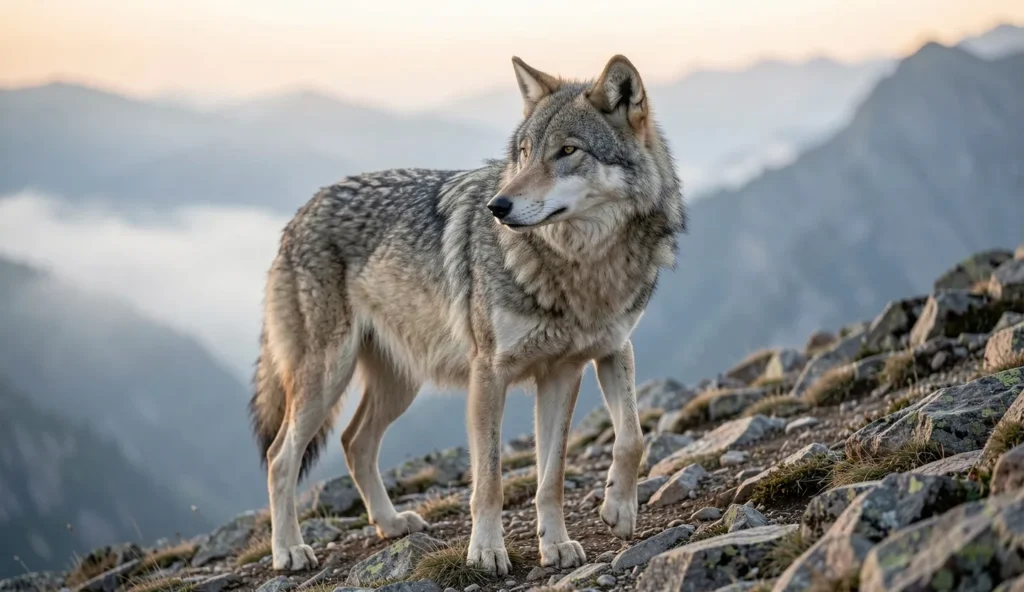
The altai wolf range centers on the Altai Mountains region, including valleys and surrounding mountainous slopes. Mountain terrain affects hunting routes and also shapes how and where wolves den. As altitude and seasons shift, food availability can change, which then alters travel timing and pack movement.
Different valleys can support slightly different local packs, especially where prey density differs. Over time, that creates subtle differences in how packs use terrain and which travel corridors become routine.
How It Compares With Nearby Wolf Types
Descriptions of the altai wolf often appear alongside Siberian wolf comparisons because the broader region shares cold-climate patterns. At the same time, the label “mountain wolf” gets used in a habitat sense, not as a single scientific form. This matters because mountain conditions can produce similar body and coat traits across nearby populations.
Because close forms can overlap in appearance, field identification should avoid claiming a specific subspecies from looks alone. For broader regional context, many readers also compare related canid groups using resources such as eurasian wolf behavior.
Appearance And Physical Features Of The Altai Wolf
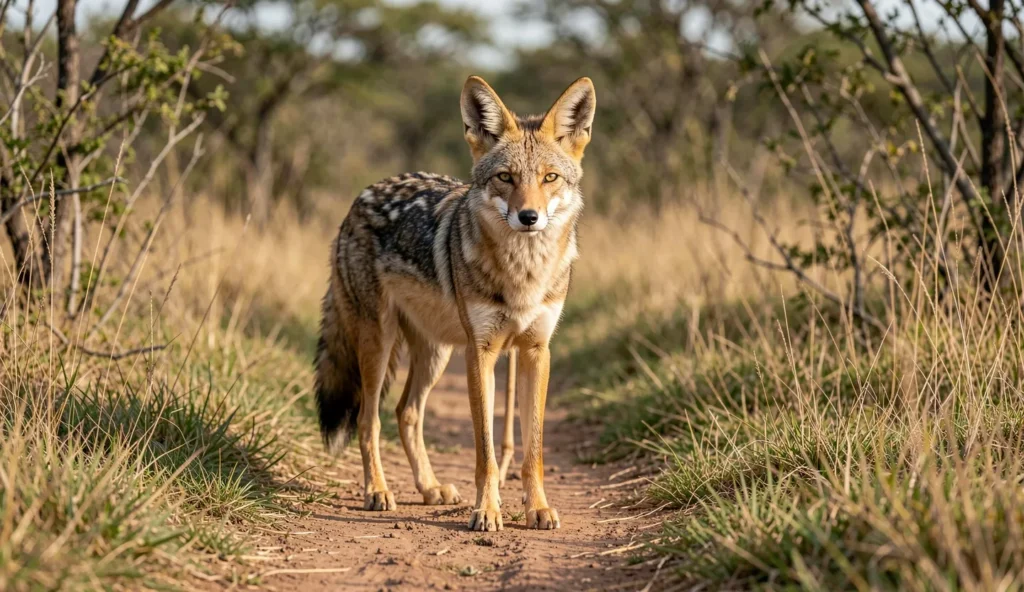
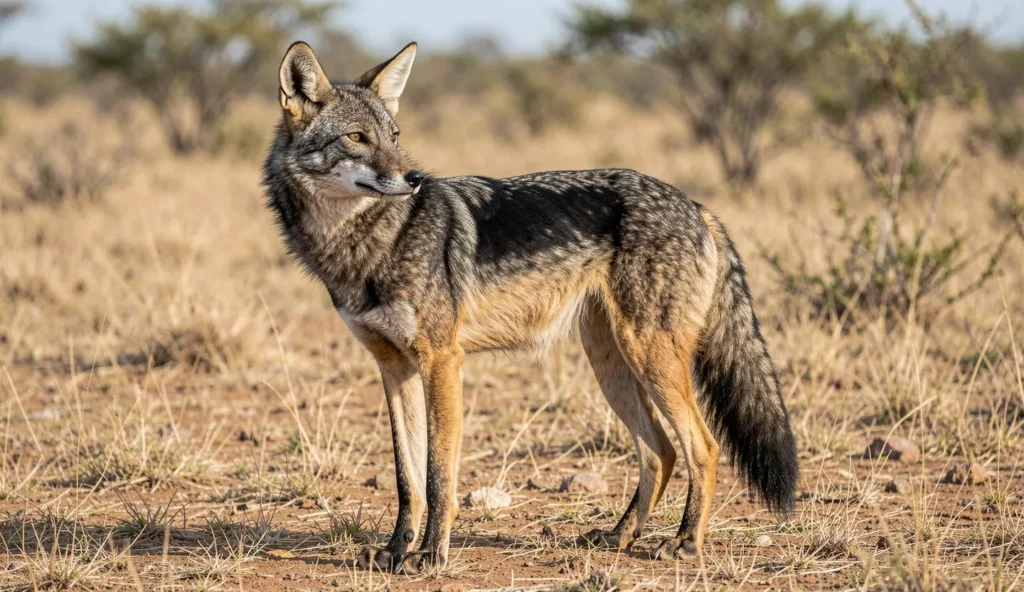
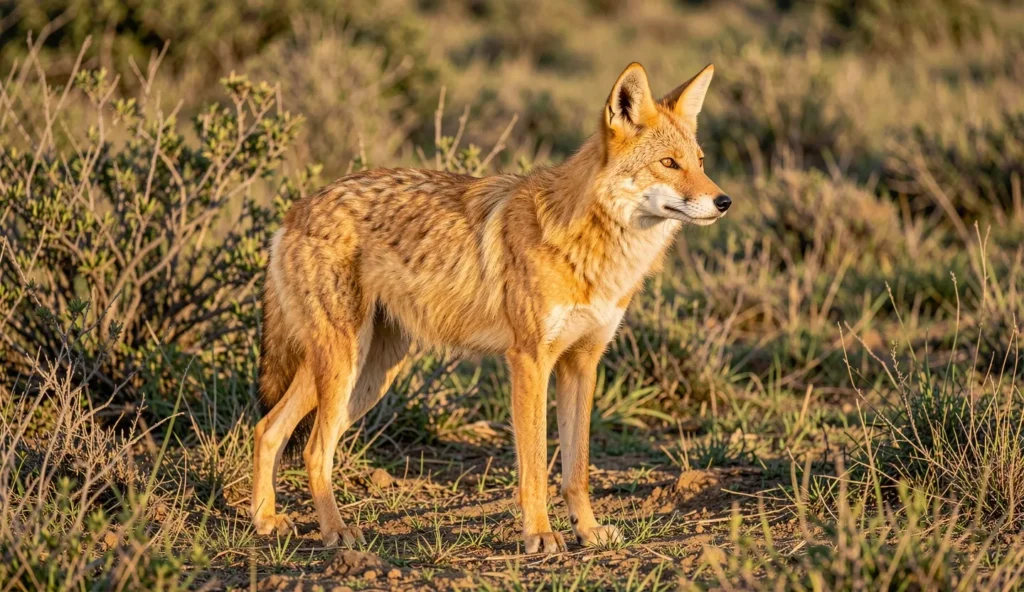
Observable features help explain why the altai wolf fits rugged mountain conditions. Coat thickness, body build, and tail insulation all support cold weather and long movement over broken terrain. Even so, individual variation means not every wolf will look identical within the same area.
When comparing altai wolf traits with other northern types, it helps to remember that climate drives many similarities. Then, season length and local prey size can further shift coat texture and body condition.
Coat Color And Seasonal Change
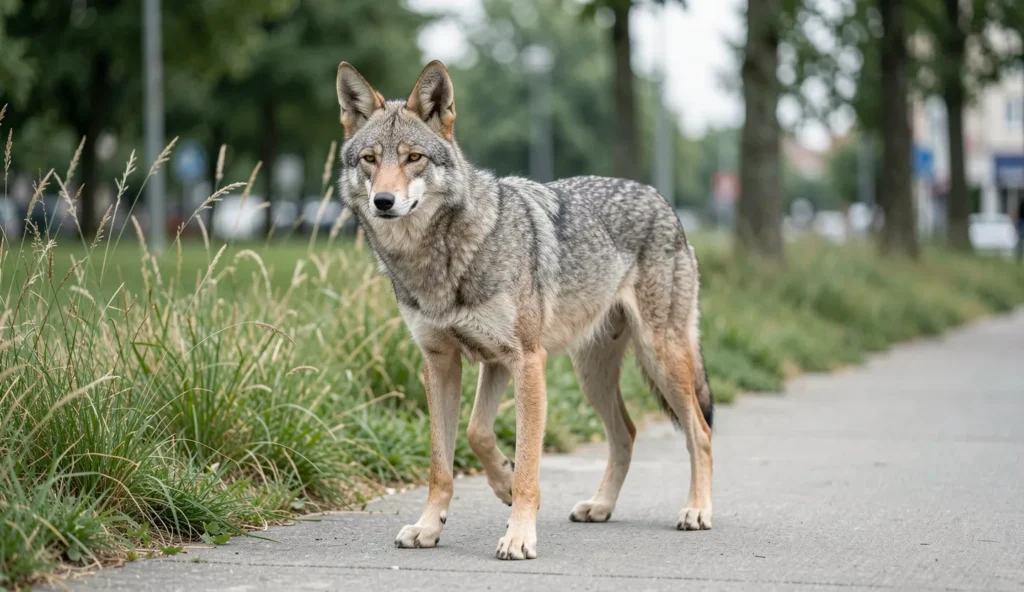
Typical coats for the altai wolf can range from gray tones to darker shades, depending on individual genetics and local conditions. Fur thickness usually increases during colder months, which improves warmth during freezing nights. Seasonal shedding also changes coat texture and how well the wolf blends into rocky and snowy backgrounds.
Within a pack, coat patterns may still vary, especially when wolves come from different juvenile lines. For some watchers, this makes the group appear less uniform than expected.
Body Size And Build
Mountain wolves tend to support long-distance travel, and the altai wolf fits that pattern. Strong forequarters and sturdy legs help with sustained movement across steep slopes. Body proportions can still differ by region and prey type, because larger prey can influence body condition over time.
Sex-based differences exist in many wolf populations, but the overlap between males and females means size alone cannot confirm sex. Instead, overall build and body condition provide better context for how the wolf uses its habitat.
Head Shape, Ears, And Tail Traits
Ears in the altai wolf support balance while also helping with temperature regulation during cold weather. A fuller tail with thick fur can provide added comfort when a wolf rests in harsh conditions. Face and head features can also contribute to how the wolf blends into rocky areas, especially where lighting shifts across ridges.
Because measurements vary, field guides generally describe ranges rather than single numbers for any subspecies label. That range-based approach reflects how nature rarely follows exact outlines.
Scent, Tracks, And Field Recognition Basics
Wolves rely strongly on scent communication, and the altai wolf uses that same system to coordinate within packs. Track patterns can show broad pads and claw marks, but surface conditions can change what tracks look like. Snow, mud, and loose grit can all alter track edges and depth, which can mislead quick identifications.
Instead of confirming subspecies from tracks alone, watchers should focus on basic wolf indicators like track size category, movement direction, and evidence grouping. For deeper regional behavior patterns, readers can also review arctic wolf adaptations to understand how climate changes tracking and movement style.
Temperament And Pack Life Of The Altai Wolf
The altai wolf shows typical gray wolf social behavior with family-based pack life. Packs support coordinated hunting and shared protection of breeding members and pups. Most wild wolves avoid humans when possible, yet risk increases when wolves become used to human food sources.
In mountain habitats, pack roles and travel schedules shift as prey availability changes across valleys. That makes day-to-day behavior feel less predictable than a casual observer might expect.
Pack Structure And Roles
Wolves commonly live in family packs where breeding pairs form the core group. Offspring and sometimes older siblings assist with care and hunting support as they mature. When prey is plentiful, packs may spend more time near feeding areas, and when prey becomes scarce, movement patterns can broaden.
Packed behavior also shifts with seasonal demands, so roles can change as conditions change. This flexibility helps the altai wolf maintain stability across harsh winters and variable seasons.
Communication And Territory Use
Howling and scent marking support communication between pack members and also between neighboring packs. Territory use helps reduce repeated conflict by setting spatial boundaries for activity. In mountain areas, geography shapes travel corridors, which then influences where scent marks become most useful.
Communication timing can also change across the year, since the need to coordinate hunting and manage social tension varies. Over time, repeated signals along known routes can become part of the pack’s routine.
Hunting Strategy In Mountain Habitat
In the altai wolf habitat, hunting often depends on endurance and coordinated pursuit. Terrain can help steer prey movement by funneling animals through passes or limiting escape routes. Pack hunting improves success on larger prey, but it still requires accurate timing and team coordination.
When prey is sparse, wolves may travel farther and hunt more broadly. That broader search pattern can increase contact with unexpected areas, including zones closer to human activity.
Risk, Fear, And Human Encounters
Wild wolves generally avoid people when natural food sources remain stable. However, habituation can increase risk on the edges of settlements when wolves repeatedly encounter humans without negative outcomes. If prey declines, wolves may spend more time searching for accessible food and this can change their behavior near roads or villages.
Safe viewing depends on distance and local guidance, because even cautious wolves can behave differently when they have pups nearby. For related regional history and how wolves adapt across different plains, readers may find great plains wolf characteristics helpful as a comparison point.
Diet And Feeding Habits Of The Altai Wolf
The altai wolf diet mainly follows what the landscape provides across seasons in the Altai Mountains. Ungulates often play the primary role, while smaller mammals can support the pack during lean periods. Seasonal change alters prey access, and that then influences hunt frequency and where packs spend time.
Diet also affects body condition, and body condition influences how much energy the pack can afford to spend on long chases. For wildlife fans, the diet details explain many behavior patterns observed in winter and spring.
Typical Prey Types In The Altai Mountains
In many mountain areas, the altai wolf relies mainly on available ungulates. During times when larger prey becomes less accessible, smaller mammals may become more important. Snow conditions and valley differences can shift which prey types become easiest to capture.
Because prey abundance drives movement, pack travel often follows the distribution of suitable hunting targets. When prey spreads into higher slopes or thick cover, wolves may adapt their route choices to match those shifts.
How Seasons Change What Wolves Target
Winter snow can block access to some prey areas, which encourages wolves to target areas where animals still move predictably. Spring and summer can open up more opportunities for smaller prey and also make hunting patterns change. Autumn often brings increased hunting before deep winter reduces access to certain feeding grounds.
When young prey becomes available, wolves may target those animals if it increases overall hunting success. That seasonal pattern can help explain why pack activity can surge in certain months.
How Wolves Consume And Share Food
Food sharing supports pack stability, especially after a successful kill. First access to carcasses can involve dominance dynamics, since competition can arise quickly at fresh kills. Carcass guarding may occur when multiple wolves are present and when other scavengers can approach.
When prey is scarce, caches or leftover feeding can also matter for survival. This behavior helps the altai wolf stretch limited food availability across longer cold periods.
Water Hydration And Foraging Patterns
Hydration depends on snow melt, streams, and other seasonal water sources in the Altai Mountains. Wolves often travel to reliable water points, which then creates predictable routes for activity. Between hunts, foraging may also include scavenging opportunities where carcasses from other animals already exist.
Weather and temperature influence rest timing, so wolves may shift movement hours to reduce energy loss. The result is a daily rhythm shaped by both prey activity and local weather patterns.
Where The Altai Wolf Lives And How It Uses Habitat
The altai wolf uses the Altai Mountains by combining cover, travel routes, and denning sites. Rugged terrain offers opportunities for controlled movement, while valleys and ridgelines help define where wolves can move efficiently. Habitat use also changes as seasons shift and as prey distribution changes.
This habitat dependence means that protecting travel corridors and prey base becomes central to long-term conservation. It also explains why the same subspecies label can still show different local patterns across valleys.
Key Habitat Features In The Altai Mountains
Rugged ground supports cover and can limit where prey feels safe, which helps wolves plan pursuit paths. Valleys and ridgelines often provide predictable travel routes that reduce wasted movement. Open areas can support pursuit and visibility, while denser cover can provide refuge and safe resting spots.
These features also influence how far wolves must travel to reach hunting opportunities. In practical terms, the landscape turns into a map of risks and rewards for every pack movement.
Denning And Raising Pups
Dens are often placed in protected, hard-to-reach areas where pups can stay safer during early life. Parents may reduce movement near the den during the early stages to limit risk and avoid drawing attention. Pups rely on adults for food and protection until they can join hunting activity with more independence.
Den site choice can improve survival during harsh weather by keeping pups sheltered from wind and exposure. That is why the best denning habitat can become a major focal point for a pack during breeding season.
Seasonal Range And Daily Movement
Daily movement tends to increase when prey becomes dispersed across wider areas. Deep snow can restrict access to certain zones, which then changes which valleys become usable. Wolves may use slopes and summits differently depending on temperature and wind conditions, especially during cold snaps.
Hunting success also influences where packs spend time, because repeated kills often lead to short-term stays near feeding sites. Over time, those local stays shape which routes become well established.
Interactions With Other Wildlife
The altai wolf affects local predator and prey dynamics through predation pressure. Competitive pressure can exist with other large carnivores, especially where territories overlap. Scavenging can also connect wolves to carcasses left by other predators or large herbivores.
Human land use can shift wildlife distributions, which then indirectly changes wolf routes. As an example of how region and conditions shape wolves, readers may also compare with mackenzie valley wolf movement patterns for northern habitat parallels.
Health, Threats, And Conservation For The Altai Wolf
The altai wolf faces pressures that come from both ecology and human activities. Health challenges like parasites and injury can occur naturally, while habitat pressure and prey decline can amplify survival difficulties. Conservation efforts focus on stabilizing habitat and reducing conflict so packs can persist in the Altai Mountains.
Because mountain populations can be sensitive to local changes, monitoring and region-specific management often matter more than broad assumptions.
Common Health Challenges In Wild Wolves
Wild wolves commonly deal with infections and parasites, which can affect body condition over time. Injury can happen during hunts involving larger prey or because of hazards in rugged terrain. Nutrition and prey quality also influence how well a wolf maintains weight and muscle for winter movement.
Harsh weather can increase energy costs, and higher energy demands can reduce the margin for survival during food shortages. In practice, these health factors often interact with the availability of hunting opportunities.
Main Threats In Mountain Regions
Main threats to the altai wolf can include habitat pressure from expanding human activity in mountain and valley zones. Conflict risk rises when wolves take livestock, especially where farms overlap with established wolf routes. Prey decline reduces food security and may push wolves toward riskier foraging near people.
Legal and illegal killing can also vary by region and policy, which affects population stability. Because these pressures stack together, even small changes in food access can increase long-term risk for a pack.
Conservation Efforts And Protection Measures
Protected areas can help support stable habitats and maintain prey base, which then reduces some pressure on wolf packs. Monitoring programs track pack presence and help researchers understand trends over time. Livestock protection methods can reduce conflict by changing how animals are guarded and how wolves encounter farmed prey.
Education and regulated management also improve coexistence when policies align with local realities. For readers who want a wider view of how wolf forms vary across regions, italian wolf traits can offer a useful contrast in how geography changes behavior.
How People Can Support Responsible Protection
People can support altai wolf protection by following local wildlife laws and any viewing distance rules in the area. Disturbing dens or repeatedly approaching pack travel routes can disrupt breeding success and increase risk exposure. When conservation organizations operate in the region, support can help sustain monitoring and conflict reduction efforts.
Unlawful harm should be reported to the appropriate authorities so enforcement can remain consistent. Responsible observation also means avoiding baiting, because baiting can change natural behavior and increase conflict.
Is The Altai Wolf A Good Fit For Wildlife Interest
The altai wolf suits wildlife interest for people who want to understand how Russian mountain ecosystems shape a canid population. Wolves remain wild animals, and responsible engagement focuses on learning without pushing animals into human spaces. The best approach stays observational, using reputable research and carefully managed viewing opportunities.
Anyone curious about the altai wolf can also compare broader canid adaptation patterns by reading about related forms such as Eastern Wolf to see how climate and habitat differ across North American regions.
Best Ways To Learn Without Disrupting Wildlife
Use reputable research and conservation updates, and prefer wildlife documentaries and monitored field reports. Avoid baiting or approaching wolves for photos, since that increases habituation and risk for pups.
- Choose guided wildlife viewing where permitted
- Keep distance and follow local viewing guidance
- Avoid den areas and known pack travel routes
- Use government or university sources when possible
- Support monitoring efforts that track pack trends
Final Note On Learning About The Altai Wolf
The altai wolf represents a mountain-adapted Russian wolf subspecies shaped by the Altai Mountains. Learning about its habitat needs, diet patterns, and conservation pressures helps wildlife fans interpret what they see responsibly.
Frequently Asked Questions
Where Do Altai Wolves Live In Russia?
They mainly live in and around the Altai Mountains region.
What Do Altai Wolves Typically Eat?
Their diet mainly includes wild ungulates, with smaller mammals when needed.
How Do Altai Wolves Communicate?
They use scent marking and howling to communicate with pack members and neighbors.
Do Altai Wolves Raise Their Pups In Dens?
Yes, pups are commonly born and raised in protected den sites.
What Threats Affect Altai Wolves?
Key threats include habitat pressure, prey decline, and conflict with humans.