What Is The Hudson Bay Wolf
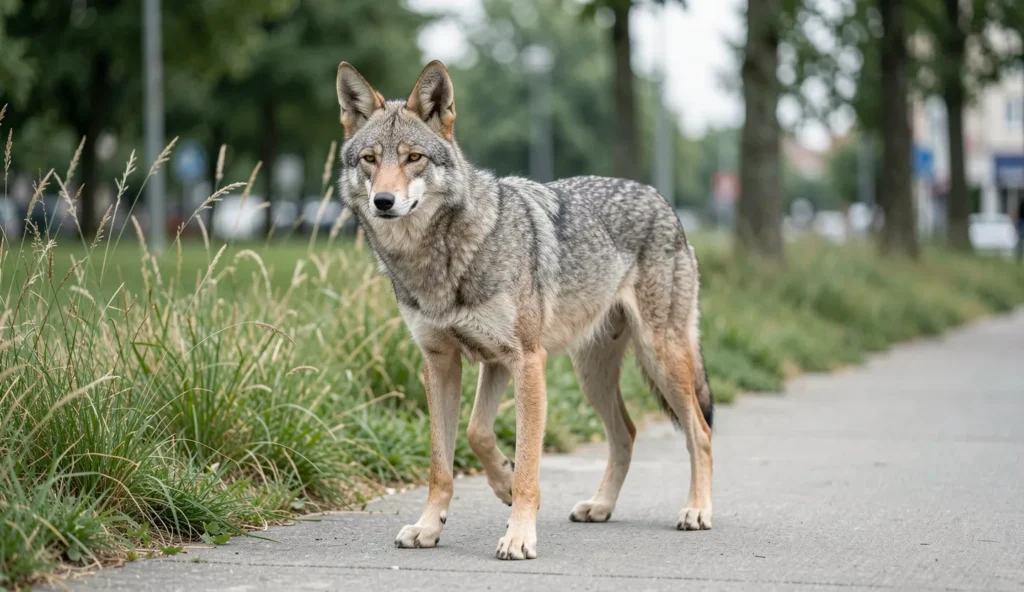
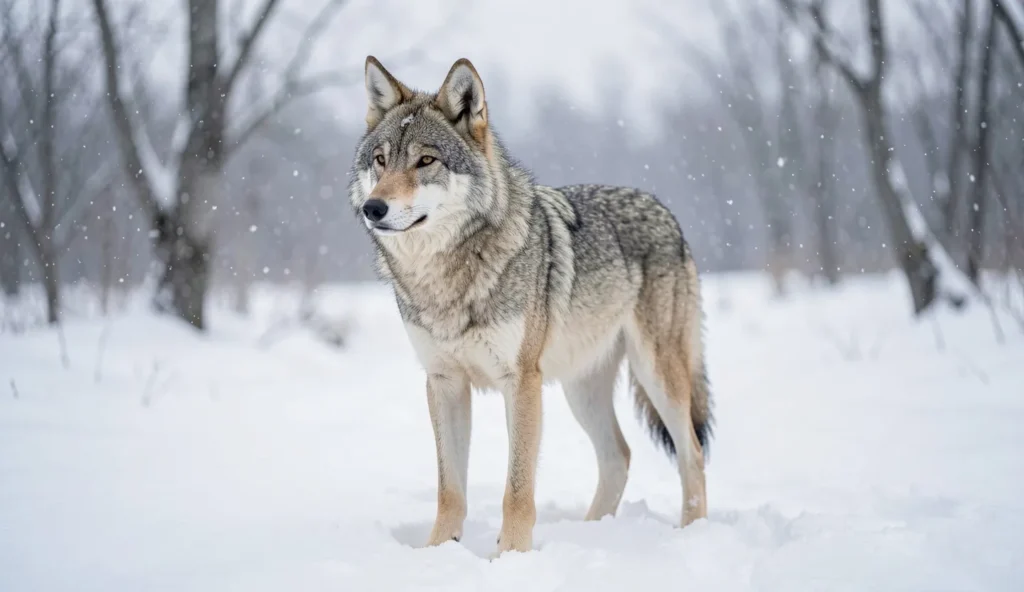
The hudson bay wolf is a very rare arctic wolf subspecies linked to cold regions near Hudson Bay. It belongs to Canis lupus hudsonicus and is often described as a “white wolf” due to pale coat tones in winter. This wolf stands out because sightings remain limited, even for experienced field observers.
Understanding this subspecies matters for responsible exploration and safe wildlife viewing. It also helps prevent common mix-ups with other regional wolves.
Taxonomy And Subspecies Name
The Hudson Bay wolf is considered a named subspecies within the gray wolf group. The scientific name is Canis lupus hudsonicus. Subspecies refers to populations that share traits adapted to a specific region. In practice, the Hudson Bay region wolf forms part of broader gray wolf classifications under Canis lupus.
Because taxonomy can shift over time, written names and maps may vary by source. However, the underlying goal stays the same. Identification should rely on documented traits and location context, not just appearance.
Native Range And Why It Is Considered Rare
The natural range connects strongly to the Hudson Bay region. Many descriptions also place it in or near northern Manitoba. That limited distribution can reduce confirmed sightings compared with more widespread gray wolf populations.
Rarity does not mean captivity availability. It also does not justify approaching the animal for photographs or tracking. Instead, the safer focus stays on distant observation and accurate reporting.
For explorers comparing Canadian wolf types, it can help to understand how other Arctic-adapted canids differ. For example, background context on arctic wolf adaptations can clarify how cold climates shape behavior across subspecies.
Typical Environment And Seasonal Conditions
The Hudson Bay wolf lives in arctic and subarctic climates that bring long winters. Snow, ice, and strong winds shape travel patterns and daily movement. Food availability also changes with seasons, especially when prey herds migrate or thin out.
In these conditions, the wolf’s routine depends on energy use. When weather worsens, wolves may travel more carefully or wait for better movement conditions. Observers often notice the strongest activity around stable periods rather than during storms.
Appearance And Physical Traits Of The White Wolf
The Hudson Bay wolf is frequently described as a pale or white wolf, especially during winter. Still, coat color alone cannot confirm identity. The most reliable approach uses coat tone alongside location and overall build.
For Arctic explorers, appearance knowledge helps prevent misidentification that can lead to unsafe attempts to get closer. It also supports better data collection when documenting field observations.
Coat Color Patterns And What To Expect
In many descriptions, the white wolf coat appears pale, cream, or near-white when snow cover and lighting conditions are strong. Seasonal shedding can shift the shade during warmer months. Individual variation also exists, even within a single subspecies.
Because many Arctic environments produce similar coat effects, coat color should be treated as one clue. It works best when paired with body proportions and verified location context. Cold insulation remains the main function behind pale and thick winter coats.
Size, Build, And Typical Body Features
Like other gray wolves, the Hudson Bay wolf has a robust build suited for cold travel. The body form supports endurance over deep snow and rough ground. Limb structure and paw size help reduce sinking and support traction on ice.
Body condition can change with prey availability. During times of limited food, weight may drop and movement may become more cautious. When prey becomes available, wolves can regain condition more quickly.
Pelt Texture And Cold Weather Adaptations
A double coat supports warmth in extreme temperatures. The outer guard hairs help shed water and snow, while the undercoat traps insulating air. This coat structure supports freezing conditions and reduces heat loss while the wolf travels or rests.
Grooming behavior also helps maintain coat function. Even without visible “pet” care, wild wolves maintain hygiene through natural rubbing and shedding cycles. Observers should avoid assumptions about health based only on coat appearance, since weather and recent snowfalls alter how fur looks.
To compare how regional builds track climate, it can help to review related profiles of other wolves. The differences are easier to see when comparing descriptions like Gray Wolf body traits across latitude and habitat.
Temperament And Behavior In The Arctic Wild
In the wild, the Hudson Bay wolf typically behaves like other wolves that rely on pack coordination. Encounters rarely involve direct contact, since wolves generally avoid humans when possible. Behavior changes near human activity, so distance viewing remains the safest option.
For Arctic explorers, behavior knowledge supports safe planning and calm observation. It also reduces accidental disruptions that can increase risk for both wolves and people.
Pack Structure And Social Roles
Wolves live in packs that coordinate movement and hunting. Roles can shift based on age, season, and resource availability. Pack size may vary, since food supply can limit the number of individuals that can be supported.
Social bonds also matter in harsh environments. When weather makes hunting harder, packs reduce risk by relying on shared knowledge and coordinated behavior. Communication within the group helps maintain unity across snow-covered terrain.
Hunting, Scavenging, And Feeding Patterns
The diet depends on local prey availability, which can shift within the Hudson Bay region. Wolves hunt using endurance and coordinated pursuit, then adjust tactics when conditions change. When hunting becomes difficult, scavenging can occur after successful predator kills or when carcasses remain accessible.
Feeding timing often reflects daylight and weather patterns. During extreme cold or storms, wolves may delay movement and feed when visibility improves. In times of limited kills, wolves may travel more widely afterward to search for energy sources.
Because prey patterns vary across regions, comparing to other subspecies ranges can improve field expectations. For example, background context from mexican wolf recovery highlights how hunting and survival depend heavily on local conditions and prey access, even when wolf behavior stays generally “wolf-like.”
Communication Without Human-Driven Interactions
Wolves communicate using vocalizations, body posture, and scent marking. Many signals aim to coordinate with pack members rather than “react” to humans. During encounters, wolves may show tension through posture changes or reduced movement toward the area.
Observers should keep descriptions factual and avoid anthropomorphic guesses about emotion. Accurate notes often include distance, wind direction, and what the wolf was doing before any human presence. If the wolf approaches or lingers, that usually increases with curiosity, not friendliness.
How They React To People During Exploration
Most wild encounters involve avoidance-focused reactions when the wolf has a safe option to move away. Distance plays a major role, and wind direction can determine whether the wolf detects people quickly. If feeding or scavenging occurs near a site, wolves may become less mobile and more cautious about leaving.
Feeding or approaching increases risk and should never be attempted. Instead, staying on travel routes, maintaining separation, and respecting animal space help keep situations stable. A safe practice involves using binoculars or a zoom lens rather than closing the gap.
To strengthen identification context for rare arctic wolf range questions, it can help to understand how other wolf types differ by region. For instance, reviewing Eastern Wolf profiles can highlight how habitat and social behavior may shift across temperate versus Arctic settings.
Exercise, Territory, And Habitat Needs
Wolves do not require “exercise” in the pet sense, but movement needs remain central to survival. The hudson bay wolf depends on territory use and roaming to locate prey across snow and ice. For explorers, this translates into understanding how far packs may travel and why they may appear unpredictably.
Habitat needs also explain why the subspecies has a limited distribution. Conditions around the Hudson Bay region support specific prey cycles and travel opportunities.
Territory Size And Patrol Behavior
Wolf territories can overlap, especially when prey distribution shifts or when pack boundaries change seasonally. Packs patrol key areas to find food and to communicate presence. Patrol routes can become more noticeable during times when prey trails remain accessible.
Cold weather also changes travel energy use. Deep snow, glare ice, and wind exposure can all affect where the wolf can move efficiently. As a result, “home range” behavior may appear more clustered during harsh periods.
Seasonal Movement And Travel Distance
Movement can increase when prey migrates or becomes concentrated in specific corridors. Snow depth and ice condition influence what routes feel “safe” for wolves to travel. Weather can push wolves toward areas with cover, where scent detection and movement stay easier.
Daylight hours can also matter, since visibility influences hunting opportunities. When light conditions improve, wolves may expand patrols or resume higher activity. During extreme storms or near-total darkness, they may remain closer to known resources.
Diet And Nutrition For The Hudson Bay Wolf
Natural feeding plays a direct role in the wolf’s health and coat condition. For the Hudson Bay wolf, diet varies with regional prey species across northern Manitoba. Instead of fixed meal plans, the key pattern stays consistent. Wolves eat what is locally available and adjust effort based on energy needs.
Exploration notes should focus on prey presence and feeding signs rather than assumptions. Carcass distance, tracks, and timing can help clarify how wolves gained energy that day.
Natural Diet Components In Northern Manitoba
The diet centers on regional prey species, but the exact list can differ by location and year. Many accounts include ungulates and smaller mammals, depending on what thrives in a given season. When prey density increases, wolves can hunt with higher success and feed more consistently.
Availability dictates hunting outcomes, which then affects how long wolves remain in an area. Explorers may notice tracks near travel corridors where prey moves predictably. That pattern can shift after major weather changes.
For additional context on how diet links to environment, it helps to compare other canid survival strategies. Reviews such as Pakistani Wolf show how climate changes food options and movement routines across subspecies. That comparison can keep field expectations grounded in ecology rather than appearance.
Feeding Frequency And Energy Needs In Winter
Winter increases energy demands because cold raises overall expenditure. Feeding success may still be irregular, especially when prey hides, migrates, or becomes harder to track. After limited kills, wolves may travel longer distances to locate the next opportunity.
Fasting can happen in harsh conditions, especially if hunting requires high effort and conditions stay unfavorable. A wolf’s ability to endure depends on body condition and the ability to find energy efficiently. Observers should treat long gaps between sightings as normal, not as proof of absence.
Water, Snow, And Hydration Considerations
Visible water needs may seem low in freezing environments, but hydration still matters. Wolves obtain fluids from prey tissue and by melting snow when needed. Even with cold temperatures, dry mouth and stress still affect endurance during long travel.
Field notes should remain informational, not prescriptive. There is no safe “hydration plan” for wild canids, and human interference should be avoided. Observation tools provide the best support, not closer contact.
Common Health Issues And Field Observation Basics
Wild wolves can experience health challenges like parasites, injuries, and seasonal stress. The Hudson Bay wolf remains difficult to study directly due to its rare wolf range and limited sightings. Still, general canid health patterns can guide safe observation without disturbing the animal.
Because diagnosis requires specialized veterinary evaluation, field observations should focus on visible signs and safe distance measurement.
Parasites, Skin Issues, And Seasonal Stress
Like many wild canids, wolves can carry parasites and may show skin changes during seasonal coat wear. Winter stress can also influence immune function and overall condition. Observers might notice rougher fur, flaking, or localized hair loss from a distance, but causes can vary.
Only careful professional assessment can confirm parasite types or infection. Distance viewing remains necessary because approaching a stressed wolf increases risk for both the animal and people nearby. If the wolf looks unsteady, the safest response is to back away and increase separation.
Injuries From Hunting, Terrain, And Weather
Injuries can occur from icy ground, sharp terrain, and high-force hunting. Paw and limb injuries can reduce traction and affect how the wolf moves. Muscle strain and fatigue also happen after long chases or extended travel in deep snow.
Scars may remain visible over time, yet they do not always signal current illness. Observers should record the movement style from a safe distance rather than interpret “pain” without evidence. Advice that encourages close approach can cause harm and should not guide field behavior.
How To Observe Safely Without Disturbing Wolves
Safe viewing prioritizes distance, minimal noise, and stable body posture. Use binoculars or a zoom lens to capture details without changing the wolf’s behavior. Avoid blocking travel routes or pack movement paths, since that can increase tension and create risk.
Sudden movements should be avoided, and attempts to approach should stop if posture shifts. In many cases, wolves signal discomfort by changing stance, lowering movement, or turning attention toward the source of disturbance. Respecting those signals keeps observation ethical and safer.
For explorers who also track other rare wolf types, maintaining consistent safety habits matters. Learning from the broader field context in Himalayan Wolf or Ethiopian Wolf profiles can reinforce how habitat changes influence human interaction risk.
Starter Checklist For Arctic Exploration With A Rare Wolf Range
Preparation supports safe and respectful wildlife observation, especially with a hudson bay wolf that has a limited and rare wolf range. The checklist below focuses on field conduct, tools, and observation notes rather than any attempt to feed or approach.
These points align with responsible viewing standards used for many wild canids. They also support clearer documentation when sightings occur.
- Plan viewing locations with safe escape routes and vehicle access
- Bring binoculars or a zoom lens for distance viewing
- Use low noise movement and avoid sudden stops near travel paths
- Record time, wind direction, and distance from the animal
- Watch for posture changes that signal discomfort
- Keep the group together and avoid splitting far apart
- Do not attempt feeding, guiding, or photographing at close range
- Follow local wildlife regulations for canid proximity and camp rules
When planning routes near the Hudson Bay region, the priority remains avoiding disruption. If a wolf is moving toward a known corridor, stepping into its path can increase stress. Keeping to open observation zones reduces those risks.
FAQs: Hudson Bay Wolf
Where does the Hudson Bay wolf live?
It is associated with the Hudson Bay region and is often linked with northern Manitoba.
Why is the hudson bay wolf considered very rare?
It has a limited and restricted distribution that leads to fewer confirmed sightings.
What does a Hudson Bay wolf white coat look like?
It is often described as pale or white, but coat color can vary by season and individual.
What does the Hudson Bay wolf eat in winter?
It depends on local prey availability, and energy needs rise as temperatures drop.
Is it safe to approach a hudson bay wolf for photos?
Approaching increases risk and can disturb the animal, so distance viewing tools should be used.
Can the Hudson Bay wolf be kept as a pet?
Legal rules vary by region, and wild canids usually require specialized conditions and are often restricted.
Final Note On Responsible Hudson Bay Wolf Knowledge
Hudson Bay wolf facts help explorers observe rare arctic wolf range accurately and safely. With limited sightings and a restricted habitat, respect for distance and context remains the most reliable practice.