What Is The Greenland Wolf Isolated Population
The greenland wolf is a northerly Arctic wolf population associated with Greenland and nearby island environments. Researchers study it because isolation can shape movement patterns, prey use, and local adaptation. Field notes often frame this group as a highly separated population, not a continuously mixing one.
Because the topic overlaps polar ecology and controlled animal welfare, the discussion below focuses on ecological research context and responsible care principles. The aim stays practical for teams that monitor canids in cold, remote settings. For a broader comparison of wolf types and adaptations, background reading on arctic wolf adaptations can help interpret how cold drives survival traits.
Where Greenland Wolves Live And Why Isolation Matters
Greenland wolves persist in remote Arctic terrain where seasonal weather limits access and fieldwork windows. Limited gene flow usually follows because the population occupies hard-to-reach landscapes separated by water barriers. This separation makes the isolated population concept central to both genetics and behavior research.
Isolation also affects how wolves travel between feeding areas and how packs maintain stable spacing. When prey stays patchy, wolves often refine routes that minimize energy costs. Notably, this group ranks among the most northerly wolf populations reported in the region.
How The Name Canis Lupus Orion Is Used In Research
In some classifications, Greenland wolves appear under the name Canis lupus orion. Formal taxonomy uses regulated naming systems, but field teams may still apply simplified labels for operational clarity. As a result, study results can look different across datasets.
Some publications separate subspecies, while others treat groups as regional ecotypes based on sampling sites. Therefore, a dataset may combine multiple locations or apply different criteria for inclusion. This variability matters when comparing behavior, diet, or health metrics between projects.
What Researchers Look For When Studying Isolated Wolf Populations
Researchers often track distribution changes, pack structure, and seasonal movement. Under low prey density, pack ranges can shift with snow cover, daylight, and access to carrion. Monitoring also helps determine whether wolves remain consistent in the same sectors year after year.
Noninvasive methods support field ethics in remote environments. Scat surveys and camera monitoring can reveal activity timing without frequent human contact. In addition, documentation of prey availability and any human disturbance signals helps interpret behavior shifts.
For teams building a baseline across the North Atlantic region, comparing patterns with Gray Wolf background knowledge can clarify which traits are likely general to wolves and which traits appear specific to northerly island conditions.
Appearance And Physical Features Of Greenland Wolves
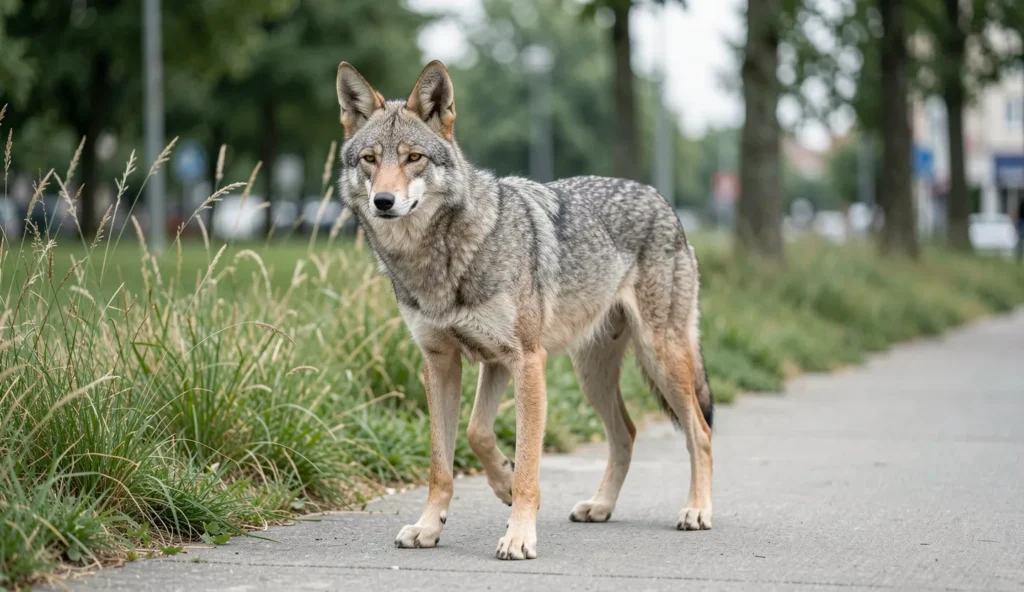
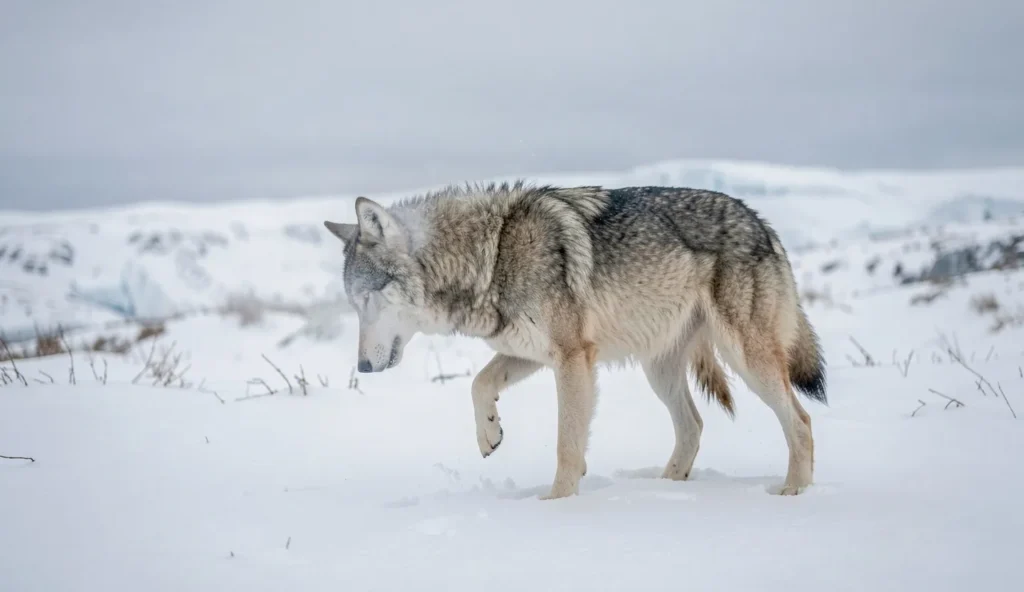
Field identification relies on coat tone, body build, and track-related clues, but no single marker works alone. The greenland wolf is often described as having pale to white coat tones that fit snow-covered landscapes. Even then, weather, lighting, and seasonal molting can make appearance look inconsistent.
When identification matters, teams usually record multiple features in a consistent protocol. Photographs, measurements when feasible, and track documentation support the best outcomes. For practical guidance on coat and survival under cold climates, background context from Himalayan Wolf can also help distinguish how different environments shape fur and posture, even though habitats differ.
Coat Color And The Greenland White Wolf Pattern
Many individuals show the commonly cited Greenland white wolf look, with coat tones ranging from pale cream to near white. In Greenland settings, seasonal molt and wind exposure can shift how bright or patchy the coat appears. Snow glare can also reduce contrast, especially in overcast daylight.
Coat can thicken in colder months, while shedding changes surface texture during warmer periods. Because snow conditions affect how fur blends into the background, coat color alone cannot confirm identity. For fieldwork, coat description should always include the time of day and weather.
Body Size Build And Distinguishing Marks
Teams often use body proportions and locomotion patterns during visual assessment. Typical field measurements can include shoulder height estimates, body length proportions, and overall mass impressions. These assessments require repeat observations because individuals vary by age and condition.
Wear, frost, and dirt accumulation on fur can blur distinguishing marks. Track presence and the shape of toe impressions can provide better support than a single glance at fur tone. Still, lighting angle on snow can distort perceived size, so documentation must stay consistent.
Noninvasive recording methods include still photography with scale references, standardized distance estimation, and timed observations. When available, GPS tagging of camera units can help relate visual IDs to known movement routes. These steps reduce confusion during later data analysis.
Footprints Teeth And Other Field-Useful Clues
Tracks in snow often appear broader and more diffuse than tracks on firm ground. On ice, hoof and paw slide patterns can occur, which can distort depth and toe spacing. Therefore, teams should record surface conditions alongside each footprint series.
Track-based identification still has limits without calibration tools and clear measurement baselines. For that reason, photographic documentation and careful measurement protocols help make comparisons defensible. Where protocols allow, track photos should include angles, scale, and snow hardness notes.
Teeth cues rarely work in remote field settings unless specimens or samples are collected under permits. For isolated island populations, researchers typically focus on tracks, scat, fur trace on rubbing points, and camera evidence. This approach aligns with both welfare and practicality.
Temperament And Pack Behavior In Arctic Conditions
Arctic cold and prey scarcity shape wolf decisions, including how packs use territory and when they take risks. The greenland wolf isolated population often operates with the constraints typical of northern wolf ecology. As a result, behavior tends to show strong seasonality and energy budgeting.
While wolves can adapt quickly, the overall patterns usually follow pack cohesion needs and prey movement. Researchers interpret these patterns through observation timing, track density, and scat distribution. For broader context on social and ecological drivers, comparing with Eastern Wolf may help separate habitat-driven behavior from general wolf social structure.
How Packs Form And How They Use Territory
Wolf packs typically center on breeding adults, yearlings, and younger animals, with roles that support hunting and care. In food-limited island settings, packs often space themselves to reduce wasted travel. This territorial spacing can look subtle when prey concentrates in a small area.
Seasonal movement routes influence where scent marks and travel trails appear. When routes stay predictable, camera traps can reveal repeated travel corridors. However, harsh weather can also compress movement into shorter windows, making observation results time-dependent.
Hunting Strategy And Competition For Prey
Arctic island environments shape likely prey categories through availability and seasonal movement. In many northern settings, wolves rely on a mix of small to medium land prey and opportunistic carrion. When live prey becomes scarce, scavenging can become a major energy source.
Snow cover affects how hunting strategies play out, including tracking accuracy and chase endurance. Daylight changes also shift hunting timing, since visibility and temperature both matter. The same season that reduces prey movement can increase competition for carcasses.
Competition includes other predators and scavengers that exploit carrion. Therefore, diet studies need to interpret feeding opportunities, not only prey remnants. Scat analysis and camera timing together can help explain when wolves hunt versus scavenge.
Vocalizations And Communication In Cold Environments
Vocal communication supports pack cohesion, mate coordination, and territory signaling. In cold conditions, sound may travel differently because of atmospheric changes, but wolves still use howling and other calls. Researchers often compare vocal activity across seasons to infer breeding periods and pack stability.
Ethical recording focuses on distance, minimal disturbance, and consistent timing. Audio recorders positioned carefully can capture howling events without repeated approaches. Communication also links to breeding needs, since stable group cohesion helps support pup care.
When vocal behavior aligns with increased movement on travel routes, it can reflect group coordination around prey. By pairing audio detections with camera evidence, teams can reduce misinterpretation of random long-range calls.
Housing Essentials For Responsible Greenland Wolf Care Context
Controlled care for a greenland wolf requires specialized planning and strict compliance with wildlife laws. Housing principles below fit professional research and rehabilitation contexts rather than casual ownership. Because this species lives in extreme cold and wide-ranging environments, enclosure design must reduce risk and maintain welfare.
Any setting that holds wolves must prioritize safety for animals and staff. Stress control matters because cold exposure, handling, and feed routines can interact. For teams that handle canids in harsh weather, a cold-adaptation overview like Pakistani Wolf can support general canid care thinking, even though the climate differs.
Suitable Enclosure Layout For Cold Weather Handling
Wind-protective shelter and dry bedding areas form the base of enclosure design. Holding, handling, and observation spaces should stay separated to reduce crowding and to limit escape risk. Dry flooring also prevents ice buildup and reduces injuries from slips.
Enclosures must include secure barriers, double-entry systems where appropriate, and safe routes for trained staff. Ice can create hazards during routine checks, so pathways should include traction-ready surfaces. When possible, keep equipment access points outside animal-contact zones.
Separating observation from direct access helps reduce repeated disturbance. This matters during medical checks or sampling days when the wolf may already experience stress. A calmer environment improves data quality and welfare outcomes.
Temperature Humidity Ventilation And Bedding Management
Cold exposure increases respiratory vulnerability when moisture and wind penetrate bedding areas. A responsible setting aims to reduce wetness, frost accumulation, and damp odors. Ventilation supports air exchange while keeping drafts out of resting zones.
Bedding rotation helps manage moisture and frost. When frost becomes hard and abrasive, paw comfort can decline, and that can affect gait. Waste removal must also account for freezing conditions to prevent sanitation failures.
Humidity and temperature should be tracked by monitoring points, not guessed. If staff can document microclimates, welfare assessment becomes easier and more defensible. This approach also supports consistent rehabilitation targets.
Safety Protocols For Staff And Field-Trained Handlers
Distance, barriers, and trained handling procedures reduce risk during enclosure entry and medical checks. Stress stays lowest when routine tasks follow consistent steps and clear timing. Staff should limit time spent in direct proximity when wolves show agitation cues.
Medical checks may require sedation in some settings, but protocols must follow licensed veterinary standards. During cold weather, sedation risk can increase if dosing interacts with body condition and temperature. Emergency plans must include extreme weather contingencies and reliable transport routes.
Where staff follow sampling plans, they should coordinate timing around welfare targets. For example, minimizing repeated capture events reduces the chance of injury and immune stress. This restraint supports long-term care goals and future release decisions where relevant.
Diet And Feeding Requirements In The Arctic Food Web
Diet choices reflect how the greenland wolf isolated population fits into the Arctic food web. In isolated island settings, prey availability drives intake more than preference. For polar researchers and care teams, feeding protocols should match nutritional needs while preserving welfare and safety.
However, controlled feeding cannot perfectly replicate wild hunting. Therefore, care plans often combine diet logic with monitoring of body condition and behavior. For additional context on diet variation in northern canids, comparing ecological pressures with great plains wolf can help highlight how climate and prey type reshape feeding patterns.
Natural Diet Drivers And Seasonal Variation
Natural food intake depends on prey availability and seasonal movement of prey. When snow cover makes tracking possible, wolves may hunt more frequently if prey remains active. In lean periods, carrion can fill the gap and stabilize energy intake.
Seasonal shifts can also change how easily wolves access carcasses. If prey aggregates near coastal or sheltered areas, wolf travel may concentrate there. Conversely, when terrain becomes harder to cross, hunting opportunities can shrink even if prey remains present.
Therefore, diet studies often interpret stomach or scat findings alongside field evidence of prey abundance. When prey estimates lag behind scat sampling, misunderstandings can happen. Pairing field prey surveys with diet data improves interpretation.
Balanced Feeding In Captive Or Rehabilitation Contexts
In controlled settings, balanced feeding typically uses species-appropriate whole prey or formulated wolf diets. Whole prey can supply protein, fat, bone minerals, and roughage in a way closer to wild meals. Formulated diets may support consistency, but teams must confirm they meet wolf-specific nutritional profiles.
Portion size should account for body condition, activity level, and temperature exposure. Cold weather can increase energy needs, so the same portion may not work year-round. Hydration options also matter since frozen water sources can reduce intake.
Mineral balance requires attention, especially when the diet relies heavily on meat-only sources. Care teams should align diet adjustments with veterinary monitoring and weight trends. A gradual adjustment approach helps prevent digestive upset.
Feeding Schedule Hydration And Food Safety
Feeding schedules should support consistent monitoring and allow enough time for observation of appetite and digestion. Regular timing also helps staff anticipate fecal output patterns for health checks. In research settings, schedule consistency improves data comparability across weeks.
Water must remain accessible while preventing freezing hazards. If water freezes repeatedly, intake may drop and dehydration risk can increase. Food safety also matters because spoilage can occur more slowly at low temperatures, but contamination still happens.
Safe storage practices include proper labeling, temperature control, and rotation for pre-portioned items. When thawing occurs, staff should prevent partial thaw cycles and surface bacterial growth. Clear cleaning routines reduce pathogen risk and protect both staff and animal health.
Common Health Issues And Monitoring For Greenland Wolves
Northerly canids face health risks tied to cold exposure, limited resources, and stress from disturbance. For the greenland wolf isolated population, monitoring focuses on conditions that can worsen quickly in remote environments. Professional teams rely on repeatable checks rather than one-time observations.
Since sampling can be limited by weather and permits, monitoring must use both visible signs and noninvasive evidence. Scat, track observations, and camera-based body condition notes can complement periodic veterinary assessments. For additional background on health surveillance concepts, comparing disease and parasite themes with african wolf profile can help illustrate how parasite pressure changes with environment.
Cold Stress Injuries And Skin Paw Problems
Prolonged wind exposure and wet ice can contribute to cold stress injuries. Paw pad wear can increase on icy surfaces, especially if traction remains poor or bedding stays damp. Frost-related checks should include gait assessment and paw surface comfort.
Monitoring signs include changes in locomotion, reduced willingness to stand, and altered behavior during feeding. Skin can show dryness, small abrasions, or increased sensitivity after repeated exposure. Observations should also track breath patterns and activity level because respiratory strain can develop subtly.
Care teams can reduce risk by improving bedding dryness and adjusting enclosure surfaces where appropriate. When gait changes appear, staff should prioritize safe rest and veterinary evaluation. Early intervention can prevent more serious complications.
Parasites Disease Surveillance And Laboratory Priorities
Parasite monitoring matters in isolated populations because immunity can be strained by nutritional gaps and stress. Noninvasive sampling helps collect data without frequent handling. Scat-based testing can support internal parasite surveillance when protocols allow.
Laboratory priorities may include parasite identification, nutritional indicators, and screening relevant to local exposure. In remote settings, sample handling must remain consistent so results stay interpretable. Teams often aim for standardized storage and chain-of-custody documentation.
Nutrition links strongly to immune resilience, so diet quality affects disease outcomes. When feeding protocols shift, health monitoring should track any changes in appetite, body condition, and fecal consistency. These trends can reveal how stress and nutrition interact.
Rehabilitation Care Tips That Respect Isolation Ecology
Rehabilitation should minimize stress during transport, enclosure entry, and veterinary examinations. Cold exposure increases the cost of stress, so care plans often aim for short handling windows. When medical checks occur, teams should ensure recovery spaces support warmth and dryness.
Diets should help animals return toward stable long-term condition targets rather than chasing rapid weight gain. Rapid diet changes can disrupt gut function and increase dehydration or digestive issues. Instead, stepwise adjustments tied to body condition help preserve welfare and function.
Release decisions, where applicable, should align with local ecology data. That includes understanding prey patterns, pack occupancy, and seasonal movement routes. Without this context, releasing an animal may increase conflict or reduce survival odds.
Is A Greenland Wolf Isolated Population Study Right For Your Team
Work with the greenland wolf isolated population requires planning, permits, and careful welfare considerations. For polar researchers, feasibility depends on safety, sampling limits, and the ability to document data without repeated disturbance. Teams also need clear criteria for when fieldwork changes due to weather or animal behavior.
Because the topic touches polar logistics and canid welfare, it also benefits from comparing how other rare wolf populations face monitoring challenges. For context on endangered population management, reading about mexican wolf recovery can inform ethical planning even though ecosystems differ.
Permits Ethics And Welfare Requirements
Research in Greenland contexts typically requires approvals for wildlife handling, sample collection, and transport. Even noninvasive sampling can require documentation depending on jurisdiction and protected areas. Welfare-first principles should guide sampling frequency and distance targets.
Risk assessments must address cold exposure for staff and safe procedures for equipment. Sampling limits reduce cumulative stress on animals and improve data quality. Where sedation occurs, only licensed veterinary professionals should manage it under approved protocols.
Ethics also covers how data gets reported and stored. DNA and parasite samples require secure storage and transparent documentation so results remain useful for future work. Teams should plan data management before field seasons begin.
Field Logistics In Arctic Island Conditions
Arctic island fieldwork requires planning for extreme weather, limited rescue options, and communication outages. Equipment should protect against ice buildup, battery drain, and condensation. Backup power sources and sealed storage help keep camera traps and audio recorders operational.
Safe travel routes must account for tides, sea ice dynamics, and snow stability. Logistics also include contingency plans for delayed retrieval of devices and samples. When timing becomes uncertain, teams should use standardized documentation so later analysis remains valid.
Vehicle and foot travel plans should include clear thresholds for stopping work. In remote cold weather, pushing schedules can increase injury risk. This risk management supports both staff safety and more ethical data collection.
Research Methods That Reduce Disturbance
Distance observation, camera traps, and scat collection typically reduce disturbance compared with approaches that require repeated animal encounters. Standardized protocols help ensure track and photo documentation stays comparable across seasons. If DNA or parasite analysis forms part of the project, sample handling must remain consistent.
Protocol standardization also improves how field teams interpret isolated population signals. For example, repeated camera angles support behavior comparisons, while consistent scat collection timing improves diet analysis. These methods support northern wolf ecology research goals by linking evidence to seasonal conditions.
When methods limit disturbance, results also remain more defensible during ethical review. A clear data plan and a defined disturbance budget help teams demonstrate restraint. Over time, these practices support stronger understanding of how isolated Arctic island wolves persist.
Frequently Asked Questions
What Is A Greenland Wolf
A greenland wolf is a northerly Arctic wolf population associated with Greenland and nearby isolated island conditions.
Is Canis Lupus Orion The Same As The Greenland Wolf
Some studies use Canis lupus orion as a classification label for Greenland wolves.
Why Is The Greenland Wolf Isolated Population Important
Isolation can influence movement patterns and local adaptation in ways that shape survival and behavior.
What Does A Greenland White Wolf Look Like
Many individuals show pale to white coat tones that blend with snow in Arctic conditions.
Final Note
The greenland wolf isolated population offers a rare window into how northern conditions influence survival, behavior, and health monitoring. Responsible research planning helps balance scientific value with welfare and safety in extreme Arctic settings.