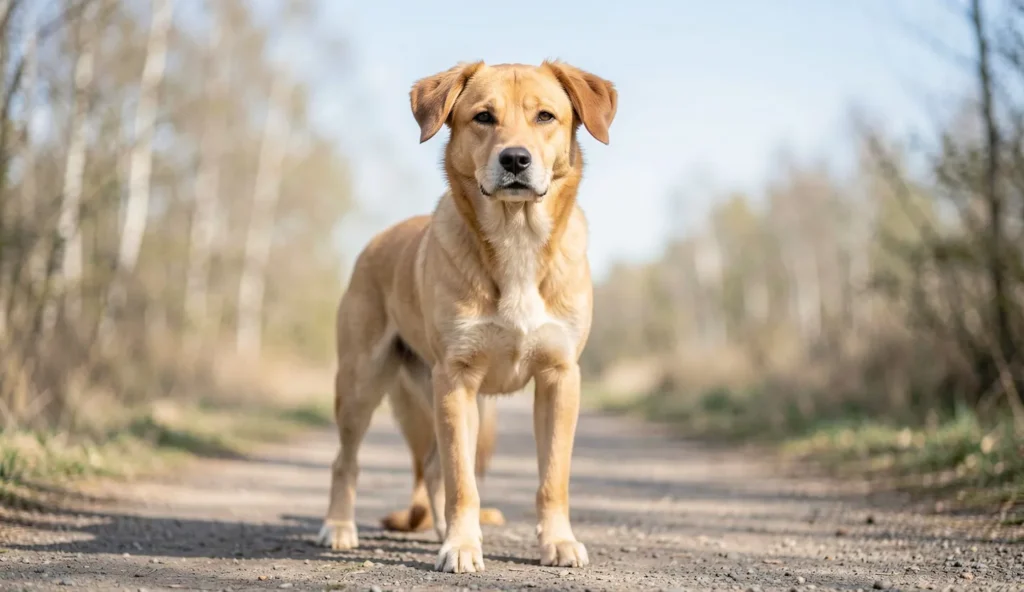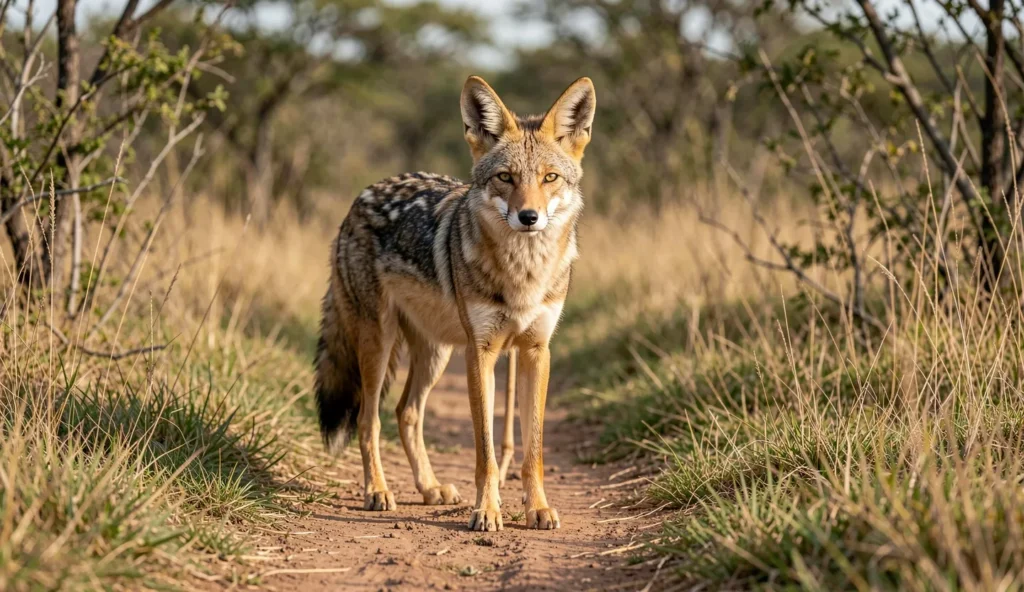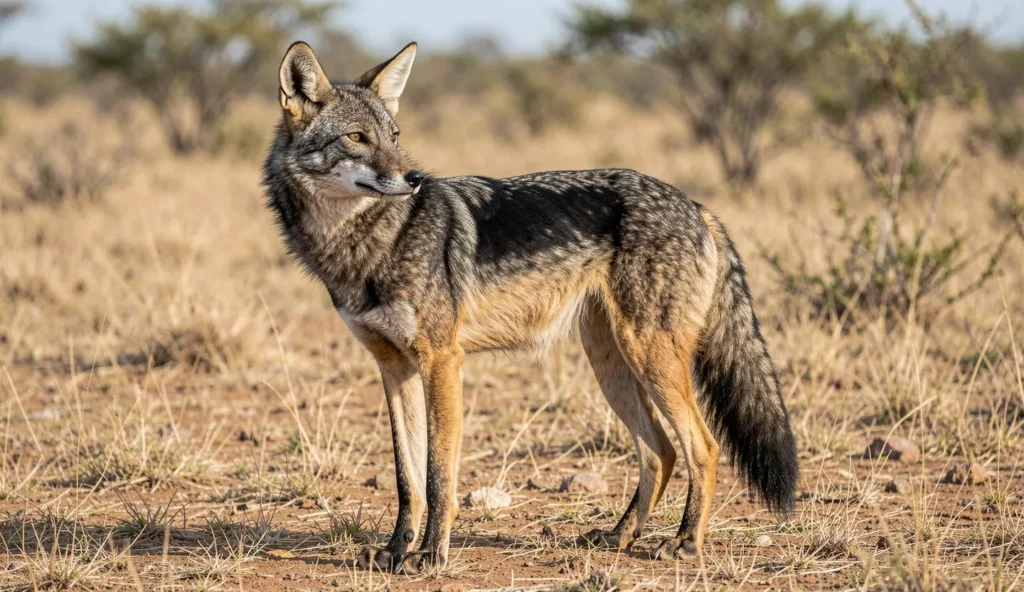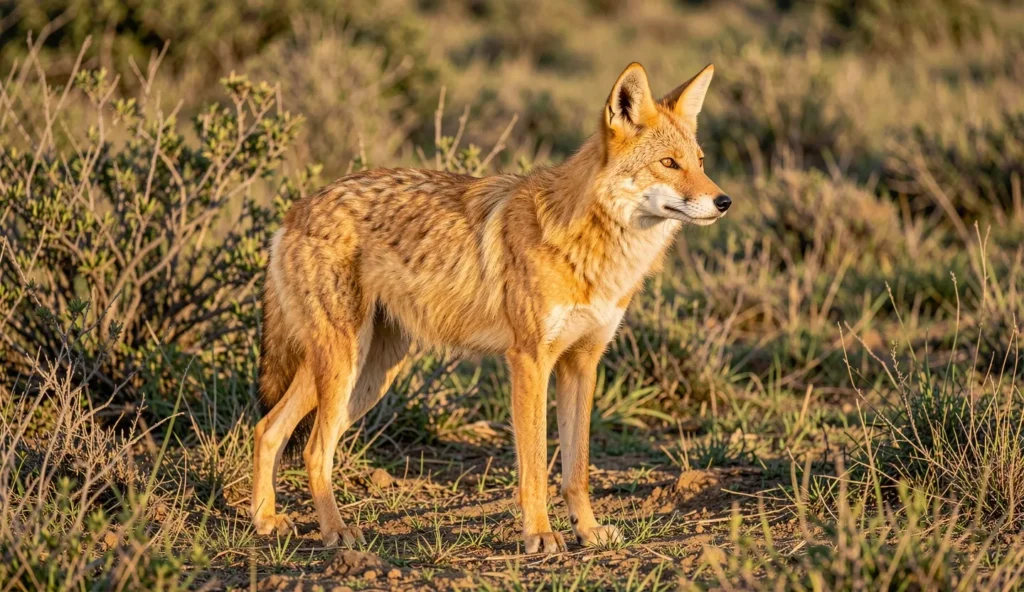
What Is The Labrador Wolf?
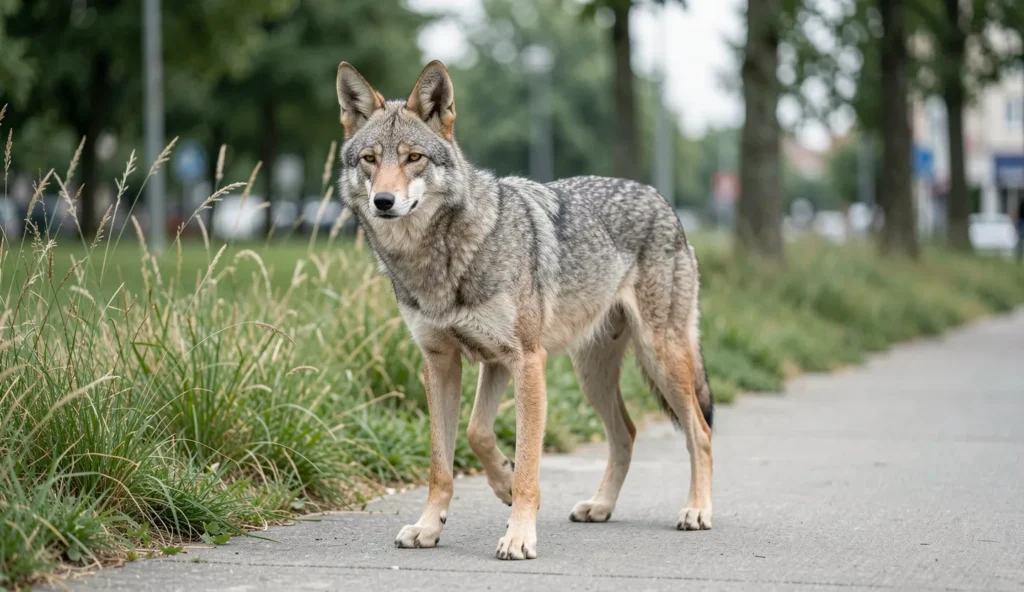
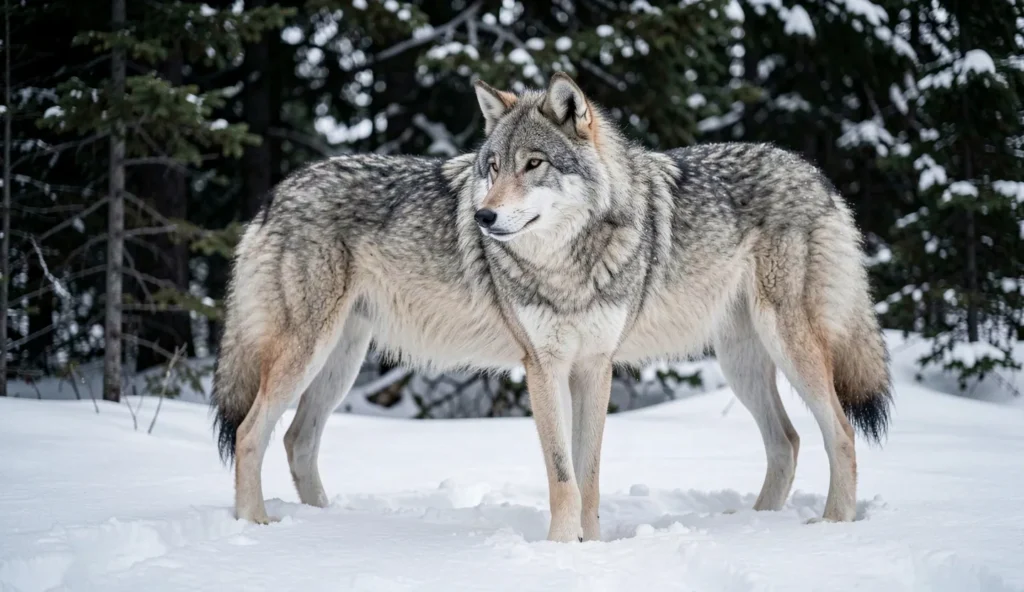
The labrador wolf refers to a recognized regional form of the gray wolf found in eastern Canada, often discussed under Canis lupus labradorius. This regional label helps wildlife readers connect wolf presence to specific landscapes, including the Labrador Peninsula and nearby areas. Many references use the Canis lupus labradorius naming to describe this eastern Canadian wolf form. Even so, regional boundaries can stay blurry where populations mix over time.
In practical terms, the labrador wolf sits within the larger gray wolf complex described across North America. That means similar behaviors can appear across regions, while local ecology shapes how wolves hunt, travel, and den. For Canadian wildlife enthusiasts, focusing on the labrador wolf helps narrow attention to eastern Canadian patterns rather than treating every gray wolf situation as the same. Understanding that context also clarifies why habitat loss hits some areas more strongly than others.
Taxonomy And Subspecies Basics
Many sources describe the labrador wolf under Canis lupus labradorius, linking the label to the Labrador Peninsula region. The gray wolf complex includes multiple regional forms across Canada and the United States. Historically, subspecies names often reflected geography and traits that scientists could observe before large-scale genetic testing. Today, genetics can blur boundaries because animals disperse and interbreed across broader regions.
As a result, the labrador wolf label often works best as a conservation and reporting framework. It helps track patterns such as where wolves occur, how they use habitat, and how threats change survival. When reading regional reports, it helps to treat subspecies names as a tool for organizing information, not as a strict set of physical rules. That approach matches how wildlife monitoring teams interpret data from eastern Canadian wolf populations.
Range Context In Eastern North America
The labrador wolf shows up in eastern Canadian landscapes where boreal forest, coastal influences, and inland valleys support prey and cover. Distribution commonly overlaps the Labrador Peninsula, where wolves can use both forested and mixed areas. Local differences in snow, forest density, and prey density can change how packs use space across the region. Over time, seasonal shifts may move wolf activity toward areas with easier travel or more available prey.
Readers comparing regional wolf forms may also notice similar themes in other parts of the country. For example, the broader story of winter survival and prey hunting often connects to arctic wolf adaptations when conditions become harsher. At the same time, eastern Canada has its own ecological rhythms, so direct comparisons should stay cautious. The best approach uses regional habitat details alongside general gray wolf biology.
Where Does The Labrador Wolf Live In Canada?
Distribution of the labrador wolf depends on geography, land cover, and how connected habitat stays across eastern Canada. Wolves do best where prey can be found reliably and where cover supports travel and hunting. Because human land use varies across the region, wolf presence may look patchy near development while remaining more consistent in remote forest. For wildlife readers, mapping the Labrador Peninsula with surrounding inland areas gives the clearest starting point.
Connectivity matters just as much as the overall range. Even if wolves can survive in a small forest block, fragmentation can reduce movement routes and make conflicts more likely. Therefore, the labrador wolf is best understood as part of a connected regional system rather than isolated pockets of animals. This view also helps explain why habitat loss remains a central threat mechanism.
Labrador Peninsula Range And Neighboring Areas
The Labrador Peninsula often gets used as the key geographic anchor for this regional wolf form. Coastal and inland sections can both support wolves, but the mix of cover and prey can differ by locality. Range patterns can shift based on prey distribution and localized human disturbance. In many places, wolves use a mosaic of forest cover and travel corridors that connect hunting areas.
Seasonal movement can also change where wolves show up most often. Winter may push activity toward areas with better travel surfaces and more predictable prey availability. By contrast, other seasons may increase use of locations tied to breeding, resting, or hunting efficiency. If a reader compares reports from different years, these seasonal differences can explain why wolf observations appear uneven.
When readers want broader context on eastern Canadian canids, it can help to compare the labrador wolf with related patterns described for Eastern Wolf populations. Both discussions focus on eastern landscapes, but they still represent distinct taxonomic and regional contexts. Using that comparison carefully can strengthen understanding of why monitoring methods and threat signals can differ by area.
Eastern Canadian Wolf Corridors And Connectivity
Connectivity depends on the availability of continuous forest and low-conflict routes that support movement between territories. River valleys and connected forest tracts can help wolves travel while minimizing energy costs. When fragmentation increases, wolves may face more barriers, which can reduce effective range over time. These movement restrictions can also limit gene flow and increase the risk of repeated human contact.
Road access changes behavior and risk levels because vehicles increase encounter frequency and reduce safe travel options. Even where roads do not directly eliminate habitat, they can alter how wolves choose routes around settlements. Over time, the labrador wolf may become more concentrated in areas with the least disturbance. That pattern can be a warning sign when habitat loss keeps shrinking the remaining low-conflict spaces.
For readers interested in how geography shapes distribution, it helps to remember that other regional systems show similar connectivity effects. The story of broad-scale range use in the Gray Wolf also highlights how travel corridors support survival. Although each region has its own details, corridor logic often stays consistent across the gray wolf complex.
Habitat Types That Commonly Support Wolves
Forested terrain often supports the labrador wolf because it offers cover for approach and hunting. Mixed landscapes can support diverse prey bases, which helps packs cope with prey fluctuations. Along the edges of tundra or open areas, wolves may still hunt when prey use those zones. However, the balance between open and covered habitat usually affects where wolves spend time.
Human land use can constrain habitat choices near settlements and industrial sites. Even in regions with low overall development, localized roads can make certain routes less safe. Habitat use can also vary by season, with wolves selecting resting or denning sites that reduce exposure. For wildlife readers, spotting these patterns can help interpret signs such as tracks and scat.
- Forests provide cover for approach and concealment
- Mixed terrain supports varied prey and flexible hunting
- Open edge areas may support hunting when prey is present
- Human land use can narrow safe corridors near settlements
What Habitat Conditions Support Survival And Hunting?
The labrador wolf survives where prey availability stays consistent and where habitat cover supports energy-efficient travel. Wolves depend on reliable ungulate prey across the year to maintain pack stability. Vegetation cover helps wolves approach without spending excessive time exposed to wind or predators. Snow conditions also influence travel, which then affects how well wolves can hunt.
Habitat also affects reproduction because denning sites need shelter and reduced disturbance. If human activity increases near dens during critical months, pup survival can drop. Therefore, habitat quality connects directly to threats such as habitat loss. When habitat changes, hunting success, denning safety, and corridor connectivity can all shift together.
Prey Availability And Vegetation Cover
Wolves depend on ungulate prey for long-term survival, and prey distribution often determines where wolves concentrate. Cover helps wolves close distance and conserve energy, especially in forested terrain. Snow conditions can change how easily wolves travel and how effectively they can track prey. Because prey cycles shift over time, wolf space use can change year to year even without major wolf population changes.
When habitat loss reduces forest or changes prey numbers, hunting success becomes less predictable. That uncertainty can lead to more travel in search of prey, which increases encounter rates with people and vehicles. In that way, habitat loss becomes a direct and indirect threat at the same time. It can reduce food access while also increasing exposure to conflict risks.
In the wider wolf literature, these same prey and cover drivers explain why different regions show distinct patterns. Studies of arctic wolf adaptations describe how snow and seasonal conditions shape hunting methods. Eastern systems may differ, but the core relationship between prey, cover, and weather remains.
Denning And Rearing Requirements
Denning requires sheltered sites, typically with stable ground features and reduced human activity. Packs plan territories to secure enough space for hunting while still protecting dens. Disturbance near den sites can increase pup mortality risk because pups need stable conditions during harsh seasons. Over time, safe den areas can act as anchors for pack persistence.
Because habitat loss can remove sheltered denning locations, wolves may struggle to find equivalent alternatives. Fragmentation can also reduce the distance between dens and human activity, especially when development expands along corridors. When that happens, even well-established packs can experience higher pup loss. For readers, these signals often appear in reduced pup survival rather than immediate disappearance.
Human Influence On Habitat Use
Roads and development can increase human encounter rates, which can elevate risk for the labrador wolf. Increased hunting pressure and management policies can also change wolf behavior in targeted ways. When access routes expand, wolves may face more disturbance during periods when they are least able to tolerate it. Some areas may become avoided during sensitive seasons, such as denning periods.
In conflict-prone settings, wolves can also adapt by adjusting routes toward prey-rich areas that overlap with human land use. That overlap creates repeating risk cycles and can lead to direct mortality. Therefore, human influence operates through both disturbance and direct survival outcomes. Understanding these pathways helps wildlife readers interpret why habitat loss often ties closely to conflict patterns.
For comparison, it can help to review how regional wolf discussions treat human risk factors. Regional histories in other Canadian and northern contexts show that the same forces can appear in different forms, such as in the Mackenzie Valley Wolf discussion of terrain, distribution, and regional conditions. Similar logic applies in eastern Canada, even when the specific landscapes differ.
What Threats Put The Labrador Wolf At Risk?
The labrador wolf faces multiple pressures, but habitat loss stays central because it affects space, prey, and safety at once. When forests, wetlands, and connected travel routes change, wolves lose essential hunting and denning support. Fragmentation also increases the probability of human contact as remaining habitat becomes more isolated. In eastern Canada, these issues can combine with other risk factors such as conflict and ecosystem shifts.
Threats should be viewed as interacting stressors rather than separate problems. Habitat loss can raise risk of conflict, and climate-driven shifts can reduce prey availability. Disease and competitive pressures can then become more significant in smaller or stressed populations. That layered effect explains why monitoring remains essential for early detection.
Habitat Loss And Fragmentation
Habitat loss reduces space for hunting, denning, and stable pack behavior. When forests or other key cover types shrink, wolves may have fewer safe resting areas and less concealment while traveling. Fragmentation breaks movement routes and can increase conflict risk because wolves must cross more human-influenced landscapes to reach prey. Smaller habitat patches can also limit long-term resilience when conditions change.
Loss of forest cover can reduce travel efficiency, which then increases energy demands during seasons when prey is harder to find. Additionally, reduced patch size can concentrate wolves in areas where risk factors such as vehicles and people remain higher. Over time, repeated disturbance can make some areas effectively unusable for the labrador wolf. Habitat loss therefore shapes both present behavior and future population stability.
Understanding how fragmentation affects wolf dispersal can also help readers interpret why genetics and identity can blur. When movement routes narrow, local groups can become more isolated, and that can influence genetic patterns. Comparisons to other regional wolf stories, including great plains wolf distribution concepts, show similar connectivity and patch logic in different ecosystems.
Human Conflict And Direct Mortality Risks
Conflict and direct mortality risks increase when wolf presence overlaps with managed herds or human activity. Some control measures or persecution can raise mortality directly rather than simply reducing conflict. Livestock and managed reindeer or similar herding systems can attract predators because prey becomes predictable. That can then elevate the chance of lethal outcomes.
Even when direct killing does not occur, repeated encounters with vehicles and people can increase injury risk or stress. Policy differences across eastern regions can also change how management teams respond during specific situations. When responses vary widely, survival outcomes can also vary. As a result, the labrador wolf may face uneven risk even within broad regions that appear similar on maps.
For readers trying to understand how direct mortality affects wolf populations in general, wolf history summaries can help. The broader Eastern Wolf discussions often focus on how regional isolation and human pressures interact. Those lessons transfer to the labrador wolf as the region experiences changing land use.
Climate And Ecosystem Shifts
Changing snow conditions and seasonal timing can affect hunting success for the labrador wolf. If snow melts earlier or arrives later than usual, wolves may face harder tracking conditions or shifting prey movement. Ecosystem shifts can alter prey distribution and abundance, which then changes where wolves can hunt efficiently. Extreme weather can also stress pups and reduce access to prey during critical periods.
Because climate effects often act alongside habitat loss, the combined pressure can become difficult to manage. For example, habitat change can already reduce cover, while weather extremes can further reduce travel efficiency. That cumulative pressure can compound survival challenges. Over multiple seasons, stress can increase vulnerability to additional threats such as disease and poor reproduction.
Disease And Competitive Pressures
Disease outbreaks can occur through contact networks, especially when wolves travel more due to prey changes or habitat narrowing. Parasites and pathogens may also increase when host dynamics shift with changing prey and environment. Competition for prey can rise when ecosystems change and make food resources less predictable. Small or stressed groups can then become more vulnerable to outbreaks.
These pressures often remain hidden until researchers gather data through field sampling or reporting. Even without a major outbreak, sublethal disease burdens can still reduce fitness and raise pup mortality risk. Therefore, disease and competition form part of the overall threat picture for the labrador wolf. Monitoring can help determine whether disease risk remains stable or is increasing over time.
For a wider view of how ecology and conditions affect disease risk across regions, readers may find it helpful to compare with the Ethiopian Wolf type of ecological pressure logic. While the species differs, the idea that ecosystem shifts can raise stress and disease vulnerability has broad conservation relevance.
How Scientists Monitor Eastern Wolf Populations
Monitoring helps confirm where eastern Canadian wolves occur and how threats change over time. For the labrador wolf, researchers use field observations, tracking, genetics, and threat signal interpretation. These approaches work together because each method answers different questions. Together, they show whether habitat loss is translating into measurable changes in survival, space use, or population connectivity.
In general, monitoring relies on consistent effort over multiple seasons. Short-term observations can mislead if wolves shift activity due to prey cycles or weather. Long-term datasets support stronger trend detection and more reliable risk assessments. When data collection connects to habitat metrics, the threat link becomes clearer.
Tracking Movement And Territory Use
Field tracking and observational surveys map where wolves spend time and how territories function. Movement patterns can identify key habitat corridors that wolves rely on for seasonal travel. Changes in space use can signal disturbance, prey shifts, or corridor disruption. Temporal data also allows comparisons across seasons when hunting conditions change.
When habitat loss fragments travel routes, monitoring often shows increased movement effort or altered route choices. It may also show that wolves avoid certain areas more strongly than before. Over time, these changes can affect pack stability and breeding success. For wildlife enthusiasts, this means location-based sightings can also become less predictable.
Using Genetics And Field Sampling
Genetic sampling can support regional population understanding and connectivity estimates across eastern Canada. Noninvasive sampling methods can reduce stress while still collecting useful information. Genetics can reveal whether wolves disperse among connected regions or whether populations become more isolated. However, results depend on sample quality and where sampling effort concentrates.
Because the labrador wolf label often sits within a broader gray wolf complex, genetic clarity supports better interpretation of regional forms. If connectivity decreases due to habitat loss, genetic patterns may shift across years. That makes genetics a useful tool for testing whether fragmentation has real long-term effects.
Readers comparing subspecies concepts may benefit from a broader look at how regional wolves are treated in other contexts, such as the Pakistani Wolf profile discussion. Although geographic conditions differ, the core idea of using genetic tools to understand connectivity still applies across wolf conservation work.
Interpreting Threat Signals From Data
Interpreting threat signals starts by comparing habitat change metrics with wolf activity patterns. Mortality reports can indicate where risk is rising due to conflict or vehicle exposure. Prey monitoring helps connect ecosystem change to wolf distribution and hunting success. Over time, multiple data streams can confirm whether threats stay localized or expand across a broader area.
Long-term datasets matter because wolf movement and prey availability fluctuate naturally. When monitoring spans years, wildlife teams can separate normal seasonal variation from genuine declines. That approach also supports management decisions designed for specific risk drivers. For the labrador wolf, these decisions often focus on maintaining core habitat and preserving movement corridors.
What Conservation Actions Help The Labrador Wolf?
Conservation actions that help the labrador wolf usually center on protecting habitat, improving connectivity, and reducing conflict risk. Evidence-informed strategies aim to keep hunting and denning habitat stable while limiting repeated harmful encounters. Because habitat loss can trigger several downstream threats, action plans need to address more than one risk pathway. For eastern Canada, practical planning aligns with what wildlife data shows about territory use and corridor needs.
Conservation also depends on research support and coordinated data sharing. When monitoring methods remain consistent, it becomes easier to compare trends between regions. That clarity supports better management responses that match local conditions. Over time, these combined steps can improve survival prospects for wolves in the Labrador Peninsula region and beyond.
Habitat Protection And Corridor Planning
Protecting core habitat supports hunting and denning needs for the labrador wolf. Maintaining connectivity reduces fragmentation impacts that can limit movement and increase conflict. Land-use planning can avoid high-disturbance zones and reduce the likelihood of dens falling near intense human activity. Restoring degraded habitat can also improve long-term resilience and travel efficiency.
Corridor planning matters because wolves need routes that connect feeding areas with den sites. When corridors stay intact, wolves can respond to seasonal prey changes without crossing high-risk landscapes. Habitat protection also supports stable prey communities, which then reduces hunting pressure in conflict-prone areas. For readers, habitat mapping and corridor conservation often explain why some regions remain more stable than others.
Reducing Conflict While Supporting Survival
Conflict reduction strategies focus on reducing repeated losses while keeping wolves alive. Better husbandry and secure enclosures can reduce predation on managed animals. Nonlethal deterrents can lower repeated conflict events by changing how wolves encounter food sources. Rapid response procedures can prevent escalation in sensitive seasons when packs focus on denning and pup care.
Education programs also support coexistence by improving reporting and response quality. When wildlife teams receive timely information, interventions can target the causes of conflict rather than relying on broad measures. That approach can reduce direct mortality and support pack stability. For eastern Canadian settings, coordinated conflict response can make a measurable difference in local outcomes.
- Use secure enclosures for managed animals
- Apply nonlethal deterrents to prevent repeated encounters
- Respond quickly during sensitive seasons
- Improve reporting so managers can adjust actions
Supporting Research And Data Sharing
Consistent monitoring helps identify trends and emerging risks affecting the labrador wolf. Standard methods also improve comparability across regions, which supports better regional planning. Sharing findings with management teams can strengthen decisions about habitat protection and conflict response. Funding for fieldwork also supports long-term dataset quality, which matters for understanding slow-moving habitat threats.
When research includes habitat metrics, mortality reporting, and prey monitoring together, threat signals become easier to interpret. This integrated approach helps link habitat loss to actual wolf outcomes rather than assumptions. Over time, better data can guide conservation actions that target the drivers most likely to affect survival.
As conservation programs expand in eastern Canada, coordinated work also supports public understanding. It can reduce misinformation and improve cooperation with field teams. Ultimately, that increases the chance that habitat planning and threat mitigation reflect real conditions on the ground.
Frequently Asked Questions
What does Canis lupus labradorius mean?
It is a taxonomic name sometimes used for the Labrador Peninsula gray wolf form.
Where on the Labrador Peninsula is the labrador wolf most likely found?
Wolves are most likely where prey and cover are available across inland and forested areas.
How does habitat loss threaten the labrador wolf?
It reduces hunting and denning habitat and can break movement corridors.
What are common signs that wolves are using an area?
Tracks, scat, and repeated observations near prey-rich habitat can indicate use.
How do researchers confirm eastern wolf populations and identity?
Field surveys and genetic sampling can support identification and connectivity estimates.
What conservation steps can reduce conflict with wolves in eastern Canada?
Secure animal management, deterrents, and coordinated response can lower repeated encounters.
A Final Note On Labrador Wolf Awareness
Better understanding of the labrador wolf distribution and habitat needs helps wildlife readers recognize how threatened change can show up on the ground.