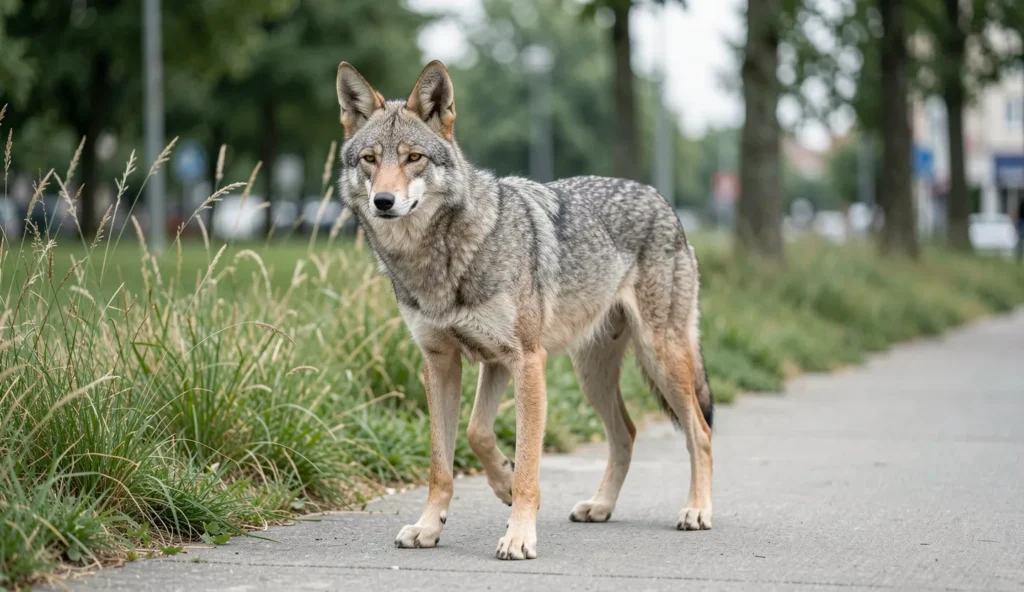
What Is The Yukon Wolf And Where It Lives
The Yukon wolf size topic matters to anyone reading field sign because larger northern wolves often reflect specific habitat and prey patterns. This subspecies is commonly discussed under Canis lupus pambasileus, and it can show up in references alongside interior wolf populations. Yukon wolves form packs that use consistent travel corridors, which can influence how sign appears in snow and near water.
For hunters and trappers, the key benefit comes from linking animal size to behavior and terrain. When terrain and seasonal conditions shift, wolf routes often shift too. That is why local tracking, not just general descriptions, helps confirm what is moving through an area.
Subspecies Name And Classification Basics
Yukon wolf is commonly treated as Canis lupus pambasileus in wildlife reference materials. Many field summaries group this animal with other interior wolf forms, especially when describing northern size trends. Some people also use the broader term interior wolf when discussing similar canids across the interior.
Because labels can vary by source, field confirmation should come from sign and regional context. Still, the name Canis lupus pambasileus often aligns with the discussion of one of the largest wolf subspecies forms. That size framing can help set realistic expectations when measuring tracks.
Range, Habitat, And Seasonal Use Of Terrain
Yukon wolf range and habitat connect to northern interior landscapes and boreal conditions. Wolves often move through areas where prey travels reliably, such as valley bottoms, forest edges, and frozen waterways. Seasonal use of terrain affects travel corridors, since snow depth and ground hardness can change pursuit angles.
During winter and early spring, wolves often concentrate where movement stays efficient. In summer, routes can spread out as prey distribution changes and vegetation cover increases. Track freshness becomes more useful when sign turnover differs between seasons.
How Field Sign Helps Confirm Local Wolf Identity
Tracks, scat, and travel direction can help confirm local pack activity even when exact subspecies labels remain uncertain. Track size variability matters because juveniles and thinner adults can produce smaller prints than mature males. Repeated routes across multiple days also support the idea that a pack is using a stable area.
Sign interpretation improves when it stays comparative. Instead of relying on one footprint, comparing several sets along the same route can reduce error from age and body condition. When large wolf size appears in sign, the pattern often fits a northern interior wolf system.
When readers want broader context on northern canids, a comparison with Gray Wolf behavior and movement patterns can help. For example, readers can review Gray Wolf for general movement traits that often show up across northern regions. Those traits can support practical tracking decisions when working near long-established travel lanes.
What Yukon Wolf Size Looks Like In Real Measurements
Yukon wolf size stands out because this subspecies is often described as one of the largest wolf forms. For hunters and trappers, size expectations matter because track width, stride, and body mass can shape how sign gets interpreted in snow. Still, local conditions can shift measurements, so ranges fit better than single numbers.
Because this subspecies often falls under the large wolf category, it is useful to think in weight and height bands rather than exact figures. Prey density and winter body condition can make the same adult look heavier in one month and leaner later. That seasonal drift can confuse tracking if expectations come from a single snapshot.
Typical Weight Ranges For Male And Female Wolves
Yukon wolf weight expectations usually place adult males higher than adult females. Reported ranges for large wolf physiques can overlap with other northern wolf forms, but the Yukon label often aligns with the larger end. Weight often changes with prey availability, and it also changes with winter condition.
During deep winter, wolves may show heavier body mass after successful feeding. During lean periods, the same pack can produce tracks and scat that look smaller and drier even when the animals are still large wolf types. Reading more than one day of sign helps reduce misinterpretation.
- Adult males typically weigh more than adult females
- Weight shifts with prey density and winter condition
- Yearlings often look slimmer than mature adults
- Lean periods reduce visible mass
Height At The Shoulder And Body Proportions
Shoulder height supports size comparisons between subspecies and supports practical field expectations. Yukon wolf height can appear larger when animals carry more winter fat reserves. Body proportions also change with age because younger wolves have thinner frames.
When a wolf walks on harder crust, tracks can look more precise than tracks on soft powder. That matters for shoulder height estimates because track impressions also reflect how the animal places its feet. Using multiple measurements along a consistent route can improve accuracy.
How Age, Sex, And Body Condition Change Size
Age and sex explain much of the observed size spread in the field. Yearlings often show smaller, thinner builds than mature adults, while adult females may appear lighter even when healthy. Body condition can shrink during times when prey is scarce or when hunts fail more often than expected.
Therefore, Yukon wolf size should get treated as a probabilistic range. Large wolf prints likely belong to mature adults, but they can also reflect heavier individuals during a feeding window. Interpreting stride length alongside print width can help support a size call without overreaching.
How Yukon Wolf Size Compares With Other Large Wolves
Yukon wolves often get grouped among the largest wolf forms, but comparisons depend on local prey base and climate severity. Regional differences show up even for similar subspecies labels, since nutrition and winter stress can vary by area. A practical approach uses range overlap instead of a single point estimate.
If comparison to other northern forms helps set expectations, interior wolves sometimes get discussed alongside similar regions. Readers who want another northern adaptation view can check arctic wolf adaptations, since adaptation patterns often explain why large bodies remain functional in cold. That context can also support why snow and temperature shape feeding success.
For additional comparison within North America, tracking literature sometimes references population labels tied to regional studies. A useful example is the northwestern wolf label, which can help readers think through how size expectations vary by geography. That kind of comparison helps refine estimates when Yukon sign appears near transition zones.
Pack Structure And How Yukon Wolf Packs Function
Yukon wolf size often comes with pack behaviors that hunters and trappers can predict from repeated sign. Packs typically form around breeding adults and their offspring, and they move as a coordinated unit. Understanding pack structure improves interpretation of track patterns, since spacing and direction often reflect roles.
Pack dynamics also affect hunt outcomes and feeding order. When a pack makes a kill, who approaches first can change how carcass sign appears afterward. These patterns link directly to timing, so field decisions depend on pack function, not only on animal size.
Basic Pack Composition And Roles
Yukon wolf packs usually include breeding adults and their offspring, with group members sharing travel and hunting participation. Some wolves may join temporarily after dispersal or from adjacent packs, which can change pack movement size even within one week. Role patterns influence movement pace because different individuals may flank, follow, or lag behind during travel.
When pups are present, movement often reflects a need to keep travel manageable and consistent. That can create travel lanes where prints show repeated spacing patterns. Those spacing patterns can be a sign that the pack is using a stable route to reach feeding areas.
Pack Size And What Atypical Numbers Can Mean
Pack size can vary with prey availability, survival rates, and local conditions. Smaller groups may hunt with different tactics, sometimes targeting easier prey or waiting for opportunities near known routes. Larger aggregations can occur temporarily when prey density rises around a localized resource.
For field readers, atypical numbers can still make sense if sign shows short-term merging. The same route might show mixed patterns if dispersing wolves join temporarily, then split again later. That is why multiple days of sign can matter more than a single count.
How Wolves Coordinate During Hunts
Coordination during hunts often includes spacing, pursuit timing, and direction choices. Wolves can flank, chase, or intercept based on how prey attempts to escape. Success depends on snow conditions and prey escape behavior, since deep snow can slow one side more than the other.
In winter, consistent spacing patterns can appear if wolves attempt to hold angles for long pursuits. In summer, pursuit may look different as vegetation cover changes movement options. When hunters see repeated travel routes after a hunt, it often reflects how coordination carried wolves to and from the kill.
Feeding Order And Access To Kills
Feeding order often places breeding adults in a priority position within many wolf systems. When prey is scarce or carcasses are small, competition rises and feeding can become less orderly. Some wolves also may not feed immediately after a kill, especially if travel to reach the kill consumes energy first.
For field interpretation, carcass proximity to travel lanes can signal how the pack accessed the site. If wolf traffic approaches from several directions, it can suggest a planned hunt with coordinated entry lines. If sign remains concentrated, it can reflect that wolves returned repeatedly to the same feeding pocket.
Readers who compare pack dynamics across regions can benefit from similar subspecies discussions. For example, the mackenzie valley wolf overview can offer context on how northern wolf types get discussed in relation to travel and pack organization. That kind of contextual reading supports more grounded interpretations when Yukon wolves operate in comparable latitudes.
Territory, Travel Routes, And How Hunters Can Read Sign
Territory use helps explain why Yukon wolf size appears alongside consistent movement patterns. Even when wolves vary in how far they roam, packs often rely on reliable travel lanes and hunting areas. Hunters and trappers can use sign to identify which routes look active and which look like older travel.
Reading sign also supports risk management because wolf detection and movement timing can shift with conditions. When sign gets repeated in the same direction, it often indicates a working route rather than a one-off pass. That matters when planning set placement or evaluating whether wolves likely moved recently.
Territorial Behavior And Boundary Patterns
Territorial behavior often focuses on key areas used for travel and hunting. Wolves may scent mark and reuse routes, which can create repeated boundary zones along ridges, water crossings, or forest openings. Territory pressure can change with the season as prey availability changes and as pups mature.
When boundary activity increases, sign can appear denser around travel choke points. Fresh scent and repeated traffic lines can also indicate boundary enforcement. Over time, older sign fades, so comparing freshness becomes part of boundary interpretation.
Daily Travel Patterns In Winter Vs Summer
Winter travel can concentrate on snow corridors and frozen waterways that reduce energy cost. Summer movements may spread out because prey distribution shifts and vegetation cover offers different movement options. Track freshness and spacing can help estimate recent movement because turnover rates differ by season.
In winter, deep snow can still force travel onto easier ground, which can make routes look more predictable. In summer, trails may become harder to see, so track and scatted sign become more important. This is also where understanding interior wolf movement at a seasonal scale helps decision-making.
Identifying Active Packs Using Tracks Scat And Trails
Active packs often show repeated sign in the same direction, which suggests ongoing travel lanes. Scat placement near route nodes can indicate consistent stop points, such as where wolves pause, scent mark, or regroup. Track spacing can also hint at pace and group number, especially when prints align across a shared corridor.
However, track size does not guarantee pack size. A large wolf can still travel alone or with only a subset of the pack, especially during hunting or scouting. That is why combining sign types helps confirm active pack presence instead of relying on one marker.
- Look for repeated tracks along the same line
- Check scat placement near water crossings
- Compare track spacing to estimate group movement
- Note track freshness across multiple days
Practical Notes For Trappers And Hunters
Field conditions can change detection and movement, so consistent checking matters when weather shifts. Large wolf size does not always produce consistent track size, since body condition and footing can vary. Local laws and season rules must get followed before any field action involving trapping or hunting.
To reduce guesswork, trappers often map likely travel corridors using terrain and repeated sign nodes. When those corridors match fresh sign, it becomes easier to decide whether wolf activity is current. Comparing sign across time can also show whether pack movement stays stable or shifts after hunts.
When sign interpretation feels uncertain, comparing with other large wolf descriptions can help correct bias. For example, Eastern Wolf resources can provide additional context on how different environments influence movement and appearance. That comparison can help hunters and trappers keep expectations realistic across wolf forms.
Prey Base, Hunting Behavior, And Factors That Affect Pack Success
Yukon wolf size and pack dynamics connect most clearly through prey selection and hunting outcomes. Packs can look similar in general behavior, but prey types and snow conditions shape how hunts play out. When prey becomes harder to catch, pack behavior can change, and feeding access can become more competitive.
For hunters and trappers, understanding prey base supports more accurate interpretation of why wolves move where they do. When wolf travel lanes align with known prey routes, wolf sign tends to persist. That is where practical field decisions connect to biology.
Common Prey Types In Yukon And Interior Regions
Predation patterns depend on which ungulates and seasonal resources exist in a given area. Ice and snow, plus vegetation cover, influence which prey become most vulnerable during different months. Pack strategy shifts with prey size because escape routes and pursuit time can change the hunt effort.
When prey is larger, hunts can require more coordinated flanking and longer pursuit sequences. When prey is smaller or more available, wolves may use faster tactics and shorter chases. These hunting choices can also affect how quickly carcass sign appears after a route change.
Snow Depth, Temperature, And Wind Effects
Deep snow can slow prey and alter pursuit angles, which can change how wolves line up during a chase. Cold conditions can also tighten movement near heat sources and denser cover, especially when energy costs rise. Wind influences scent detection and can shape approach lines during hunts.
For field reading, weather helps explain changes in sign distribution. If wind shifts or temperatures drop, wolves may alter how they travel between hunting areas. That shift can appear as new track patterns, even when the pack remains the same.
Some hunters also benefit from comparing adaptation patterns across other northern environments. The way Himalayan Wolf gets described in terms of environment can remind readers that climate drives tactics. Even though the regions differ, the principle remains that conditions shape hunting movement and sign.
How Pack Dynamics Influence Kill Rate And Calf Survival
Pack cohesion affects how efficiently wolves locate and hold prey during hunts. Offspring presence often changes how hunts get planned because the pack must maintain a workable pace and protect young members. When competition rises, individual feeding opportunities can shrink even if hunting remains successful.
In areas where prey abundance remains stable, packs can sustain predictable feeding schedules. Where prey changes quickly, pack movements become less consistent and kill timing becomes harder to forecast. Those patterns can influence how often fresh signs appear around key travel corridors.
Is Yukon Wolf Size And Pack Behavior A Good Fit For Your Field Goals
Yukon wolf size and pack behavior can fit certain field goals when sign interpretation stays grounded in conditions. Large wolf size may correlate with older age structure in a pack, though body condition can still swing the apparent size cues. Track and scat interpretation should account for variation rather than treating each print as proof of a specific size class.
Pack behavior also changes risk and timing, since activity often concentrates along travel lanes when prey stays stable. After a kill, activity can intensify briefly around the carcass site. Weather can then shift movement again, which reduces long-term predictability.
What To Expect When Looking For Large Wolves
Expect larger tracks to reflect mature adults more often than yearlings, but do not assume every large print signals a large group. When a pack includes older wolves with strong body condition, the sign often stays consistent. When lean periods arrive, even a large wolf can leave smaller, less deep impressions.
The best reliability comes from multiple evidence points across time. Track size should get interpreted alongside stride pattern, scat volume, and repeat travel routes. When those markers align, the likelihood of a stable pack presence increases.
How Pack Behavior Changes Risk And Timing
Pack movement can become predictable along travel lanes when prey stays available and the pack maintains routine travel. Hunting events can concentrate activity around fresh kills for short windows, which can influence when sign is easiest to find. Sudden weather shifts can then change timing and reduce consistent patterns.
For hunters and trappers, planning around observed patterns reduces guesswork. If tracks and scat show frequent use of a route, that route often stays active longer than a one-off crossing. This also helps avoid confusing older sign with current activity.
Field Preparation Checklist For Yukon Wolf Monitoring
A practical checklist helps keep monitoring consistent and legally compliant. Local regulations should guide any trapping or hunting action, especially since seasonal rules can change. Mapping travel corridors ahead of time based on terrain features and water features improves how quickly active sign gets recognized.
Track across multiple days to confirm pack consistency and avoid overreacting to a single movement event. Recording sign locations can improve interpretation of territory use and boundary pressure over time. When patterns become clear, interpretation becomes more reliable than guessing based on size alone.
- Study local regulations before any field action
- Map expected travel corridors using terrain and water
- Track across multiple days to confirm consistency
- Record sign locations for territory interpretation
A Practical Note For Ongoing Field Observation
Field observation works best when Yukon wolf size gets treated as one clue in a larger pattern of route use and pack dynamics. When sign, weather, and prey context get combined, interpretations become clearer for real-world decisions.
Frequently Asked Questions
How Large Do Yukon Wolves Get In Weight?
Adult males are usually heavier than adult females, and Yukon wolf weight varies with prey availability and winter condition.
What Is The Typical Yukon Wolf Height At The Shoulder?
Shoulder height supports size comparisons, and age and body condition can shift observed measurements.
How Big Are Yukon Wolf Packs Usually?
Pack size depends on local prey and survival, with temporary increases possible near dense prey areas.
What Sign Helps Confirm A Yukon Wolf Pack Is Active?
Tracks and fresh travel lanes are key indicators, and scat plus repeated route use helps confirm ongoing activity.
How Do Snow And Temperature Affect Yukon Wolf Hunting
Deep snow can change prey vulnerability and pursuit lines, while cold and wind affect scent travel and movement timing.
Does Yukon Wolf Size Differ Between Winter And Summer
Body condition can shift after winter feeding and during lean periods, so track and size cues should be interpreted by season.
Field Guide Worth Reviewing For Yukon Wolf Work
Yukon wolf size and pack dynamics become easier to read when measurements get paired with route behavior and seasonal conditions. Consistent sign tracking supports clearer decisions in the field for hunters and trappers.