What Is The Kenai Peninsula Wolf
The kenai peninsula wolf refers to a historical wolf form tied to the Kenai Peninsula in Alaska. Older wildlife literature often placed regional Alaskan wolves into broader gray wolf subspecies groupings, which shaped how the animal was described. While general gray wolves persisted in Alaska, this specific local form did not remain.
From a history perspective, the name matters because it captures a past regional identity. It also helps explain how human pressure can erase localized populations faster than they can rebuild. For readers who want broader context on naming and regional variation, comparing the Arctic wolf adaptations overview can clarify how researchers described older forms.
Where The Kenai Peninsula Wolf Lived
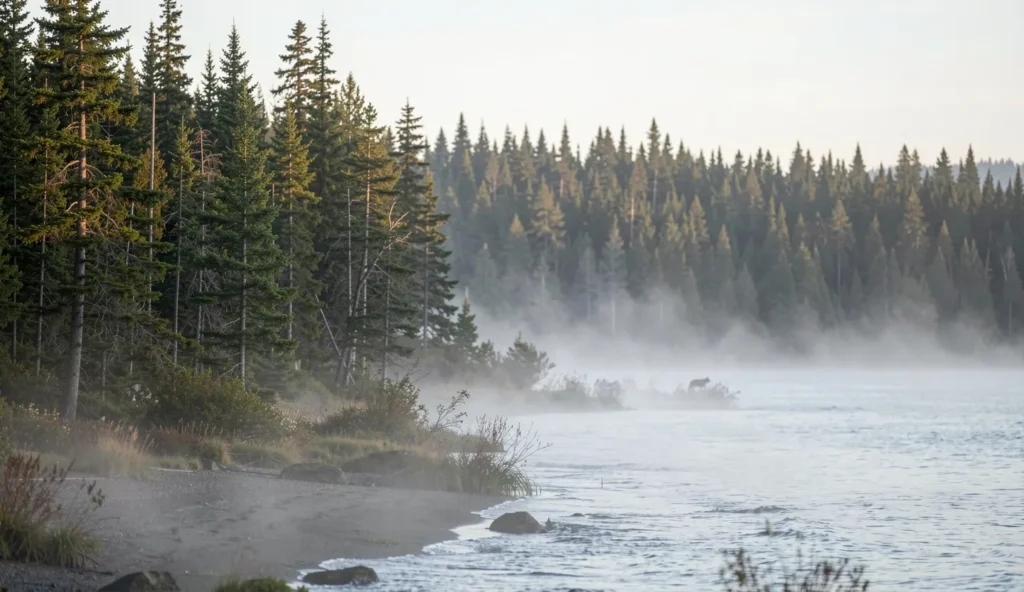
Historical accounts placed the Kenai Peninsula wolf across portions of the Kenai Peninsula landscape in Alaska. The area includes forested valleys, coastal terrain, and rugged inland ground where wolves could travel and hunt. Seasonal shifts changed prey availability and weather conditions, which in turn shaped wolf movement patterns.
Wolves likely used multiple habitat types to match hunting opportunities. Coastal margins could support different prey patterns than interior forests. Over time, human settlement and land use added more travel barriers and changed how prey moved.
How It Fits Gray Wolf Classification
Older classifications commonly used subspecies labels to describe geographic forms of gray wolves. The kenai peninsula wolf is often discussed in relation to Canis lupus alces, an older subspecies grouping used for some Alaskan wolves. Modern taxonomy and regional understanding have shifted, but historical records still influence how the animal is referenced.
Subspecies labels did not always reflect exact genetics, especially when measurements were limited. Instead, naming often followed geography and reported traits. As wolf research methods improved, scientists revised which groups deserved formal recognition.
Key Traits Researchers Historically Noted
Historical observers typically described wolves through physical appearance, body condition, and reported behavior. Records might mention coat color, size impressions, and hunting patterns around local prey. After extinction, these traits become harder to verify because direct comparisons no longer exist.
That limitation makes old documents more important, not less. Historical notes show what people believed they saw, even if later science reframed the details. It also explains why archival evidence is treated carefully in wolf history studies.
Kenai Peninsula Wolf History In Alaska
Understanding kenai peninsula wolf history requires a timeline that connects settlement-era changes to predator pressure. Early periods involved a mix of native wolf presence and natural predator-prey balance. Later, human land use and hunting activity steadily altered that balance.
Because wolf naming and recordkeeping varied, some details survive unevenly across sources. Still, the overall pattern fits what historians and wildlife researchers document for other regional wolf forms. For instance, the way researchers described the northwestern wolf can show how regional labels changed with expanding documentation.
Early Accounts And Settlement Era Impacts
Early accounts described wolves as part of the working landscape near the Kenai Peninsula. Contact between settlers and native wolf presence likely influenced how often wolves were observed. As farms, routes, and hunting camps increased, wolves faced both competition and direct threats.
Land use changes also affected prey and travel routes. When people altered vegetation, increased traffic, or changed how animals grazed, prey patterns could shift. Wolves then had to hunt under new conditions, which often increased encounters with humans and livestock.
How Hunting Pressure Increased Over Time
Hunting pressure likely rose as human presence expanded along the peninsula. Predator control campaigns and organized hunting often targeted wolves for safety and economic reasons. Over time, the number of wolves removed could exceed the rate at which remaining animals reproduced.
In many historical settings, enforcement and incentives shaped mortality levels. Where bounties or commercial interests existed, harvest intensity could stay high. That sustained pressure mattered most for localized populations with limited recovery space.
Role In The Local Ecosystem
Wolves played a top predator role by limiting prey populations and influencing prey behavior. On the Kenai Peninsula, wolves would have targeted available ungulates and smaller prey. Their presence can also affect where prey chooses to graze or travel.
When wolves disappear, those effects can change quickly. Prey may become bolder in some areas, while other species dynamics may shift more slowly. Ecosystem impact matters historically because the goal of predator control often contrasted with long-term balance.
Why The Kenai Peninsula Wolf Became Extinct
The kenai peninsula wolf became extinct due to human-caused mortality that outpaced natural recovery. The main driver was overhunting, supported by predator control practices that removed wolves consistently. Over time, the population dropped below levels needed to persist.
Other pressures also likely contributed, including habitat disruption and changes in prey availability. However, the record-based narrative centers on overhunting as the trigger that made extinction possible. For readers comparing patterns, the Gray Wolf profile can provide wider context on how regional pressure affects wolf persistence.
Overhunting And Predator Control
Overhunting involved direct removal through sustained hunting across seasons. Wolves could be targeted for pelts, bounties, or perceived threats to game and livestock. When such programs run over long periods, they reduce the breeding population faster than it can rebound.
Government and commercial incentives mattered because they kept harvest levels steady. Even when wolves remained in small pockets, repeated removals increased the chance of local collapse. In a localized area, cumulative harvest can act like a constant drain.
Habitat, Prey, And Human Land Use Changes
Alongside hunting, changes in ungulate numbers and disturbance likely altered wolf survival conditions. If prey became scarcer or more difficult to access, wolves faced higher energy costs. Over time, that stress can lower reproductive success and increase vulnerability to additional killing.
Habitat fragmentation also played a part by increasing barriers to movement. Roads, farms, and settlements can make hunting and denning harder while raising the number of human encounters. Natural recovery requires space, prey stability, and time between high mortality events.
Why Small Local Populations Were Vulnerable
Extinct subspecies often represent isolated populations that did not have nearby neighbors to refill numbers. When harvest pressure stays high, small populations cannot rebuild quickly. That fragility applies to many extinct subspecies patterns seen in wildlife history.
Recolonization becomes difficult if wolves are repeatedly removed before young animals reach adulthood. Over time, demographic and genetic fragility increases, even if some animals remain. The end result is a long-term decline that can become irreversible.
Evidence Researchers Use To Support Extinction Narratives
Researchers rely on historical records from trappers, naturalists, and surveys to track presence or disappearance. When wolves stop appearing in reports after periods of targeted searches, local disappearance becomes more likely. Still, certainty varies because documentation can be incomplete.
That uncertainty means extinction narratives must balance evidence and limitations. Records may reflect what people chose to record, not what animals did. Even so, repeated absence across credible sources can support a conclusion about local extinction.
Kenai Peninsula Wolf Legacy In Wolf Studies
The kenai peninsula wolf legacy matters because it shows how taxonomy, geography, and human pressure intersect. Studying an extinct form helps clarify variation within gray wolves, especially for older Alaskan wolf groupings. It also provides a historical case where intense pressure produced irreversible loss.
Lessons from extinction also feed into how modern researchers think about conservation and management. Comparing extinct historical forms with surviving populations helps reduce confusion in naming and classification. For example, understanding the Mackenzie Valley wolf context can highlight how different regions shaped older subspecies labels.
Why Extinct Subspecies Still Matter
Extinct subspecies matter because they represent distinct regional outcomes within broader species diversity. Even when labels were debated, the underlying observation was that populations differed by location and time. That helps refine understanding of Canis lupus alces historical usage and the boundaries researchers drew.
They also show the consequences of intense human pressure. When a population remains localized, harvest and disturbance can eliminate it without enough time for recovery. That idea supports more careful assessment when predators face control campaigns today.
Lessons For Modern Predator Management
Modern management can learn from how overharvesting removed a localized population. Predator control efforts need monitoring and adaptive strategies rather than short-term, high-removal plans. Long-term data collection supports decisions that account for reproduction cycles and population recovery rates.
Equally important, management needs to recognize that names and labels do not guarantee equivalent populations. Two wolves with similar names may come from different regional lineages and face different risks. This is a key point when comparing older terms and present-day monitoring.
How Modern Alaskan Wolf Populations Compare
Comparisons help clarify that regional populations in Alaska are not automatically identical to extinct local forms. Even when a wolf shares general traits of gray wolves, its historical subspecies identity may not match. Ongoing research updates older assumptions about how wolves differed across Alaska.
Modern work emphasizes careful separation of regional population data from broad subspecies labels. That approach helps prevent repeated confusion in wolf history writing. Readers can also compare regional framing using the Eastern Wolf profile to see how naming evolves across geography.
Where To Find Primary Sources And Historical Records
History enthusiasts often want to verify details rather than rely on secondhand summaries. For the kenai peninsula wolf, credible materials include archival records, naturalist field notes, and museum catalog references. These sources help trace what people recorded and when they recorded it.
Because taxonomies changed over time, modern readers benefit from using multiple search terms. In practice, records tied to Alaskan wolf identity may appear under older subspecies language such as Canis lupus alces. That search strategy increases the chance of finding relevant historical documentation.
Types Of Records That Mention The Kenai Peninsula Wolf
Trapper and hunter reports sometimes appear in historical accounts describing wolf presence around specific locations. Naturalist observations and field notes can provide additional detail, especially when dates and locations are included. Museum specimens and catalog references also matter because they connect names to physical evidence.
In some cases, regional wolf records get filed under broader terms rather than the precise local label. When that happens, the surrounding details often still indicate the Kenai Peninsula context. Those clues help researchers interpret older naming systems.
How To Evaluate Credibility In Historical Accounts
Credibility improves when records include dates, precise locations, and repeated observations over time. Comparing multiple sources can reveal whether the same claims appear independently. It also helps to check whether the writer used older names that later taxonomies replaced.
Another factor involves the observation conditions. A single sighting might reflect a passing animal, while repeated trap records can better indicate local persistence. Evaluating those differences helps prevent overstating the certainty of any one account.
What To Search Using Modern Terms
Modern searches should combine the phrase kenai peninsula wolf with older subspecies terms like Canis lupus alces. Because naming changed, searching for both “Kenai Peninsula” and older Alaskan wolf language can capture more results. Adding year ranges can narrow results to periods when extinction narratives formed.
Some researchers also use the combined language of extinct subspecies alongside regional location. That pairing can lead to taxonomic discussions and historical summaries that reference original documents. When a source includes specimen or survey details, it becomes especially useful.
Is The Kenai Peninsula Wolf The Same As The Alaskan Wolf People Mention Today
No, the kenai peninsula wolf is not automatically the same as the general “Alaskan wolf” term used in everyday writing. Older taxonomies used subspecies labels to describe geographic forms, so local names could map to regional classification systems. Later revisions may shift those labels while still leaving the historical population concept intact.
It also helps to remember that extinction removes the ability to compare living animals to the historical type. As a result, record-based interpretation remains the safest approach for identifying what the old label represented. Similar naming challenges appear when comparing other regions, such as the great plains wolf and how different wolf descriptions were consolidated over time.
Why Names Can Overlap Or Change
Names overlap because different writers used similar terms for different levels of classification. Taxonomy updates also change which subspecies labels are accepted, merged, or dropped. Regional labels used by local sources may persist even when formal taxonomy changes.
Because of those shifts, “Alaskan wolf” in older texts may refer to multiple possible regional identities. The presence of gray wolf subspecies language in archives can reflect classification habits rather than exact genetics. For the Kenai Peninsula case, the historical local identity became a key point once the local population disappeared.
What Modern Readers Can Safely Assume
Modern readers can safely assume that the kenai peninsula wolf label refers to a specific historical local form associated with the Kenai Peninsula region. The general presence of gray wolves in Alaska does not recreate the extinct local population. Interpretation based on records is the best method when comparing past and present.
When “Alaskan wolf” appears in modern or informal writing, it often means a broad category rather than the specific extinct subspecies history. That difference matters for anyone researching wolf extinction patterns and the role of overhunting. A focused reading of sources helps keep the historical meaning intact.
Frequently Asked Questions
What Is The Kenai Peninsula Wolf?
The kenai peninsula wolf is a historical wolf form tied to the Kenai Peninsula and often discussed within older gray wolf subspecies groupings.
Was The Kenai Peninsula Wolf Related To Canis Lupus Alces?
Older classifications often linked some regional Alaskan wolves to Canis lupus alces, though taxonomy labels changed across time.
Why Did The Kenai Peninsula Wolf Go Extinct?
The kenai peninsula wolf went extinct due to overhunting and sustained predator control pressure that reduced the population faster than recovery.
What Does Extinct Subspecies Mean In Wolf History?
An extinct subspecies refers to a localized population identity no longer existing in the wild, as recognized in older classification systems.
Are There Any Kenai Peninsula Wolf Populations Alive Today?
No living population matching the extinct extinct subspecies identity is known to persist, while other gray wolf populations in Alaska remain.
Where Can Credible History Records About The Kenai Peninsula Wolf Be Found?
Credible records often appear in archives, historical naturalist notes, and museum specimen catalog references that use kenai peninsula wolf and older names together.
Kenai Peninsula Wolf History Leaves Clear Evidence
The history of the kenai peninsula wolf shows how localized populations can vanish when overhunting stays high. The surviving evidence supports careful historical reading of older subspecies labels and extinction narratives.