What Is The Alaskan Tundra Wolf
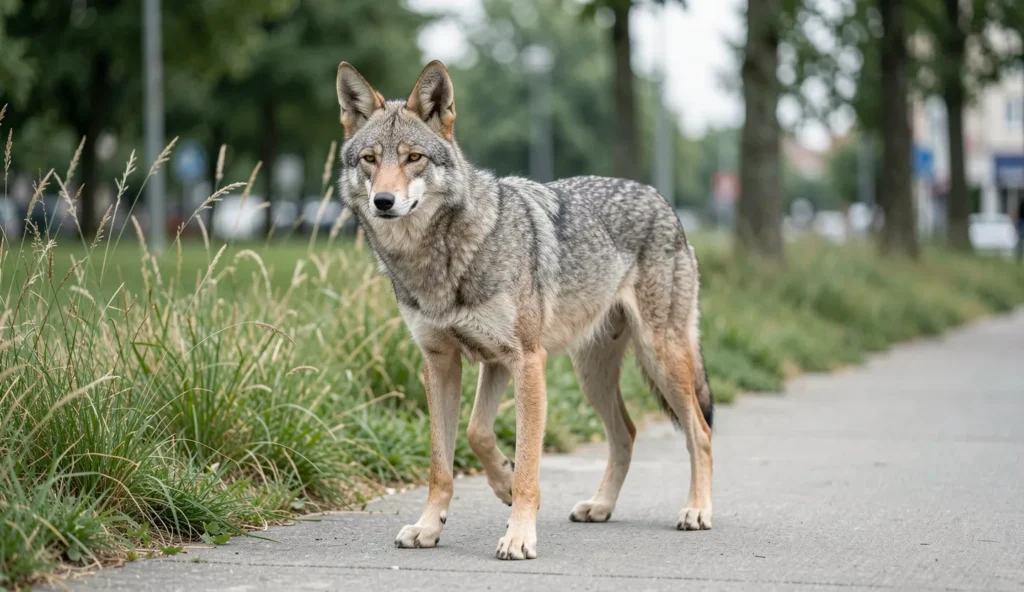
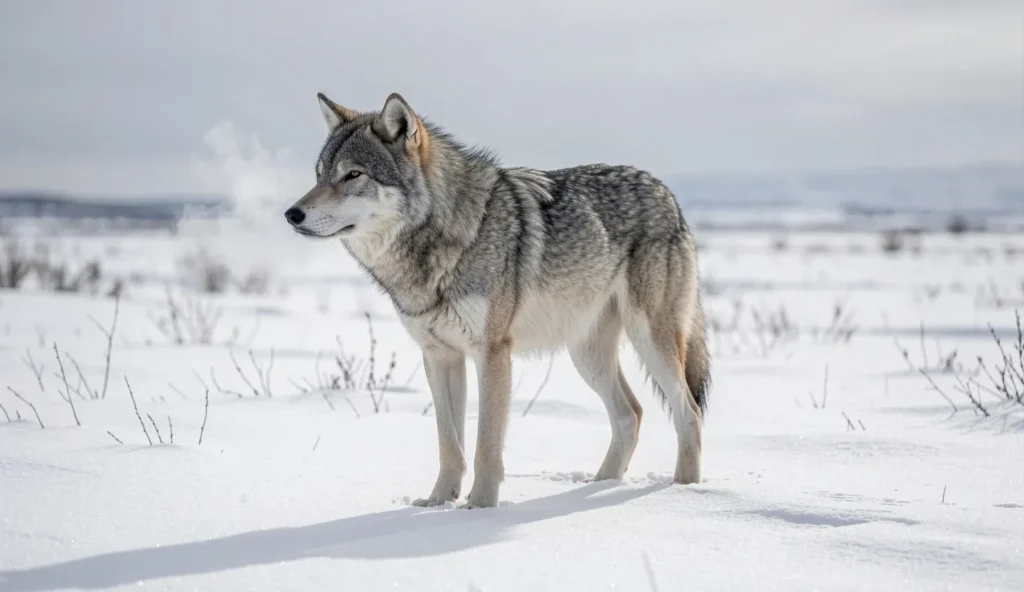
The alaskan tundra wolf is a regional form of the gray wolf commonly labeled as Canis lupus tundrarum. This subspecies is associated with Arctic Alaska and open tundra habitat where snow, wind, and long winters shape daily survival. Habitat use and diet follow prey availability and winter travel constraints. For research on Arctic canids, the term tundra wolf provides a practical ecological frame for studying Canis lupus tundrarum patterns.
Because “tundra wolf” describes a regional adaptation, it does not function as a separate species in typical ecological studies. Instead, the label reflects variation that fits open landscapes and seasonal food cycles. That distinction matters for field data because methods and sampling often depend on habitat context. For broader canid comparisons, habitat and behavior notes may also be cross checked with Gray Wolf natural history sources.
Taxonomy And Subspecies Context
The most commonly used scientific name for the form discussed here is Canis lupus tundrarum. In field reports, “tundra wolf” often describes wolves found across treeless Arctic zones. Subspecies labels represent regional adaptation rather than a species-level split.
In addition, the same general wolf ecology applies across northern landscapes. However, Arctic Alaska conditions can magnify the effects of snow depth and prey movement. Those effects show up in hunting success and in the timing of feeding. For regional comparisons across North America, studies that reference tundra-adjacent wolf labels can support context, such as work focused on the northwestern wolf.
Core Traits That Affect Habitat Use
Open tundra and long winter seasons drive key ecological traits for the alaskan tundra wolf. Pack living supports coordinated hunting, which helps improve encounter rates when prey density stays low. In harsh months, energy budgets often dictate how much time a pack can spend traveling.
Body size trends can vary across Arctic environments, influenced by climate and prey regime. Taller or longer-limbed morphologies can support movement across snow and uneven ground. Regardless of variation, the core habitat pattern remains tied to open terrain and predictable routes. When comparing range and behavior across regions, eurasian wolf behavior sources can also help explain how snow and open ground alter travel choices.
Where Alaskan Tundra Wolves Live In Arctic Alaska
Alaskan tundra wolves typically occur across Arctic coastal tundra and inland tundra zones. Habitat selection depends heavily on prey distribution and local snow conditions. As a result, wolves concentrate on areas where prey tracks and forage edges stay consistent.
Within the Arctic, coastal tundra can differ from inland tundra in wind exposure and snow accumulation. River corridors also create predictable movement lines in winter. These differences can influence denning placement and later hunting routes. For ecologists comparing northern wolves across climate gradients, a regional comparison like Arctic Alaska framing can align with insights from mackenzie valley wolf habitat notes.
What Does Alaskan Tundra Wolf Habitat Look Like
The habitat of the alaskan tundra wolf centers on open tundra with treeless horizons and patchy vegetation. Movement occurs across snow-covered ground for much of the year. Wind, snow cover, and frozen ground shape both route selection and shelter options. Even when wolves use the same broad region, microhabitat choices can change with seasonal weather.
Habitat structure also affects how hunting unfolds in open terrain. Visibility can stay high, but pursuit can still fail if snow conditions block effective speed or traction. Wolves often respond by shifting routes, timing hunts, and adjusting pack roles. Therefore, habitat descriptions need to include seasonal variables rather than a single static map.
Open Tundra Features That Shape Movement
Open tundra changes visibility and pursuit tactics compared with forested habitat. Wolves can often detect movement at longer distances, which supports searching strategies across large sightlines. However, prey can also detect approach, so movement patterns must stay coordinated.
Wind and snow cover alter travel routes because snow depth and drift shape where ground stays hard or slippery. Frozen ground can support denning or other shelter use by reducing collapse risk. Meanwhile, treeless terrain may limit natural cover, so wolves rely more on snow features and terrain relief. When movement routes and energy costs require comparison with other tundra-adapted forms, arctic wolf adaptations resources can add useful context.
Snow Cover And Winter Ground Conditions
Deep snow changes prey vulnerability by affecting how easily prey can move and forage. Wolves may target areas where snow stays thinner due to wind scour or terrain shape. Ice crust and thaw cycles can also shift travel costs for both predators and prey.
As conditions change, wolves may use windblown ridges and pressure points where tracking stays easier. Those same features can concentrate scent cues during still weather. In field studies, snow metrics like depth and crust thickness often correlate with travel speed and encounter rates. Temperature stress also increases caloric demands, which can influence how long carcass feeding continues.
Waterways, River Corridors, And Seasonal Pathways
Rivers and frozen channels can create consistent travel lines during winter. Even when terrain looks uniform, waterways provide landmarks that support route memory and predictable access to prey. In many Arctic systems, prey also shifts closer to water edges where forage is available.
Seasonal pathways change as snow melts and refreezes, which can reopen or close travel routes. Spring thaw can create waterlogged ground that reduces speed and increases risk. Summer movement may then follow ridge tops or dry patches that remain passable. Because prey often concentrates around forage edges near water, river corridors can become high-value hunting zones.
Denning And Shelter Choices
Den sites in tundra habitat often reflect wind protection and concealment despite limited vegetation. Wolves may select areas with enough cover to reduce exposure while staying close to prey travel routes. Den placement can also relate to minimizing disturbance and maintaining safe access during winter storms.
Timing links closely to litter rearing periods, with denning behavior usually starting before the most demanding prey seasons. After pups emerge, movement patterns often expand around den vicinity. These relationships matter for habitat studies because den locations can shift when prey distribution changes across the year. For broader subspecies comparisons within Arctic canids, Eastern Wolf ecology sources can help clarify how denning differs across climate types even if habitat structure varies.
How Alaskan Tundra Wolves Hunt In The Arctic
Hunting in the Arctic tundra relies on coordinated pack behavior and on matching hunting tactics to terrain. The alaskan tundra wolf often benefits from the combination of open visibility and constrained winter movement. Still, success depends on snow conditions, wind direction, and prey body condition. When these factors align, wolves can increase encounter rates in ways that support sustained feeding.
For ecologists, the key point is that hunting strategy emerges from habitat constraints. Pack structure and route selection act as the behavioral layer that connects environmental variables to diet. That link becomes especially clear across seasonal transitions, when snow cover and prey vulnerability shift. Therefore, hunting behavior observations should be interpreted through the lens of habitat and prey ecology.
Pack Structure And Hunting Roles
Coordinated hunting improves success in open terrain where lone pursuit may fail. Common roles include flanking, driving, and trailing, with each role tied to maintaining pressure while reducing escape options. Age and health also influence participation during winter hunts, since older or less fit wolves may conserve energy.
In a pack, role distribution can shift based on prey size and how quickly an animal can move through snow. When prey slows, trailing and close pursuit can become more effective. When prey can run faster, driving and containment strategies can matter more. These patterns also help explain why kill rates may rise during certain prey pulses.
Travel Patterns That Increase Encounter Rates
Wolves use regular routes and scent marking to maintain boundary knowledge and support navigation. Over time, the same landscape corridors can deliver repeated encounters with moving prey. Because open tundra allows long sightlines, wolves may also combine visual scanning with scent detection.
Wind direction can strongly affect scent movement, so wolves often respond by approaching from angles that improve detection. They may also favor terrain that guides scent flow, such as windbreak ridges and snow depressions. These factors help explain why travel routes may look consistent across seasons even when hunts happen at different times. If researchers need additional context on how wolf movement relates to range and behavior categories, Eurasian wolf behavior notes can support cross-system comparisons.
Seasonal Hunting Tactics
Winter tactics often rely on snow and ice to constrain prey movement. Deep or soft snow can increase prey fatigue while also limiting wolf speed depending on crust quality. Ice crust can also create traction advantages for wolves, which may shift where hunts occur.
As spring and summer reduce snow cover, hunting tactics change again. Wolves may then rely more on terrain features and on prey behavior near forage patches. Hunting success also changes with prey body condition, since animals can carry different fat reserves across the year. When prey energy reserves drop, the time wolves spend feeding after a kill can change in predictable ways.
What Do Alaskan Tundra Wolves Eat
The diet of the alaskan tundra wolf centers on available prey in Arctic Alaska. Food choices change through the year because prey access, snow conditions, and carcass availability shift seasonally. In many tundra systems, wolves may depend on ungulates as primary prey during winter. However, scavenging and opportunistic feeding can also play a meaningful role when kills are scarce.
Diet patterns also matter for understanding the Arctic ecosystem, since wolf feeding influences scavenger communities and links predator pressure to prey dynamics. For field researchers, connecting diet data to habitat variables often improves interpretation. Therefore, diet summaries should not treat all seasons as equivalent. Instead, they should map prey types to the periods when they become most accessible.
Primary Prey Types In Arctic Alaska
Primary prey types in tundra systems typically include ungulates that move across open tundra and forage near edges. In Arctic Alaska, likely categories often include caribou and other locally available hoofed prey. Smaller mammals and birds can also appear in some seasons when conditions favor their availability.
Prey availability differs by region and time, especially when animals shift between coastal and inland foraging areas. Prey size and mobility influence kill strategy, because larger prey can require more coordinated pack effort. Meanwhile, smaller prey may support quicker feeding opportunities. These factors together help explain why prey composition can show strong seasonal turnover in scat or carcass observations.
Diet Composition Across Seasons
Winter diet often reflects local abundance of ungulates and the degree to which snow concentrates movement into predictable corridors. During the cold months, wolves may rely more on larger prey because winter survival for prey typically depends on accessible travel routes. As seasons shift, prey availability can change sharply, and diet can track that change.
In spring and summer, wolves may consume what is accessible, including carcasses from earlier kills or prey that becomes easier to capture in open terrain. Food intake may also increase when pups require more calories during periods of active growth. That pup demand can increase feeding frequency and reduce tolerance for long travel between feeding opportunities. For research context on how seasonal conditions alter feeding, studying broader canid patterns such as Ethiopian Wolf food ecology can offer method insights even if species differs.
Opportunistic Feeding And Scavenging
Opportunistic feeding becomes more common when hunting opportunities reduce or when prey escapes become frequent. Wolves may use carrion when kills are scarce, which allows continued feeding without a successful hunt. Weather can increase scavenging opportunities by creating accessible carcasses or by altering how long kills remain usable.
Opportunistic diet also reduces starvation risk during harsh periods, which supports pack stability. In field studies, scavenging can complicate diet interpretation because prey origin may not match the immediate habitat where a carcass is found. That issue affects the ability to link diet composition directly to hunting success rates. Therefore, carcass and scat sampling should account for weather and carcass persistence when possible.
Food Handling And Consumption Patterns
After a kill, wolves process carcasses in a way that maximizes edible portions for the pack. Consumption often focuses on nutrient-dense tissues first, then proceeds to remaining portions as feeding continues. If prey becomes available in multiple events, the remaining bones and hides can persist long enough to indicate timing patterns.
Caching can occur when food availability fluctuates, especially when pack structure or weather limits immediate consumption. Pack feeding can also influence how long carcass remains last on the landscape and how scavengers find them. For diet studies, the spatial distribution of remains can provide clues about feeding duration and weather effects. When comparing scavenging dynamics across regions, arctic wolf adaptations references may help frame how extreme seasons influence carcass use strategies.
How Diet Depends On Prey Availability And Environment
Diet in the alaskan tundra wolf remains tightly coupled to environmental conditions and prey dynamics. Snow depth affects both prey movement and wolf encounter rates, so the same landscape can produce different diet outcomes in different years. Temperature and thaw cycles can also reshape ground conditions, changing how efficiently wolves can travel. Because of those links, diet studies often need to include climate and snow measures alongside prey sampling.
In addition, hunting success influences carcass availability, which then controls the length of feeding opportunities. When wolves succeed more often during prey pulses, carcass leftovers can feed scavenger networks. If hunting success drops, scavenging and longer travel can increase, which can shift diet composition again. These ecosystem links make habitat and diet studies highly interdependent.
Snow, Ice, And Temperature Effects On Prey And Wolves
Snow depth can limit prey movement and change where prey forage effectively. When prey movement concentrates into fewer paths, wolf encounter rates can rise. At the same time, deep snow can raise travel cost for wolves, especially if crust quality reduces traction.
Thaw events can create ground instability, forcing wolves to shift routes and sometimes delay travel. Cold stress increases caloric demands for both predators and prey, which can raise the urgency of feeding. These conditions can explain why winter diet sometimes shows a stronger reliance on accessible prey corridors. For researchers mapping these patterns in Arctic Alaska, Arctic Alaska seasonal framing often supports consistent interpretation across study sites.
Hunting Success And Carcass Availability
Hunting success affects subsequent feeding duration because kills provide concentrated food resources. If hunts occur frequently, feeding can last longer and carcasses can support the pack across multiple days. When hunts fail or prey escapes increase, wolves may spend more time searching and less time feeding.
Pack size can influence kill rate during prey pulses, since coordinated effort can reduce escape success. Carcass leftovers also affect scavenger community dynamics, because scavengers benefit from predictable feeding patches. For diet analysis, carcass persistence can distort prey origin signals if scavengers or later wolf visits access the same remain. That means field interpretation should consider how long carcasses remain available under local weather.
Human Activity And Land Use Effects
Roads and resource sites can alter prey distribution by changing where animals forage and rest. When prey shifts, wolves often adjust travel routes in response even when overall dietary needs remain stable. Human presence can also influence where wolves choose to feed, particularly near disturbance zones.
These land-use effects can create apparent diet shifts that actually reflect prey movement rather than prey preference. In the Arctic, even limited infrastructure can influence travel patterns by offering new route cues. Field studies benefit from recording distance to activity areas alongside wolf movement data. For additional context about how regional labels intersect with behavior reporting, the tundra wolf term can be compared with other canid range framings such as the northwestern wolf.
Is The Alaskan Tundra Wolf A Good Fit For Arctic Ecosystem Studies
The alaskan tundra wolf fits Arctic ecosystem studies because habitat constraints and diet links are strong and measurable. Diet data can inform prey community dynamics, especially when prey availability varies across snow and seasonal pathways. Habitat use offers an avenue to map how climate and snow changes influence hunting opportunities. Over long seasonal cycles, temporal ecology questions become easier to address with consistent predator presence.
For Arctic ecologists, this subspecies can also support comparisons with other wolf populations when methods remain consistent. Even when prey types differ, the logic of coupling movement to habitat features often translates well across systems. However, careful interpretation is required since sampling biases can influence apparent diet composition. With those caveats, the alaskan tundra wolf remains a practical model for studying predator prey linkage in open tundra.
Research Questions Habitat And Diet Can Help Answer
Diet data helps describe prey community dynamics in tundra systems and can reveal how predator pressure tracks prey availability. Habitat use observations help map how snow conditions and seasonal pathways shape hunting success. Long seasonal cycles can also support studies on temporal ecology and climate related shifts across years.
When researchers connect these elements, they often identify where prey vulnerability increases under specific snow scenarios. Those insights can then guide expectations about changes under warming trends. For regional context, comparisons may also incorporate subspecies groupings discussed in arctic wolf adaptations and eurasian wolf behavior summaries. Such cross-referencing can clarify how consistent or distinct the Arctic tundra pattern appears across canid systems.
Data Sources And Field Methods That Map To Diet And Habitat
Common observational methods include scat collection, carcass surveys, and monitoring of den and travel routes. Scat and carcass observations can inform dietary composition when sampling timing and weather conditions are tracked. GPS movement data also links habitat features to hunting opportunities by showing how wolves use snow corridors and river edges.
To interpret diet properly, field teams also often record scavenging context, including how weather affects carcass persistence. If historical range comparisons matter, referencing Gray Wolf or other wolf profile baselines can help interpret what counts as typical prey items across northern latitudes. While sampling design differs by project, the goal remains consistent: connect habitat variables to feeding outcomes. For example, a pack movement study could compare travel efficiency in open tundra versus river corridors during different snow depths.
Key Limitations That Affect Diet Interpretations
Detection bias can affect prey proportions in field samples because some prey remains persist longer and are more likely to be recorded. Seasonal timing also changes what remains detectable, since snow cover can conceal or protect remains. Scavenging can further complicate prey origin because wolves may eat carcasses from multiple sources and times.
Therefore, diet interpretations should use cautious language about when and how prey was obtained. When possible, studies benefit from triangulating scat data with movement and carcass timing. Those steps help reduce errors when linking diet to hunting events. This limitation becomes especially important when studying tundra wolves in harsh conditions where carcass visibility changes quickly.
Frequently Asked Questions
What Is The Scientific Name Of The Alaskan Tundra Wolf?
The scientific name is Canis lupus tundrarum.
What Habitat Type Do Alaskan Tundra Wolves Use Most Often?
They primarily use open tundra areas in Arctic Alaska where snow and prey movement shape travel.
What Do Alaskan Tundra Wolves Eat In Winter?
They mainly eat available prey and may rely more on scavenging when hunting opportunities are reduced.
How Does Snow Depth Influence Tundra Wolf Hunting?
Snow depth changes prey accessibility and the energetic cost of travel for wolves.
Do Alaskan Tundra Wolves Eat The Same Things In Summer And Winter?
Diet shifts with seasonal prey availability and carcass access as conditions change.
How Can Scavenging Affect Diet Studies Of Wolves?
Scavenging can make prey origin harder to determine because wolves consume carcasses from multiple sources.
Final Note
The alaskan tundra wolf shows how open tundra habitat and Arctic Alaska seasonal cycles shape both movement and diet. For Arctic ecologists, linking habitat variables to prey availability can clarify predator prey dynamics over time.