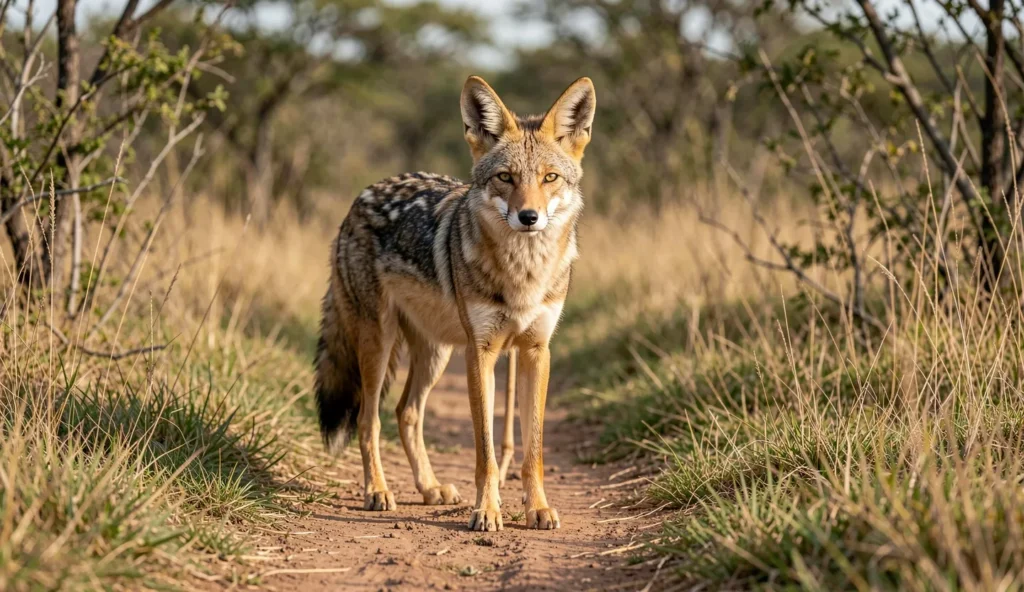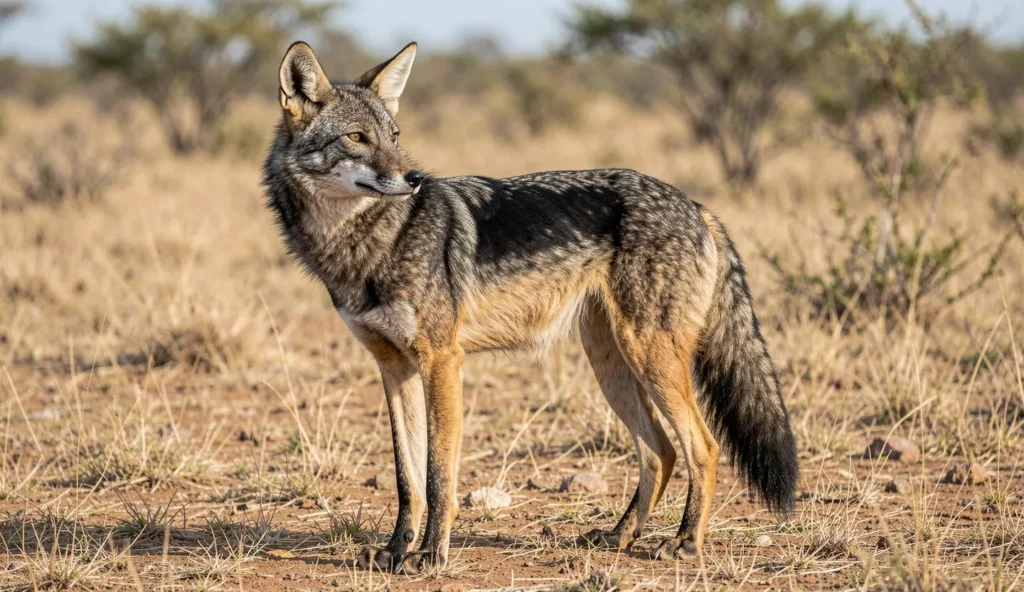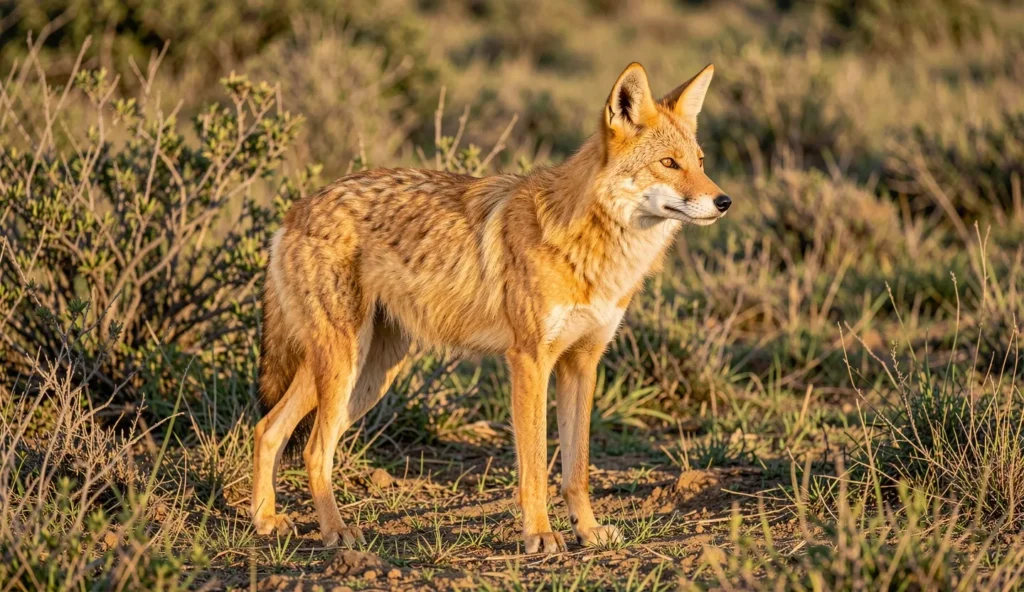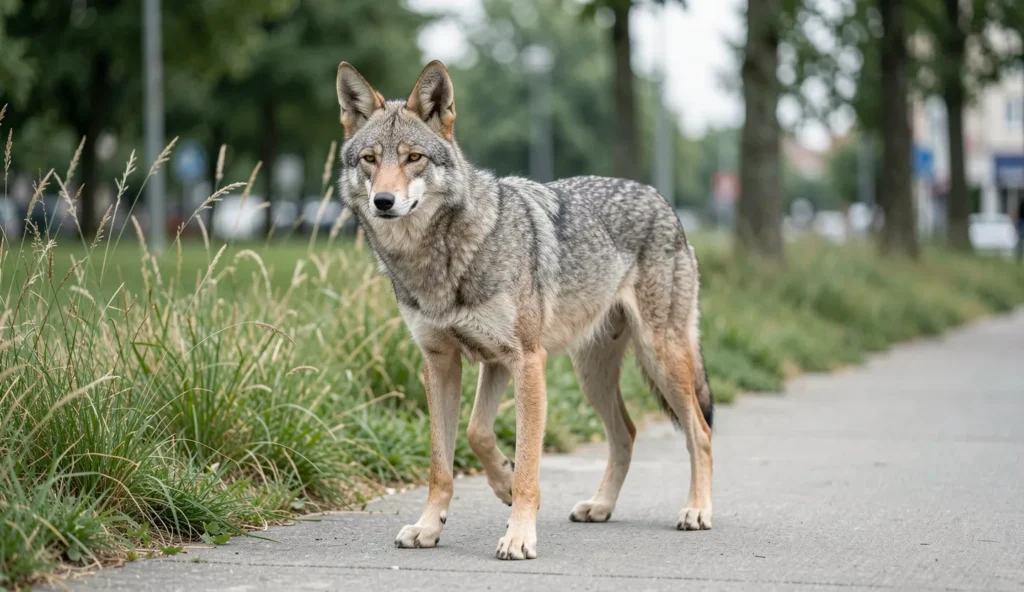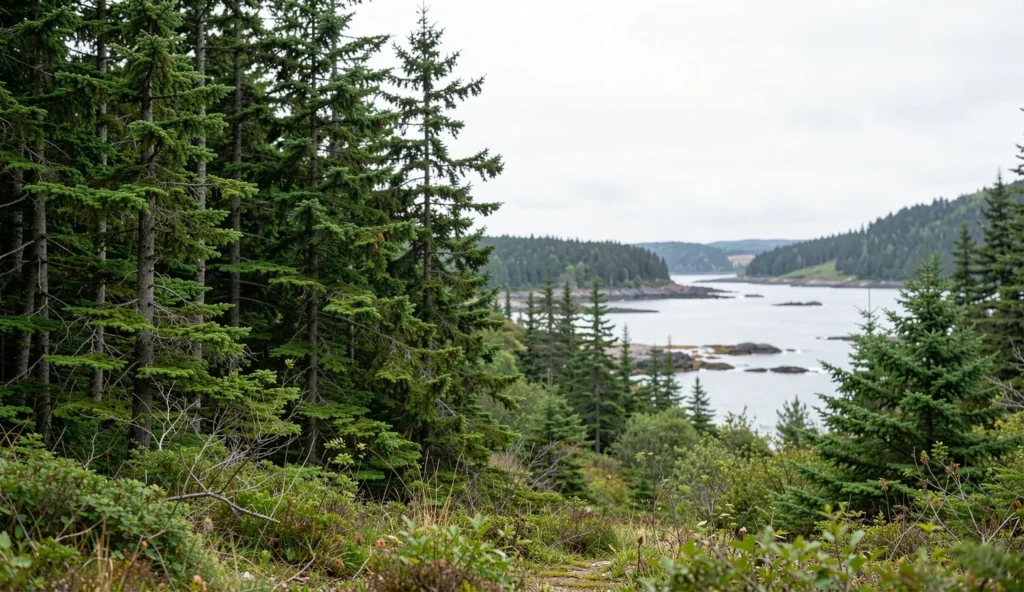
What Is The Newfoundland Wolf And Where Did It Live
The term newfoundland wolf refers to an island wolf population from Newfoundland that is commonly labeled as Canis lupus beothucus. This subspecies designation matters because extinction claims can apply to a taxon, not just to a place. Island ecologists often treat the historical record as a structured timeline problem, not a single event.
Newfoundland functions as an ecological island with strong isolation effects. That isolation can amplify risks when predators face sustained pressure. Over time, island wolf extirpation can progress from reduced presence to disappearance from the habitat.
Scientific Name And Taxonomic Background
Canis lupus beothucus is the name most often used for the newfoundland wolf subspecies in common scientific and historical discussions. A subspecies label groups populations that show consistent differences, while still belonging to the same species. In practice, taxonomy affects how the “extinct” status is written in later summaries.
When extinction is discussed for island wolves, the taxon level becomes critical. If records never show the subspecies again, researchers can treat that as the loss of that lineage, even if wolf-like animals persist elsewhere. This framing is why extinction timelines often cite both geography and subspecies attribution quality.
Island Setting In Newfoundland And Habitat Range
Newfoundland is a large island with coastal zones, interior forests, and wetland mosaics. Wolf habitat would have depended on prey distribution, cover for hunting, and pathways between food sources. In many island settings, wolves rely on a patchwork of forest and edge habitats to support travel and scent-based hunting.
Because an island isolates gene flow and movement, the Newfoundland wolf population would not easily receive immigrants from nearby regions. That single-population dynamic increases how strongly local pressures can shape survival. Habitat differences still matter, yet overall carrying capacity remains limited compared with mainland landscapes.
Why Island Wolf History Requires Careful Evidence
Extinction timelines for the extinct island wolf must distinguish disappearance from confirmed extinction. A period of few sightings can reflect seasonal behavior, observer bias, or low detectability. Therefore, evidence types often receive different weights when timeline points are dated.
Researchers typically use baseline presence documents first, then track how later evidence changes. Specimens, reliable written reports, and geography-specific observations can support “last presence” estimates. However, incomplete archives can also create false confidence if older data are not handled carefully.
To understand how subspecies-level losses can occur under isolation, it helps to compare methods used for other isolated wolf populations. For instance, historical context for an arctic wolf subspecies like arctic wolf adaptations illustrates why ecology and detectability can affect how records look over time. Similar reasoning supports careful inference for Newfoundland.
How The Newfoundland Wolf Disappeared Over Time
The newfoundland wolf disappearance is usually described as an early decline followed by local removal, culminating in loss of the subspecies. Because island extirpations proceed under limited space and slow recolonization, the timeline can appear gradual in records. Yet the ultimate outcome is often treated as extinction by the early 20th century.
In extinction timelines, “decline,” “extirpation,” and “extinction” describe different end points. These terms help analysts structure evidence and avoid mixing partial losses with complete taxon disappearance. They also guide how uncertainty should be expressed when the last confirmed occurrence is dated.
Timeline Phases From Decline To Extirpation
Early decline usually means reduced sightings, fewer signs, and possibly lower reproduction inferred from indirect clues. Extirpation refers to removal from a geographic area, even if a species exists elsewhere. Extinction means that the subspecies no longer persists anywhere.
On an island, extirpation and extinction can become difficult to separate because relocation is unlikely. Even so, analysts still try to keep the definitions separate for clarity. That helps communicate whether the population ended locally or globally at the subspecies level.
Key Early Records And What They Suggest
Early reports function as baseline evidence for when wolves were known to exist on the island. Record quality affects how firmly these observations anchor a timeline, especially when documentation relies on secondhand accounts. Reporting bias also plays a role since people more often recorded animals that affected livestock or property.
When a baseline suggests presence, later scarcity becomes more informative. However, scarcity can also come from reduced effort by observers, changes in land use, or shifts in human settlement patterns. That is why extinction timelines often treat evidence as probabilistic rather than absolute.
To see how historical presence can be interpreted differently under sparse archives, researchers can compare approaches used for Vancouver Island wolf reports. That kind of island-specific record comparison helps emphasize that “absence in the archive” does not equal “absence in nature” without detection reasoning. The same approach fits the Canis lupus beothucus timeline question on Newfoundland.
Most Cited Late Records In The Early 20th Century
Most discussions place the loss in the early 20th century. Analysts look for the last reliable detections, such as specimen records, credible local documentation, or well-specified observation accounts. When confirmation depends on a specimen or detailed record, confidence increases because misidentification becomes easier to evaluate.
The “last reliable detection” date then becomes the most important timeline anchor point. Still, researchers may need to treat this date as a range if evidence spacing is wide. When confirmation relies on dated documentation rather than multiple independent sightings, uncertainty should remain explicit.
Comparative work on other historically bounded wolf forms also highlights how difficult last detections can be. For example, the kenai peninsula wolf historical record shows how limited documentation affects reconstructions. That same caution fits the Newfoundland case, where the archive can be fragmented and uneven.
What Caused The Newfoundland Wolf Extinction
The most discussed drivers of Newfoundland wolf extinction include direct persecution, prey changes, habitat impacts, and small-population pressures. On an island, these factors can reinforce each other rather than acting independently. For island ecologists, the key goal is to link each driver to an ecological mechanism that fits the timeline.
Several mechanisms can reduce survival and reproduction at the same time. When wolf numbers shrink, the remaining animals also face harder mate finding, greater chance of local die-offs, and less ability to recolonize. This multi-factor stress can accelerate extirpation even when each pressure seems moderate alone.
Direct Human Hunting And Control Programs
Direct hunting and predator control can quickly reduce a small island population. Island wolves may come into conflict with livestock or game management, and control efforts often intensify when people perceive economic losses. Under those conditions, removals can become sustained rather than occasional.
Persecution also increases the chance that reproduction fails. Even if some wolves survive control efforts, mortality can reduce breeding success and prevent population recovery. Overharvest pressure can then shift the population from low abundance to collapse.
Island landscapes can also make control measures more effective. For example, when wolves have limited dispersal routes, targeted removals can cover a larger fraction of the remaining individuals. Similar dynamics appear in historical accounts of other wolf populations, such as the greenland wolf isolated population context where isolation shapes risk exposure. That parallel supports the idea that isolation can magnify human pressure outcomes.
Prey Availability Shifts And Trophic Cascades
Prey availability shifts can follow overharvesting of herbivores or changes in land use that reduce prey quality. When prey declines, wolf survival drops because hunting success decreases. Even if wolves can still find prey, lower prey density can increase energy costs and risk exposure.
These pressure changes can trigger trophic cascades. Predator removal can affect prey survival and behavior, but the reverse also happens when prey declines first and then reduces predator persistence. Island ecosystems can show stronger sensitivity because alternative prey options may be limited.
If human hunting reduces both predators and prey, the timing of each shift becomes crucial. A lag between prey decline and wolf collapse can also occur, which means evidence should be compared against the same early 20th century window. For timeline work, matching the driver dates to presence evidence improves plausibility.
Habitat Change And Reduced Carrying Capacity
Land use change can alter shelter, hunting success, and safe travel routes. Fragmentation can reduce effective habitat connectivity even in large island landscapes. If wolves lose denning sites or encounter more human presence in hunting zones, carrying capacity drops.
Habitat change also interacts with prey shifts. Even when prey remains present, habitat degradation can reduce how well wolves exploit prey patches. On islands, reduced carrying capacity means fewer animals can survive at any given time.
When a population size shrinks, that ecological threshold becomes easier to cross. Small populations can fall below the level needed for stable breeding. This is why analysts often treat habitat and prey shifts as compounding pressures that can push a population toward extinction.
Disease And Demographic Stochasticity In Small Populations
Disease risk increases when populations stay small and contacts among individuals remain constrained. Demographic stochasticity also rises because random events, such as a season with poor reproduction, can drive a small population to collapse. Without immigration, these random losses do not get “buffered” by new individuals arriving from elsewhere.
Island wolves can also experience stronger genetic and demographic constraints as numbers decline. While specific genetic outcomes for extinct island wolf lineages may not be fully documented, the general population ecology mechanism remains applicable. Small-population math supports why late-stage survival can fail quickly.
For analogs in historical wolf ecology, subspecies-level framing also matters. Research summaries on Hudson Bay wolf ecology show how arctic conditions and isolation can shape demographic outcomes. While the environment differs from Newfoundland, the general idea that isolation increases collapse risk remains consistent.
How Scientists Estimate Last Presence And Confirm Loss
Estimating the last presence of the newfoundland wolf relies on combining specimens, records, and detection logic. Extinction timelines are rarely based on a single observation because detection and reporting vary by period. Instead, timelines weigh multiple evidence points and treat absence carefully.
For island ecologists, rigorous methods also include documenting uncertainty. Without explicit uncertainty, timeline narratives can overstate certainty. That matters because historical archives can include errors, gaps, and misidentification risks.
Using Specimens, Reports, And Museum Records
Specimen-based evidence anchors presence claims because it creates a verifiable record that can be rechecked. Dated documentation, such as collection dates and locality notes, can anchor specific timeline points. If specimens are missing, written reports still help but carry more uncertainty because identification can be subjective.
Misidentification can distort timeline inference, especially for canids that differ in coat or size only subtly. Researchers therefore consider how the evidence was gathered and whether observers had reliable identification criteria. When possible, independently corroborated sources can strengthen confidence.
Because museum records keep locality data, they also support geographic specificity. That geographic precision reduces the risk that a wolf record actually comes from a different area of the island. This kind of evidence quality control is central to extinction timeline work for Canis lupus beothucus timeline questions.
Interpreting Survey Gaps And Detection Probability
Absence in records does not always mean absence in nature. Detection probability varies with effort, season, human settlement patterns, and reporting incentives. Therefore, a timeline should treat gaps in archived observations as potentially ambiguous rather than conclusive.
Island settings also change detection patterns. When wolves become rarer, encounters decline, so the chance of a report falls even if the population still persists. Analysts often use the concept of detection probability to explain why “no sightings” can lag behind true population decline.
Uneven historical survey effort matters because some decades include more documentation than others. If reports cluster around conflict events, the archive can overrepresent those periods. This is one reason extinction timelines should separate baseline presence evidence from final detection evidence.
Reconciling Conflicting Accounts From Different Sources
Conflicting accounts require structured comparison. Independent corroboration usually earns more weight than a single ambiguous report. Geographic specificity also improves credibility, since a report tied to a precise locality provides stronger support than a generalized claim.
Even with good evidence, uncertainty ranges around the last verified occurrence may remain necessary. Timeline reconstructions can present last presence as a point date when evidence supports it, or as a window when evidence dates are sparse. That approach keeps the analysis aligned with evidence quality.
Comparing island wolf stories from other regions can also improve method thinking. For example, how the Eastern Wolf is described in historical ecology shows the value of corroboration and taxonomy clarity. Similar principles apply when evaluating whether a Newfoundland record supports the subspecies label or a different canid form.
What Ecosystem Changes Followed The Loss Of The Newfoundland Wolf
When a top predator like the newfoundland wolf disappears, multiple ecosystem effects can follow. Direct outcomes depend on what replaced the predator role, how prey populations responded, and how human hunting shaped the food web. For island ecosystems, responses can differ from mainland systems because recolonization is limited and ecological relationships tighten.
Because the historical record may not document every ecological variable, scientists describe ecosystem change cautiously. The focus often stays on plausible mechanisms that match the extinction timeline. In other words, the goal is to connect wolf loss to directional changes while acknowledging uncertainty.
Changes In Predator Prey Dynamics
Wolf removal can alter prey survival rates and prey behavior. If wolves previously reduced prey in certain patches, then those patches can experience higher prey pressure afterward. That shift can influence vegetation and also affect other predators through competition and scavenging pathways.
Alternatively, prey decline can precede wolf loss. In that case, prey survival changes may already be reduced due to overharvesting or habitat shifts. Either direction matters for explaining ecosystem outcomes after the extinct island wolf disappears.
When evidence is limited, scientists may use the driver framework to infer direction. If the suspected cause emphasized human persecution, then changes in prey dynamics might reflect a combination of wolf loss and ongoing human hunting. If prey shifts were primary, then the predator disappearance becomes one part of a broader trophic restructuring.
Community Level Shifts And Potential Competition Effects
Other carnivores can expand after wolf loss if they use overlapping prey resources. That can lead to competition changes among canids and other predators. Community shifts often include changes in scavenger behavior as well, since fewer wolves can reduce carcass availability patterns.
Island ecosystems can respond differently than mainland systems because species diversity and alternative niches may be limited. If other predators already operate near ecological limits, wolf loss may not produce a smooth replacement. Instead, the community might show more patchy or time-delayed shifts.
Still, competition effects remain plausible mechanisms to test against available historical or ecological records. In timeline-centered work, these tests connect driver timing to observed ecological change patterns.
Why This Case Matters For Modern Island Conservation
Historical loss in the early 20th century can inform modern island conservation decisions. The Newfoundland case highlights why early intervention matters before extirpation becomes irreversible. Biosecurity and management planning should account for low recovery potential when immigration is unlikely.
Because island ecosystems tighten ecological constraints, prey base stability and conflict mitigation can reduce risk. If human-wildlife conflict programs reduce persecution pressure and ensure prey availability, then the pathway to collapse may get interrupted. This is especially relevant for species with small population sizes.
Modern practice also benefits from the extinction timeline methods described later. When record evidence is sparse, structured uncertainty and detection reasoning can protect decisions from being based on overconfident assumptions. That approach supports evidence-based planning for other island canid conservation efforts.
What An Extinction Timeline Should Include For The Newfoundland Wolf
A credible timeline for the newfoundland wolf should include evidence categories, geographic precision, and clear treatment of uncertainty. Island ecologists often need a checklist that can standardize how last presence claims are written across projects. That helps make comparisons across cases more meaningful.
Because this extinction is discussed as happening in the early 20th century, evidence handling needs to fit the historical window. Dated records can support timeline anchors, yet survey gaps and reporting bias still require careful interpretation. Clear documentation also supports reproducibility when new archival material is found.
Minimum Data Elements For A Credible Timeline
A timeline should record the evidence type, its dating quality, and what it identifies. It should also list the geographic location precision and whether the evidence supports subspecies-level attribution. These elements help separate general “wolf present” claims from evidence that a specific subspecies persisted.
Minimum data elements often include the following:
- Presence evidence type such as specimen, document, or observation
- Exact or estimated date with a confidence level
- Locality detail such as community name or coordinates when available
- Identification basis and whether the subspecies attribution is supported
- Collector or observer details when they influence reliability
When these data elements are recorded consistently, the Canis lupus beothucus timeline becomes easier to evaluate. It also helps isolate which points drive the “last presence” inference and how robust that inference is.
How To Communicate Uncertainty Without Overstating Certainty
Uncertainty should appear as ranges when evidence spacing is large or detection probability is unclear. Analysts should distinguish last report from last confirmed occurrence when those dates differ. The timeline should also document why each data point receives its confidence score.
For example, a late report with vague locality and weak identification should not automatically replace a stronger specimen record from a slightly earlier date. Similarly, silence in archives after an early decline should be treated as nonconclusive unless detection logic supports high probability of observation. This way, the timeline stays evidence-oriented rather than narrative-driven.
When uncertainty is communicated well, other researchers can update the timeline if new records appear. That flexibility helps prevent permanent misclassification driven by older archival limitations.
Using The Early 20th Century Window For Hypothesis Testing
The early 20th century window provides a constrained period for testing driver hypotheses. If persecution is a major suspected cause, then removal actions and conflict documentation should align with the decline pattern. If prey shifts and habitat changes matter, then prey availability evidence should show related trends.
Hypothesis testing works best when the timeline links each driver to a mechanism that could produce the observed sequence. It can also help to compare with other island extirpations to see whether similar causal patterns show up. That comparative lens improves caution and reduces the chance of overfitting one narrative.
Practical island conservation planning benefits from this structure because it turns “what happened” into “what likely caused it.” It also supports decisions around prey base security and human conflict mitigation before population collapse occurs again.
Frequently Asked Questions
What Time Period Is Most Often Cited For The Newfoundland Wolf Extinction?
Most accounts place loss in the early 20th century, with last reliable detections treated as timeline anchors.
Is The Newfoundland Wolf Considered Extinct Or Only Locally Extirpated?
The subspecies is generally treated as extinct, with confirmation depending on lack of later confirmed occurrences.
What Is The Scientific Name Canis Lupus Beothucus Used For?
It labels the Newfoundland wolf subspecies in common scientific usage, and that framing affects how extinction is recorded.
What Were The Main Suspected Causes Of The Extinction Of The Newfoundland Wolf?
Direct human persecution is a major suspected driver, with prey shifts and habitat or demographic pressures likely adding risk.
How Do Scientists Determine The Last Presence Of An Extinct Island Wolf?
They rely on dated specimens, records, and corroborated reports, while considering detection limits and historical survey effort gaps.
Why The Newfoundland Wolf Timeline Still Matters
The Newfoundland wolf extinction timeline shows how quickly island populations can collapse when multiple pressures overlap. Evidence-focused methods help ensure future island conservation decisions remain grounded in what records can actually support.