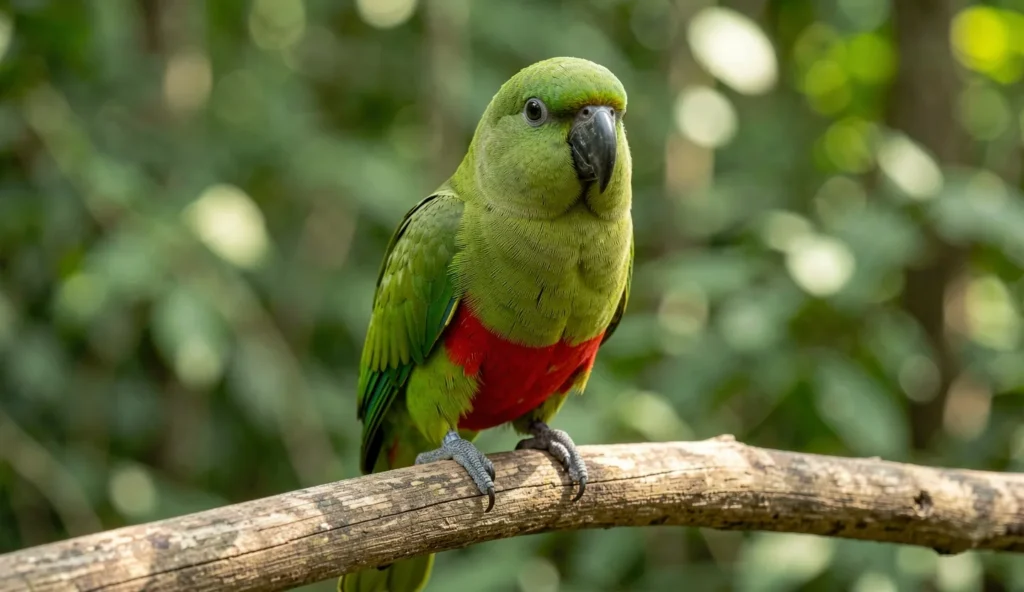
What Is a Red Bellied Parrot
The Red Bellied Parrot, scientifically known as Poicephalus rufiventris, is a small African parrot native to the dry woodlands and savannas of eastern Africa. This species stands out for its calm demeanor and quiet nature, making it a strong candidate for first-time owners. As a beginner parrot, the Red Bellied Parrot offers a manageable size and gentle temperament that suits both apartment living and quieter households.
Origin and Natural Habitat
This parrot comes from eastern Africa, including countries such as Ethiopia, Somalia, Kenya, and Tanzania. In the wild, it inhabits dry woodlands and savannas, where it feeds on seeds, fruits, and vegetation. The species is well adapted to arid environments and has a sturdy build that helps it thrive in these regions.
Why It Makes a Good First Parrot
Several traits make the Red Bellied Parrot an excellent choice for someone new to parrot ownership. It is one of the quietest parrot species, producing soft chirps and whistles rather than loud screams. This small parrot does not demand constant attention, yet it bonds well with its owner. For those considering similar options, the Budgie Parakeet is another beginner-friendly species worth exploring.
Appearance and Physical Features
The Red Bellied Parrot is a medium-sized parrot with a compact, sturdy body. Its appearance changes based on sex, making identification straightforward even for beginners.
Size and Body Shape
Adults reach about 22 to 25 centimeters in length and weigh between 120 and 150 grams. Their body is robust with a broad chest and a relatively short tail. This size makes them easy to handle and house without requiring oversized cages.
Plumage and Color Variations
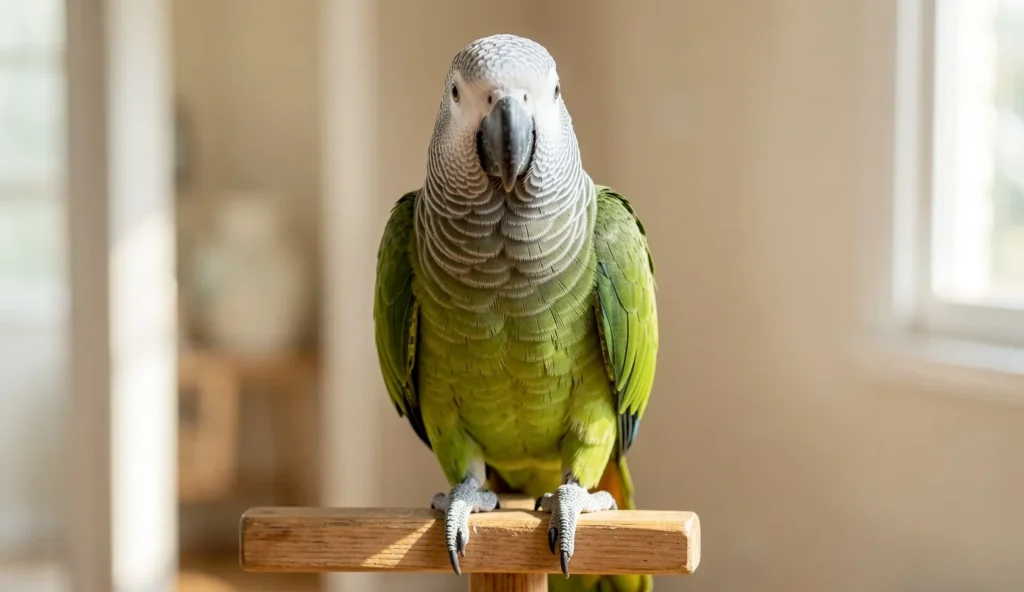
Males display a vibrant red belly and a red patch on the wing, while females show olive green in those areas. The rest of the body is primarily green with a grayish head and horn-colored beak. This sexual dimorphism is rare among African parrot species and helps owners easily sex their bird.
Sexing and Maturity
Young birds resemble females until their first molt, which occurs around 12 to 18 months. Only after this molt do males develop their red belly. The eyes remain dark brown throughout life, and the beak stays horn-colored.
Temperament and Personality
The Red Bellied Parrot is known for its calm and gentle personality. It does not exhibit the high-strung behavior common in many larger parrots, making it a pleasure to have around.
Typical Behavior Patterns
These parrots are generally quiet and independent. They enjoy solo play with toys but also appreciate interaction with their owner. They rarely scream, though they may chirp softly when content.
Interaction with Humans
Red Bellied Parrots form strong bonds with one or two people but are not overly demanding of attention. They can be shy at first but warm up with patience and positive reinforcement. Nipping is uncommon in this species, unlike some other small parrots such as the Peach Faced Lovebird, which can be more nippy during hand-taming.
Noise Level Comparison
This species is one of the quietest parrots you can own. Its vocalizations consist of soft whistles, chirps, and occasional mimicry. For apartment dwellers or noise-sensitive households, the Red Bellied Parrot is an ideal choice.
Exercise and Enrichment Needs
Like all parrots, the Red Bellied Parrot requires daily exercise and mental stimulation to stay healthy and happy. Providing enrichment is straightforward with the right setup.
Daily Out-of-Cage Time
Owners should allow at least two to three hours of supervised time outside the cage each day. The area should be safe from open windows, ceiling fans, and other pets. Whether to keep the bird flighted or clipped depends on the owner’s comfort and the home environment.
Toys and Foraging Activities
Chew toys, wood blocks, and foraging puzzles keep this parrot mentally engaged. Rotating toys weekly prevents boredom. Paper shredding and puzzle feeders that hide treats are especially effective. For more enrichment ideas, the Green Cheek Conure care guide offers similar tips that apply to small parrots.
Social Interaction
Daily social interaction is necessary, but the Red Bellied Parrot does not require constant attention. It can entertain itself for parts of the day. Consistent training and talking sessions can encourage mild mimicry, though this species is less talkative than the Indian Ringneck Parakeet.
Training Your Red Bellied Parrot
Training a Red Bellied Parrot is a rewarding process. These birds respond well to gentle methods and positive reinforcement.
Starting with Taming
Allow the parrot to settle into its new home for a few days before attempting any handling. Use treats like sunflower seeds to build trust. Move slowly and speak softly to avoid frightening the bird.
Basic Commands and Tricks
The step-up command is the first skill to teach, using a perch or a finger. Clicker training works well for reinforcing desired behaviors. Sessions should be short, around five to ten minutes, twice daily, to maintain the bird’s attention.
Common Training Challenges
Some Red Bellied Parrots are highly food-motivated, so treat rewards are effective. Avoid punishment; instead, ignore unwanted behavior. Consistency in routines and cues is essential for reliable recall and trick performance.
Grooming and Care Tips
Proper grooming keeps the Red Bellied Parrot in good health. Regular maintenance is simple once incorporated into a weekly schedule.
Bathing and Hygiene
Offer a shallow dish of lukewarm water or use a mist spray two to three times per week. Most Red Bellied Parrots will bathe on their own. Keep the environment warm while the bird dries to prevent chills.
Nail and Beak Maintenance
Nails should be trimmed every four to six weeks if they do not wear down naturally on perches. Provide a cuttlebone or mineral block to help keep the beak in good condition. Owners unsure about trimming can seek guidance from an avian veterinarian.
Cage Setup and Cleaning
The minimum cage size for a Red Bellied Parrot is 24 x 24 x 36 inches, with bar spacing no greater than 5/8 inch. Clean food and water dishes daily, and perform a full cage cleaning weekly. These steps are similar to the standards described in the Red Lory habitat guide, though that species has slightly different humidity needs.
Diet and Nutrition
A balanced diet is critical for the long-term health of the Red Bellied Parrot. This species thrives on a varied menu that includes high-quality pellets, fresh produce, and limited seeds.
Base Diet: Pellets and Seeds
High-quality pellets should make up 60 to 70 percent of the daily intake. A seed mix can be offered as a supplement, but no more than 20 percent of the diet. All-seed diets lead to obesity and nutritional deficiencies.
Fresh Foods and Treats
Offer dark leafy greens, carrots, bell peppers, and apples regularly. Treats such as millet spray or small amounts of nuts should be given sparingly. Remove any uneaten fresh food after two hours to prevent spoilage.
Foods to Avoid
Avocado, chocolate, caffeine, and alcohol are toxic to parrots. High-salt, high-sugar, and fatty human foods are also harmful. Always research a new food item before offering it to the bird.
Common Health Issues
Red Bellied Parrots are relatively hardy, but they can develop certain health problems common to African parrots. Preventative care is key.
Respiratory and Feather Issues
Aspergillosis, a fungal infection, can occur if bedding is damp or the environment is dusty. Feather plucking may arise from boredom, stress, or dietary deficiencies. Provide clean air and a consistent routine to minimize these risks.
Nutritional Deficiencies
Vitamin A deficiency is common in parrots fed seed-heavy diets. Calcium deficiency can lead to egg binding in females. Offer a variety of fruits and vegetables, and consult an avian vet about supplements if needed.
Regular Veterinary Care
Annual check-ups with an avian veterinarian are essential. Monitor droppings, appetite, and activity level for any changes. New birds should be quarantined for 30 days before introduction to existing pets. For a broader look at health concerns across species, the rare parrots breeds overview discusses common issues seen in less common parrots.
Is a Red Bellied Parrot Right for You
This species is well suited for first-time owners who want a quiet, low-maintenance companion. However, commitment is still significant.
Lifestyle Considerations
The Red Bellied Parrot’s calm nature fits apartment living and homes with older children. It requires daily attention but less than larger parrots like macaws. Individuals or families who can provide a stable environment will find this bird a rewarding pet.
Costs and Commitment
Initial setup costs range from $200 to $500, including the cage, toys, and a first veterinary exam. Ongoing expenses for food and supplies average $30 to $50 per month. With a lifespan of 25 to 30 years, owning a Red Bellied Parrot is a long-term responsibility.
Frequently Asked Questions
Are Red Bellied Parrots Good for First-Time Owners?
Yes, they are calm, quiet, and relatively low-maintenance. They bond well but do not demand constant attention, and their size is manageable for beginners.
How Much Does a Red Bellied Parrot Cost?
Prices from reputable breeders range from $400 to $800. Adoption fees are often lower, but buyers should also budget for cage and setup costs.
Do Red Bellied Parrots Talk?
They can learn a few words and phrases with consistent training. Their mimicking ability is modest compared to larger parrots like the African Grey Parrots, but some individuals become more vocal.
How Long Do Red Bellied Parrots Live?
Average lifespan is 25 to 30 years in captivity with proper care. Diet and enrichment can extend longevity, so owners should plan for a long-term commitment.
What Size Cage Does a Red Bellied Parrot Need?
Minimum dimensions are 24 x 24 x 36 inches, with bar spacing of 5/8 inch or less. A larger cage offers more room for enrichment activities.
Can Red Bellied Parrots Live with Other Birds?
They can coexist with other peaceful parrot species if introductions are slow and supervised. Territorial behavior may arise during breeding season, so watch for signs of aggression.
Final Note
The Red Bellied Parrot offers a unique combination of quiet demeanor, manageable size, and affectionate personality that makes it an excellent first parrot. With proper care and patience, this African parrot will become a cherished companion for decades.