What Is a Jardine Parrot
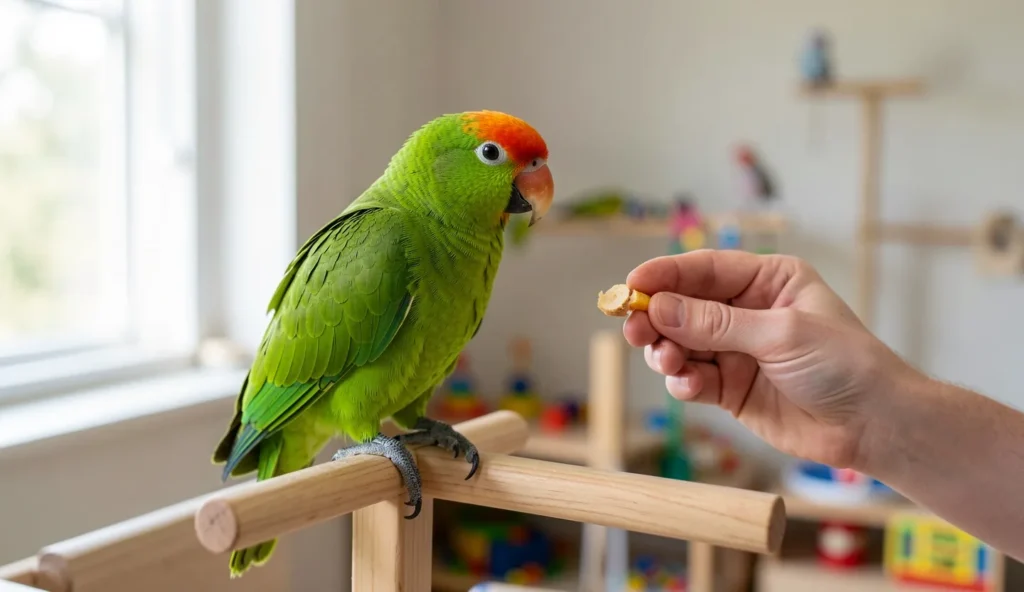
The Jardine Parrot, also known as the red-fronted parrot or Poicephalus gulielmi, is a medium-sized African parrot native to the tropical forests of West and Central Africa. This lively bird stands out for its bright orange-red forehead and intelligent, curious nature. Owners appreciate its moderate noise level and strong bond-forming ability, making it a rewarding companion for those with experience.
Origin and Natural Habitat
Jardine parrots originate from countries such as Cameroon, Congo, and Uganda. They thrive in tropical forests and woodlands, where they forage for seeds, fruits, and nuts in the canopy. In the wild, they live in small flocks and exhibit strong social behaviors.
Appearance and Physical Features
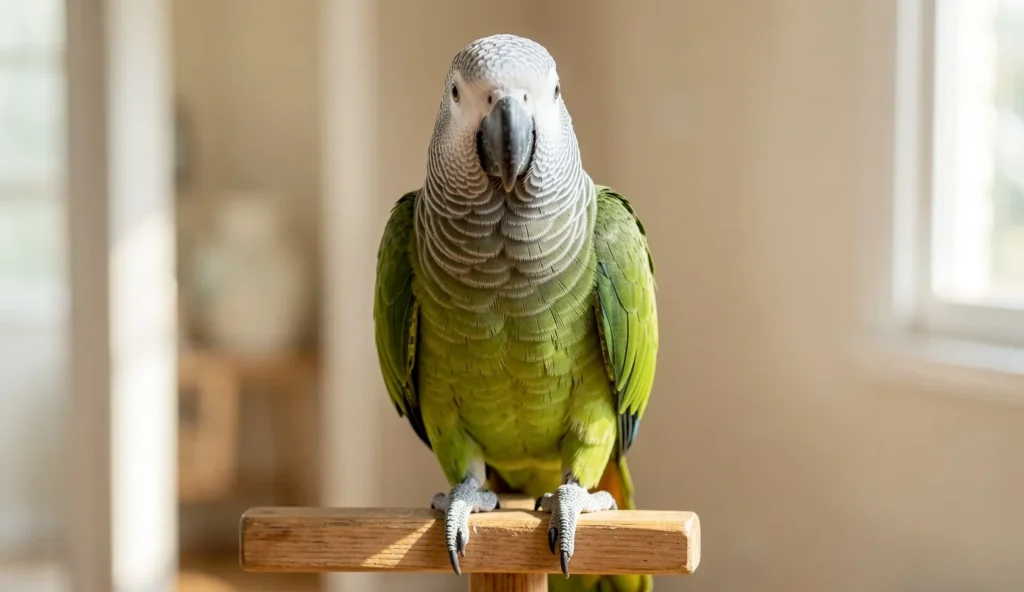
The Jardine Parrot displays a primarily green body with darker wing feathers and a distinctive orange-red forehead, crown, and lores. Some individuals also show variable yellow or red patches on their thighs. These features make them easily recognizable among African parrot species.
Size and Weight
This medium parrot typically reaches 10 to 12 inches in length and weighs between 200 and 300 grams. Its compact yet sturdy build suits active play and climbing.
Plumage and Markings
The overall green plumage provides excellent camouflage in dense forests. The orange-red forehead is the most prominent marking, though the intensity can vary by subspecies. Young birds have a more muted coloration until they mature at around two years of age.
Temperament and Personality
Jardine parrots are highly intelligent and curious, often compared to African Grey Parrots in problem-solving ability. They form deep bonds with their owners and can be both affectionate and independent. Their moderate noise level makes them suitable for apartment living, though they still require daily interaction.
Intelligence and Curiosity
These birds excel at solving puzzles and learning tricks. Without regular poicephalus training and mental stimulation, they quickly become bored and may develop destructive habits. Owners should provide a variety of enrichment tasks to keep their minds engaged.
Social Behavior
Jardine parrots are social but not overly demanding. They enjoy being part of family activities and will often perch nearby. While they can entertain themselves for short periods, they need consistent out-of-cage time to remain balanced.
Training Basics for Jardine Parrots
Training a Jardine Parrot requires patience, consistency, and positive reinforcement. These birds respond well to rewards and clicker methods. The same positive reinforcement techniques used for the Jenday Conure work effectively for Jardine parrots.
Positive Reinforcement Training
Use treats, praise, or a clicker to mark desired behaviors immediately. Avoid punishment, as it can create fear and damage trust. Short sessions of 5 to 10 minutes maintain the bird’s attention and prevent frustration.
Basic Commands to Start
Begin with step-up and step-down commands. Target training helps guide the bird onto a perch or scale. Recall training is useful for safe flight within a controlled environment.
Common Training Challenges
Biting or nipping may occur if the bird feels threatened. Fear of hands or new objects can be overcome with gradual desensitization. Keep sessions brief to match the bird’s short attention span.
Enrichment Activities for Jardine Parrots
Enrichment is critical for a Jardine Parrot’s well-being. Without it, the bird may develop feather plucking or excessive screaming. Daily enrichment should include foraging, chewing, training, and social time.
Foraging and Puzzle Toys
Hide treats in paper cups, cardboard boxes, or palm leaves. Use foraging wheels or puzzle feeders to mimic natural food searches. Rotate toys every few days to maintain novelty.
Chewing and Destructive Play
Provide safe wood blocks, pine cones, and leather strips. Chewing satisfies a natural instinct and keeps the beak healthy. Always supervise to prevent ingestion of unsafe materials.
Training as Enrichment
Teach tricks like waving, turning around, or fetch. These sessions double as mental exercise. Combine them with positive reinforcement to strengthen the bond.
Social Enrichment and Out-of-Cage Time
Allow at least two hours of supervised out-of-cage time daily. Provide a bird-safe play stand or tree for climbing. Handling practices similar to those for a Green Cheek Conure help build trust and prevent behavioral issues.
Diet and Nutrition
A balanced diet keeps a Jardine Parrot healthy and active. The base should consist of high-quality pellets, supplemented with fresh vegetables and fruits. Seeds should be limited to treats.
Staple Diet Components
Provide a pelleted diet specifically formulated for medium parrots. Offer dark leafy greens, carrots, bell peppers, and small amounts of berries. Sprouted seeds add variety and nutrients.
Foods to Avoid
Never give avocado, chocolate, caffeine, or alcohol. Avoid high-fat or high-sugar items like chips or candy. Remove pits and seeds from apples, cherries, and peaches before offering.
Common Health Issues
Jardine parrots are generally hardy but can suffer from respiratory and nutritional problems. Regular veterinary checkups and a clean environment prevent many issues.
Respiratory and Nutritional Problems
Aspergillosis may develop from moldy food or damp bedding. Vitamin A deficiency is common with poor diets, leading to feather and skin issues. Obesity results from high-seed diets and lack of exercise.
Behavioral Health Signs
Feather plucking often indicates boredom or stress. Screaming can signal distress or a need for attention. Lethargy or appetite changes require prompt veterinary attention.
Is a Jardine Parrot Right for You
This species suits owners with intermediate parrot experience who can commit time to training and enrichment. They live 25 to 35 years, so a long-term commitment is necessary. Their talking ability, while not as clear as an Indian Ringneck Parakeet, still allows for a small vocabulary of words and sounds.
Time and Commitment
Expect to spend at least 2 to 3 hours daily on interaction, training, and out-of-cage time. A consistent routine helps the bird feel secure. Consider future life changes such as relocation or family expansion.
Ideal Owner Profile
The best owner has previous parrot experience and a quiet, stable home. Willingness to provide varied enrichment and a high-quality diet is essential. Access to an avian veterinarian is non-negotiable for preventive care.
Frequently Asked Questions
How intelligent are Jardine parrots compared to other parrots?
Jardine parrots are among the more intelligent medium-sized parrots. They can learn tricks, mimic sounds, and solve simple puzzles. Their problem-solving ability rivals that of larger species like African greys.
What is the best age to start training a Jardine parrot?
Training can begin as early as weaning, around 8 to 12 weeks old. Younger birds adapt faster to training routines. Older birds can still learn with patience and positive reinforcement.
How much time should I spend on enrichment each day?
Aim for at least 30 to 60 minutes of structured enrichment daily. Combine foraging toys, training sessions, and out-of-cage play. Rotate enrichment items to keep the bird engaged.
Can Jardine parrots learn to talk?
Yes, they can mimic speech, though not as clearly as African greys. Some individuals develop a vocabulary of 10 to 20 words. Consistent repetition and context help improve talking ability.
What are the signs of boredom in a Jardine parrot?
Feather plucking or excessive preening are common signs. Repetitive screaming or pacing also indicate boredom. Destructive behavior like chewing cage bars may occur without sufficient enrichment.
Final Note
The Jardine Parrot is a vibrant, intelligent companion that thrives with proper training and enrichment. Meeting its needs for mental stimulation, social interaction, and a balanced diet ensures a rewarding relationship for both bird and owner.