What Is a Pinzgauer Cattle
Pinzgauer cattle are a striking red and white dual-purpose breed that originated in the alpine region of Austria. This hardy breed stands out for its calm demeanor and ability to thrive in harsh mountainous environments. Owners value Pinzgauer cattle for their excellent milk production and quality beef, making them a practical choice for small farms and homesteads.
Origin and History
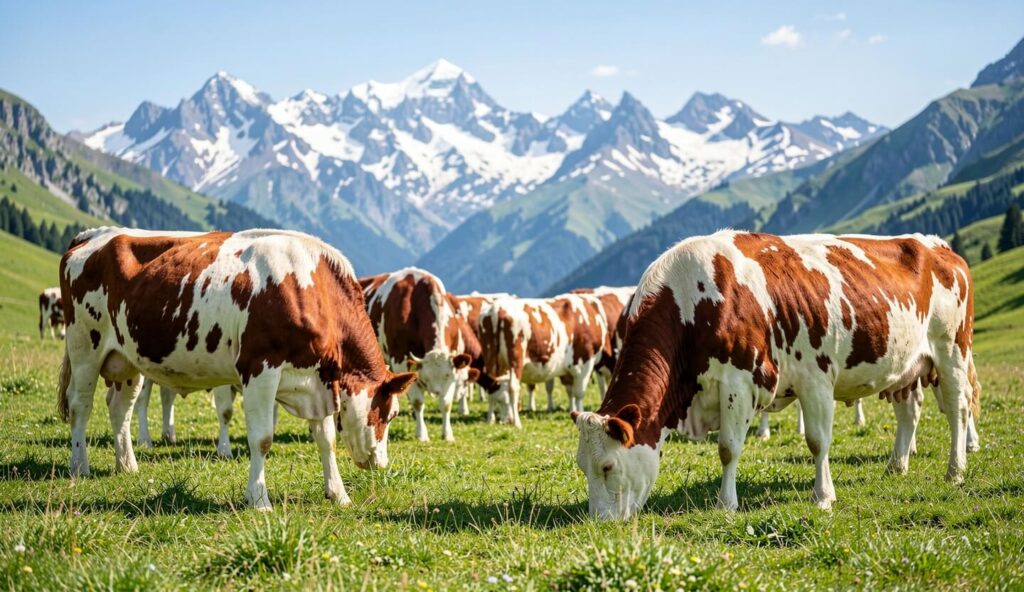
The breed was developed in the Pinzgau region of the Austrian Alps, where it was first recorded in the 17th century. Local farmers selectively bred these cattle to withstand cold winters, steep terrain, and sparse forage. Over centuries, Pinzgauer cattle became a cornerstone of alpine agriculture, valued for their resilience and versatility.
Why the Breed Is Unique
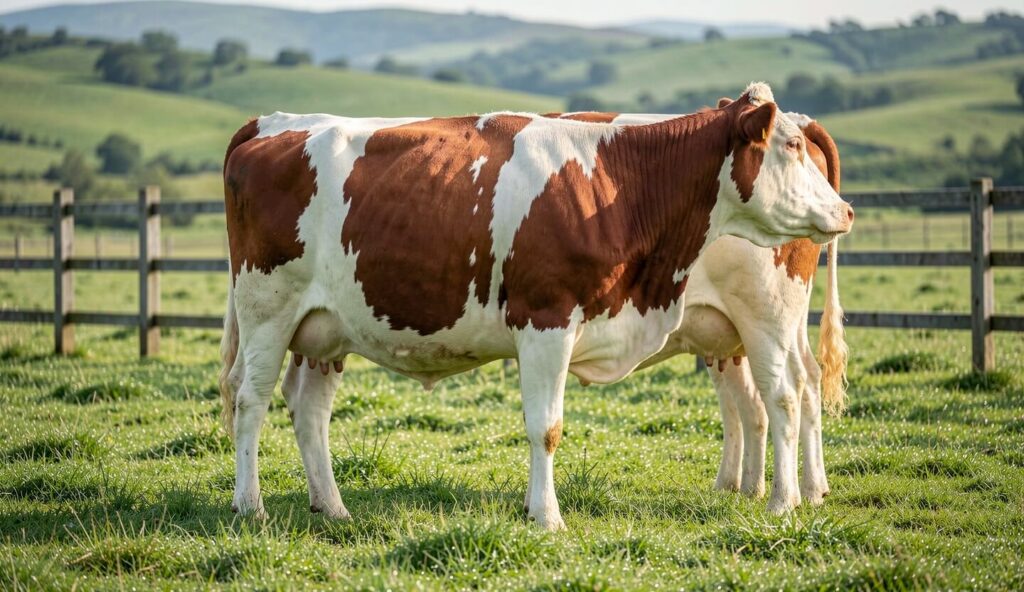
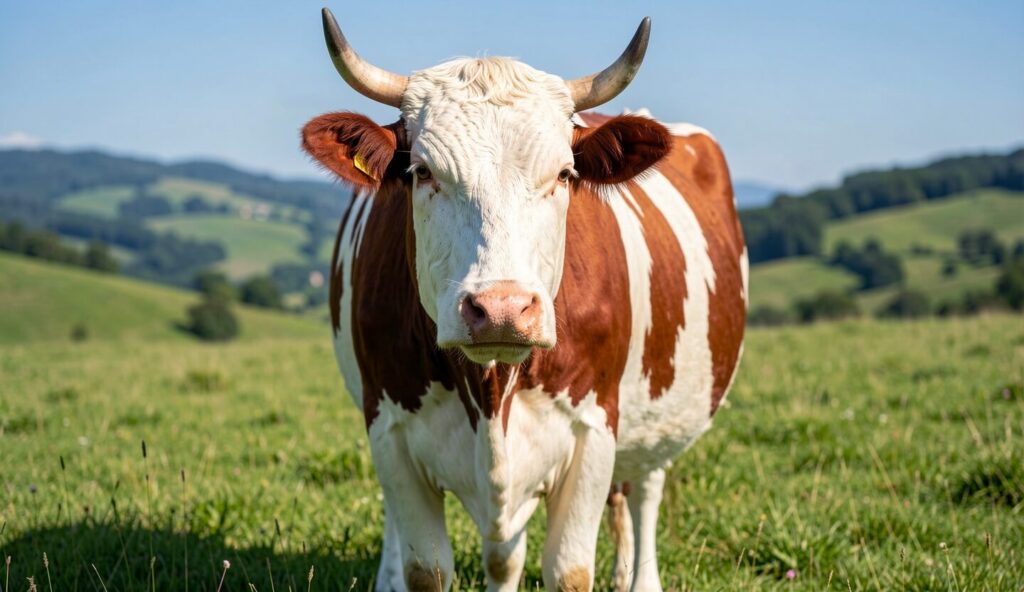
The most distinctive feature of Pinzgauer cattle is their rich red coat with a broad white stripe running from the poll to the tail head. They are known as a true dual-purpose breed, producing both generous milk yields and well-marbled beef. Their calm and docile temperament makes them a favorite among families and hobby farmers, even those new to cattle keeping.
Appearance and Physical Features
Pinzgauer cattle present a bold and memorable appearance that appeals to color-pattern enthusiasts. Their red and white markings are consistent across the breed, with variations in shade and extent of white.
Color Pattern and Markings
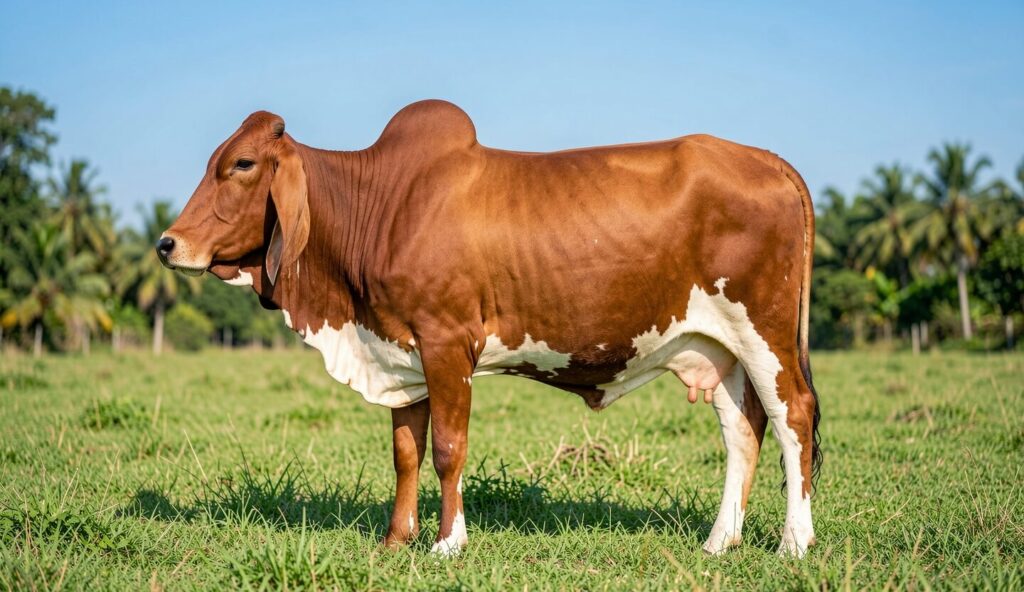
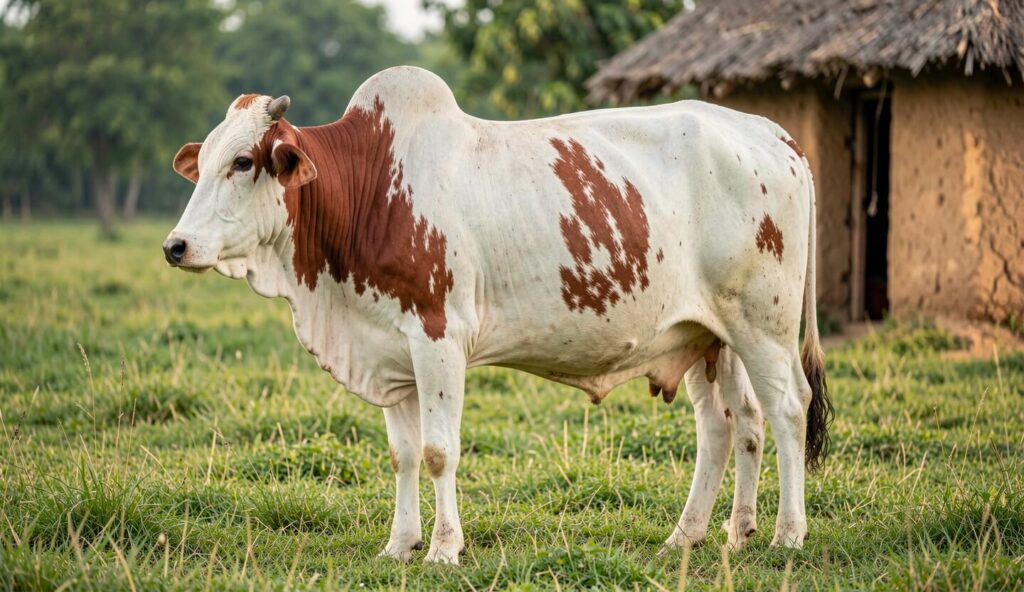
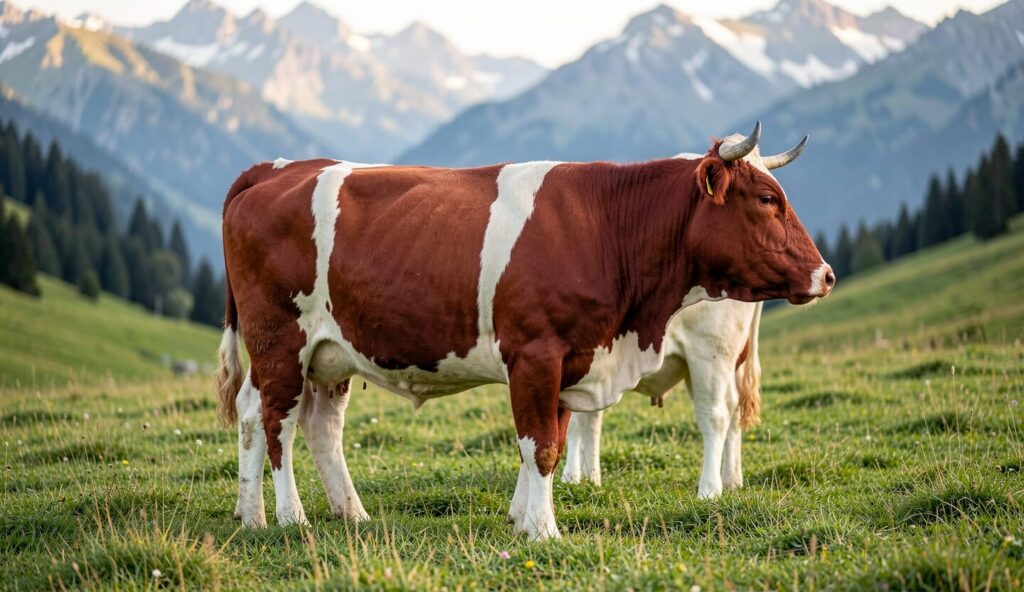
The base color is a rich red, ranging from light cherry to deep mahogany. A broad white stripe runs along the spine from the poll to the tail head, and white also appears on the underline, tail switch, and often the lower legs. This pattern is highly heritable and makes each animal instantly recognizable.
Body Structure
These cattle are medium to large, with a deep, muscular body built for both milk production and meat yield. Cows typically weigh 500–600 kilograms, while bulls reach 800–1,000 kilograms. Strong legs and well-formed hooves allow them to navigate rocky alpine pastures with ease.
Horns and Head
Both sexes are naturally horned, with horns that curve slightly outward and upward. The head is medium in length with a broad forehead and expressive, alert eyes. The overall facial expression reflects the breed’s calm and intelligent nature.
Temperament and Personality
Pinzgauer cattle are famous for their gentle and even-tempered disposition. This makes them a suitable choice for families, beginners, and anyone seeking a manageable pet cow.
Calm and Docile Nature
These animals are easy to handle even for novice cattle keepers. They rarely show aggression and are known to be good with children and other livestock. Many owners report that Pinzgauers enjoy human interaction and can become quite affectionate.
Intelligence and Trainability
Pinzgauer cattle are quick learners and respond well to routine handling. They can be trained for halter work, leading calmly to the milking parlor or through gates. Compared to many other alpine breeds, they are less flighty and more cooperative during veterinary procedures.
Care and Grooming Tips
Proper care ensures Pinzgauer cattle remain healthy and productive. Their hardy nature reduces some workload, but basic husbandry practices are still essential.
Housing and Shelter
These cattle need a clean, dry, draft-free barn or shelter for winter months and inclement weather. Bedding should be straw or wood shavings to provide cushion and absorb moisture. Access to a well-fenced pasture with shade trees or a shelter helps them regulate body temperature in summer.
Grooming Routine
Weekly brushing removes dirt, loose hair, and parasites while promoting a glossy coat. Hooves should be checked regularly and trimmed every six to eight weeks if the cattle are kept on soft ground. Clean the horns occasionally with a damp cloth to prevent dirt buildup.
Hoof Care and Health Checks
Trim hooves every six to eight weeks to prevent overgrowth and lameness. Inspect for cracks, signs of infection, or abnormal wear. Monitor gait daily for any limping, as early detection of foot issues avoids costly treatment.
Diet and Nutrition
Pinzgauer cattle have moderate nutritional needs that can be met with quality forage and targeted supplements. A balanced diet supports milk production, growth, and overall health.
Forage and Pasture
These cattle thrive on high-quality grass hay and lush pasture, especially the alpine grasses they evolved to digest. In winter, supplement with legume hay such as alfalfa to maintain protein levels. Rotational grazing helps preserve pasture quality and reduces parasite load.
Grain and Concentrates
Lactating cows typically receive two to four kilograms of grain daily to support milk production. Growing calves need a balanced starter feed that provides energy and protein for skeletal development. Dry cows should have minimal grain to prevent obesity and metabolic issues.
Minerals and Water
Free-choice mineral salt blocks should always be available. Fresh, clean water is critical for digestion and milk synthesis. Note that Pinzgauer cattle can be sensitive to excessive copper, so select mineral mixes formulated for their specific needs.
Common Health Issues
As an alpine breed, Pinzgauer cattle are naturally resilient but still require vigilant health management. Their strong immune system reduces many problems seen in less hardy breeds.
Alpine Adaptations and Resilience
These cattle have strong resistance to cold weather and respiratory diseases common among lowland breeds. When kept on a proper diet with adequate nutrition, they maintain a robust immune response. Their thick skin and dense coat provide natural insulation.
Common Problems to Watch For
Mastitis is a concern in dairy cows, so udder health should be checked regularly. Bloat can occur if cattle are introduced suddenly to rich pasture; gradual dietary changes prevent this. Foot rot develops in persistently wet conditions, so keep hooves dry and housing clean.
Veterinary Care and Vaccinations
Annual health examinations and vaccinations should follow local veterinary protocols. A deworming schedule tailored to pasture load keeps internal parasites under control. Work with a bovine veterinarian who understands the specific needs of Austrian cattle breeds.
Is a Pinzgauer Cattle Right for You
Pinzgauer cattle appeal to a wide range of owners, from alpine farmers to hobbyists seeking a beautiful pet cow. However, they are not suited to every situation.
Pros of Owning a Pinzgauer
- Excellent dual-purpose production of milk and meat.
- Calm temperament ideal for families and beginners.
- Hardy and low-maintenance in cold climates.
Challenges to Consider
- Require adequate pasture space for grazing and exercise.
- Not suited for very hot, humid environments.
- Limited availability outside of Europe, though some breeders in North America are expanding the gene pool.
For those considering a similar breed, the Red Poll cattle offer a polled alternative with comparable dual-purpose traits, while the White Park cattle provide an ancient British lineage. The Belted Galloway is another eye-catching breed with a striking color pattern, and the Irish Moiled is a rare dual-purpose breed from Ireland. Those in colder climates may also appreciate the Highland cattle for their similar hardiness.
Frequently Asked Questions
What is the average lifespan of a Pinzgauer cow?
Pinzgauer cattle typically live 12 to 15 years with proper care and management.
How much milk does a Pinzgauer cow produce daily?
A dairy-type Pinzgauer produces 15 to 20 liters per day during peak lactation.
Are Pinzgauer cattle good for beginners?
Yes, their calm temperament makes them suitable for newcomers if pasture and shelter are sufficient.
What is the origin of the Pinzgauer breed?
The breed originated in the Pinzgau region of the Austrian Alps and has been recorded since the 17th century.
Do Pinzgauer cattle have any special dietary needs?
They thrive on alpine grasses and require careful mineral balancing, especially regarding copper intake.
Can Pinzgauer cattle be kept as pets?
Yes, they make excellent pet cows due to their docile nature, but need space and companionship.
Final Note
Pinzgauer cattle offer a perfect blend of beauty, productivity, and gentle temperament for anyone able to provide adequate space and proper care. Whether kept for milk, meat, or simply as a stunning pet cow, this Austrian cattle breed rewards owners with reliable performance and easy handling.