What Is the White Park Cattle Breed
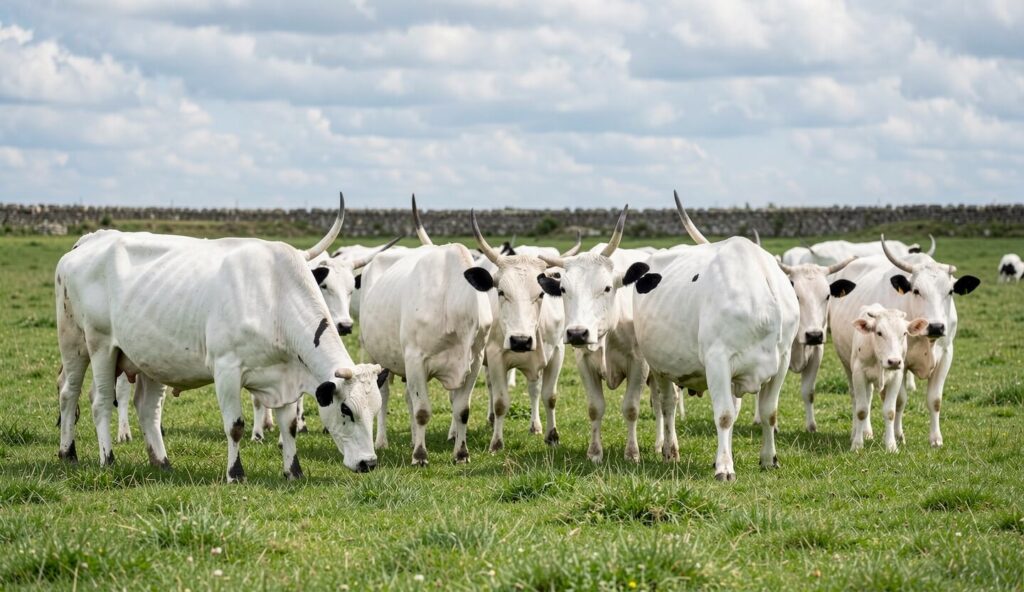
The White Park cattle breed is one of the oldest and most mysterious British breeds, with a history stretching back to ancient times. These cattle are instantly recognized by their pure white coat and contrasting black points on the ears, nose, hooves, eyelids, and teats. Unlike many modern beef breeds such as Hereford Cattle, White Park cattle retain ancient traits that connect them to wild ancestors. Heritage enthusiasts and conservationists value them for their hardiness and historical significance.
Origins in Ancient Britain
White Park cattle descend from wild white cattle that roamed Britain long before recorded history. Roman authors documented white herds, and medieval manuscripts mention them in royal enclosures. These cattle were preserved in isolated parks for centuries, avoiding crossbreeding with later introduced stock.
Why the Name White Park Cattle
The name comes from their most obvious feature: a pure white coat. Nobility kept these cattle in large enclosed parks for hunting and ornamental display. They are also called Park Cattle or Ancient White Cattle.
Appearance and Physical Features
White Park cattle possess a striking look that sets them apart from other breeds. Their white coat and black points are the hallmark, but the horns and body structure also define them. The white coat and black points distinguish them from other white cattle like the Charolais Cattle.
The White Coat and Black Points
The standard requires a pure white coat with black points on the ears, nose, hooves, eyelids, and teats. Any other color is considered a fault. This combination creates a dramatic, unmistakable appearance.
Horns and Body Structure
Both sexes carry long, upswept horns with black tips. The body is medium to large with a strong, deep frame. Cows weigh 500 to 600 kilograms, while bulls reach 800 to 1,000 kilograms.
Size and Growth Rate
White Park cattle mature slowly compared to commercial breeds. They reach full size at three to four years. This makes them ideal for extensive grazing systems rather than intensive finishing.
Temperament and Personality
These cattle are generally calm but retain an independent streak. Handlers who work with them regularly find them docile and cooperative.
Calm but Independent Nature
When handled regularly, White Park cattle show a docile temperament. They can be wary of strangers but are not aggressive unless provoked or protecting calves. Their independent nature suits conservation grazing where minimal intervention is preferred.
Hardiness and Adaptability
White Park cattle thrive on rough pasture and harsh weather conditions. They are excellent foragers and browsers, requiring minimal supplementary feed. This hardiness makes them a low-maintenance ancient cattle breed.
History and Mysterious Origins
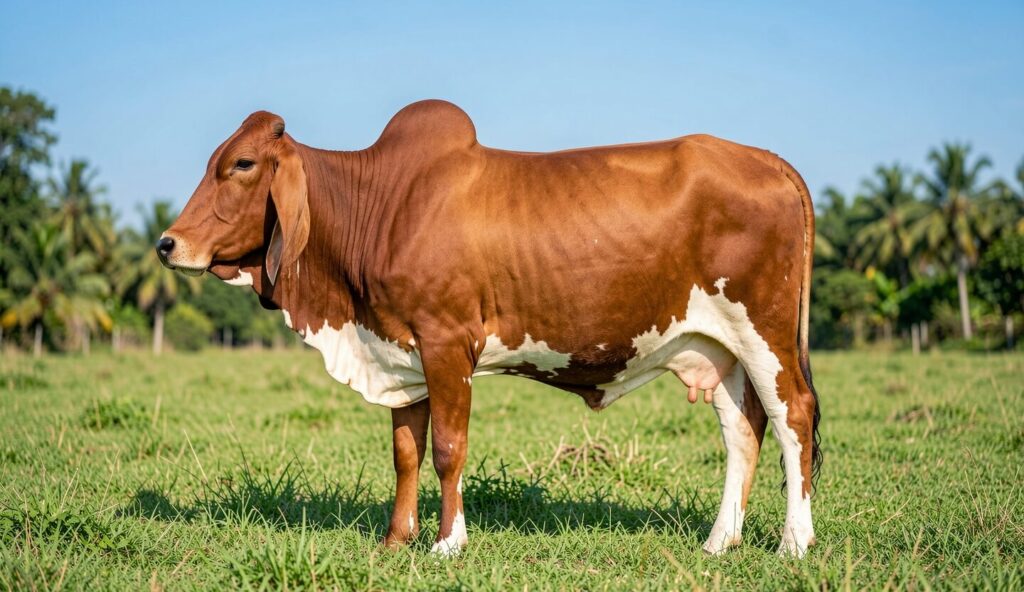
The history of White Park cattle is deeply mysterious, with connections to prehistoric wild cattle. DNA studies show they are distinct from modern breeds such as the Brahman Cow.
Links to Ancient Wild Cattle
Many researchers believe they descend from the extinct aurochs, the wild ancestor of domestic cattle. Genetic analysis confirms they are a genetically distinct British breed. Some theories suggest Celtic druids considered the white animals sacred.
Royal Parks and Preservation
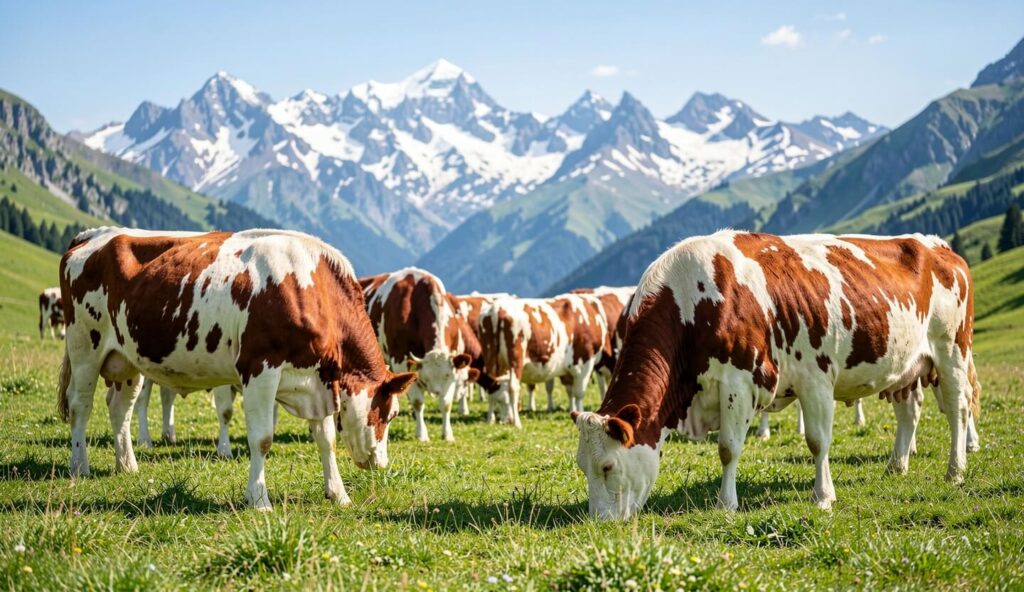
Nobility kept White Park cattle in deer parks for hunting and ornamental purposes. Isolated herds survived at places like Chillingham and Cadzow. Modern conservation efforts began in the 20th century to prevent extinction.
Conservation Status Today
The Rare Breeds Survival Trust lists White Park cattle as a rare breed. The global population is fewer than 2,000 animals. Breeding programs work to maintain genetic diversity and increase numbers.
Diet and Nutrition
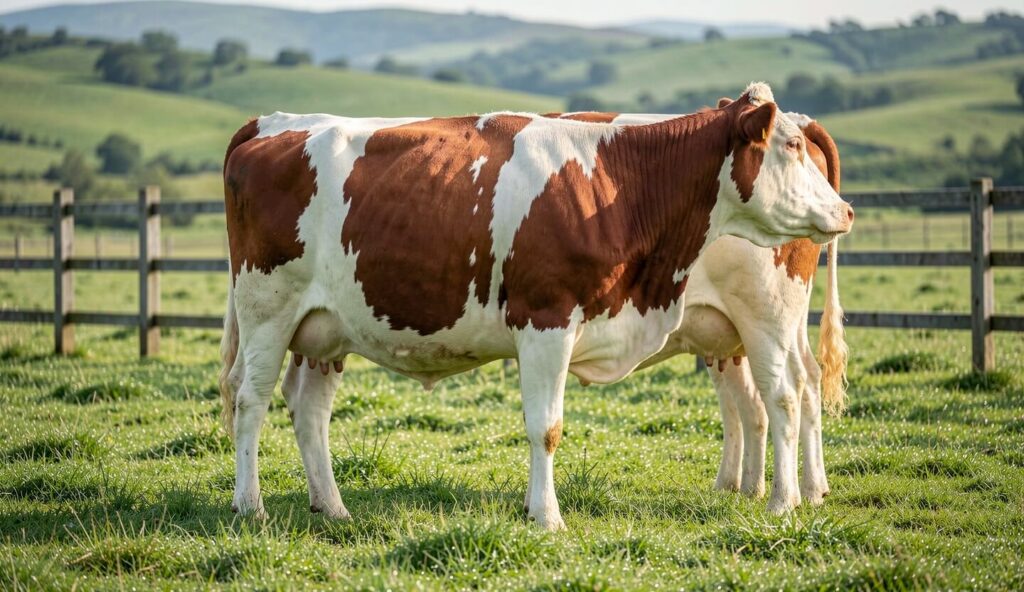
White Park cattle are efficient grazers that thrive on natural forage. Their grazing efficiency rivals that of the Brown Swiss Cow, another hardy breed.
Grazing Preferences
These cattle do well on grass and hay-based diets. They do not require grain or concentrate feeds. They can digest coarse, low-quality forage that other breeds might reject.
Seasonal Feeding Considerations
Winter supplementation with hay or silage may be needed if pasture is scarce. Mineral blocks provide essential trace elements. Adjust feeding during pregnancy and lactation periods.
Common Health Issues
White Park cattle are a robust rare breed with few genetic problems. They exhibit low incidence of calving difficulties and live 15 to 20 years under good conditions.
Hardy Breed with Few Genetic Problems
Their hardiness means they resist many common cattle diseases. Calving is usually straightforward. Lifespan can reach two decades in optimal settings.
Routine Health Care
Vaccinations for clostridial diseases and BVD are recommended. Regular hoof trimming and parasite control keep them healthy. Annual veterinary check-ups help monitor overall condition.
Is the White Park Cattle Right for You
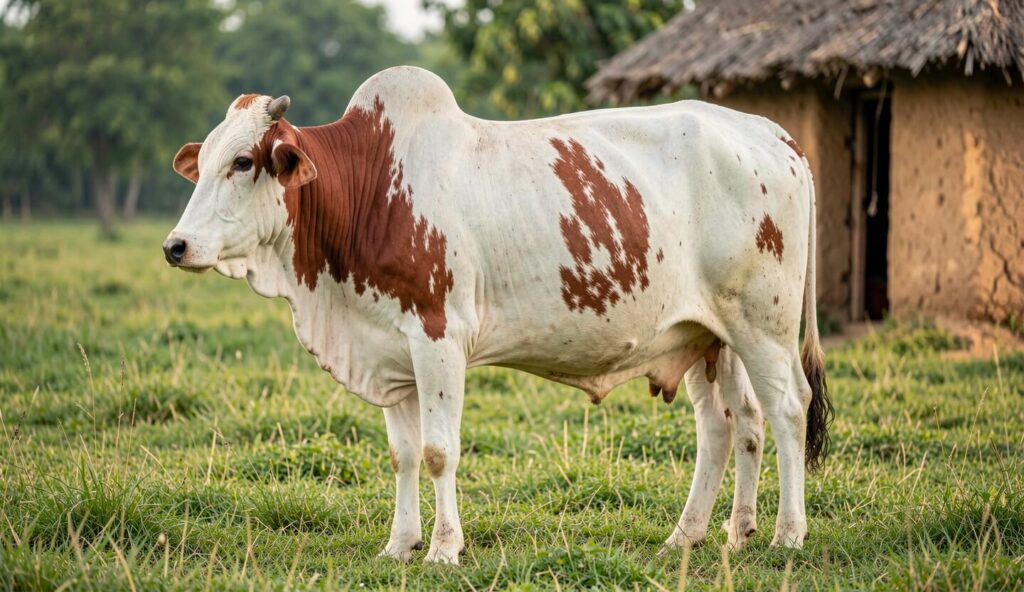
This breed suits owners who value heritage and low-input management. Smallholders often compare them to the Sahiwal Cow for low maintenance.
Suitable for Conservation Grazing
White Park cattle are ideal for rewilding projects and heritage farmland. Their low input costs attract smallholders. They are not suited for intensive beef production due to slow growth.
Space and Fencing Requirements
Each animal needs at least one to two acres of pasture. Strong fencing is required because of their long horns. Shelter from extreme weather should be available.
Experience Level and Time Commitment
Beginners with basic cattle knowledge can manage them. Daily checks are needed, but minimal hands-on work is required. Joining a breed society provides valuable support.
Frequently Asked Questions
What makes White Park cattle different from other white cattle breeds?
White Park cattle have unique black points on ears, nose, hooves, eyelids, and teats. They are genetically distinct and among the oldest British breeds.
Are White Park cattle good for milk production?
They are primarily a beef breed, not a dairy breed. Cows produce enough milk for calves but not for commercial quantities.
How rare are White Park cattle today?
They are listed as a rare breed with fewer than 2,000 animals worldwide. Conservation programs aim to increase their numbers.
Can White Park cattle be kept on small farms?
Yes, they are well-suited for smallholdings with adequate pasture. Each animal needs at least one to two acres.
Do White Park cattle have horns?
Yes, both bulls and cows have long upswept horns with black tips. Horns are a breed characteristic and are not removed.
Final Note
White Park cattle offer a unique combination of ancient heritage, striking appearance, and practical hardiness. For anyone interested in preserving a living piece of British history, this breed provides a rewarding conservation experience.