What Is an Irish Moiled
The Irish Moiled is a critically endangered dual-purpose cattle breed native to Ireland. This rare breed stands out for its distinctive red and white color-sided pattern and excellent mothering ability. Irish Moiled cattle produce rich milk and tender beef, making them suitable for small Irish farms and rare breed conservators. As a domestic pet or working animal, they offer a combination of hardiness and gentle temperament.
Origin and Conservation Status
The Irish Moiled originated in the northern and western counties of Ireland, where it was historically kept for both milk and meat. By the mid-20th century, commercial breeds pushed this Irish cattle variety to the brink of extinction. Today, the Irish Moiled is listed as critically endangered by the Rare Breeds Survival Trust, with fewer than 500 breeding females remaining worldwide. Conservation breeding programs are essential to preserve this genetic heritage.
Appearance and Physical Features
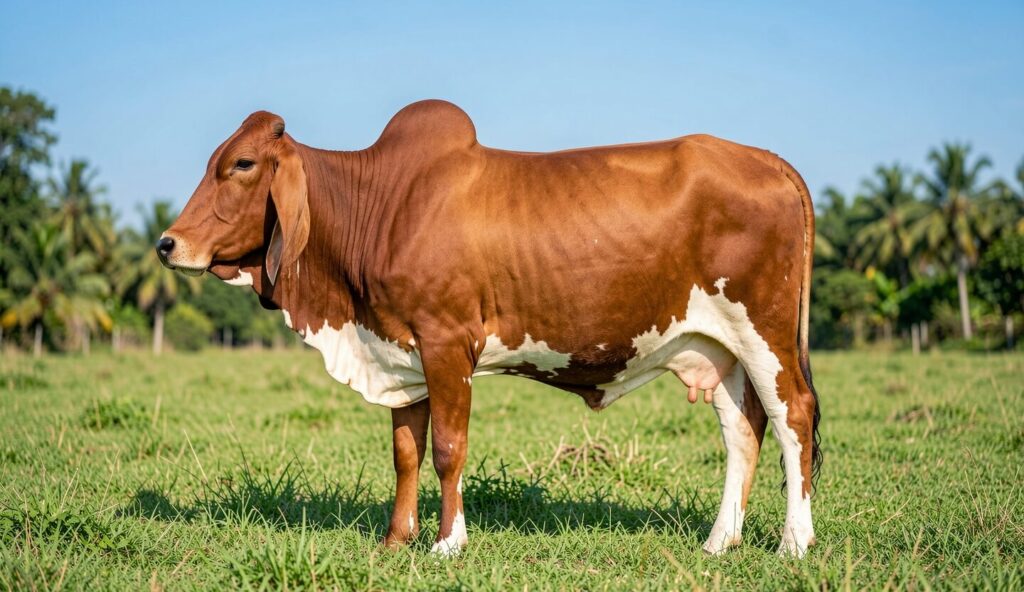
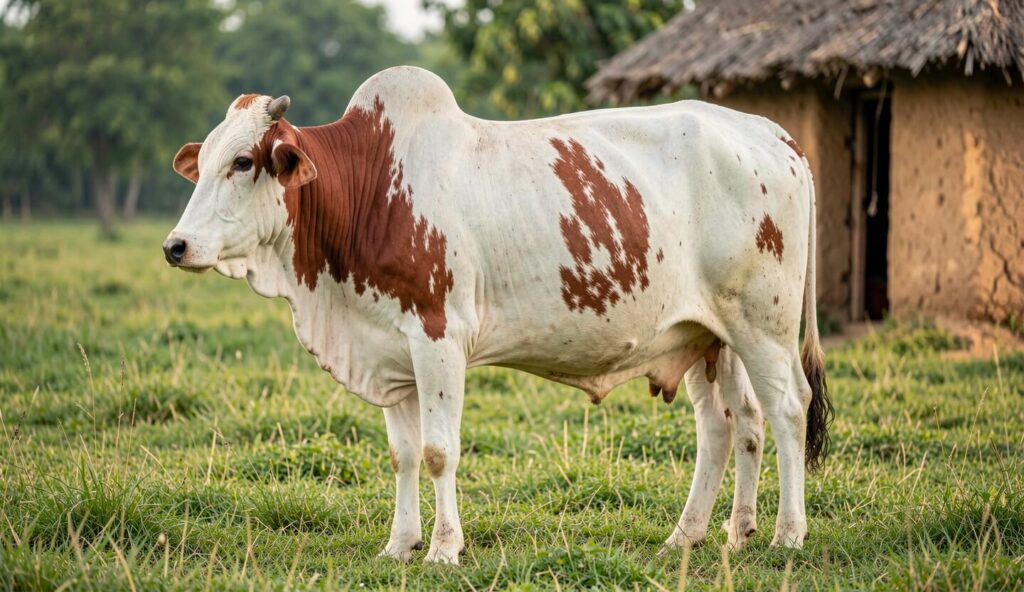
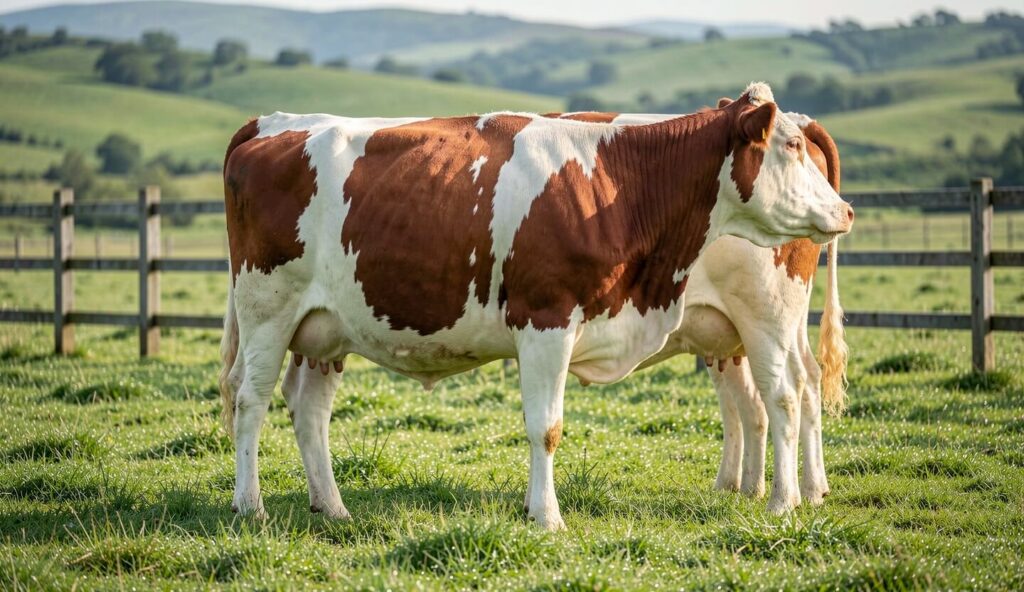
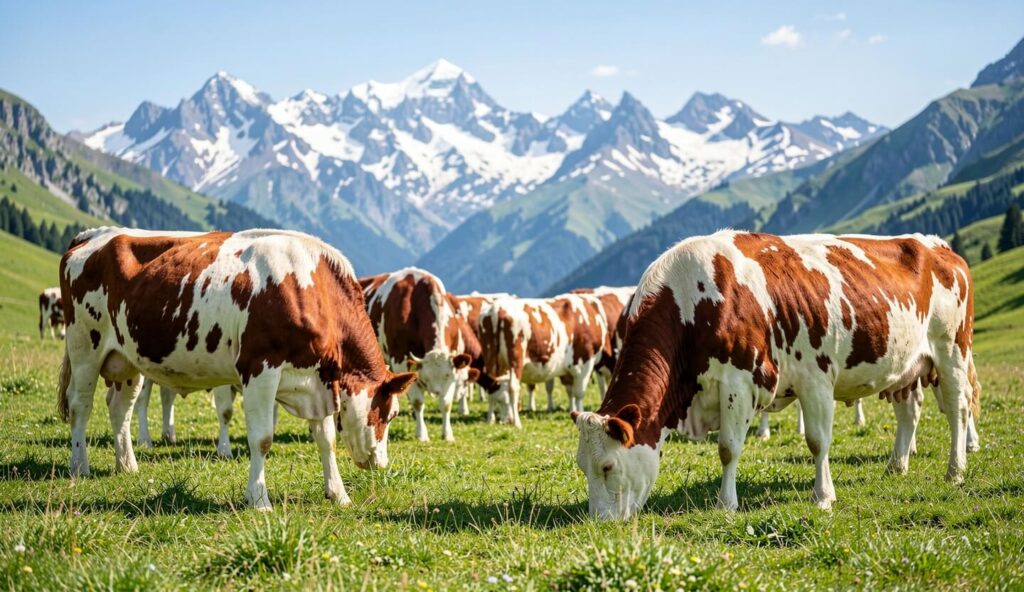
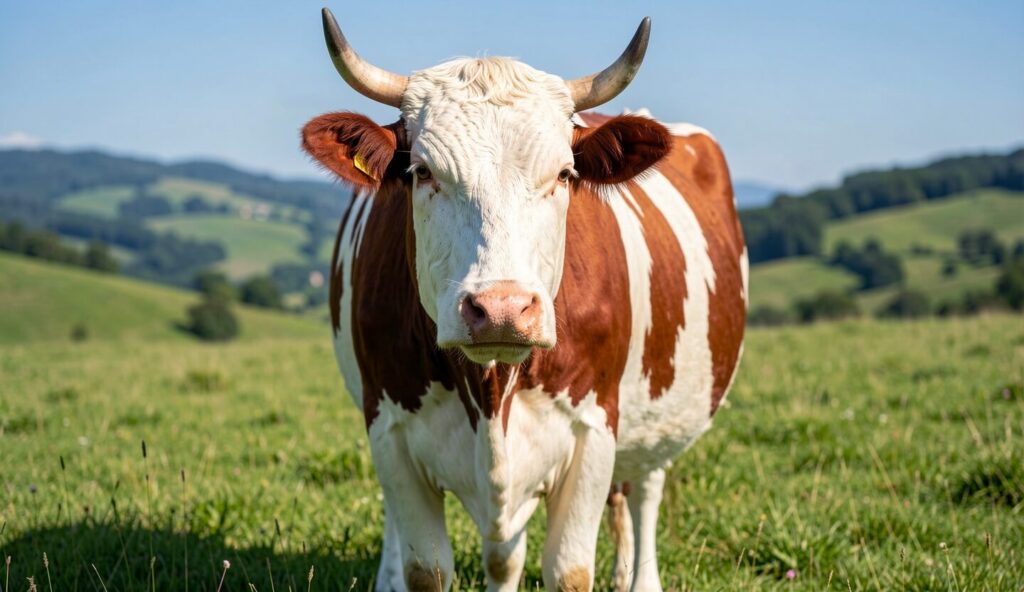
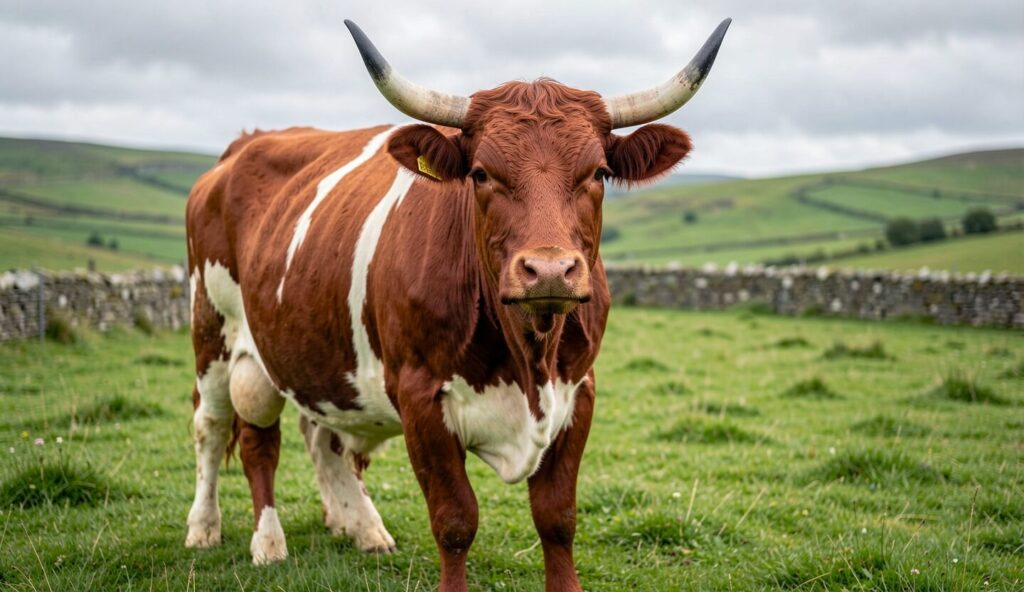
The Irish Moiled has a robust, medium-sized frame that reflects its dual-purpose heritage. Its most striking feature is the red and white coat pattern, which is consistent across the breed. Both sexes carry upward-curving horns, adding to their traditional cattle look.
Coat Color and Pattern
The coat is predominantly red with a white stripe running along the spine from the shoulders to the tail. White also appears on the belly, lower legs, and sometimes the face. This color-sided or line-backed pattern is a breed hallmark and immediately identifies an Irish Moiled. The coat is thick and dense, providing insulation during cold, wet Irish winters.
Size and Weight
Irish Moiled cattle are medium-sized compared to modern commercial breeds. Cows typically weigh 450 to 550 kg, while bulls range from 650 to 800 kg. Shoulder height measures approximately 125 to 135 cm. This smaller stature makes them easier to handle and less intimidating for first-time cattle owners or those with limited facilities.
Horns and Head
Both male and female Irish Moiled have upward-curving horns that are white with black tips. The head is broad with a gentle, calm expression. Their eyes are dark and alert, and the muzzle is wide. The overall appearance is one of strength without aggression.
Temperament and Personality
The Irish Moiled is known for its calm, docile nature and strong maternal instincts. Cows are attentive mothers that protect their calves without being aggressive toward humans. This gentle disposition makes the breed well-suited for small farms, hobby farms, and even first-time cattle keepers. Their quiet temperament also simplifies handling during vet checks or milking.
Behavior Around Humans and Other Animals
Irish Moiled cattle are not flighty and respond well to consistent, kind handling. They can coexist peacefully with other livestock, such as sheep or horses, when given adequate space. Their social nature means they thrive in small herds rather than solitary confinement. For families looking for a domestic pet with utility, the Irish Moiled offers a rewarding experience.
Milk Production and Meat Quality
As a dual-purpose breed, Irish Moiled cattle provide both quality milk and beef. Their milk is exceptionally rich, and the meat is well-marbled with excellent flavor. These attributes make them valuable for homesteaders and artisan producers.
Milk Yield and Composition
An Irish Moiled cow produces an average of 3,000 to 4,000 litres of milk per lactation. The milk fat content ranges from 4.5% to 5.5%, making it ideal for butter, cheese, and yogurt production. The high butterfat gives a creamy texture that surpasses many commercial breeds. This rich milk is a key reason why the breed was historically prized on small Irish farms.
Beef Characteristics
The beef from Irish Moiled cattle is tender with good marbling, even when finished on grass. Carcass weights are moderate, but the meat is flavorful and suitable for grass-fed finishing systems. This efficiency on forage lowers feed costs for the keeper. Many conservation-minded butchers now source Irish Moiled beef as a specialty product.
Housing and Fencing Requirements
Proper housing and fencing are essential for keeping Irish Moiled safe and comfortable. While hardy, they benefit from basic shelter and secure boundaries. Planning ahead prevents common problems associated with cattle husbandry.
Shelter Needs
A three-sided shelter or a well-ventilated barn with dry bedding provides protection from wind and rain during winter. Irish Moiled cattle tolerate cold well but need a dry area to rest. Adequate ventilation is important to reduce the risk of respiratory issues. Ensure the shelter is large enough for all animals to lie down without crowding.
Fencing Specifications
Sturdy post-and-rail or wire fencing at least 1.2 metres high is recommended for Irish Moiled cattle. Electric fencing works well for rotational grazing and can help manage pasture use. Secure gates with strong latches to prevent escapes. Like other rare breeds, they are not known for jumping, but bull calves can test weak fences, so regular inspection is wise.
Feeding and Nutrition
Irish Moiled cattle are efficient converters of grass and forage. Their diet should mirror their dual-purpose function, with adjustments for growth, lactation, and maintenance. Proper nutrition supports milk production, beef quality, and overall health.
Pasture and Grazing
These cattle thrive on good-quality pasture during the growing season. Rotate paddocks regularly to maintain grass quality and reduce parasite load. Avoid overgrazing, which can lead to soil compaction and weed problems. For smallholders, rotational grazing mimics the breed’s historic heritage.
Winter Feeding and Supplements
During winter, feed high-quality hay or silage as the primary roughage source. Provide mineral licks that contain trace elements like copper and selenium, which may be deficient in local forages. Dry cows require only moderate energy intake, while lactating cows need additional concentrates to support milk yield. Fresh water must always be available, especially during warm weather.
Common Health Issues
The Irish Moiled is a hardy breed with few breed-specific diseases, but standard cattle health concerns still apply. Regular veterinary care and good management keep these animals robust. Early detection of problems leads to better outcomes.
Key Health Concerns to Monitor
- Internal parasites such as gut worms, controlled by rotational grazing and anthelmintics.
- External parasites like lice and mites, particularly in crowded housing conditions.
- Lameness from foot rot or overgrown hooves, preventable with regular trimming and dry footing.
- Metabolic issues like milk fever in high-lactating cows, managed by balanced mineral intake.
- Respiratory infections due to poor ventilation, avoided by adequate airflow in shelters.
Routine vaccination against clostridial diseases and bovine viral diarrhea is recommended. Because the breed is rare, work with a veterinarian familiar with rare breed care.
Is the Irish Moiled Right for You
The Irish Moiled suits those who value conservation, dual-purpose production, and docile animals. Its smaller size and calm temper make it accessible for beginners and families. However, it requires commitment to breeding programs and access to appropriate grazing land.
Suitability for Different Owners
For rare breed conservators, the Irish Moiled is a priority breed needing dedicated breeders. Small farm owners will appreciate its efficient grass conversion and rich milk. Those seeking a domestic pet that also provides food will find this breed rewarding. Like Dexter cattle, the Irish Moiled fits well into limited acreage while offering productivity. For colder regions, Highland cattle provide another hardy option, but the Irish Moiled’s red and white coat and maternal qualities are unique. If you admire the color-sided pattern, the Belted Galloway offers a similar striking look with different utility. The compact size of Lowline cattle also appeals to small-space keepers, but the Irish Moiled brings dairy capability.
Frequently Asked Questions
Are Irish Moiled cattle a rare breed?
Yes, the Irish Moiled is listed as critically endangered by the Rare Breeds Survival Trust. Fewer than 500 breeding females remain in the world.
How much milk does an Irish Moiled cow produce?
An Irish Moiled cow produces around 3,000 to 4,000 litres of milk per lactation. The milk is high in butterfat and ideal for dairy products.
Are Irish Moiled cattle good for beginners?
Yes, their calm temperament and hardiness make them suitable for first-time cattle keepers. Smaller size compared to commercial breeds is an advantage for handling.
What color patterns do Irish Moiled cattle have?
They have a distinctive red body with a white stripe along the back and white on the belly and legs. The pattern is known as color-sided or line-backed.
Do Irish Moiled cattle need special fencing?
Sturdy post and rail or wire fencing at least 1.2 metres high is recommended. Electric fencing works well for rotational grazing systems.
What is the lifespan of an Irish Moiled cow?
Irish Moiled cows can live 15 to 20 years with proper care. They are known for longevity and productive breeding years.
Final Note
The Irish Moiled is a living piece of Irish agricultural history that deserves dedicated stewardship. With proper care, these red and white cattle will thrive on small farms and bring both practical benefits and conservation satisfaction.