What Is the Welsh Black Cattle
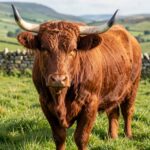
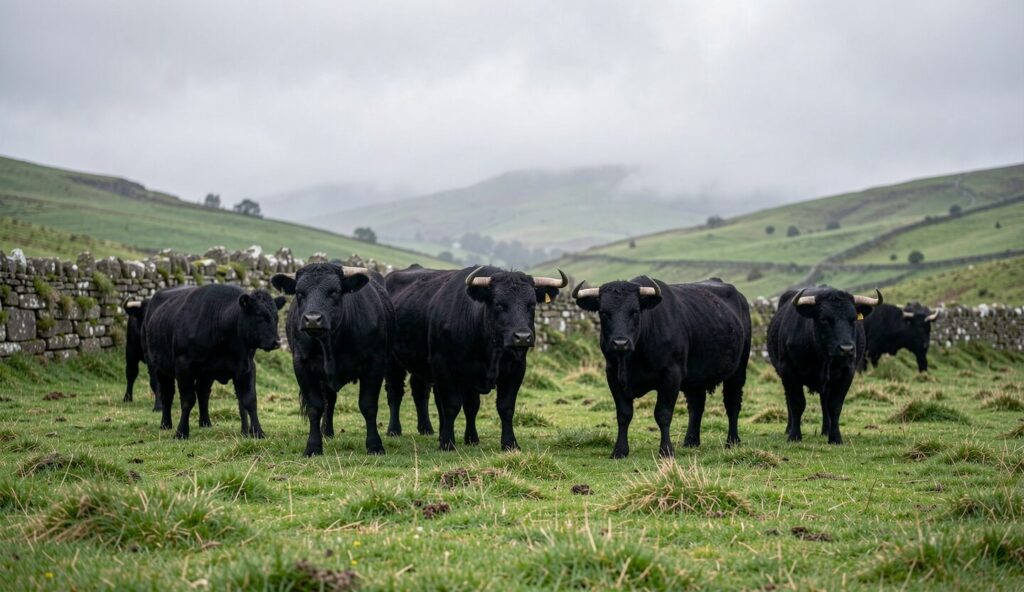
Welsh Black cattle are a hardy, dual-purpose breed that originated in the rugged hills of Wales. These black cattle have been raised for centuries on poor grazing and harsh weather, making them one of the most resilient British breeds. Smallholders and upland farmers value them for their low-maintenance nature and excellent beef quality.
Origins in the Hills of Wales
The breed developed from ancient Celtic cattle that roamed the Welsh uplands long before recorded history. Farmers selectively bred these animals for survival on sparse forage and exposure to rain and wind. Over time, the Welsh Black became a cornerstone of traditional hill farming in Wales.
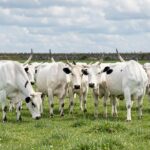
Similar ancient British breeds include the White Park cattle, which also have a long history of thriving in challenging environments. Welsh Blacks share that same rugged independence.
Appearance and Physical Traits
Welsh Black cattle are easily identified by their solid black coat, though some individuals show a red genetic base. The breed’s thick, coarse hair provides excellent insulation against cold and wet conditions. A small patch of white may appear on the udder or tail switch, but this is minimal.
Coat Color and Texture
- Solid black coat is dominant; red or white patches are rare and not preferred
- Thick, coarse hair protects from rain, wind, and snow
- Some lines carry a red gene but the exterior remains black
The coat’s density allows these cattle to stay outdoors year-round, a trait shared with Highland cattle, which are also known for their shaggy winter coats.
Size and Build
- Cows weigh 500–600 kg, while bulls reach 800–1000 kg
- Strong legs and deep chest suit mountain terrain
- Both horned and polled (naturally hornless) varieties exist
Their medium-to-large frame carries muscle efficiently without requiring rich feed. This build makes them ideal for conservation grazing on rough pastures.
Temperament and Disposition
Welsh Black cattle are generally calm and docile, making them suitable for keepers of all experience levels. Cows are protective mothers but not aggressive toward humans. Bulls, however, require confident handling due to their territorial nature.
Docile but Independent
- Even-tempered when raised with regular, gentle handling
- Maternal instincts are strong but manageable
- Bulls can be dominant and need secure fencing and experienced care
This balanced temperament makes them a favorite among families seeking a pet beef animal. They are less flighty than some commercial beef breeds.
Raising Welsh Black Cattle for Beef
The breed produces premium beef with fine marbling and a rich, distinct flavor. Because they grow slowly on forage, the meat develops excellent texture and taste. Farmers finish them at 24–30 months for top-quality carcasses.
Meat Quality and Marbling
- Beef is prized by artisan butchers for its robust flavor
- Grass-fed finishing yields a good fat-to-lean ratio
- Grain finishing can be used but is not required
Comparable marbling can be seen in the Beefalo breed, which also combines hardiness with exceptional meat quality.
Finishing Period
- Typically finished on hill pastures without grain supplement
- Carcass has good fat cover that protects against cold
- Slow growth is offset by lower feed costs
This low-input system suits smallholders who want to produce beef sustainably.
Welsh Black Cattle as Pets or Conservation Grazers
Many owners keep Welsh Blacks as outdoor cow companions or for conservation grazing. Their calm nature and modest requirements make them excellent for smallholdings.
Why They Make Good Pet Beef Animals
- Manageable size for a family farm
- Require less supplementary feed than commercial breeds
- Long-lived and easy to breed
The Belted Galloway shares a similar dual-purpose reputation, though the Welsh Black is more suited to wetter, hillier ground.
Conservation Grazing Benefits
- Thrive on rough, unimproved pasture without extra inputs
- Help maintain biodiversity by grazing coarse grasses
- Low impact on delicate upland ecosystems
Their ability to survive on poor forage makes them invaluable for managing nature reserves and historic landscapes.
Housing and Fencing Needs
Welsh Black cattle are true outdoor animals and need only basic shelter. A three-sided windbreak or open barn suffices for extreme weather. Their thick coat eliminates the need for heated housing.
Outdoor Living and Shelter
- Prefer to live outside year-round
- Shade is essential during summer heat
- A dry lying area protects against foot issues
Fencing Recommendations
- Strong stock fencing or post-and-rail is ideal
- Electric fencing works for rotational grazing
- Bulls require especially robust fencing to prevent escapes
This breed does not challenge fences unnecessarily, but secure boundaries are still important, especially when housing bulls.
Diet and Nutrition
Welsh Blacks are efficient foragers that thrive on a grass-based diet. They can utilize poor-quality forage better than most continental breeds, reducing the need for expensive supplements.
Forage-Based Diet
- Primary diet of grass, hay, and haylage
- Mineral blocks and salt licks should always be available
- Can be grazed on rough hill pasture without additional feed
Like the Lowline cattle, they convert forage into beef with remarkable efficiency.
Feeding for Different Stages
- Lactating cows need extra energy and protein
- Growing calves may benefit from creep feeding on sparse pasture
- Bulls on maintenance require little grain
Adjusting feed based on season and workload keeps the herd healthy without overfeeding.
Health and Hardiness
Welsh Black cattle are one of the hardiest breeds in the UK, with strong immunity to internal parasites and good hoof structure. Veterinary interventions are rare for well-managed herds.
Natural Resistance to Parasites
- Stronger resistance to worms than many continental breeds
- Less prone to foot rot due to good hoof conformation
- Minimum need for chemical dewormers
This natural resilience reduces ongoing costs and labor, making them ideal for low-input systems.
Common Health Concerns
- Bloat can occur if cattle overeat lush legume-rich pasture
- Eye cancer risk in older, lightly pigmented animals (rare)
- Calving difficulties are rare due to moderate birth weights
Regular monitoring and basic husbandry keep most issues at bay. Compared to high-maintenance breeds, the Welsh Black demands very little veterinary attention.
Is the Welsh Black Cattle Right for You
This breed suits those who want a self-sufficient, hardy animal for beef, pet keeping, or conservation work. It is not designed for intensive feedlot systems but excels where low input is the goal.
Best for Low-Input Systems
- Ideal for smallholders who want a self-sufficient beef animal
- Good choice for conservation-focused farms
- Not suitable for intensive feedlot operations
Many new owners find the breed’s easygoing nature a perfect match for their first cattle experience. With proper handling, even beginners can succeed.
Experience Level Needed
- Suitable for beginners with basic cattle handling skills
- Bulls require confident, experienced management
- Cows are easy calvers and excellent mothers
If you have handled cattle before, the Welsh Black will be a rewarding addition to your land.
Frequently Asked Questions
Are Welsh Black cattle good for beginners?
Yes, they are calm and low-maintenance, making them suitable for novice keepers with basic cattle handling skills. Their hardiness reduces the need for intensive care.
How much land do Welsh Black cattle need?
A pair of Welsh Blacks can thrive on 2–5 acres of decent pasture, but hill ground may require more. They are efficient grazers and can manage on poorer forage.
Can Welsh Black cattle live outdoors all year?
Yes, they are bred for outdoor living and only need shelter from extreme wind or wet conditions. Their thick coat protects them in winter.
What is the average lifespan of a Welsh Black cow?
They often live 15–20 years, with many cows still breeding well into their teens. Their longevity is a sign of their hardiness.
Do Welsh Black cattle have horns?
Some lines are horned, but polled (naturally hornless) strains are now common and easier to manage. Both types are accepted in breed standards.
How does Welsh Black beef compare to other breeds?
It is prized for its rich, marbled meat with a robust flavor, often preferred by artisan butchers. The beef is typically grass-fed and has a good fat-to-lean ratio.
Final Note
Welsh Black cattle offer a practical, low-stress option for anyone seeking a hardy, productive breed. Their ability to thrive on rough pastures and produce excellent beef makes them a valuable asset for smallholders and conservationists alike.