What Is a Red Poll Cattle
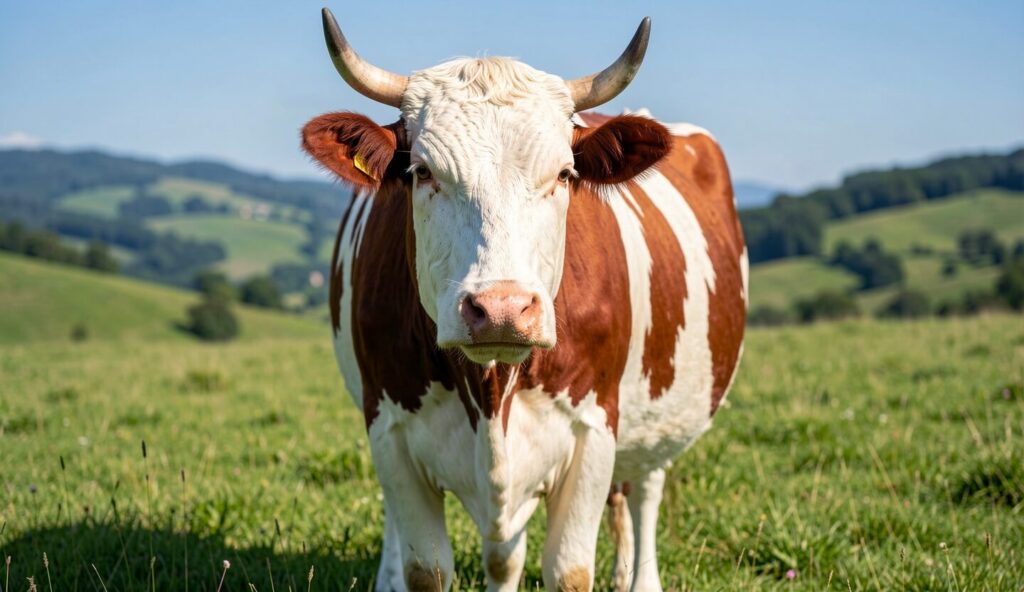
Red Poll cattle are a naturally polled dual-purpose breed developed in England from Norfolk and Suffolk cattle. This red cattle breed is known for its docile temperament and suitability as a pet cow for small farms and families. Beginner cattle keepers often choose this polled breed for its easy handling and gentle nature.
Origin and History of the Red Poll Breed
The Red Poll originated in eastern England, primarily in Norfolk and Suffolk counties. Farmers combined Norfolk Red and Suffolk Dun cattle to create an animal that produced milk and beef without horns. The breed was officially recognized in the 19th century and has since been valued for its hardiness and calm disposition. Like the Irish Moiled, another rare dual-purpose breed, the Red Poll was developed for both milk and meat.
Why Red Poll Cattle Are Naturally Polled
Being naturally polled means these cattle never grow horns. This genetic advantage removes the need for dehorning, a stressful and painful procedure. It also reduces injury risk to handlers, other cattle, and the animals themselves. For beginner cattle keepers, this polled breed offers a safer and more manageable option.
Appearance and Physical Features of Red Poll Cattle
Coat Color and Body Shape
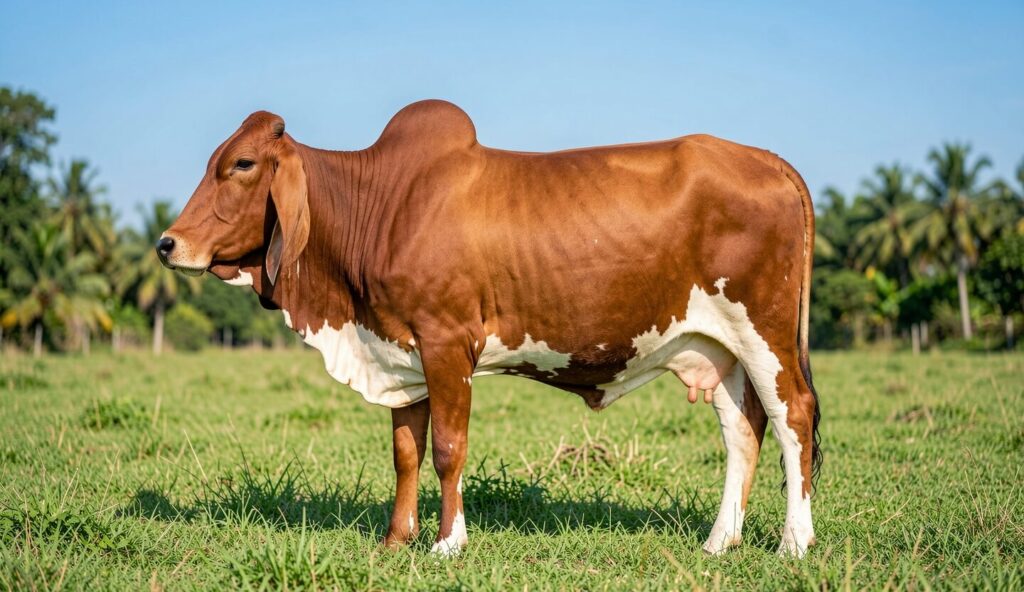
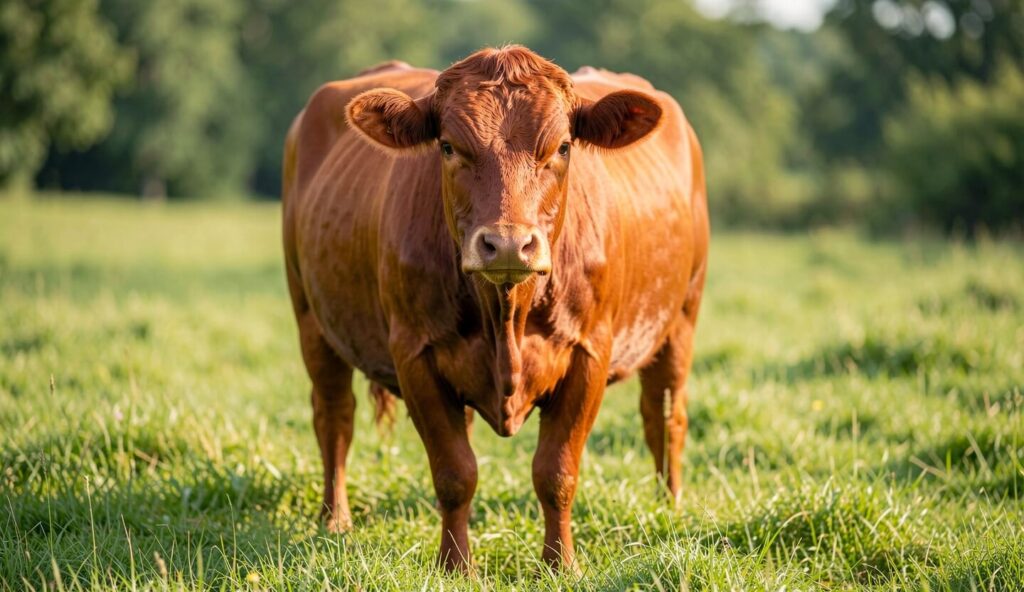
Red Poll cattle have a solid red coat that ranges from light strawberry to deep mahogany. The medium frame features a deep, well-muscled body suitable for beef production. Key physical traits include:
- Solid red coat with no white markings
- Short, hornless head with a broad forehead
- Deep chest and well-spring ribs
- Straight top line and strong legs
Adult Size and Weight
Cows typically weigh between 1,000 and 1,200 pounds. Bulls range from 1,600 to 1,800 pounds. Height at the shoulder measures approximately 50 to 55 inches for both sexes. This moderate size makes them manageable for small farms, though larger than miniature options.
Temperament and Personality of Red Poll Cattle
Docile Behavior Ideal for Families
Red Poll cattle are among the most docile of all cattle breeds. They rarely show aggression toward humans and tolerate handling well, even by children. Their calm nature makes them excellent pets for families. Compared to the hardier Highland cattle, which are more independent, Red Polls are people-oriented and easy to work with.
Social and Herd Dynamics
These cattle prefer small groups or pairs and bond closely with owners when raised from a calf. They show low aggression toward other livestock, including sheep and horses. A single cow kept as a pet needs companionship from another bovine or frequent human interaction.
Exercise Requirements for Red Poll Cattle
Pasture Space and Grazing
Red Poll cattle need at least one to two acres of pasture per animal for grazing. Daily access to fresh grass or high-quality hay is essential for health. Moderate exercise from grazing keeps them at a healthy weight and prevents obesity.
Supplemental Enrichment
Provide mineral licks and clean, fresh water at all times. Shelter from extreme heat, cold, and wind is necessary. Gentle walks on a halter or companion play with other cattle count as enrichment.
Training Your Red Poll Cow
Halter Training and Leading
Start halter training at the calf stage for best results. Use positive reinforcement such as grain or gentle scratches to build trust. Short daily sessions produce a cooperative adult who leads quietly.
Basic Commands and Handling
Teach voice cues for moving forward, stopping, and turning. Regular grooming helps desensitize the animal to touch, making veterinary checks easier. Consistency and patience produce a calm, trained pet cow.
Grooming and Care Tips for Red Poll Cattle
Coat Care and Brushing
Brush the coat weekly to remove loose hair, dirt, and debris. Check for ticks and skin irritation during grooming. Use a soft brush on sensitive areas like the face and legs.
Hoof Trimming and Health Checks
Hooves need trimming every six to eight months to prevent overgrowth and lameness. Inspect eyes, ears, and udder regularly for signs of infection. Keep the living area clean and dry to reduce parasite loads.
Diet and Nutrition for Red Poll Cattle
Forage and Hay Basics
High-quality pasture grass should form the bulk of their diet. In winter, replace grass with grass hay or alfalfa as needed. Provide salt and mineral blocks free-choice to meet micronutrient requirements. Compared to larger breeds like Charolais Cattle, Red Polls have lower feed costs.
Grain and Protein Needs
Grain is not necessary for maintenance animals kept as pets. Lactating cows may require additional protein to support milk production. Avoid overfeeding grain to prevent ruminal acidosis and obesity.
Common Health Issues in Red Poll Cattle
Parasite and Disease Prevention
Vaccinate against common cattle diseases like blackleg and bovine viral diarrhea. Deworm regularly based on local vet recommendations. Watch for pinkeye and foot rot in wet conditions. Like the Beefalo breed, Red Polls are generally hardy but need routine care.
Lifespan and Senior Care
Red Poll cattle have an average lifespan of 15 to 20 years. Older cows may need softer feed or joint supplementation. Annual vet checkups catch age-related issues early.
Is a Red Poll Cow Right for You
Pros of Keeping Red Poll Cattle as Pets
The gentle temperament and natural polled head make handling safe for beginners. Their dual-purpose ability provides milk and meat if desired. They are efficient grazers and require less grain than larger breeds. For those with limited space, smaller options like Dexter cattle are available, but Red Polls remain moderate-sized and manageable.
Considerations Before Getting One
Adequate pasture and shelter are necessities. The long-term commitment of 15 to 20 years requires planning. Daily care and social interaction are essential for their well-being.
Frequently Asked Questions
Are Red Poll cattle good for beginners?
Yes, their calm temperament and naturally polled head make them ideal for first-time owners. They require less intensive training than horned breeds.
How much space does a Red Poll cow need?
A single cow needs at least one acre of pasture plus a shelter. More space is recommended for multiple animals.
Do Red Poll cattle produce milk for home use?
Yes, they are a dual-purpose breed and provide moderate, butterfat-rich milk. This milk works well for butter and cheese making.
What is the average lifespan of a Red Poll cow?
Red Poll cattle typically live 15 to 20 years with proper care. Many remain productive into their teens.
Are Red Poll cattle aggressive toward other animals?
No, they are generally gentle and get along with other livestock. Bulls can be protective during breeding season but are manageable.
How often do Red Poll cattle need to be brushed?
Weekly brushing is sufficient for coat health. During shedding season, more frequent brushing helps remove loose hair.