What Is a Devon Cattle
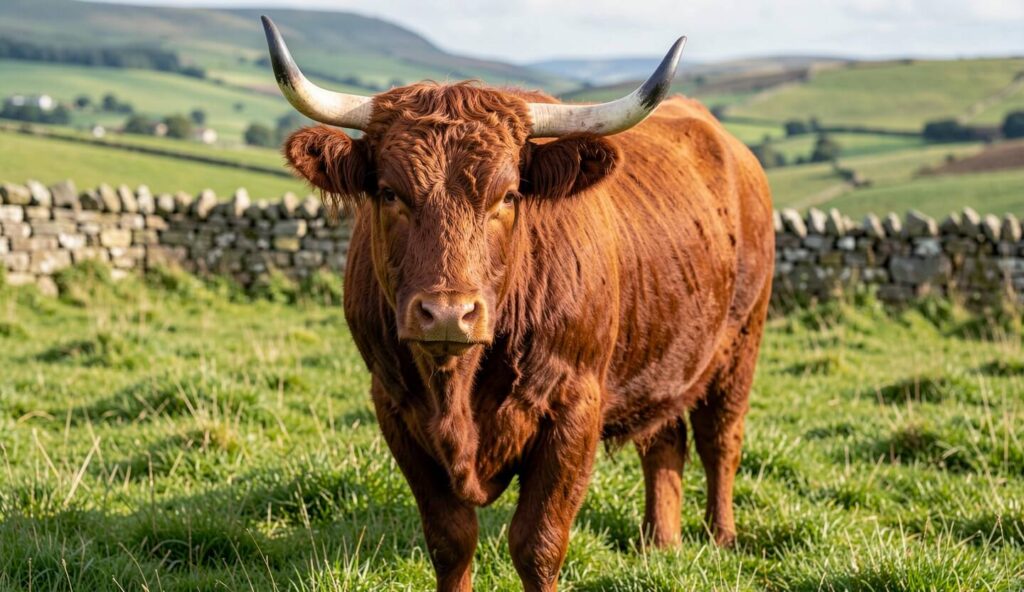
Devon cattle, also known as the Ruby Red Devon, are a hardy beef breed originating in Devon and Cornwall in South West England. These English cattle have a rich, deep red coat and a docile disposition. The breed suits small farms, heritage conservation, and premium beef production.
Origin and History of the Breed
Devon cattle are one of the oldest English beef breeds, with records dating to the 18th century. They were developed on the poor upland pastures of Devon and Cornwall, where they thrived on rough grazing. The breed shares its hardy heritage with other British cattle like Welsh Black cattle, which also originated in rugged terrain.
Why They Are Called Ruby Red Devon
The name Ruby Red Devon comes from the breed’s deep mahogany coat, which resembles a ruby gemstone. This distinctive red shade sets them apart from other red cattle breeds. In heritage circles, the terms Devon cattle and Ruby Red Devon are used interchangeably.
Appearance And Physical Features
Size and Weight
Mature bulls weigh between 900 and 1,100 kilograms. Cows range from 500 to 700 kilograms. This medium-framed breed has strong bone structure and good muscling.
Coat and Color
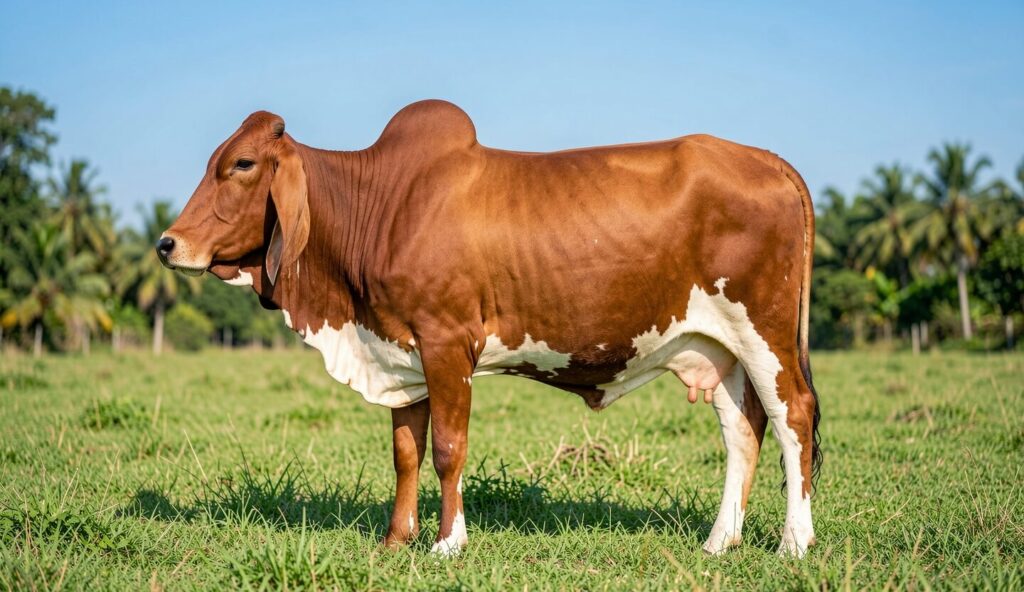
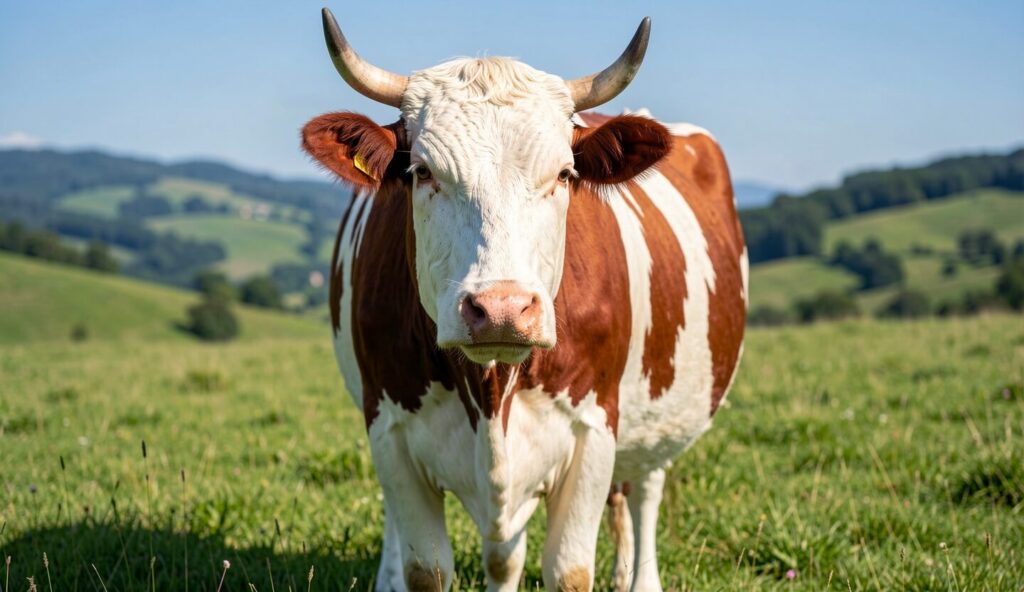
The solid deep red coat has no white markings. Short, fine hair provides good heat tolerance. Pigmented black skin around the eyes and muzzle protects against sunburn.
Distinctive Head and Horns
A broad forehead and short, wide muzzle characterize the head. Horns are white with black tips and curve outward and upward. Polled (hornless) lines are available in some registries.
Temperament And Personality
Docile and Easy to Handle
Devon cattle are known for their calm, gentle temperament. They are easier to manage than many other beef breeds. This makes them a good choice for small farms and beginner cattle keepers. Similar docile traits appear in Dexter cattle, another breed favored by novice owners.
Hardy and Adaptable Nature
The breed thrives on rough grazing and marginal land. Its weather-resistant coat suits wet English winters. Strong maternal instincts lead to excellent calf rearing.
Raising Devon Cattle For Beef
Beef Quality and Flavor
Devon beef is marbled, tender, and rich in flavor. The breed performs well in grass-fed finishing systems. Premium markets prize Ruby Red beef, just as butchers value Hereford Cattle for their beef quality.
Growth Rate and Carcass Yield
Growth rate is moderate, but the breed is efficient on forage. High dressing percentages and good muscle development result in excellent carcasses. These grade well in official beef grading schemes.
Breeding and Calving Ease
Cows calve easily with minimal assistance. Fertility and longevity are high in breeding herds. Calves are vigorous and grow quickly.
Care And Management
Pasture and Shelter Needs
Good quality pasture with clean water is essential. Hedgerow shelter or a simple field shelter protects them in winter. Rotational grazing helps maintain grass quality.
Handling and Fencing
The docile temperament reduces the need for heavy handling facilities. Sturdy fences are necessary to contain horned animals. Regular health checks and hoof trimming are recommended.
Seasonal Considerations
Winter feeding requires hay or silage when grass is scarce. Summer shade and fly control are important in hot weather. Cows need extra feed during late pregnancy. Other hardy breeds like Irish Moiled also require similar seasonal management.
Diet And Nutrition
Forage-Based Diet
Devon cattle eat primarily grass and hay, with free-choice minerals. They are good foragers and can thrive on less productive land. Supplement with protein blocks if pasture quality is low.
Supplemental Feeding
Stocker calves may need grain concentrate for even growth. Breeding cows benefit from pre-calving mineral boluses. Avoid overfeeding to prevent obesity.
Common Health Issues
Parasite Control
Internal parasites include roundworms and lungworm. External parasites include lice and ticks. Regular fecal testing and strategic deworming keep them healthy.
Foot and Leg Problems
Lameness can result from overgrown hooves or foot rot. Schedule hoof trimming every six to twelve months. Provide dry standing areas to reduce infections.
Reproductive Health
Vaccinate against leptospirosis and BVD. Monitor for retained placenta after calving. Cows generally have few fertility issues.
Preventative Vaccinations
Clostridial vaccines for blackleg and tetanus are recommended. IBR and BVD vaccines protect breeding stock. Consult a veterinarian for local disease risks. The longevity of Devon cattle parallels that of ancient breeds like White Park cattle, which also require rigorous health management.
Is Devon Cattle Right For You
Ideal Situations for Devon Cattle
These animals fit small farms with grass-based systems. They suit heritage breed conservation projects. Beef producers targeting premium markets will appreciate the Ruby Red’s qualities.
Considerations Before Getting Devon Cattle
Adequate land for year-round grazing is essential. Initial cost can be higher than for modern beef breeds. Horned animals require careful handling.
Frequently Asked Questions
What is the difference between Devon cattle and Ruby Red Devon?
The terms are used interchangeably. Ruby Red Devon is a marketing name that emphasizes the rich red coat. Both refer to the same breed from South West England.
Are Devon cattle good for beginners?
Yes, their docile temperament makes them suitable for novice keepers. They are hardy and require less intensive management than some breeds.
How much land do Devon cattle need?
One cow-calf pair needs about two to three acres of good pasture. Less productive land may require more acreage per animal.
What is the average lifespan of Devon cattle?
They can live 15 to 20 years with proper care. Productive breeding life often extends 10 to 12 years.
Can Devon cattle be kept as pets?
Yes, their calm nature makes them good companion animals. However, they are large animals that need space and proper fencing.
What is the best diet for Devon cattle?
Grass or hay as the foundation, plus free-choice minerals. Supplement with grain only when needed for growing calves or winter.
Final Note
Devon cattle offer a unique combination of beauty, docility, and beef quality. Whether you keep them for heritage conservation or premium meat, the Ruby Red Devon is a rewarding breed to own.