What Is a Sussex Cattle
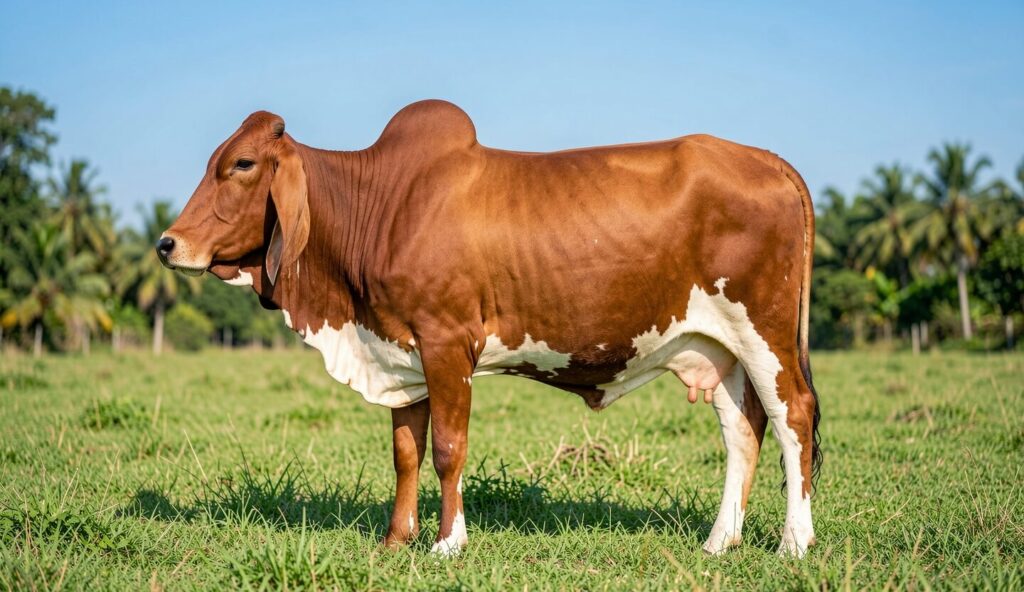
Sussex cattle are one of the oldest English cattle breeds, originating in the Weald of Sussex and Kent. This red breed has been documented since the 18th century, with ancestors possibly used by Roman farmers. Known for exceptional hardiness and a docile temperament, Sussex cattle thrive on poor grazing and produce high-quality beef.
Origin and History of Sussex Cattle
The history of Sussex cattle stretches back hundreds of years. These cattle were bred primarily for beef and draft work, valued for their thriftiness on marginal land. By the mid-20th century, numbers declined sharply as modern breeds gained popularity. Heritage breeders revived the population, and today they are listed as a rare breed by the Rare Breeds Survival Trust.
Like the White Park cattle, Sussex cattle have a deep connection to ancient British farming. Their ability to convert rough forage into tender meat made them indispensable to smallholders.
Why Sussex Cattle Stand Out
Their rich red coat with a white tail switch is instantly recognizable. Sussex cattle possess remarkable hardiness, thriving on sparse grazing where other breeds would struggle. Their calm, docile nature makes handling straightforward for beginners and experienced keepers alike. The beef quality is outstanding, with fine marbling and a rich flavor prized by grass-fed markets.
Appearance and Physical Features
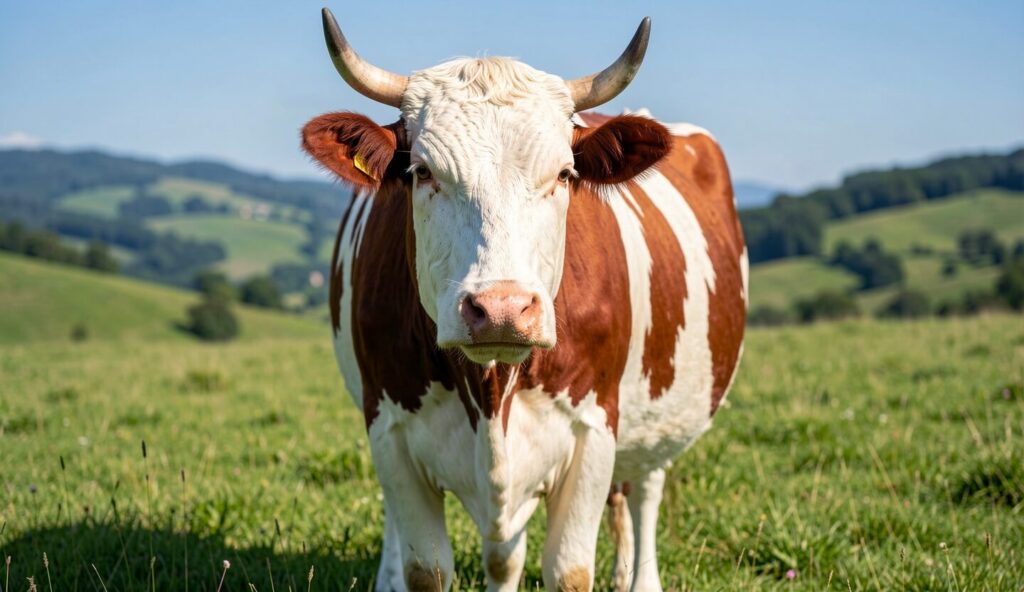
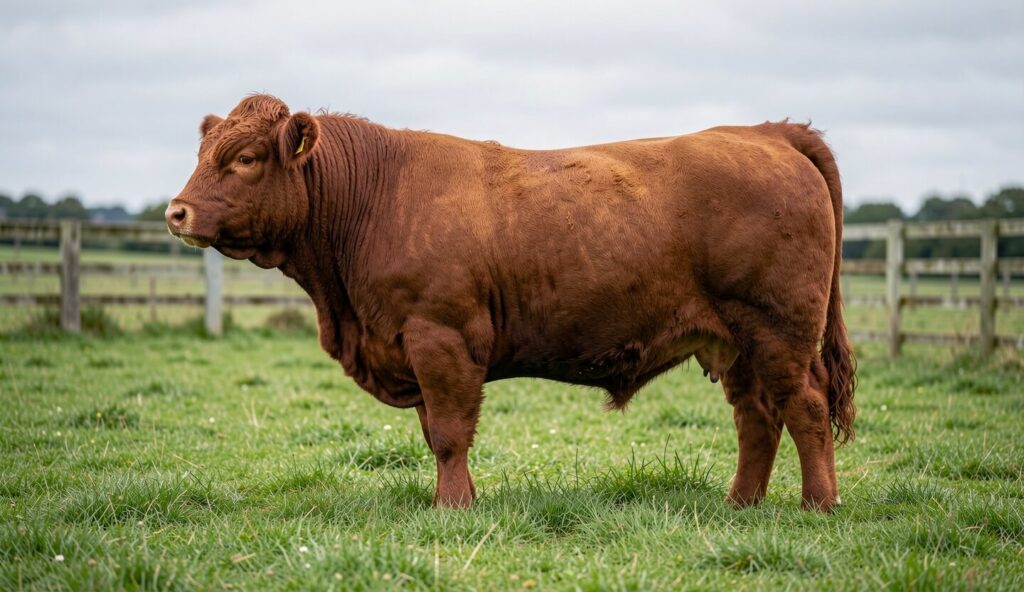
Sussex cattle present a sturdy, well-proportioned frame with a consistent deep red color. The breed standard calls for a solid red coat, though small white spots on the underline are occasionally accepted. The white switch on the tail remains a hallmark.
Coat Color and Markings
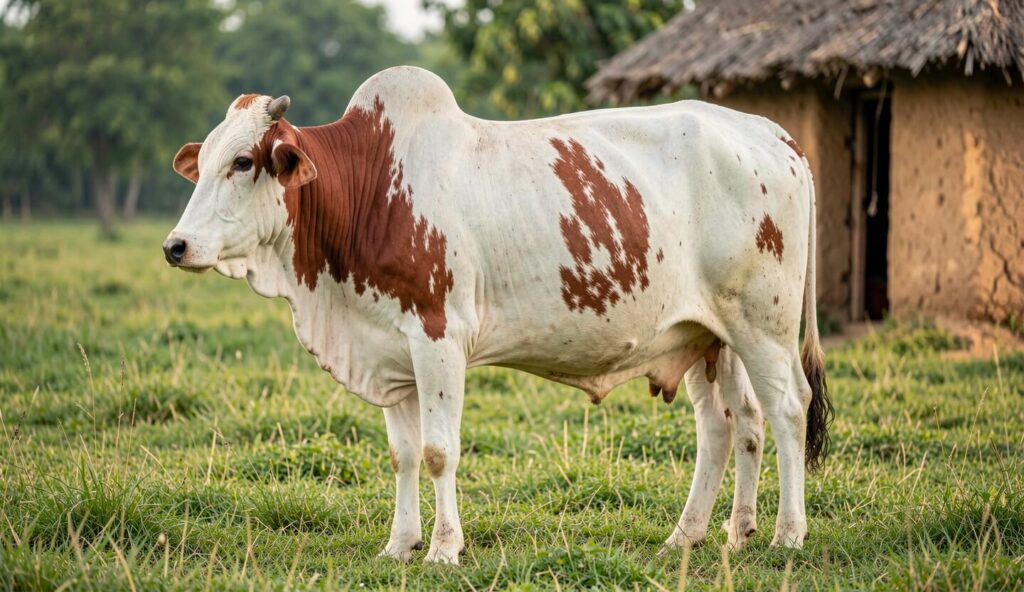
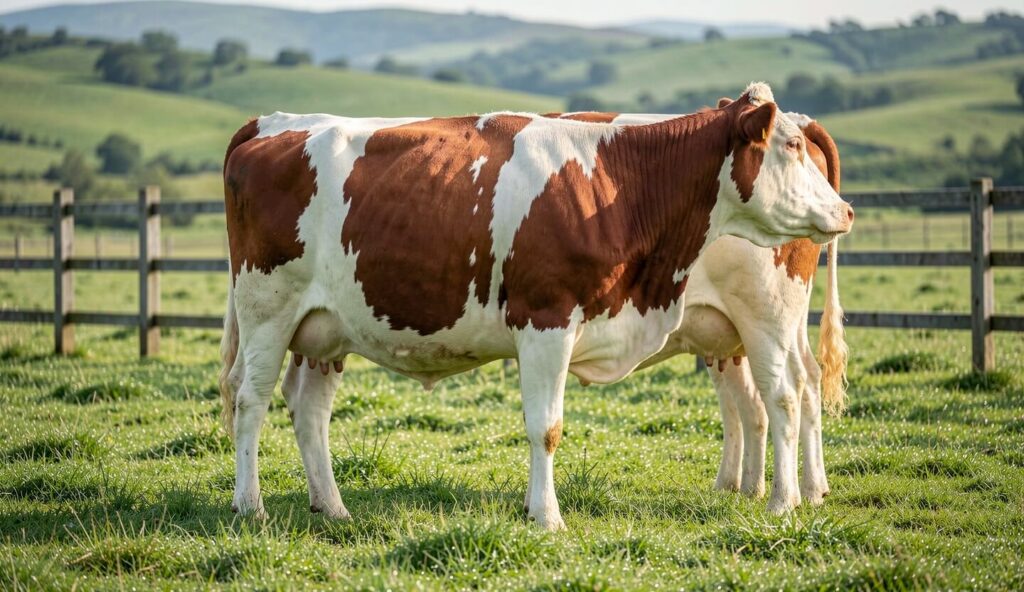
The coat ranges from cherry red to dark mahogany. Unlike many modern red breeds, Sussex cattle have no white markings on the body. The white tail switch is the only required white area, though some animals show a small white patch on the udder or scrotum.
Size and Build
Bulls weigh between 900 and 1,200 kilograms; cows range from 550 to 750 kilograms. They have a deep, wide body with strong legs and good bone structure. Height at the shoulder reaches 140–150 cm in bulls and 130–140 cm in cows.
Head and Horns
The head is broad with a calm expression and prominent eyes. Both sexes carry horns that curve upward and outward. Ears are medium-sized and alert, contributing to the breed’s attentive appearance.
Temperament and Personality
Sussex cattle are celebrated for their even-tempered disposition. Cows exhibit strong maternal instincts and attentive calf care. Bulls remain generally manageable but demand proper handling and respect.
Docility and Handling
Their calm nature reduces stress during routine management. Halter training is straightforward, making them suitable for show or draft work. The breed’s docility also appeals to heritage livestock keepers who value ease of handling.
Herding and Social Behavior
These cattle are social animals that thrive in a stable herd hierarchy. They coexist well with other livestock, such as sheep or horses. Providing consistent group dynamics helps minimize stress and promotes healthy growth.
Grazing and Exercise Needs
Sussex cattle are efficient grazers that perform well on low-quality pasture. Adequate space and rotational grazing support their health and reduce parasite loads.
Pasture Requirements
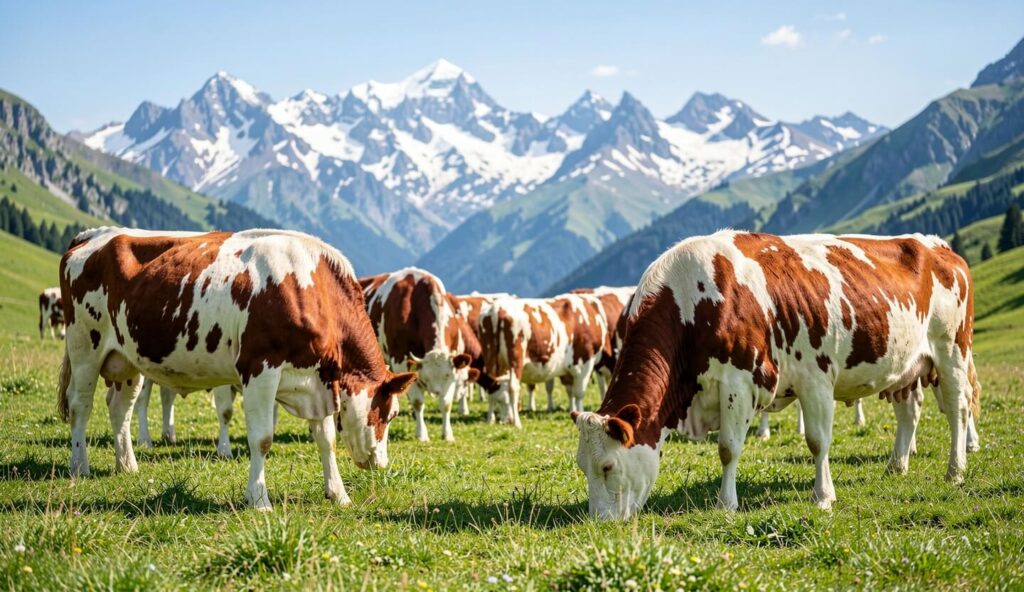
Each adult cow needs at least one to two acres of pasture for rotational grazing. Access to fresh water and shade is essential. These cattle are well suited to marginal land, similar to the hardy Welsh Black cattle that thrive on rough hillsides.
Daily Exercise
Free-range grazing provides natural exercise. If confined, a large paddock allows movement. Regular walking maintains muscle tone and hoof integrity.
Handling and Training
Proper handling techniques build trust and safety. Start training early for animals intended for show or frequent human contact.
Basic Handling Techniques
Calm, consistent movements help cattle accept handling. Cattle chutes and head gates simplify veterinary procedures. Positive reinforcement during halter training yields reliable results.
Working with Bulls
Never turn your back on a bull. Maintain escape routes and use a bull pole for leading. Secure, reinforced fencing is mandatory for bull enclosures.
Grooming and Basic Care
Routine grooming keeps the coat healthy and allows early detection of skin issues. Hoof care and parasite control form the foundation of preventive health.
Coat Grooming
Brush the coat weekly with a curry comb and stiff brush. Increase frequency during shedding season. Bathing is rarely needed except for show preparation.
Hoof Care
Trim hooves every six to eight months. Inspect daily for cracks or signs of rot. Provide dry pasture or hard surfaces to maintain hoof health.
Parasite Control
Implement a deworming schedule based on fecal tests. Use fly tags or sprays for external parasites. Rotate pastures to break parasite cycles, a practice also recommended for Dexter cattle on small farms.
Diet and Nutrition
Sussex cattle are efficient converters of forage to meat. A diet based on high-quality grass or hay meets most nutritional needs. Supplement only when necessary.
Forage and Pasture
Good pasture or hay forms the foundation. They thrive on grass alone, finishing well for grass-fed beef. Winter feeding may include silage or haylage.
Supplements and Concentrates
Provide mineral licks with salt, calcium, and trace elements. Growing calves or lactating cows may need protein concentrates. Avoid overfeeding grain to maintain natural growth rates.
Water Requirements
Clean, fresh water must be available at all times. An adult cow drinks 30–50 litres daily. Increase supply during hot weather.
Common Health Issues in Sussex Cattle
Sussex cattle are generally robust but face typical bovine health challenges. Preventive care reduces the risk of serious problems.
Parasitic Infections
Internal parasites like roundworms and flukes affect pasture-fed cattle. External parasites include ticks, lice, and flies. Regular deworming and pasture rotation minimize these risks.
Bloat and Digestive Issues
Sussex cattle are less prone to bloat than some breeds, but sudden access to lush legumes can trigger it. Provide hay before turnout and avoid abrupt diet changes.
Lameness and Hoof Problems
Overgrown hooves, infections, or injuries cause lameness. Trim hooves regularly and keep living areas dry. Treat foot rot promptly with antibiotics and footbaths.
Metabolic Disorders
Milk fever is rare in beef lines but possible. Grass tetany from magnesium deficiency can occur; supplement minerals as needed. Monitor body condition and adjust feed accordingly.
Is a Sussex Cattle Right for You
Sussex cattle suit a variety of keeping scenarios. Their docile nature, hardiness, and beef quality make them a versatile choice.
For Beef Production
Producers value the well-marbled, flavorful beef. These cattle finish well on grass, appealing to niche markets. Growth rates are steady but moderate compared to continental breeds like Charolais cattle.
For Heritage and Small Farms
Beginner-friendly temperament and low input requirements make Sussex cattle ideal for small farms. They thrive on marginal land and support conservation grazing goals.
As Pasture Pets or Oxen
Their calm nature allows close handling for pet-like interaction. They can be trained as oxen for draft work or shows. However, never keep a single animal; they need bovine companionship.
Frequently Asked Questions
What is the average weight of a Sussex cow?
Mature Sussex cows typically weigh between 550 and 750 kg.
How long do Sussex cattle live?
With proper care, Sussex cattle can live 15 to 20 years.
Are Sussex cattle good for beef production?
Yes, they produce tender, well-marbled beef and are efficient grass converters.
Do Sussex cattle need shelter in winter?
They are hardy but need access to a dry, windproof shelter during extreme weather.
How much space do Sussex cattle need?
Each adult requires at least 1–2 acres of pasture for rotational grazing.
Are Sussex cattle rare?
They are considered a rare breed by the Rare Breeds Survival Trust but numbers are increasing.