What Is a Tarentaise Cattle
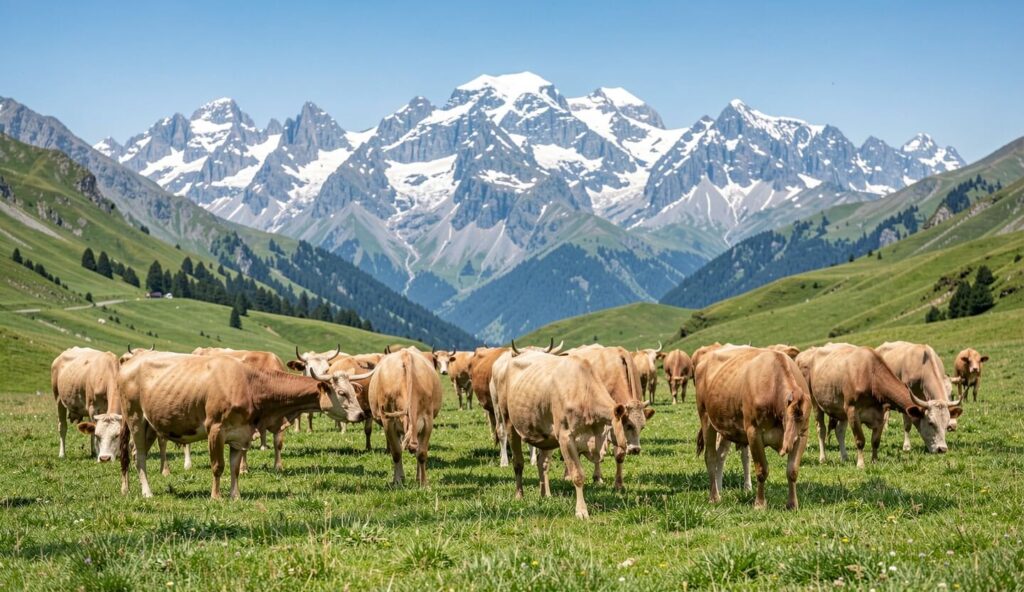
Tarentaise cattle are a hardy French alpine breed developed in the rugged Tarentaise Valley of the French Alps. These animals are known for their exceptional foraging ability and high-quality milk that supports traditional cheese production. Farmers and dairy enthusiasts value this alpine breed for its resilience on mountain pastures and its calm temperament.
Origin and History
The breed dates back centuries, evolving from ancient alpine cattle populations that adapted to steep slopes and harsh winters. Recognized as a distinct breed in the 19th century, Tarentaise cattle have remained a cornerstone of alpine dairy farming. Their genetic heritage is closely linked to other hardy European breeds such as Highland cattle, which also thrive in cold, mountainous environments.
Physical Characteristics of Tarentaise Cattle
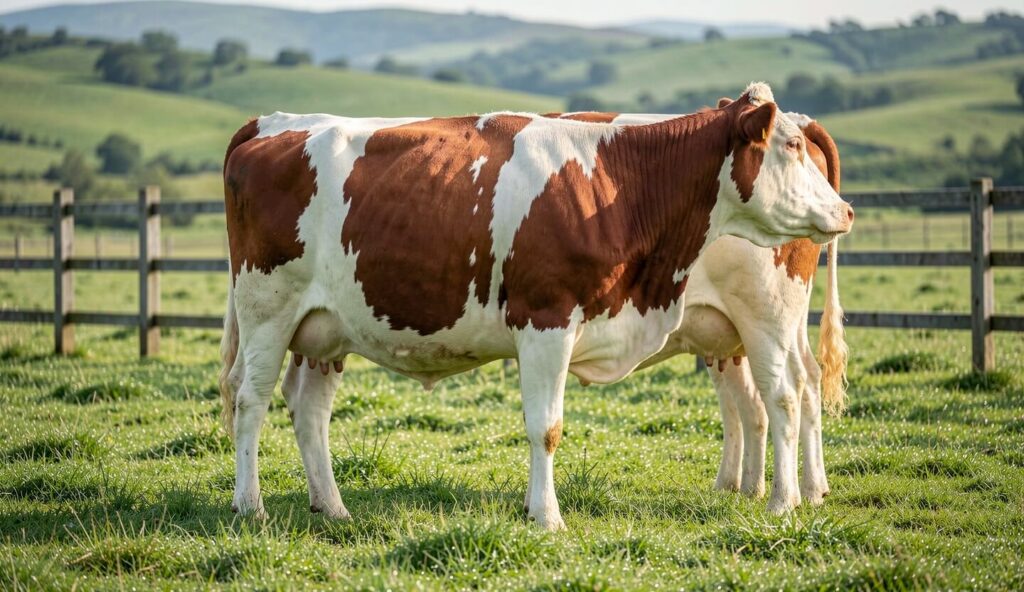
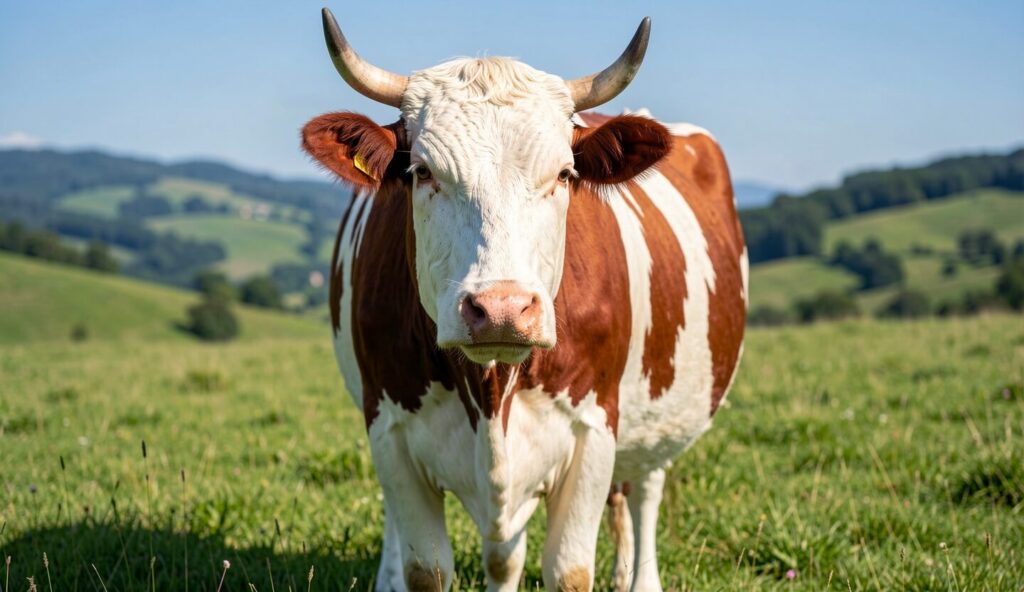
Tarentaise cattle have a uniform wheat to light brown coat with darker shading on the head and neck. White markings are rare but possible, typically appearing on the udder or lower legs. The breed’s medium-length, curved horns and broad forehead give it a distinctive and gentle appearance.
Coat Color and Markings
The coat is predominantly light brown, ranging from pale wheat to a deeper tawny shade. Darker pigmentation on the muzzle, ears, and neck helps protect against sunburn at high altitudes. White markings, when present, are usually small and do not detract from the breed standard.
Size and Weight
Cows weigh between 550 and 700 kg, while bulls range from 800 to 1000 kg. Shoulder height averages 130 to 140 cm, making Tarentaise cattle a medium to large breed. Their sturdy frame supports efficient movement on uneven alpine terrain.
Horns and Face
The horns curve outward and upward, with a medium length that does not interfere with handling. A broad forehead and large, doe-like eyes contribute to a calm expression. These facial features are part of the breed’s gentle demeanor.
Temperament and Behavior
Tarentaise cattle are docile and easy to handle, making them suitable for both experienced farmers and those new to mountain dairying. They have a strong herd instinct and excellent maternal behavior, often protecting their calves from predators. Their foraging drive keeps them active on steep slopes, much like the Dwarf Lulu cattle found in Himalayan pastures.
Docility and Handling
These animals respond well to routine handling and rarely show aggression. A calm, consistent approach is effective for moving them between pastures or through barns. Their gentle nature reduces stress during milking and veterinary care.
Foraging and Grazing Habits
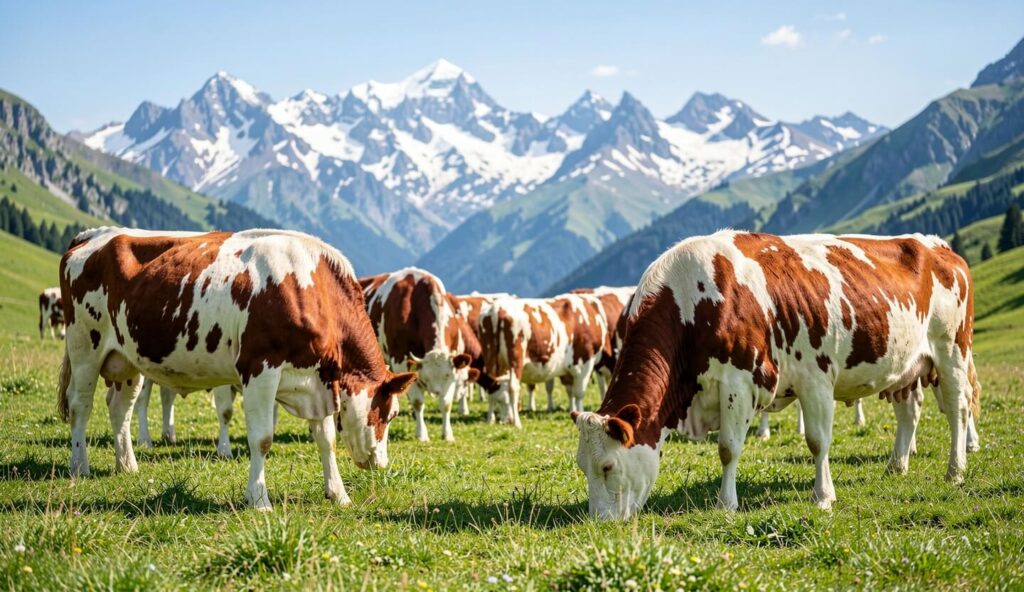
Tarentaise cattle are excellent foragers that consume mixed grasses and herbs growing on alpine meadows. They graze actively even in marginal conditions, such as rocky outcrops or thin soil. This behavior supports sustainable pasture management and enhances milk flavor.
Milk Production and Cheese Making
Tarentaise cattle produce milk with high butterfat and protein content, ideal for cheese making. Average yield ranges from 3500 to 4500 kg per lactation, with butterfat around 3.9 to 4.2 percent and protein at 3.3 to 3.5 percent. This milk is the foundation for several protected-designation-of-origin cheeses.
Milk Yield and Composition
Lactating cows peak in summer when grazing on alpine pastures rich in herbs and wildflowers. The milk’s fat and protein percentages naturally rise during this season, improving cheese texture and flavor. Consistent feeding and low stress contribute to stable production.
Cheese Varieties Made from Tarentaise Milk
Beaufort cheese, a hard and nutty Alpine cheese, is the most famous product from Tarentaise milk. Tome de Savoie and Reblochon also rely on this breed’s milk for their distinct characteristics. Each cheese carries the terroir of the mountain pastures where the cows graze.
Seasonal Milk Production
Production is highest during the summer transhumance, when herds move to high-altitude pastures. The variety of mountain herbs in the diet improves milk quality and gives cheese a complex flavor profile. Winter production declines but remains sufficient for basic dairy needs.
Adaptability to Mountain Pastures
Tarentaise cattle thrive at elevations between 1500 and 2500 meters, where oxygen levels are lower and temperatures are cooler. Their efficient oxygen utilization and thick winter coat make them one of the most altitude-tolerant dairy breeds. This adaptability is similar to that of Welsh Black cattle, which also endure upland conditions.
Altitude Tolerance
The breed’s cardiovascular system efficiently uses oxygen, reducing altitude stress even during strenuous grazing. Calves born at high altitude acclimate quickly and develop strong lungs. This trait is essential for farmers who practice seasonal mountain grazing.
Cold Hardiness and Shelter Needs
A dense winter coat provides insulation against snow and wind. During alpine summers, minimal shelter is needed, though access to windbreaks during severe storms is beneficial. Tarentaise cattle can withstand temperatures well below freezing without distress.
Grazing on Steep Terrain
Strong legs and hooves allow these cows to navigate rocky inclines with confidence. They distribute grazing pressure across steep slopes, reducing soil erosion compared to less agile breeds. This natural agility also minimizes injury risk on uneven ground.
Diet and Nutrition
A forage-based diet is the foundation of Tarentaise cattle health and milk production. Grass and legume pastures, supplemented by alpine herbs, provide most nutrients. Rotational grazing helps maintain pasture quality and prevents overgrazing.
Forage and Pasture Management
Alpine herbs such as clover, dandelion, and yarrow enhance milk flavor and provide essential minerals. Farmers should rotate herds through paddocks to allow regrowth and reduce parasite loads. This approach mirrors the management of Charolais Cattle, another French breed valued for grazing efficiency.
Winter Feeding
When snow covers the ground, hay or silage becomes the primary feed. Grain supplements may be added for high-lactating cows to maintain energy balance. Salt and mineral blocks should be available at all times.
Water Requirements
Fresh, clean water must be accessible at all times, especially for lactating cows. Natural springs or automatic waterers work well in alpine settings. Individual cows consume 50 to 100 liters per day depending on temperature and production level.
Common Health Issues
Tarentaise cattle are generally hardy, but they are susceptible to typical bovine diseases. Good management practices and vaccination programs keep most health problems at bay. Farmers should monitor for signs of mastitis, lameness, and metabolic disorders, just as they would with any other dairy breed like the Brown Swiss Cow.
Infectious Diseases
Bovine viral diarrhea (BVD) and brucellosis are concerns in endemic regions, but routine vaccination reduces risk. Mastitis incidence is low when milking hygiene is maintained. Quarantine protocols for new animals help prevent outbreaks.
Parasites and Foot Problems
Internal parasites from grazing can be managed with regular deworming schedules. Foot rot may occur in wet conditions, so providing dry resting areas and trimming hooves twice a year is recommended.
Lactation-Related Issues
Milk fever (hypocalcemia) and ketosis can affect high-yielding cows, especially around calving. Pre-calving nutrition adjustments and veterinary oversight are advised. Uterine infections post-calving require prompt treatment.
Is Tarentaise Cattle Right for You
This breed suits farmers with access to mountain or hilly terrain who prioritize cheese production and low-input systems. Their docile nature and foraging ability reduce labor and feed costs. However, they are not ideal for hot, lowland environments, and their milk yield is lower than specialized dairy breeds such as the Toggenburg Goat, which is bred for dairy in similar highland settings.
Best Farming Situations for Tarentaise
Operations focused on pasture-based dairy and artisan cheese production benefit most from this breed. Tarentaise cattle excel in rotational grazing systems that mimic traditional alpine transhumance. They are also a good choice for small-scale farms seeking self-sufficiency.
Challenges to Consider
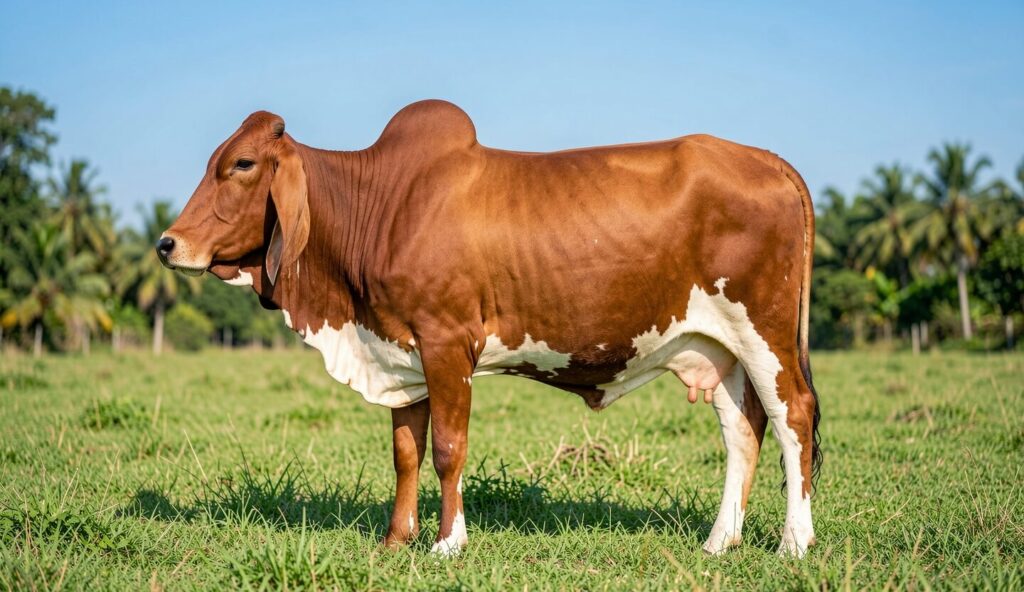
Lower milk volume compared to Holstein or Jersey means less income per cow if selling fluid milk. The breed requires quality pasture and may need supplemental shelter in extreme weather. Farmers in hot lowland regions should consider other options, like the Brahman Cow, which tolerates heat better.
Breed Availability and Cost
Tarentaise cattle are most common in France and surrounding alpine countries. Importation to North America is limited, but some breeders maintain purebred lines. Prices are comparable to other hardy dairy breeds, often ranging from moderate to high depending on pedigree.
Frequently Asked Questions
What is the origin of Tarentaise cattle?
Tarentaise cattle originated in the Tarentaise Valley of the French Alps and were developed from ancient alpine cattle populations. They were recognized as a distinct breed in the 19th century.
How much milk does a Tarentaise cow produce?
An average Tarentaise cow produces 3500 to 4500 kg of milk per lactation. The milk is high in butterfat and protein, peaking on alpine summer pastures.
Are Tarentaise cattle good for beginners?
Their docile temperament makes them manageable, but beginners need experience with mountain terrain and pasture-based systems. They are a good choice for farmers with access to steep pastures.
What do Tarentaise cattle eat?
They eat primarily grass and herbaceous plants from alpine meadows in summer. In winter, they subsist on hay or silage with mineral supplements.
Can Tarentaise cattle live in lowland areas?
They are adapted to high altitudes but can live in mild lowlands if provided with shade and good ventilation. Hot, humid climates stress the breed.
How big do Tarentaise cattle get?
Cows weigh 550 to 700 kg, bulls weigh 800 to 1000 kg, and shoulder height is around 130 to 140 cm.
Final Note
Tarentaise cattle offer a durable and efficient option for alpine dairy farming. With proper management, they reward owners with high-quality milk and a robust, low-maintenance presence on mountain pastures.