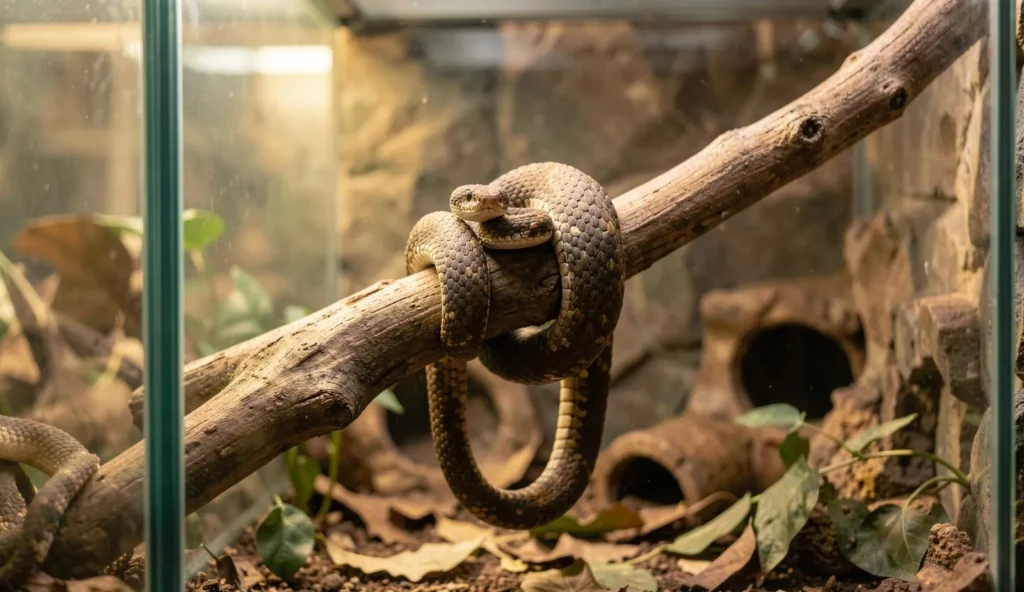
African House Snake Basics For Beginner Keepers
The African House Snake is a small, often steady-feeding colubrid kept by many beginners because it adapts well to captive life. This species comes from parts of Africa where it lives in varied habitats and encounters prey regularly. In captivity, the focus stays on providing correct temperatures, secure housing, and an appropriate african house snake diet to support healthy growth.
Care remains straightforward when husbandry stays consistent. Many keepers succeed with simple setup choices and a routine that tracks feeding, shedding, and enclosure readings. For a newcomer, the African House Snake also stands out as a beginner colubrid that can thrive in standard terrarium conditions when managed correctly.
What Is An African House Snake
Origin And General Overview
The African House Snake refers to several closely related species used in the pet trade, all commonly kept under the same everyday name. These snakes originate in regions across Africa and typically live near human structures in some areas. Captive keepers often find them tolerant and fairly easy to feed once stable conditions are set.
Because the African House Snake often settles into a feeding routine, many owners report predictable behavior in captivity. Still, captive success depends on husbandry, especially snake heating and humidity and consistent day-to-day temperatures.
Common Names And Identity Tips
Common names can hide differences between species, and sellers sometimes use general labels for multiple animals. Verifying the exact species helps match adult african house snake size expectations and can clarify temperament and diet needs. Correct identity also matters for enclosure decisions because some animals show different humidity and heating preferences.
When comparing species, it can help to understand how similar beginner colubrids behave and eat. For example, care approaches often overlap with King Snake routines since both groups can respond well to stable captive conditions and safe feeding schedules.
African House Snake Size And Appearance
Typical African House Snake Size
Keepers commonly describe the African House Snake as a smaller snake, often reaching a manageable adult length range depending on the exact species. Many captive adults typically fall near the shorter end compared with larger colubrids, which supports a smaller african house snake enclosure footprint.
Growth starts fast after early feedings and then slows as the snake matures. Individual size can vary due to genetics, prey availability, and whether a consistent feeding schedule supports steady body condition.
Physical Features To Expect
The African House Snake usually has a slender to moderately slim body with smooth scales and a clean, streamlined look. Coloration often appears as brown, gray, or olive tones with patterning that may include lighter or darker areas. Markings can vary widely between individuals, even within the same species label.
These differences matter when checking for changes over time. If scales look dull in a sudden way or the skin texture changes sharply, husbandry or health issues may be involved rather than normal variation.
What Healthy Looks Like
A healthy African House Snake at purchase typically looks alert, has clear eyes, and shows a body shape that matches its age. The abdomen should not look severely sunken, and the spine area should not appear sharply outlined. A quick look at the vent region and the skin texture can reveal obvious injuries.
Before buying, it helps to check that the snake moves with steady coordination. If a seller reports strong feeding response in stable conditions, the chances improve that the animal will accept captive feeding without prolonged refusal.
African House Snake Temperament And Handling
Temperament In Captivity
The African House Snake temperament is often described as manageable, with many individuals showing calm behavior once they settle. Stress can still affect feeding and shedding, so temperament should never be treated as a guarantee. Environmental instability often triggers defensive postures, especially during the first weeks after arrival.
Some snakes explore their enclosure more and may strike defensively if startled. Others choose a tighter resting posture and prefer less disturbance, which makes routine care easier.
Handling Guidelines For New Keepers
Gentle handling works best when kept short and infrequent at first. The snake should be supported along the full body, not just at the tail or head area. For the first sessions, handling during a calm time helps the snake feel secure rather than rushed.
Handling right after feeding can raise stress and increase the chance of regurgitation. After a meal, the best practice is to return the snake to its hide and keep the african house snake enclosure undisturbed until the next routine check.
Signs Stress Is Too High
Common stress signals include repeated rapid retreat to corners, persistent defensive body tension, frequent tail twitching, and refusal to settle after routine access. If stress signs appear, disturbance should be reduced immediately. Temperature and humidity readings should also be checked because discomfort can look like attitude.
When stress continues, the situation often improves with fewer handling attempts and more secure hiding. Improving husbandry usually helps the African House Snake return to normal movement and more predictable feeding.
African House Snake Enclosure Essentials
Choosing The Right Enclosure Size
Choosing the right enclosure size supports stable behavior and reduces hiding-related stress. The enclosure should stay escape-proof with a secure lid, because small colubrids can fit through gaps. Too much open space can also make the snake feel exposed, especially when it seeks safety.
For juveniles, a smaller layout often helps them feel secure while they learn the heating gradient. For adults, the african house snake enclosure can increase modestly, but it should not become a bare open room without clutter and hides.
Heating And Temperature Targets
Heating should create a warm side and a cooler side so the snake can thermoregulate. Many owners use an under-tank heater, heat cable, or ceramic heat emitter paired with a thermostat for stable output. The key is to provide dependable temperatures without hot spots.
Thermometers must measure both sides, and they should remain accurate through daily checks. When snake heating and humidity align with the species needs, feeding and shedding usually become more consistent.
Humidity And Hydration Needs
Humidity for the African House Snake is typically moderate, but it may rise slightly during shed cycles to support comfortable skin loosening. Fresh water should stay available at all times in a sturdy bowl that the snake can access easily. A shallow dish works well if it does not tip over during movement.
During shedding, a small humidity bump can help, but soaking should not be encouraged. The enclosure should not stay wet because excessive moisture can raise the risk of skin issues and unclean substrate.
Substrate, Hides, And Setup Details
Substrate choices need to support simple cleaning and comfortable humidity control. Many keepers use paper-based options, coconut fiber mixes, or safe reptile substrates that hold enough moisture for mild humidity needs. The substrate should not be dusty, and it should not promote odors after regular spot cleaning.
Two hides support a temperature gradient, with one placed on the warm side and another on the cooler side. Clutter like safe branches and background hides can create extra security without trapping the snake.
Cleaning Schedule And Biosecurity
Spot cleaning should happen frequently, often every few days depending on the snake’s waste volume and how the substrate behaves. Deeper cleaning can be planned around every few weeks, with full substrate changes when odor or waste buildup appears. Any reused items should be thoroughly cleaned and dried before returning to the enclosure.
Biosecurity helps prevent parasites and bacterial buildup, especially for new animals. If an African House Snake shares a room with other reptiles, each enclosure should receive dedicated tools and careful handling to reduce cross-contamination risks.
For keepers who also consider other small snakes, quarantine habits can overlap with species like Corn Snake care routines. The same principle applies, even though enclosure targets may differ by species.
African House Snake Diet And Feeding Schedule
What To Feed An African House Snake
The african house snake diet in captivity typically consists of appropriately sized rodents. Prey size should match the snake’s girth so the meal can be swallowed without excessive difficulty. In most setups, thawed frozen prey works well if the snake recognizes it during a consistent feeding routine.
Rodent meals are usually offered based on availability and the animal’s feeding response. If prey appears too large or too small, refusal becomes more likely, so prey selection should match the snake’s current body condition.
Some keepers compare feeding practices across similar colubrids, such as Rat Snake care, because both species often accept rodent diets in captivity. Still, prey size and feeding cadence should always be adjusted for the African House Snake’s smaller african house snake size.
How Often To Feed
Feeding frequency changes with age and growth. Many keepers feed juveniles more often to support steady development, while adults typically eat less frequently when growth slows. The goal stays consistent weight trends rather than pushing meals too quickly.
Because each snake varies, the american rule is to adjust frequency based on body condition and digestion. If the belly looks rounded but healthy and the snake remains active, the schedule can remain stable. If the body looks overly thin, feeding may need to happen slightly more often.
Feeding Technique And Safety
Feeding should be supervised, especially for beginners, to ensure the prey is taken safely. A feeding tong or feeding tool helps avoid accidental bites and keeps handling separate from feeding time. When feeding, the enclosure should remain calm, with no sudden disturbances that could distract the snake.
After the meal, handling should wait until digestion is complete. This supports safe digestion and reduces stress signals that can lead to refusal later in the week.
If Feeding Stops Or Looks Off
Feeding refusal often connects to husbandry issues before it connects to health. Temperature can drop too low, humidity may be off, or prey may be too large or poorly thawed. Sometimes stress from recent relocation also delays feeding for a short period.
Before changing the african house snake diet, enclosure readings should be reviewed and prey size should be reassessed. If refusal continues beyond a reasonable time or the snake shows visible weakness, a reptile-experienced veterinarian should evaluate it.
Owners who need to manage feeding changes often look at handling differences between species, such as Western Hognose Snake behavior. Even when the species differs, the core practice remains consistent temperatures and careful adjustments rather than random changes.
Common Health Issues And Ongoing Care
Routine Monitoring For Health
Routine monitoring keeps problems small and easier to treat. Weight checks help track body condition over time, and body shape should remain consistent for age and feeding frequency. During weekly care, the water bowl and enclosure should be inspected to confirm cleanliness without excessive dampness.
Shedding quality also matters. If the snake sheds in pieces or holds patches of skin for too long, humidity or hydration may need adjustment, and temperatures should be verified for stable digestion and comfort.
Common Problems Keepers May See
Respiratory issues can develop when temperatures are too low or airflow and enclosure conditions stay off. Signs may include mouth breathing, persistent open-mouth behavior, or repeated gaping. These symptoms should not wait for “next week,” because early treatment usually improves outcomes.
Skin and scale problems can also appear around shedding. If stuck shed occurs often, substrate dryness and humidity swings may contribute, especially when the african house snake enclosure dries out completely between misting cycles.
Parasites are another risk, especially if a new snake enters the home without observation. A simple quarantine plan reduces the chance of spreading problems, and it gives time to observe feeding and stool changes.
When To Seek Veterinary Help
Veterinary help should be sought if the African House Snake shows urgent red flags like open-mouth breathing, repeated lethargy, or obvious injuries. If refusal continues after husbandry correction, professional guidance becomes necessary. Any persistent swelling, abnormal discharge, or inability to shed properly should also trigger prompt care.
Delaying evaluation can make treatment harder and slower. A reptile-experienced veterinarian can verify hydration, check for parasites, and recommend targeted adjustments to heating or humidity.
Some keepers compare typical husbandry and illness patterns across colubrids like King Snake species guides because common red flags tend to look similar. Even so, the African House Snake care plan should still follow its own enclosure needs and feeding schedule.
Starter Checklist For New African House Snake Owners
Essential Supplies Before Bringing One Home
Preparation should happen before the snake arrives to prevent rushed setup. The enclosure needs a locking lid, reliable thermometers, and a hygrometer to track humidity. A thermostat improves heating stability and helps prevent overheating.
Two hides should be ready, with one placed on each temperature zone. A water bowl must be sturdy, easy to clean, and large enough for comfortable drinking. Secure clutter can also help the snake feel safe while it explores.
First Week Setup And Settling In
In the first days, the African House Snake should get quiet time after placement. Checking once for correct temperatures and then limiting disturbance supports a calmer settlement period. When the first feeding attempt happens, prey size should match the snake’s current girth and should be offered in a calm, controlled moment.
Shedding can occur during the first week, depending on the condition of the snake on arrival. If shedding starts, humidity adjustments should be gradual and based on enclosure readings rather than sudden soaking.
Ongoing Care Habits That Prevent Problems
Consistent temperature targets should be reviewed daily, and enclosure cleaning should follow a predictable schedule. Unplanned changes often cause stress, so adjustments should happen one at a time and be monitored. Handling should stay minimal during routine husbandry changes to prevent added disturbance.
If the African House Snake temperament seems defensive, owners should still prioritize stable conditions over forcing interaction. When the environment stays reliable, behavior often becomes more relaxed over time.
For keepers building a wider collection of small snakes, it can help to understand general secure handling habits from guides like California Kingsnake pros and cons. The handling goal remains the same, safe support and reduced stress.
Is An African House Snake Right For You
Good Fit For Beginner Keepers
The African House Snake is often described as easy to keep because it can thrive in captivity with simple husbandry. An african house snake enclosure can stay compact due to the smaller adult size, and the african house snake diet is usually limited to rodents. Stable routines help it feed predictably, which reduces the uncertainty that many beginners face.
This makes the species a good match for keepers who can check temperatures and keep a cleaning schedule. With consistent daily reading checks and safe feeding, many owners find long-term care manageable.
Situations Where It May Not Fit
Not every home matches this care style, because the African House Snake still needs stable daily temperatures and regular cleaning. Owners with limited time for quick checks may struggle to maintain consistent heating and hydration. Frequent handling is also not required, and the snake should avoid stress during adjustments.
Even when the African House Snake temperament seems calm, it still needs proper long-term husbandry. The enclosure must remain escape-proof and the feeding schedule must support healthy body condition to keep the snake thriving.
Frequently Asked Questions
What Size Enclosure Does An African House Snake Need?
Use an enclosure that is secure and not overly large, with warm and cool hides in both temperature areas.
What Do African House Snakes Eat In Captivity?
Feed appropriately sized rodents, and offer thawed frozen prey if the snake accepts that feeding method.
How Often Should An African House Snake Be Fed?
Feed juveniles more often than adults, then adjust based on body condition and consistent weight trends.
What Temperature Should Be Kept In The Enclosure?
Maintain a warm side and a cooler side, then confirm stable daily targets using thermometers on both zones.
Is The African House Snake Safe To Handle?
Handle gently with full body support, and avoid handling right after feeding to reduce stress.
Why Is An African House Snake Not Eating?
Check temperatures, humidity, and prey size first, then seek reptile veterinary guidance if refusal continues.
Ongoing Care That Keeps An African House Snake Thriving
With stable temperatures, clean water, and a consistent african house snake diet, the African House Snake can thrive in captivity. Care stays easiest when the routine is predictable and enclosure readings are checked regularly.