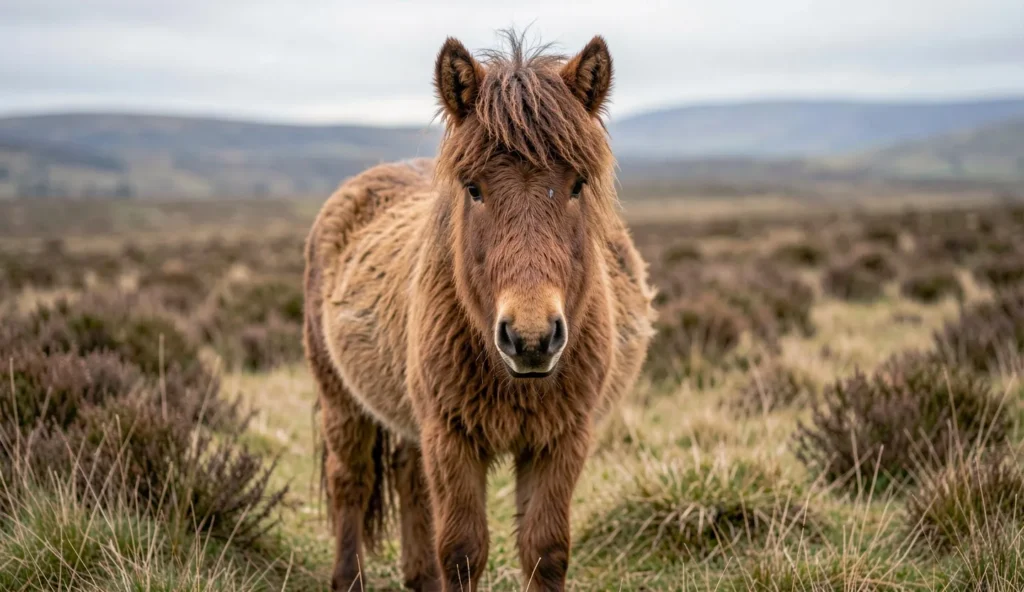
What Is An Exmoor Pony
The Exmoor pony is a hardy native British pony built for survival on exposed moorland and rough ground. This Exmoor pony is often recognized by its thick winter coat and dark eye described as Exmoor pony toad eye. Owners and conservation groups value the breed for its toughness, while families appreciate its steady, practical nature when matched well to the right rider.
Exmoor pony history traces back to the southwest of Britain, with long-running local breeding and land-based management. Because the pony adapted to weather and limited forage, Exmoor pony care focuses on maintaining those natural strengths through smart shelter, forage, and hoof management.
Native British Pony And Typical Range
Exmoor ponies developed in and around Exmoor, then spread through similar landscapes in southwest England and parts of Wales. They count among the oldest British native ponies, with a long record of living outdoors and working with local conditions. Over time, the breed became well suited to wind, rain, and cold snaps across moorland areas.
As a result, the Exmoor pony temperament often reflects practical resilience rather than delicate handling needs. Many ponies remain outdoors much of the year, which supports muscle tone and encourages natural foraging behaviors.
Key Traits That Make The Breed Easy To Identify
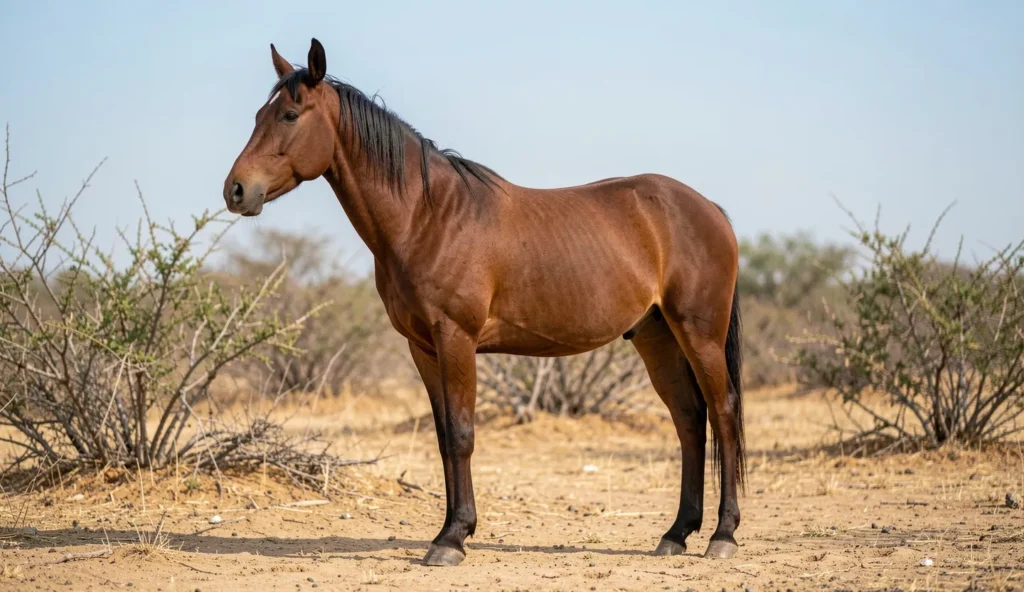
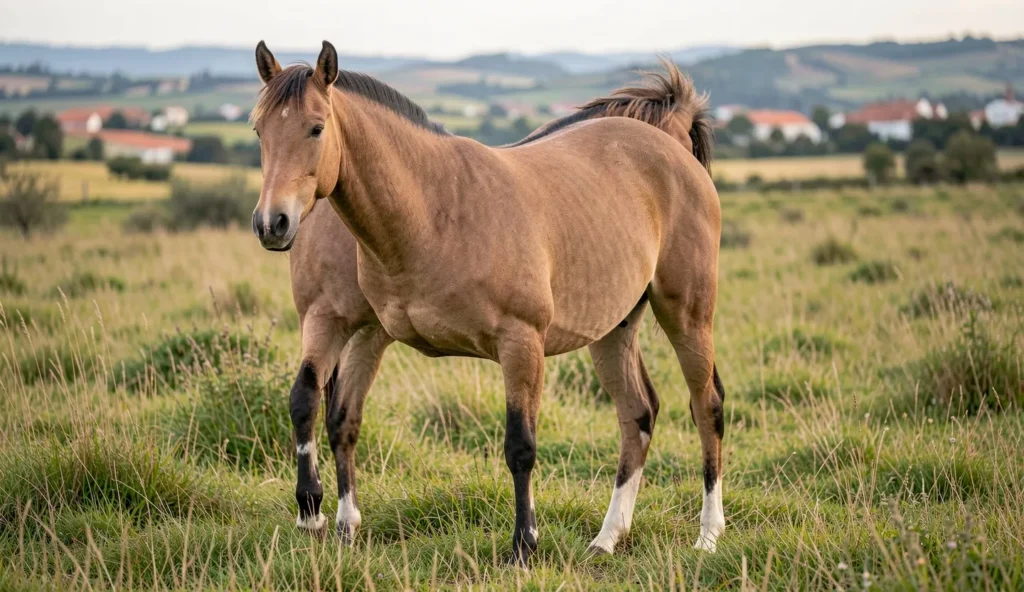
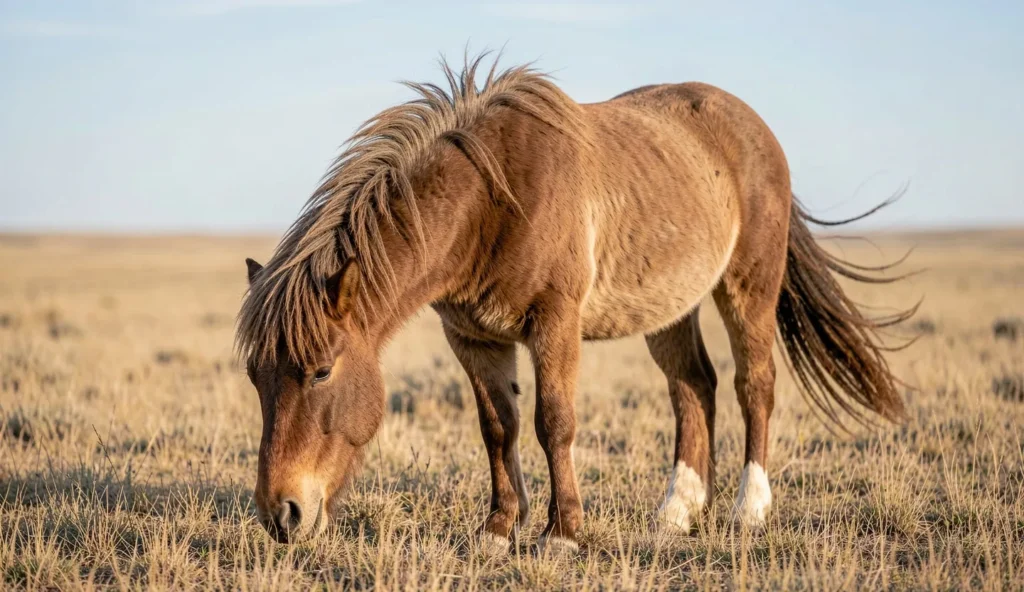
Exmoor pony characteristics include a compact, sturdy body with strong bone and balanced proportions. The overall look tends to feel solid and grounded rather than fine-boned or tall. This type of conformation helps the pony move safely over uneven terrain.
Another common identifier is the face and eye area, including the dark, prominent “toad eye” description. Coat adaptation also matters, since thick winter hair helps the pony handle colder weather while shedding to a sleeker coat in warmer months.
For readers comparing pony types, similar hardy traits appear in other British native equines such as the Welsh pony, though each breed keeps its own form and temperament. Understanding breed identity early makes it easier to plan Exmoor pony care that matches real needs.
Exmoor Pony Characteristics And Physical Features
Exmoor pony characteristics are easiest to spot when looking at overall build, coat condition, and face expression. The Exmoor pony typically stays small to medium, with a body shaped for steady movement. Breeders and handlers usually pay attention to bone strength and the pony’s balanced silhouette.
Even so, each individual has natural variation, so good identification relies on seeing more than one feature. Coat changes across seasons also affect how the pony looks, especially during shedding and winter coat growth.
Height, Build, And Overall Conformation
Most Exmoor ponies fall into a small to medium height range suitable for light riding and children’s lessons when properly trained. The body often shows a cobby, well-muscled frame with short-backed proportions. Broad chest and strong hindquarters support effective propulsion during walking and covering ground.
Those conformation traits also support safe turnout in uneven fields, where hooves and legs must handle changing footing. When conformation matches the environment, the pony typically stays more durable through regular routine.
Coat Colors And Seasonal Changes
Exmoor pony colors commonly appear in dark shades, often with primitive markings such as an eel stripe. Some ponies show subtle striping or banding that resembles older “wild type” patterns. These marks can be easier to see when the coat is in good condition.
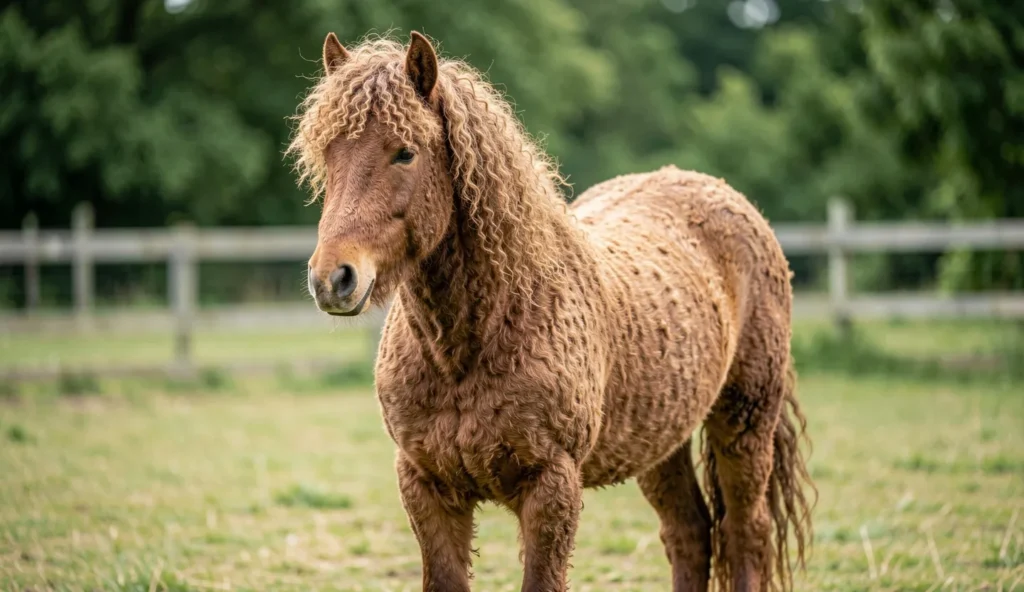
Seasonal changes affect thickness and overall tone. In winter, the coat becomes thicker and may look darker, while in spring and summer shedding produces a sleeker outline.
The Toad Eye Feature Explained
“Toad eye” is a commonly used description for a dark, prominent eye appearance on the Exmoor pony face. The feature relates to expression and eye set rather than a separate medical issue. It helps breeders recognize type, though exact appearance varies by individual.
Because face expression connects with alertness, handlers often find the pony remains attentive during grooming and tack preparation. Even so, behavior and handling tests matter more than looks when assessing Exmoor pony temperament.
Movement And Temperament Clues From Body Language
Movement usually looks efficient, with ground-covering steps that match a compact body. A pony that stands calmly with ears attentive often handles routine tasks well. Conversely, tense posture can signal discomfort, stress, or a need to check tack fit and hoof sensitivity.
When evaluating an Exmoor pony, using consistent handling helps reveal true temperament. Observing how the pony reacts to grooming, leading, and mounting provides better information than appearance alone.
For more general guidance on pony behavior and selecting the right equine companion, it can help to compare how other hardy breeds respond to handling, including types like the Shetland pony and the Icelandic Horse.
Exmoor Pony Temperament And Behavioral Traits
Exmoor pony temperament tends to be steady, practical, and built around long outdoor living. Many ponies show a calm presence once routine and trust are established. Still, unfamiliar situations can bring caution, especially during first introductions to grooming tools, tack, or new riders.
Exmoor ponies generally learn faster with predictable sessions that stay short and consistent. That approach supports beginners because it reduces the chances of stress-based reactions.
Typical Personality Around People
Owners often describe Exmoor ponies as hardy, steady, and generally cooperative. When handled regularly, the pony usually accepts basic grooming and lead work without excessive tension. Yet newcomers may notice an initial pause as the pony assesses the situation.
Routine supports confidence, so feeding times, grooming order, and tack preparation help the pony feel secure. This is one reason why Exmoor pony care works best when planned as a daily checklist.
Social Needs And Herd Behavior
Exmoor ponies are herd animals, so many do best with appropriate companionship. Social stress can increase when ponies are isolated or moved abruptly between environments. Gradual transitions often reduce agitation, especially for younger ponies or those returning after time away from groups.
Where possible, introducing new herd mates slowly allows the pony to settle into familiar social cues. If social management is handled well, the pony often shows fewer signs of anxiety during leading, grooming, and light exercise.
What To Watch For In Handling And Riding
Spooking can happen in new environments, even in a generally calm pony. For that reason, training sessions should start on familiar footing and progress only when responses remain relaxed. Also, responses to grooming, tack placement, and mounting should be assessed for comfort before longer sessions.
For children’s riders, supervision and good groundwork matter. A pony that stands quietly for tack-up often stays easier to ride, but only consistent rehearsal makes that behavior reliable.
Because temperament links to physical comfort, it helps to consider hoof condition and fit before blaming behavior. If movement looks uneven, checking hoof care schedules and tack fit often improves stability right away.
How To Care For An Exmoor Pony
Exmoor pony care centers on three priorities, safe shelter, forage-first feeding, and routine hoof management. The breed handles weather well, but staying dry and reducing mud buildup still prevents many common problems. With thoughtful daily routines, the pony usually maintains a healthy coat, stable energy levels, and workable temperament.
Because the Exmoor pony comes from landscapes with limited resources, the care plan should avoid sudden high-sugar changes. Feeding that matches body condition and local grazing conditions helps prevent metabolic and hoof risks.
Housing Essentials And Shelter Setup
Even though Exmoor ponies tolerate rough conditions, they still need dry shelter from wind and prolonged wet weather. A well-drained field helps reduce mud and reduces hoof stress during wet spells. Secure fencing and safe footing also protect the pony from cuts, strains, and falls.
Fresh water access must stay consistent, since hydration supports digestion and comfort. When shelter and drainage work together, the pony often benefits from better skin condition and fewer hoof issues.
For additional guidance on how hardy equines manage turnout, it can help to compare practices used with other breeds, such as the Morgan Horse and Mustang horse depending on how each property is set up.
Grooming Routine And Coat Care
Regular brushing supports skin health and helps remove loose hair, especially during shedding seasons. After rain or heavy dampness, drying and checking for hidden damp areas can prevent matting and skin irritation. Winter coats should look fluffy, but trapped moisture can still cause problems.
During grooming, inspecting legs, mane, and tail supports early detection of bumps, rubs, or early skin irritation. Daily or near-daily hoof checks also help identify small cracks, chips, or uneven wear.
- Brush regularly to remove loose coat and support skin airflow
- Check the winter coat for dampness after storms
- Inspect legs and girth areas for rubs or swelling
- Clean hooves daily when feasible
Diet And Feeding For Hardy Ponies
Exmoor ponies thrive on forage-first diets based on good-quality grass or hay. Avoiding sudden feed changes matters, because digestion can shift quickly and upset appetite and stool. For many ponies, measured hay amounts and controlled grazing are safer than frequent concentrate introductions.
Supplements should only appear when needed, since unnecessary products can add calories or disrupt balance. Mineral access should follow local guidance, with amounts adjusted using body condition score checks.
When body condition stays stable, the feeding plan often prevents metabolic swings. If weight increases too quickly, forage amounts usually need adjustment rather than adding more supplements.
Some owners also find it helpful to learn how native cattle adjust to local forage conditions, including Devon cattle, since both animals depend heavily on forage quality and land management choices.
Exercise And Enrichment That Fit Their Needs
Regular turnout supports muscles, joints, and mental wellbeing, which helps Exmoor pony temperament stay steady. Light riding and varied ground build confidence, especially when beginners ride with calm pace control. Conditioning matters, but overworking new riders and new ponies can create stress.
Enrichment can stay simple, such as forage-based feeding that extends grazing time. When enrichment stays safe and consistent, the pony often shows better attention during grooming and tack-up.
- Use regular turnout for joint comfort and mental stability
- Provide light riding with short sessions for beginners
- Train gradually on new footing and in new areas
- Add forage-based enrichment to slow grazing safely
Hoof Care And Farrier Scheduling
Hoof care often determines long-term comfort, so routine farrier visits should match the pony’s growth rate. Keeping hooves clean helps reduce the chance of thrush and infection, especially in wet conditions. Check for cracks, chips, and uneven wear during daily inspections.
Metabolic and hoof risk connects to feeding, so laminitis risk should never be ignored. Careful feeding and monitoring help reduce triggers such as excess rich feed and sudden changes to grazing.
Some owners compare hoof management styles across pony breeds to fine-tune their schedules. For example, the Appaloosa Horse and American Paint Horse each have distinct management needs, but the hoof comfort principles remain similar when weather turns wet.
Common Health Issues And Preventive Care
Common health issues for the Exmoor pony usually involve metabolic risk, parasites, and hoof sensitivity. Because the breed evolved for hardiness, it can still develop problems when routine feeding and environment change. Preventive care works best when it stays consistent rather than occasional.
Monitoring links closely with daily observation, including appetite, manure, coat quality, energy levels, and movement patterns. Those details help detect problems early, which often improves recovery chances.
Body Condition, Parasites, And Routine Monitoring
Tracking body condition helps prevent obesity and also prevents underfeeding. Regular checks make it easier to spot weight loss before the pony becomes visibly thin. When parasite control plans exist, fecal testing can guide treatment timing instead of guessing.
Routine monitoring should cover appetite changes, manure consistency, coat shine, and energy levels. Small shifts can signal early illness, so consistency matters for identifying changes fast.
- Check body condition score regularly
- Track appetite, manure, and energy daily
- Use fecal testing plans when available
- Watch coat dullness or patchy shedding
Hoof And Metabolic Risks
Laminitis can occur when ponies receive excess rich feed or when seasonal triggers increase risk. Wet conditions and cushion feet changes can make hoof problems more likely, especially when drainage is poor. Because grazing sugar levels vary across seasons, grazing management often needs a flexible plan.
Adjust grazing and forage amounts to manage sugar and calories. If body condition increases or hoof signs appear, the feeding response usually includes reducing rich pasture access and improving hay quality control.
Cold Weather And Skin Checks
Thick coats do not remove the need for skin checks. After wet weather, ponies should be dried and inspected for irritation or matting that can hide rubbing points. Skin problems often appear where tack or coat touches, including mane, girth area, and leg bands.
Lumps, wounds, and swelling deserve prompt attention since small issues can worsen quickly. Keeping grooming consistent helps catch early signs while the pony still feels comfortable.
As another example of how native animals need careful monitoring despite hardiness, horse owners sometimes compare parasite and seasonal skin patterns across breeds such as the Thoroughbred Horse to understand how management affects health outcomes. For the Exmoor pony, the same concept applies, with the focus placed on forage control and hoof comfort.
Is An Exmoor Pony Right For You
An Exmoor pony can suit a range of pony enthusiasts, especially those who can commit to daily observation and consistent basic care. Many ponies stay steady with the right training, but individual history and handling experience still influence how suitable the pony becomes for children’s riders. Matching time, routine, and land setup matters more than breed reputation alone.
Prospective owners should also consider conservation role values, since Exmoor pony history connects to preserving native pony types and maintaining hardy traits. When responsible sourcing and management support stable populations, the breed’s long-term health remains stronger.
Best Fit For Pony Enthusiasts And Beginner Handlers
Exmoor ponies may suit children’s riders when the pony has proven schooling stability and receives supervised handling. Many owners find they work well for children because they often handle routine tasks calmly once accustomed to tack and grooming. Yet correct diet management, hoof schedules, and calm progression still determine riding success.
Beginner handlers should plan for thorough grooming, regular hoof cleaning, and attentive monitoring. These routines reduce stress and prevent the small discomforts that can lead to behavior problems.
Conservation Role And Why It Matters
The Exmoor pony plays a meaningful role in conservation because it represents a native pony type shaped by British landscapes. Some groups manage populations to preserve hardy traits that help the ponies remain suited to long-term outdoor living. Responsible sourcing supports genetic stability and helps keep breed standards clear.
For families and conservationists, understanding Exmoor pony temperament and Exmoor pony characteristics helps guide which ponies belong in programs. When care and handling reflect the breed’s needs, the conservation goals and day-to-day welfare support each other.
Frequently Asked Questions
How Tall Is An Exmoor Pony On Average?
An Exmoor pony is typically small to medium height for a native pony. Exact height varies by individual and the breeding line.
What Does Toad Eye Mean For An Exmoor Pony?
Toad eye refers to a dark, prominent eye appearance often described for this breed. It is a breed-recognized facial trait rather than a separate condition.
What Is The Best Diet For An Exmoor Pony?
A forage-first approach works best, using good-quality grass or hay. Amounts should match body condition and local grazing conditions.
Are Exmoor Ponies Good For Children Riders?
Many Exmoor ponies can be steady, but individual training and temperament always matter. Supervised handling and appropriate tack and riding support safety.
How Much Grooming Does An Exmoor Pony Need?
Exmoor ponies typically need regular brushing and routine skin and hoof checks. Extra attention helps after wet weather and during coat shedding.
What Health Problems Should Be Watched For In Exmoor Ponies?
Watch hooves closely and monitor metabolic risks such as laminitis. Parasite control and frequent condition checks also help catch issues early.
Final Note On Exmoor Pony Care
With dry shelter, forage-smart feeding, and consistent hoof and skin checks, an Exmoor pony usually thrives in a well-run routine. The breed’s hardy design supports steady care when the environment and management stay aligned.