Welsh Pony and Cob Basics
The Welsh pony and cob come from Wales and form a well known group of hardy riding and driving ponies. Their reputation connects to endurance and a friendly, willing nature. Riders, families, and breeders often choose them because they adapt to different jobs while still staying steady in daily care.
Although the names “pony” and “cob” sound like separate breeds, they mainly describe size and build inside the same Welsh type family. With correct handling, a Welsh pony can work in showing, children’s riding, and also driving work. That versatility makes the breed family especially practical for programs that need a reliable equine partner.
Welsh Pony and Cob As One Breed Family
The term Welsh pony usually refers to multiple height types within the Welsh pony family. These are organized as sections that help match expected size, movement, and typical use. Meanwhile, Welsh cob often points to a larger, sturdier Welsh type that fits riding and pulling needs.
In day to day situations, a Welsh pony and cob can both succeed across riding and driving roles. Many owners use them for show work, school style riding, and family turnout plans. When buyers select by section and temperament, training becomes easier and routines become more predictable.
Welsh Pony Origin And Welsh Pony History Highlights
The Welsh pony history traces back to Wales where ponies developed for working needs and long-term outdoor resilience. Over time, breeders selected for soundness, useful temperament, and movement that could perform under saddle or in harness. Those priorities shaped the different Welsh pony types by size and ability.
Breed standards later reinforced consistency, especially for training potential and reliability. Soundness and usable behavior became central because Welsh ponies needed to handle both work and human handling. For that reason, modern buyers often evaluate the pony’s trainability and stable manners as carefully as height.
What Welsh Pony Looks Like and What the Types Mean
Physical traits help explain why the Welsh pony family fits so many riding programs. Compact bodies and strong bone support kids, youth riders, and adults who want a manageable mount. A well shaped head, alert eyes, and expressive ears also show up often, especially in show settings.
Just as importantly, Welsh pony types usually differ more by height and build than by completely separate appearances. That makes it easier for buyers to match expected size and strength to rider goals. With careful selection, the pony type also supports the right harness fit, tack comfort, and training pace.
Common Physical Features To Look For
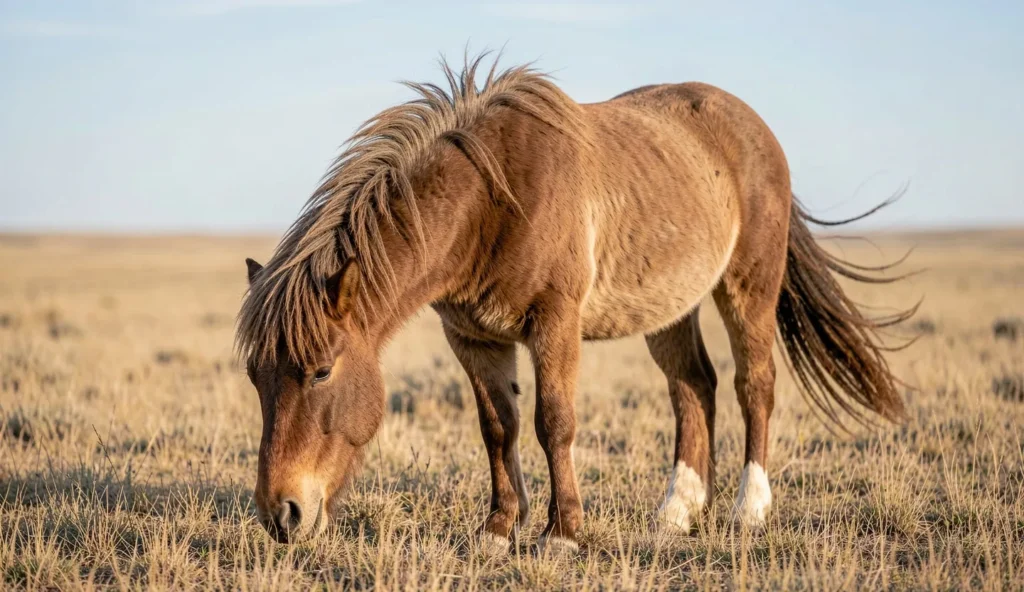
Many Welsh ponies show a compact, balanced body that supports safe riding and reliable movement. Strong bone and supportive legs give the foundation for active trot work and steady transitions. Their thick mane and tail also help protect against weather during turnout.
In handling, the head and neck often signal alertness, which can help with show ring focus. The overall look should stay neat and functional rather than extreme. Movement quality still matters because it affects comfort for the rider and the pony’s long-term soundness.
- Compact body with strong bone for safe youth riding
- Well shaped head with an alert expression
- Thick mane and tail for weather protection
- Balanced frame that supports consistent riding and driving
Welsh Pony Types Explained by Size and Use
Welsh pony types usually follow a section system that helps describe size and typical use. Section A tends to include the smallest ponies and often suits younger riders who want an easy mount. Section B usually includes a bit larger ponies with strong show and driving potential.
Section C usually represents the medium size that many riders call an all round family mount. Section D often brings the larger Welsh cob presence, with more pulling power and a sturdier build for driving or heavier riding. Choosing the right section helps reduce training frustrations and tack fit problems.
- Section A is the smallest, often for younger riders
- Section B is larger with strong show and driving potential
- Section C is a medium all round riding pony type
- Section D is larger with cob presence and pulling strength
Coat Colors and Markings You May See
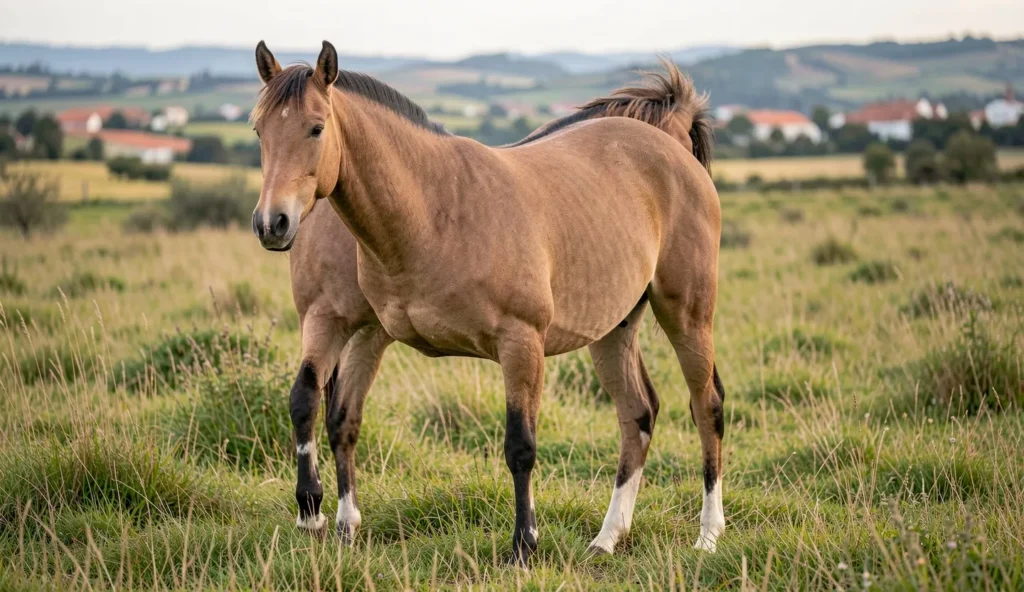
Welsh pony coat colors can vary across lines, and many buyers focus on markings for identification. Face patterns and body markings often play a role in registration and show descriptions. Even so, coat color should not replace evaluation of movement, soundness, and Welsh pony temperament.
In practice, two ponies with similar markings can perform very differently. Movement mechanics, stable behavior, and consistency in handling usually predict riding success better than appearance. When selecting a Welsh pony, also check how the pony responds to tack, grooming, and feet handling.
Welsh Pony Temperament and Practical Training Steps
The Welsh pony temperament often stays friendly, especially when handling begins early and routines stay consistent. Many Welsh ponies tend to be willing when grooming, saddling, and tacking happen in a calm, predictable way. This helps them work well for children’s riding when supervision and proper fitting occur.
At the same time, no pony stays the same without training. Training aims to create calm responses, not to force reactions. With short sessions and clear cues, most Welsh ponies learn tack comfort, ground manners, and reliable transitions.
Welsh Pony Temperament Traits That Fit Family Riding
Many Welsh ponies are known for being calm in familiar routines, which supports safe handling for kids. A steady pony also reduces the stress that can build when riders face unexpected behavior. Many show ponies can tolerate common grooming and tack steps with minimal fuss.
However, temperament remains individual, so it helps to ask about previous handling and riding history. A pony with consistent daily care usually adapts faster to new tack or different riders. For owners who plan group lessons, temperament and patience matter as much as training skill.
- Often friendly and willing when handled regularly
- Calm routines can support children’s riding
- Many ponies tolerate grooming and tack well
- Individual training history can change behavior
Handling and Groundwork for Confident Behavior
Groundwork often sets the tone for safe riding and driving. Start with haltering, leading, and calm stable time where the pony learns to accept normal handling. Short practice tying sessions help the pony stay relaxed while still learning boundaries.
Next, teach loading, clipping comfort, and feet handling early in a gentle, repeatable way. A pony that accepts hoof picks and brief foot lifting usually shows fewer problems later. Over time, confident groundwork supports better tack acceptance and safer mounting.
Saddle, Bridle, and Tack Training Steps
Tack training works best when it progresses slowly and stays paired with calm handling. Introduce equipment gradually so the pony can associate the steps with normal routines. Short sessions help prevent boredom and keep responses consistent for young riders.
When fitting a bridle, also verify comfort where metal or leather contacts the head. Avoid pressure points and confirm that the bit or noseband sits correctly for the pony’s face shape. After each adjustment, reward calm behavior so the pony learns the tack steps as predictable.
Training for Show Riding and Driving
For show riding, training often focuses on straightness, rhythm, and reliable transitions. A pony that responds to basic cues tends to look more consistent under ring judges. Using clear aids and frequent repetition helps the pony keep the same effort from warmup to class.
For driving, focus on steadiness, voice cues, and consistent harness checks. Harness fit and strap placement affect comfort and performance, so inspections should become routine. Reward calm responses early, then correct small issues before they grow into stronger habits.
Endurance and Steady Work Expectations
Welsh ponies gain their reputation for endurance through consistent conditioning and steady work sessions. Rather than pushing for sudden long days, owners usually build capacity gradually. This approach supports muscles, joints, and the pony’s overall recovery ability.
During work, monitor breathing, recovery time, and saddle fit after each session. If performance changes quickly, it often signals heat stress, tack discomfort, or a recovery gap. This management style supports safe endurance and helps the pony stay ready for shows.
For context on endurance-focused training across breeds, many buyers also compare management style to other riding pony and horse types, such as reading about endurance in an Icelandic Horse profile. While the species differ, the conditioning mindset usually overlaps when owners build fitness step by step.
Welsh Pony Care for Hooves, Feeding, and Daily Management
Good Welsh pony care supports daily comfort and helps prevent common problems. Housing, feeding, grooming, and hoof maintenance work together, so each area deserves attention. When routines stay consistent, owners often find that health issues become easier to spot early.
Welsh ponies usually tolerate a range of conditions due to their working history, but they still need clean shelter and correct nutrition. Small management mistakes can lead to digestive upset, skin irritation, or hoof problems. With a simple schedule, these risks reduce quickly.
Housing Essentials for Welsh Pony Care
Housing should include dry shelter with good ventilation and enough space for natural movement. Wet, poorly ventilated areas raise skin and respiratory risks, especially when ponies spend long hours indoors. Clean bedding also helps reduce rubs from tack and blankets.
Turnout matters, but it must match each pony’s needs and the local risk level. Safe fencing and routine turnout schedules reduce stress and prevent injuries. After turnout, checks for rubs and minor cuts can catch issues before they spread.
- Provide dry shelter with ventilation and clean bedding
- Maintain safe fencing and match turnout to needs
- Remove wet areas quickly to reduce skin irritation
- Plan shelter access during heat or storms
Feeding and Diet Plan Basics
For most Welsh ponies, forage like hay or pasture should form the diet base. Consistent access to forage supports healthy digestion and steady body condition. When concentrates appear, they usually serve a specific purpose like growth, training demands, or weight support.
Use fresh water daily and choose mineral supplementation when appropriate. Treats can work for bonding, but controlled amounts prevent weight gain and digestion problems. Most owners avoid sudden feed changes because the gut often needs time to adjust.
Because ponies respond strongly to diet shifts, some families also look at feeding approaches used for other equine coats, like how American Paint Horse owners discuss stable routines. While nutrition details differ by body condition and workload, consistent feeding schedules remain a common best practice.
Grooming Steps That Support Coat and Skin
Regular grooming keeps the coat clean and improves bonding before tack or riding. During heavy shedding seasons, brush body and mane more frequently to reduce matting and skin irritation. Pay attention to areas under the saddle, where rubs can develop quietly.
Hoof care starts with daily checks, and a hoof pick becomes routine after turnout. This step also allows owners to spot small stones and debris early. Quick grooming helps the pony feel comfortable and makes tack sessions smoother.
- Brush mane and body during shedding seasons
- Check for rubs under tack areas
- Use a hoof pick after turnout
- Look for dry patches or irritation on skin
Hoof Care and Farrier Scheduling
Hoof care depends on growth and wear, so the farrier schedule should match each pony’s needs. Regular trims or shoeing help prevent flares and uneven wear patterns. Keep feet clean and dry because moisture can contribute to common hoof problems.
When cracks appear or the pony starts stepping differently, owners should reassess workload and tack fit as well. Farrier observations also guide whether the pony needs dietary balance, more footing traction, or different trimming intervals. Early action often prevents longer recovery periods.
Exercise and Conditioning for Endurance
Welsh ponies typically benefit from daily movement through turnout and planned exercise. Walking programs and light trotting sessions often support fitness without overloading young joints. Longer routes can help endurance, but the distance usually increases gradually.
Warm-up and cool-down times help the body adjust to work and then recover afterward. If sessions end abruptly after a long break, soreness and stiffness can increase. Consistency keeps training productive and supports the pony’s friendly attitude.
Common Health Issues to Monitor
Health monitoring works best when it includes routine observations and a written plan. Watch for colic signs, especially after changes in feed type or hay schedule. Also monitor laminitis risk if sugary feeds or sudden diet shifts occur.
Respiratory irritation can happen when ventilation is poor or dusty hay gets fed too often. Vaccination and deworming need a veterinarian plan based on local risk and the pony’s routine. If a pony shows reduced appetite, unusual sweating, or persistent heat in the legs, veterinary advice should come quickly.
For a broader view on equine health planning across breeds, some owners compare management notes like parasite control and vaccination schedules in Thoroughbred Horse guidance. Even though training intensity differs, the need for regular veterinary schedules often matches.
Breeding Basics and Choosing a Welsh Pony Breeder
Breeding Welsh ponies and Welsh cobs requires careful selection and realistic planning. Responsible choices protect Welsh pony temperament and support long-term soundness in the foal. Breeders usually plan around health records, handling history, and the intended size or section outcomes.
Good breeding work starts before mating. It continues through pregnancy management and stays important during the early handling milestones of the foal. Buyers and new breeders both benefit from understanding what decisions matter most.
Selecting Breeding Stock for Temperament and Soundness
Selection should prioritize temperament that matches the goals for children, show work, or driving. A stable, predictable handling style helps maintain calm behavior traits in offspring. Conformation and movement also support long-term soundness, which affects performance and welfare.
Health records often reveal patterns in hoof health, joint history, or prior injuries. Reviewing musculoskeletal notes helps reduce surprises later. When possible, choose animals with consistent hoof management and reliable recovery from work.
Mare and Stallion Preparation
Before breeding, a vet-check helps confirm fitness and reduces avoidable risks. Vaccinations and parasite control should stay current based on local guidance. In addition, a consistent conditioning routine leading up to breeding often supports healthier pregnancy outcomes.
Nutrition planning during pregnancy should match the mare’s body condition and expected workload. Equine nutrition advice can help avoid overfeeding or underfeeding during key growth phases. This planning becomes even more critical when the mare has a history of digestive sensitivity.
Foal Care Milestones for New Breeders
Foal care starts with early handling that supports calm grooming and feet work. Gentle introduction to daily touch helps the foal learn that human contact stays safe and predictable. Clean water, safe shelter, and stable routine also matter for growth.
Many breeders track growth milestones and adjust creep feeding only when guidance supports it. If development concerns appear, veterinary input should come early. This approach helps the foal build strong foundations for future training.
When comparing breeding strategies across equine types, some people also review selection goals in Morgan Horse profiles. The specific criteria differ, but temperament-first thinking and health record review remain consistent themes.
Is a Welsh Pony Right for You and Your Riding Goals
Choosing the right Welsh pony depends on goals, experience, and daily management capacity. Welsh ponies can succeed for show rings, children’s riding, and family use when the section size fits the rider. Matching the pony type to workload also improves comfort for both pony and handler.
Because endurance and steady behavior are key strengths, consistent routines support that stability. When care capacity remains steady, training and health checks can follow the plan. That balance matters whether the owner plans riding lessons or driving practice.
Best Fit for Show Pony Riders and Children’s Riding
Many Welsh ponies fit children’s riding when daily handling stays consistent and training plans stay realistic. A friendly pony often improves learning because the rider can focus on seat and cues. Correct size matching by section also helps safety and confidence in the saddle.
For show use, the pony also needs reliable ring manners and predictable responses to warmups. Riders who plan consistent practice sessions typically build better results in and out of the arena. In most cases, selecting the right section reduces the chance of outgrowing the pony too quickly.
Consider These Care and Management Factors First
Welsh pony care requires daily grooming, hoof checks, and regular health support. Exercise and conditioning should stay gradual to protect joints while building endurance. For driving and show work, additional tack familiarity also matters because harness and tack introduce unfamiliar sensations.
If someone has limited time for daily routines, the pony may show stress through behavioral changes. Many problems that look like “temperament” often connect to discomfort from tack fit, poor hoof management, or inconsistent feeding. Addressing the basics usually improves behavior.
What to Ask When Meeting a Potential Welsh Pony
Meeting a pony should include questions about handling history, riding background, and past show experience. Health records help confirm vaccinations, deworming, and hoof notes, which guide future farrier timing. Owners should also ask how the pony reacts to tack, grooming, and feet handling.
It also helps to confirm the pony fits the rider’s goals and planned training level. A pony that previously worked in a similar role typically adapts faster. When the section and temperament match, training steps feel more predictable and safer.
For buyers comparing overall equine temperament and training style across multiple breeds, browsing Arabian Horse profiles can provide useful context on how handling history changes ride behavior. The training details vary by breed and discipline, but stable manners usually follow similar principles.
Frequently Asked Questions
What Are the Main Welsh Pony Types by Size?
Welsh pony types are grouped into sections A, B, C, and D. Each section mainly differs by height, typical use, and expected build for riding or driving.
Are Welsh Ponies Good for Children’s Riding?
Many Welsh ponies are known for a friendly, willing temperament. Individual training history, handling routines, and size matching still matter most for safety.
How Much Exercise Does a Welsh Pony Need?
Most Welsh ponies do best with daily movement and turnout when safe. Training intensity should increase gradually to support endurance conditioning.
What Should Welsh Pony Care Include for Hooves?
Welsh pony care should include clean hooves and routine farrier visits based on growth and wear. Watching for cracks, flares, and uneven wear helps identify fit or workload issues early.
What Health Problems Are Common in Welsh Ponies?
Owners should monitor colic risk, laminitis risk, and respiratory irritation. A consistent veterinarian plan supports vaccinations, parasite control, and early detection of problems.
How Should Welsh Ponies Be Fed for Steady Body Condition?
For most ponies, forage such as hay or pasture should form the diet base. Concentrates should be added only if body condition or work demands require them.
Welsh Pony Ownership That Stays Practical
With correct section matching, consistent handling, and steady Welsh pony care, Welsh ponies can support show goals and family riding for years. Endurance and friendly behavior often show up best when daily routines remain predictable and health basics stay on schedule.