What Is A Curly Horse
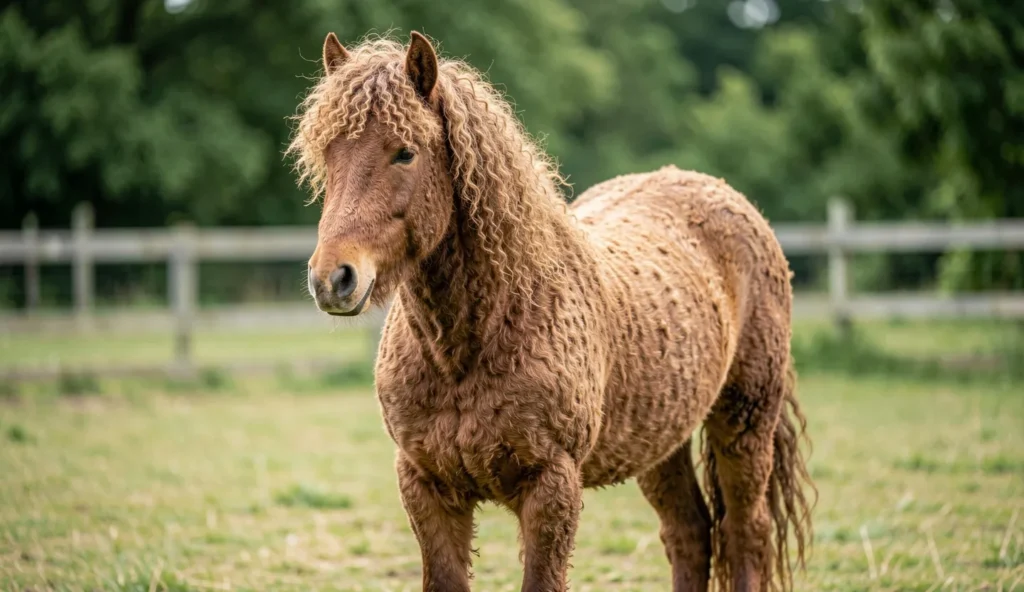
A Curly horse is an uncommon horse type known for a distinctive curly horse coat that can form ringlets along the body, mane, and tail. The breed is also called the Bashkir Curly, and many owners connect it with reduced allergy symptoms due to less shedding and dander. Curly horse traits can vary from horse to horse, so coat patterns should be evaluated on the individual animal rather than assumed.
Because the curly coat is the main recognizable feature, prospective owners usually focus on appearance first and then match day to day care needs to their lifestyle. At the same time, allergy concerns require careful planning since no horse can be guaranteed to cause zero reactions.
Breed Name Variations And Recognition
The Curly horse is often recognized under the name Bashkir Curly in breeding and owner discussions. Some registries treat it as a distinct horse line, and others may describe it as a curly hair coat type. Even within the same line, curl expression can differ in tightness, coverage, and how consistently curls appear across seasons.
For that reason, a buyer should ask to see the horse at multiple times of year. Those checks help confirm how the curly horse coat looks when it is fully developed and when it transitions.
Where Curly Horses Are Found
Curly horse history is often described through scattered records rather than one single documented origin story. Broadly, curly coated horses and related breeding programs have been reported in more than one country, which can make availability uneven. Rarity also affects where horses are offered, so waiting periods sometimes apply.
When a Curly horse is available, sellers may describe breeding lines and coat consistency. However, sourcing should be approached carefully since individual genetics and management choices still influence the final curl pattern.
Why The Coat Matters For Allergy Concerns
Hypoallergenic horse breed claims usually connect to reduced dander and less loose hair leaving the coat. Dander, saliva, and environmental buildup can all trigger allergy symptoms, so coat behavior matters. That said, a Curly horse is not a medical guarantee.
For allergy sufferers, a sensible approach includes allergy testing and careful exposure planning. If possible, gradual visits to the horse environment can reduce risk and help set realistic expectations for ongoing Curly horse care.
Curly Horse Coat And Physical Features
The curly horse coat defines the overall look and also influences how grooming must be done. Most Curly horses show curl formation on the body and often on the mane and tail, though the degree of curl can vary widely. Seasonal growth cycles can also change curl tightness as the coat develops and releases.
Understanding coat structure helps owners avoid pulling skin, minimize tangles, and reduce dust trapped in thicker hair. This section focuses on what people typically notice and what then becomes practical care.
Coat Type Patterns And Texture
Some Curly horses display tight ringlets, while others show looser waves that still feel distinctly textured. Coverage can be uneven at first, with more curl on certain body areas and less on others. Curl intensity can shift as the season changes and as the hair length increases.
Because curl pattern may change over time, owners often learn the horse’s normal look before planning heavy grooming sessions. That timing matters for both skin comfort and the goal of keeping curls separated.
Skin And Feathering Around Legs
Many curly coated horses carry extra hair density around the legs, which can create a thicker look along the lower limbs. Thick coat can trap debris if it is not maintained, especially after turnout in dusty areas. Skin sensitivity also tends to be a bigger factor, so grooming pressure should stay gentle.
When skin feels irritated, grooming should shift toward comfort first. That mindset also supports calmer handling during routine Curly horse care.
Common Colors And Markings
Curly horses can appear in many coat colors and common horse markings, similar to other horse breeds. Color does not determine curly hair coat presence, so a buyer should focus on the hair pattern itself. Markings can help identify a horse, but they should not be used to predict curl tightness.
If curl expression is the priority, the best evaluation includes checking body, mane, and tail texture. That approach gives a clearer picture than coat color alone.
Shedding And Seasonal Changes To Expect
Shedding patterns often increase during seasonal coat transitions, which can affect how much loose hair appears in the stall and on tack. Even when a curly horse sheds less than expected, environment cleanup still matters for allergy control. Curl intensity can also change as hair grows in and then sheds.
For sensitive owners, that means grooming frequency and stall hygiene become part of daily planning. When seasonal shedding rises, extra coat checks and easier dust management can reduce flare ups for some people.
Curly Horse Temperament And Trainability
Curly horse temperament can range from very calm to more sensitive depending on how the individual horse was handled. Many Curly horses tolerate grooming with less resistance when owners use gentle techniques that respect skin comfort. Still, each horse needs time to learn trust and routine, especially if coat care involves detangling.
Training tends to go better when it stays consistent and low pressure. Groundwork and calm handling often support smoother day to day barn routines, including washing legs and checking saddle areas.
Typical Temperament On The Ground
Many owners report a general tendency toward calm handling, particularly when the horse experiences routine grooming. At the same time, temperament varies widely between individuals and between management styles. Some Curly horses also show sensitivity related to skin and coat comfort.
For that reason, handling sessions should be short at first and then extended as the horse accepts the tools. Comfort improves both grooming and training outcomes.
Behavior During Grooming And Bathing
Curly horse care often requires careful brushing, since aggressive brushing can create tangles or pull at curls. Curls can mat if they are brushed dry too forcefully, especially in thicker areas near the mane and saddle. A gentle separation approach usually works better than quick, high pressure strokes.
Bathing and drying also influence comfort. Moisture left trapped in curls can cause issues, so drying must finish before turnout or storage.
Training Approach That Works Best
Consistent, low pressure handling supports learning and reduces stress. When comfort and trust guide the training plan, the horse usually adapts faster to new routines. Basic groundwork such as leading, stopping, and standing for grooming can help later work under saddle or in driving.
Groundwork also helps confirm that coat care stays safe. During that process, owners learn which areas need extra patience and which tools create the least irritation.
Compatibility With Different Owner Types
Curly horses can fit many disciplines, but grooming skill level matters for maintaining Curly horse coat condition. Some horses handle extra brushing routines well, while others need slower, more frequent care with minimal tugging. Experience with sensitive skin is a practical advantage for many owners.
For unique horse owners, the curly coat can be a manageable challenge when the routine stays consistent. For first time owners, careful planning and education become especially important.
Curly Horse History And How The Breed Developed
Curly horse history is often discussed through reported sightings, breeding efforts, and the repeated appearance of the curly trait in certain lines. Because early records vary in detail, absolute claims about origin should be treated cautiously. However, most sources agree that the curly coat trait drives breeding choices and owner interest.
Over time, selective breeding programs aimed to preserve coat expression and maintain recognizable features. That focus helps explain why Curly horses remain rare but still accessible through dedicated breeders.
Early Records And The Origin Of The Curly Coat Trait
Accounts of curly coated horses appear in different places, but they rarely provide one complete, universally accepted origin timeline. Instead, people often track the curly coat trait because it remains the central feature that keeps showing up. That makes the coat pattern the practical target for evaluation rather than a single historical date.
Owners should avoid treating any story as a guaranteed genetic proof unless it is supported by credible documentation. A grounded view supports better decision making for Curly horse temperament and coat expectations.
How Breeding Programs Preserve Curly Characteristics
Breeding programs generally focus on selecting horses that show clear curl expression and consistent coat texture. Even then, curl intensity can vary between individuals due to genetics and coat management. Dedicated breeders often aim to keep the curly horse coat recognizable while still allowing natural variation.
Registries and structured breeding networks can improve traceability and reduce confusion about what counts as a curly coated horse. That matters for buyers who want a predictable coat routine.
What Hypoallergenic Claims Are Based On
Hypoallergenic horse breed claims usually rely on the idea that curly coats may reduce dander and the amount of shed hair circulating in a stable. Fewer loose particles can mean less environmental exposure for some people with allergies. However, evidence and experiences differ widely across individuals.
Because reactions vary, the safest plan involves owner testing and careful exposure scheduling. That step should happen before committing to long term Curly horse care with a daily grooming routine.
Curly Horse Care Essentials For Healthy Skin And Coat
Curly horse care focuses on keeping curls separated, preventing mats, and supporting healthy skin under dense hair. The same coat that gives a Curly horse its signature look also increases the need for gentle grooming and thorough drying. When those basics are handled well, skin issues tend to reduce and comfort improves.
Routine consistency matters more than force or speed. Over time, a reliable schedule becomes the key to managing both cleanliness and allergy related goals.
Grooming Routine That Prevents Matting
Gentle brushing with the coat slightly damp can help separate curls without pulling skin. The main goal is to separate ringlets and waves while keeping pressure light. Spot checks work well around the mane base, saddle areas, and thicker leg hair.
When tangles form, owners should pause and work slowly rather than forcing through knots. If owners need a reference on curly coat grooming habits, grooming similar to a Cornish Rex breed approach can be useful for tool selection, even though horses require different techniques.
- Check mane and saddle zones during every tack session
- Use a soft brush or detangling comb with light pressure
- Separate curls one section at a time
- Keep grooming sessions short and calm
- Look for dry skin flakes and adjust product choices
Bathing And Drying To Avoid Skin Irritation
Lukewarm water helps reduce skin stress, and thorough rinsing limits residue trapped in curls. Drying needs to finish completely so moisture does not stay in the coat. If moisture remains, it can increase irritation and odor in thick hair.
Product choice matters, especially for allergy sensitive environments. Patch testing shampoos for a short period helps confirm the horse tolerates them before full bathing routines become routine.
Tools And Products For Curly Horse Coat
Common tools include soft brushes, detangling combs, and curl friendly conditioners used sparingly. Harsh shedding blades can damage curl structure or increase irritation when used too aggressively. Because curls can trap product, conditioners should be applied lightly and rinsed thoroughly.
Cleaning also extends to grooming equipment. Brushes and combs should stay clean to reduce buildup that can reenter the coat at the next session.
Seasonal Management For Shedding And Allergy Concerns
Seasonal management helps during coat transitions when shedding often increases. During those periods, grooming frequency usually rises, and stall cleaning becomes more frequent to reduce dust buildup. Bedding choice also matters since dusty materials can worsen symptoms for allergy sufferers.
Stable hygiene also affects tack and equipment cleanliness. Regularly washing tack and stable tools helps reduce hair and residue that can trigger reactions.
If a similar approach to seasonal management is needed, stable routines used for other equine coat types can offer structure, such as consistent care used in horse coat maintenance discussions like those found in guidance on breeds such as the Appaloosa Horse.
Diet, Exercise, Health Issues, And Starter Checklist
Diet, exercise, and health monitoring all support a healthier Curly horse coat and skin. A forage first approach usually forms the base, and body condition scoring helps guide how much grain or supplements should be added. When nutrition stays consistent, coat quality often follows.
At the same time, health issues can show up in the skin, hooves, and musculoskeletal system. Owners should watch early signs and involve a veterinarian when problems persist.
Diet And Feeding Basics
A quality pasture or hay should form the foundation of Curly horse feeding. Body condition scoring helps set feed amounts so the horse does not become too thin or too heavy. Changes should happen gradually to support digestion and reduce stress on the gut.
Minerals and supplements may help in specific cases, but they should be recommended by a veterinarian or equine nutrition professional. That careful approach prevents unnecessary additives that can affect skin and overall wellness.
Water Needs And Feeding Schedule
Fresh water should stay available at all times since hydration supports skin and normal body function. Many horses do best with consistent meal timing, which helps the digestive system maintain routine. During warm weather, monitoring water intake becomes even more important.
When intake drops, skin can look dull and grooming may not improve comfort. A quick check of water access and schedule can resolve simple issues before they become bigger problems.
Exercise And Activity For Comfort
Regular movement supports muscle tone, circulation, and overall comfort. Stress can also worsen skin sensitivity, so exercise routines should match the horse’s fitness level and handling routine. Turnout and walk work often fit well while a curly coat is being maintained carefully.
When exercise includes grooming exposure, the training should stay calm and predictable. That plan reduces stress triggers that could lead to irritation around the coat.
Common Health Issues To Watch For
Skin and coat problems can include dryness, irritation, or patchy changes that appear after bathing, grooming, or environmental exposure. Owners should check regularly for flaking, redness, or areas that feel tender. Persistent issues usually need veterinary evaluation rather than repeated product changes.
Hoof and musculoskeletal checks also matter, since comfort influences behavior and grooming tolerance. Basic routine care can help detect problems early and keep a Curly horse comfortable enough to maintain coat routines.
For owners comparing how different horses handle routines, it can help to learn how calm, consistent handling supports training outcomes across breeds like the Arabian Horse. While training goals differ, stable calmness often improves cooperation with grooming and health checks.
Breeding Basics And Availability For New Owners
Breeding a curly horse is specialized and generally not recommended for beginners. Responsible placement includes screening, health evaluation, and long term planning for the horse’s care needs. Because the curly trait is rare, sourcing can take patience even when interest is high.
Availability can also affect pricing and wait times, so planning ahead reduces rushed decisions. Buyers should focus on the individual horse’s coat quality, health history, and temperament handling experience.
Starter Checklist For New Curly Horse Owners
A practical checklist can reduce overwhelm when starting Curly horse care. The biggest priorities involve gentle grooming, dust control, and a baseline health plan with a veterinarian. With clear routines, allergy exposure can be managed more responsibly.
- Plan a gentle grooming schedule and stick to consistent session length
- Choose low dust bedding for stable air quality
- Wash tack regularly and check saddle areas
- Budget for detangling tools and coat friendly products
- Schedule a baseline vet exam early
- Track body condition score and adjust feed gradually
- Plan allergy exposure days during different coat stages
- Keep grooming equipment clean and in good condition
For rare breed owners, learning about grooming expectations across unusual lines can help with preparation. Reading breed profiles such as the Turkish Horse overview may also offer a sense of how distinct traits shape day to day care, even though Curly horses have their own unique coat routine.
Is A Curly Horse Right For You
A Curly horse may fit well for people who want a unique horse with a textured curly horse coat and a predictable routine. Many owners enjoy building consistent grooming habits, especially when skin comfort stays the focus. Allergy sufferers should treat hypoallergenic horse breed claims as a starting point and plan for personal testing and gradual exposure.
Before deciding, it helps to compare real time care time with the grooming effort that thick curls require. That match often decides whether the horse becomes a comfortable long term partner or a constant source of stress.
Signs It May Be A Good Match
Some signs include willingness to manage seasonal shedding carefully and interest in learning a tailored grooming routine. Owners who can keep up with spot checks often prevent mats and support skin comfort. Also, having a plan for allergy exposure responsibly can make day to day handling more manageable.
- Grooming is seen as regular routine, not occasional labor
- Seasonal changes are prepared for with extra coat checks
- Allergy exposure is planned with veterinary and testing input
- Skin comfort needs are taken seriously during grooming
When A Different Breed Might Be Better
Some situations suggest choosing a different breed, especially if there is limited time for grooming and skin monitoring. Curly coats usually require more attention than short, low maintenance coat types. High expectations that hypoallergenic means no reaction can also lead to disappointment.
When access to vet support and consistent grooming products is uncertain, a different horse with fewer coat management demands may be easier. The right choice balances appearance with practical daily care.
Frequently Asked Questions
Are Curly Horses really hypoallergenic?
Hypoallergenic claims usually relate to reduced dander and shedding, but individual allergies vary. Zero reaction is not guaranteed, so allergy testing and veterinary guidance are the safest approach.
How often should a Curly Horse be groomed to prevent matting?
Groom more frequently during heavy coat changes and use gentle separation rather than aggressive brushing. Spot check mane, saddle areas, and legs regularly.
Do Curly Horses shed year round or only in certain seasons?
Shedding often increases during seasonal coat transitions, even if curl texture stays consistent. Curl intensity can change as the coat grows and releases, and frequent grooming can reduce loose hair in the environment.
What is the best way to wash and dry a Curly Horse?
Use lukewarm water and rinse thoroughly, then dry completely so moisture does not stay trapped in curls. Choose gentle products and stop if irritation occurs.
What diet supports a healthy Curly Horse coat?
Forage quality and consistent feeding form the foundation, and body condition scoring guides feed amounts. Supplements should only be added when advised by a veterinarian.
How can a Curly Horse temperament affect day to day handling?
Comfort with grooming and routine handling matters most, since some horses can be sensitive around skin and coat areas. Slow, consistent groundwork supports calmer training and smoother daily care.
Final Note
A Curly horse can offer a distinctive look and a coat care routine that rewards consistency. With realistic allergy planning and gentle grooming, Curly horse care becomes far easier to manage.