What Is A Caspian Horse?
The Caspian horse is a small, ancient horse type associated with Iran, known for compact proportions and a steady temperament. Many rare breed enthusiasts also connect it to early Arabian line development. Because the breed is small, it often appeals to miniature horse enthusiasts who want a true horse with a pony scale.
For beginners, the easiest way to recognize the Caspian horse is by its overall size and balanced build rather than extreme features. Then, temperament and manageability become the next big points because calm handling supports long-term care. In practice, correct Caspian horse care starts with realistic expectations about daily routines and equipment fit.
Origin In Iran And Ancient Working Roots
Caspian horses come from the Caspian region of Iran, where small hardy equine populations adapted to local conditions. Historical accounts often describe the breed as one of the oldest small horse types. Local roles included travel and light work, which matched the size and energy level of the population.
Later, wider attention increased after a Caspian horse rediscovered 1960s moment that brought the breed back into research and breeding discussions. That rediscovery helped establish more organized interest outside the original region. Limited export also helped preserve traits, though records from very old periods remain incomplete.
How Strong Is The Connection To Modern Arabians
Many breeders and historians link the Caspian horse to early Arabian line development. The connection rests on geographic and historical plausibility, but documented proof remains limited. Genetics and dated records become difficult to confirm when dealing with very old breeds.
Still, the claim continues in breed literature, especially among people studying horse history. If the modern Arabian line development matters, it helps to compare historical breed narratives and sources. For context on related pedigrees, readers may also explore Arabian Horse to understand what people look for in early Arabian characteristics.
Why Its Small Size Matters For Owners
The Caspian horse is often notably small compared with most riding horses. It is commonly discussed alongside pony-sized types, so equipment, feeding, and training must match its scale. Temperament and manageability attract hobby owners who want a horse that fits daily handling routines.
Just as importantly, size expectations guide housing choices and prevent stress from poor fit. When a body is smaller, comfort depends on correct tack balance and safe training progression. That is why Caspian horse size should drive planning before the first day of ownership.
Caspian Horse History From Ancient Times To Rediscovery
The history of the Caspian horse follows a familiar pattern for rare breeds, with long periods of local use and later reappearance in documented breeding work. Understanding the timeline helps owners judge claims about ancestry and set practical goals for conservation. It also explains why modern Caspian horse temperament can vary between individual lines.
At the same time, rediscovery matters because it influences how records formed. When organized breeding programs start, traits become more consistent, and owners get clearer guidance for care. For historians, this breed also sits within a broader story of why horses shaped human movement.
Early Accounts And Geographic Isolation
Accounts frequently place the breed within the Caspian region of Iran, where small hardy horse populations could persist. Geographic conditions supported local consistency by limiting wide mixing with outside breeds. Historical descriptions differ in detail, partly because older terminology changed over time.
Even so, the theme stays consistent, small horses surviving through practical roles. Over generations, daily use shaped fitness, behavior, and general soundness. That early isolation helps explain why the Caspian horse is still discussed as a distinctive small type today.
Rediscovered In The 1960s And Why That Mattered
The Caspian horse is widely noted as rediscovered in the 1960s. That rediscovery increased interest among breeders, researchers, and people focused on preserving rare genetic lines. It also created opportunities for studbook development and more careful pairing decisions.
As pure lines became harder to track, conservation focus grew. Many breed enthusiasts now treat the Caspian horse as both a living animal and a historical thread. If horse history matters to the reader, it can help to review Why Are Horses Important in History for broader background on human and horse relationships.
Modern Breeding Goals And What Owners Look For
Modern breeding goals often focus on maintaining small size and classic physical features that match older descriptions. Health, soundness, and temperament also become practical selection criteria because small horses can still struggle if lines produce weaknesses. Documentation and careful pairing help manage lineage, even when the historical record remains incomplete.
Owners often value authenticity and stable behavior, especially when keeping the horse for long-term companionship or light riding. Because breeding priorities can shift, temperament can also differ by individual background. That means Caspian horse care still needs personalization based on age, condition, and training history.
Caspian Horse Appearance And Physical Features
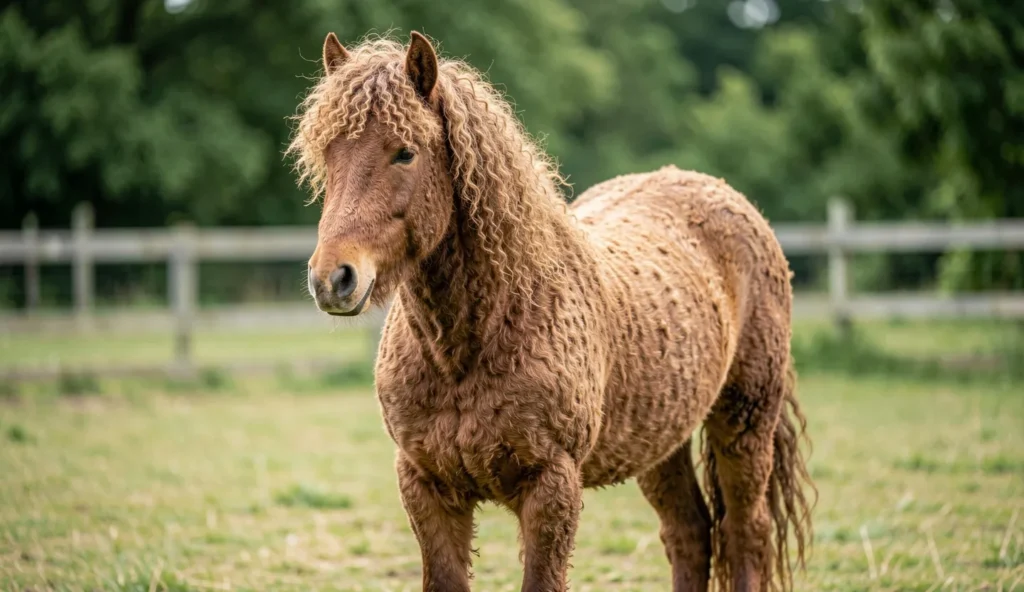
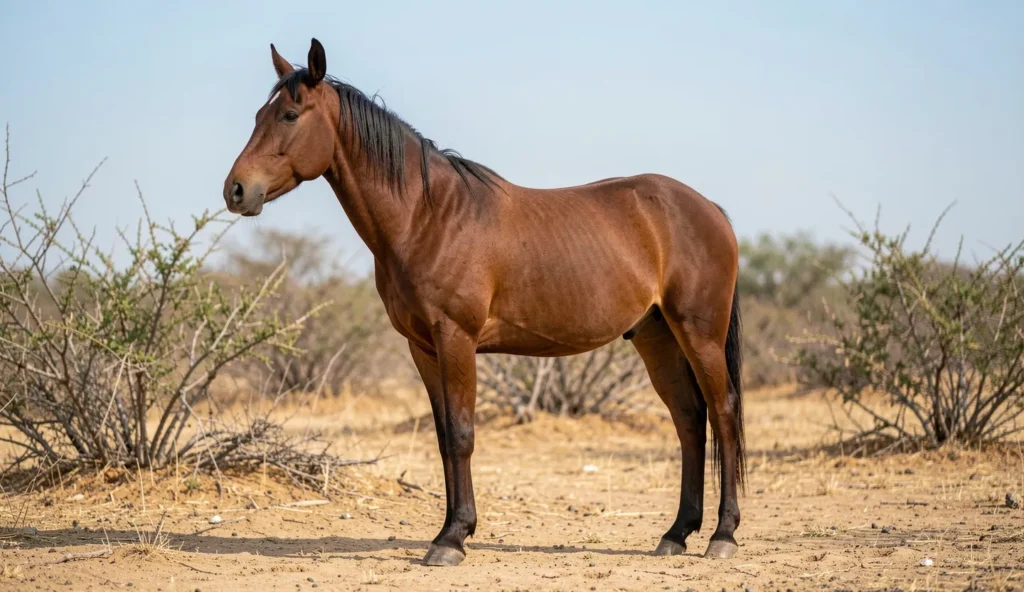
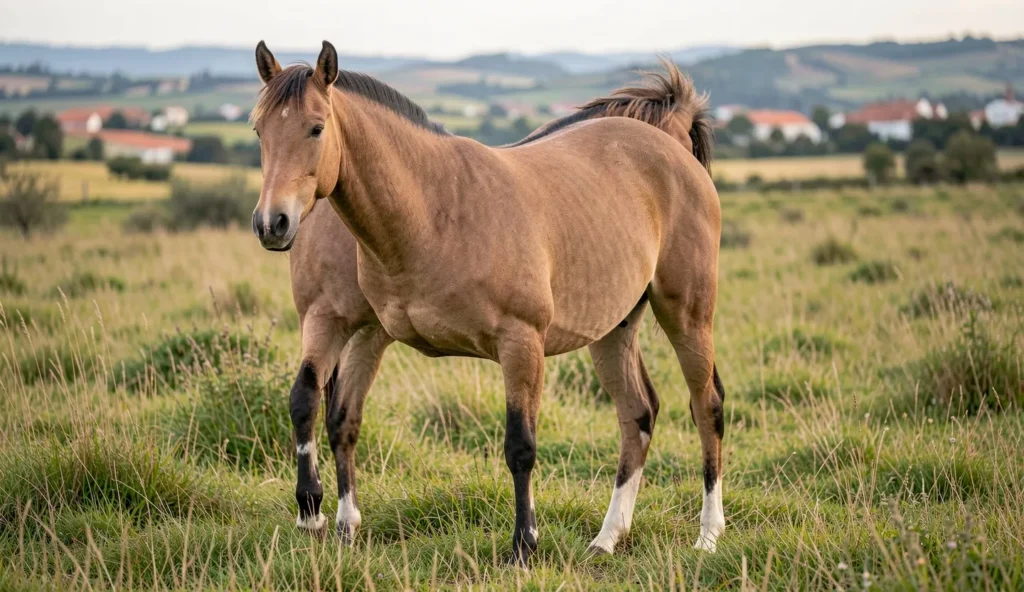
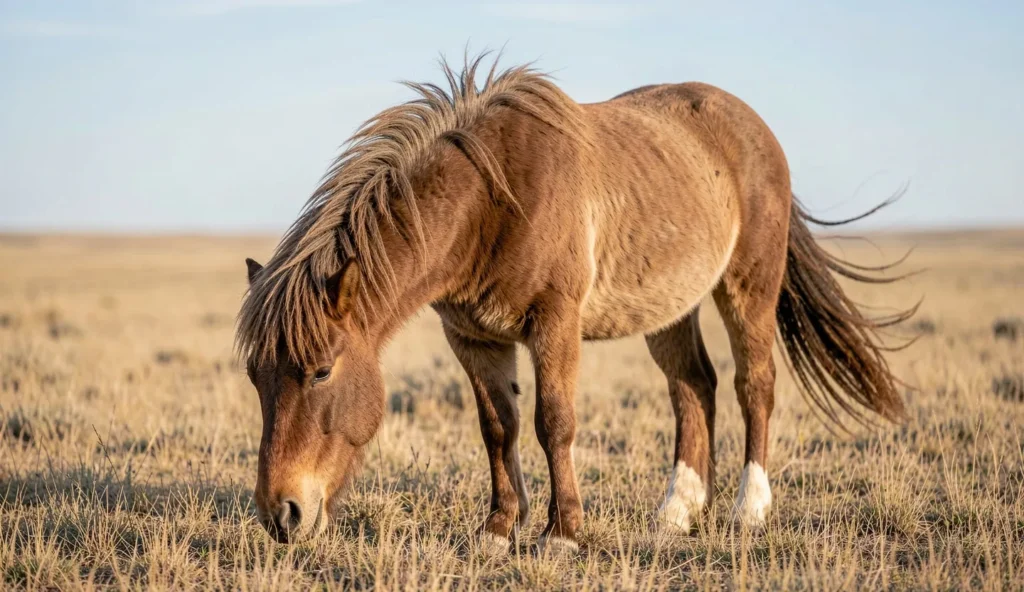
Appearance starts with size, then moves into body proportions, coat quality, and overall movement. Many people search for the “ancient small horse of Iran” because the Caspian horse size stands out immediately. With a compact frame and balanced build, the breed often looks both agile and sturdy.
However, each horse can vary, especially across different breeding programs. For that reason, owners should measure and assess individuals instead of relying on averages. This approach also supports correct diet planning and better comfort when grooming and shoeing.
Caspian Horse Size And Typical Measurements
The Caspian horse is a small horse type, often close to pony height ranges. Exact height depends on the individual and the breeding program, so consistency cannot be assumed without measurement. Body proportions usually support agility and endurance rather than large frame strength.
Instead of guessing based on photos, measuring matters for daily care. Owners should record height at the withers and recheck at growth stages or before changing training. This helps set realistic expectations for housing space, tack sizing, and Caspian horse size-based exercise plans.
Body Shape, Legs, And Movement
A compact build often appears across Caspian horses, with attention to overall balance rather than height alone. Legs and joints should look sound, and conformation checks matter because small body size can hide early problems. Movement preferences in breeding discussions often emphasize smoothness and controlled balance.
During evaluation, comfort and soundness should carry more weight than looks alone. A horse that moves freely will usually tolerate training better, especially when sessions remain short and consistent. That pattern also improves daily care outcomes because hoof comfort drives normal behavior.
Coat Colors And Common Markings
Many coat colors can appear in the breed depending on line history and individual variation. Markings differ widely, so no single “signature coat” guarantees a Caspian horse. Coat quality should look healthy, and texture can change slightly with season and grooming.
Skin and hair condition often show how well the horse handles diet and environment. When coats remain dull, dry, or patchy, health checks should follow. Because coat condition links to overall wellbeing, grooming becomes part of preventative Caspian horse care, not just appearance.
Caspian Horse Temperament And Personality
Caspian horse temperament is often described as steady and people-aware. That said, temperament still depends on handling history, training routines, and early social experiences. Even within rare breeds, individual personalities differ, so evaluation must focus on the specific horse rather than the label.
For owners, calm behavior reduces stress and supports safer training sessions. Additionally, a steady horse typically adapts better to daily routines like grooming, leading, and tack fitting. When temperament fits the household, the long-term effort in Caspian horse care becomes easier to maintain.
What Temperament To Expect From The Caspian Horse
Many owners and caretakers describe Caspian horses as responsive and generally steady. Individual variation can still show up in confidence levels, curiosity, and tolerance for new situations. Early handling and consistent routines often shape long-term behavior more than any one trait.
Patience during training tends to reward calm responses. When sessions are structured and predictable, stress declines and learning becomes faster. This approach also helps prevent fear habits that can develop when small horses get rushed.
Social Behavior With Other Horses
Most horses do best with safe herd contact or well-managed pairings. When new introductions happen, controlled turnout and supervision reduce the risk of fighting or resource competition. Small stature does not eliminate dominance behavior, especially around food and resting space.
During group turnout, feeding access and resting areas should be watched closely. If a smaller horse repeatedly gets displaced, stress can increase quickly. That is one reason careful pasture management supports healthy behavior and stable Caspian horse temperament.
Handling Readiness For First Time Owners
First time owners often do well starting with calm ground handling and short sessions. Basic cues come first, including leading, stopping, and standing for grooming. Consistent stable routines reduce confusion, especially for a small horse adjusting to a new environment.
Safe equipment fit matters because smaller bodies respond differently to rubbing or incorrect pressure points. A well-fitted halter, blanket, and tack set can prevent stress behaviors. In many cases, careful handling becomes the foundation for safe and productive training.
Caspian Horse Exercise Training And Daily Work
Exercise supports joint comfort, healthy digestion, and stable behavior. Because the Caspian horse is small, intensity needs careful adjustment rather than heavy workload by default. Daily movement often works better than occasional long sessions.
Training also needs structure because calm progress protects soundness. When equipment fits and sessions stay short, the breed can learn useful groundwork skills. Over time, that daily work improves safety for both the horse and the handler.
How Much Exercise A Small Horse Needs
Regular movement supports joint health and normal digestion patterns. Turnout and controlled walking often provide enough base activity for many horses. Then, intensity can increase based on age, fitness, and soundness.
Repetitive high-impact training should stay limited, especially when a small horse experiences early hoof or joint strain. Owners can build fitness gradually by mixing walking, gentle transitions, and controlled time under saddle if appropriate. This approach aligns with practical Caspian horse care for long-term comfort.
Best Training Approaches For Calm Progress
Short training sessions with clear start and release cues often work well. Rewarding calm responses reinforces the behavior owners want to repeat. Routine practice for leading, grooming tolerance, and mounting preparation usually creates predictable daily handling.
Progression works best when transitions happen slowly and steering basics receive early emphasis. When a horse learns how to move straight and respond to light aids, training becomes safer. That steady approach protects both confidence and physical comfort.
Equipment Fit For A Caspian Horse
Small horses need tack sized for their body proportions to prevent rubbing and uneven pressure. Girths and saddle balance points should align with the horse’s shape rather than generic “small saddle” assumptions. Blanket and rug fit matters too, especially around shoulders and hips where motion needs clearance.
Because fit changes with wear and minor body condition shifts, tack checks should happen often. Worn straps can change pressure patterns, which leads to discomfort. For additional perspective on small equine sizing and tack planning, reading about Icelandic Horse can help owners compare how smaller breeds are managed in practical routines.
Caspian Horse Care Guide For Diet Grooming And Health
Caring for the Caspian horse focuses on consistent routines that support digestion, skin health, and hoof comfort. While the breed’s small stature matters for equipment and exercise, basic horse care principles still apply. The goal is to reduce stress and catch problems early through observation.
Because rare breeds can come with limited background information, prevention becomes more valuable. That includes diet planning, parasite control, and scheduled veterinary and dental care. With a structured system, Caspian horse care becomes manageable even for new owners who want a historically significant animal.
Housing Essentials That Support Small Horses
Housing should protect against harsh weather and keep bedding dry. Non-slip footing helps prevent slips in stalls and high-traffic areas. Ventilation also matters, since stale air can worsen respiratory stress.
Fencing needs careful attention to prevent entanglement and injury. For small horses, gaps that seem harmless can still create trouble if a leg or halter gets caught. Secure shelter combined with safe footing supports normal daily movement and reduces behavior issues.
Diet And Feeding For Healthy Weight And Hoof Condition
The diet should base on quality forage such as hay or pasture, since fiber supports digestion and general health. Portions should be measured to prevent accidental overfeeding, especially with small bodies that need less total intake. Fresh water must be available daily, and salt or mineral should match local recommendations.
Concentrates generally play a limited role unless needed for specific energy or health reasons. When concentrates become necessary, they should support a forage-first plan rather than replace it. This feeding strategy supports hoof condition and helps keep body weight stable over time.
Grooming Care Steps For Coat Skin And Hooves
Grooming should happen regularly to remove dirt and support circulation in the skin. During grooming, owners should inspect for dryness, irritation, and signs of parasites. Hoof cleaning should occur daily so minor debris and early changes become visible.
Thrush signs and uneven hoof texture deserve quick attention. In addition, hoof care scheduling with a farrier supports long-term comfort, particularly in small horses where poor foot alignment can show quickly. These steps keep Caspian horse care practical and consistent.
Common Health Issues To Watch For
Small breeds still require routine parasite control plans, since parasite burden affects appetite and body condition. Owners should monitor body condition, manure consistency, and appetite changes. Because hooves affect comfort, hoof problems can change behavior fast.
Daily checks help catch problems earlier, which improves treatment outcomes. If a horse becomes reluctant to move or shows uneven weight shifting, a basic exam should happen promptly. Soundness monitoring remains a core part of responsible care for this breed type.
Preventive Veterinary And Dental Planning
Veterinary care should follow a vet-guided vaccination schedule based on local disease risk. Dental exams also matter because chewing supports digestion and overall nutrition intake. When teeth need attention, hay and forage quality matter even more.
Fecal testing can guide deworming decisions, or a regional deworming strategy can be used with veterinary direction. Keeping records supports long-term management by showing what worked and when. This planning style aligns with conservation-minded care for rare breeds, including cases where pedigrees remain limited.
For broader context on equine health history and how breeds developed under different work conditions, readers may also review Most Famous Horse Breeds in History for how selection shaped modern care expectations.
Is A Caspian Horse Right For You
Choosing a Caspian horse depends on daily commitment, space, handling comfort, and the realistic goal for training. Many people who start with the breed do so because of rarity, history, or the smaller horse scale. Before purchase or adoption, it helps to match ownership goals with what the horse needs each day.
Because the breed is small, planning must account for correct equipment and careful training progression. Budgeting for farrier visits, veterinary work, and proper tack sizing also supports stable long-term care. When the basics align, the Caspian horse can fit into a well-run household.
Good Fit If Ownership Goals Match Small Breed Needs
This breed often fits owners interested in rare breed preservation or history-focused keeping. Those who prefer smaller horse scale usually find daily care tasks easier to manage, including grooming and equipment handling. Measured feeding also supports steady routines when hay and fiber form the diet base.
Comfort with correct sourcing and sizing of tack matters because fit errors can cause stress quickly. If consistent daily care schedules are realistic, the breed’s temperament often becomes a major advantage. That practical match supports stable Caspian horse care outcomes.
Plan Ahead If You Need Large Horse Capabilities
Training goals must match the horse’s scale because small stature changes what equipment and workloads feel safe. Larger ride weight limits depend on the individual horse and fit, and they should be assessed carefully. Experience with schooling also matters since tiny gaps in fit or technique can create discomfort.
Budget planning remains essential since farrier visits, veterinary exams, and specialized sizing require ongoing expenses. When expectations for “riding horse” capacity remain realistic, training can still progress effectively. For owners comparing size and management between breeds, looking at American Quarter Horse can help show how size and work type influence care plans.
FAQs: Caspian Horse Care And Traits
How Small Is A Caspian Horse?
Caspian horses are small and often fall in pony height ranges. Exact height depends on the individual and the breeding program.
What Temperament Does A Caspian Horse Usually Have?
Many Caspian horses are described as steady and responsive to consistent handling. Individual personality and training history affect behavior as much as breed traits.
What Do Caspian Horse Owners Feed Every Day?
Most daily feeding should be quality forage like hay or pasture. Concentrates are typically limited and used only when needed based on body condition.
How Much Exercise Is Safe For A Caspian Horse?
Regular walking and turnout support health and comfort. Exercise intensity should match fitness and soundness, especially for smaller horses.
What Are Common Health Problems To Watch In This Breed?
Hoof health issues and general parasite control concerns require attention. Routine veterinary and dental care help catch problems early.
Where Did The Caspian Horse Come From And When Was It Rediscovered?
The breed is associated with Iran’s Caspian region. It is widely noted as rediscovered in the 1960s.
Final Note On Owning A Caspian Horse
Owning a Caspian horse works best when size expectations, routine handling, and preventive care stay consistent. With careful planning, Caspian horse care becomes a practical way to support a rare and historic horse type.